What do polar bears eat?
Short answer
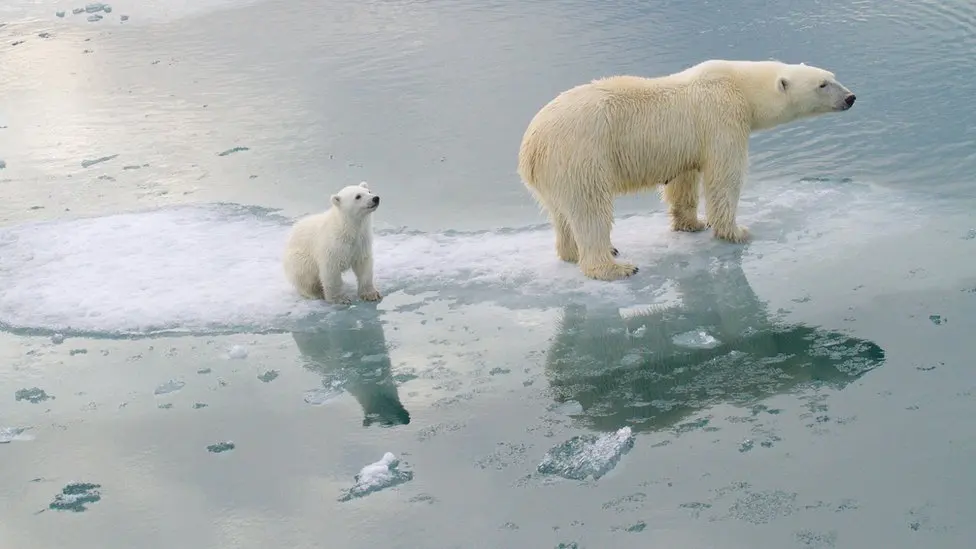
Polar bears are hyper-carnivores that primarily hunt ringed and bearded seals. They rely on the fat-rich blubber of these marine mammals to maintain the massive energy reserves required for survival in the Arctic. While they occasionally scavenge or consume vegetation, their biology is specifically adapted to a high-fat, meat-based diet.
On this page
What do polar bears eat in the wild?
The primary food source for polar bears is the ringed seal, followed by the bearded seal. These seals provide the high-calorie blubber necessary for the bears to build the thick layers of fat required to survive freezing Arctic temperatures. A polar bear’s metabolism is uniquely evolved to process this fat, which acts as a vital energy store during months when sea ice is scarce.
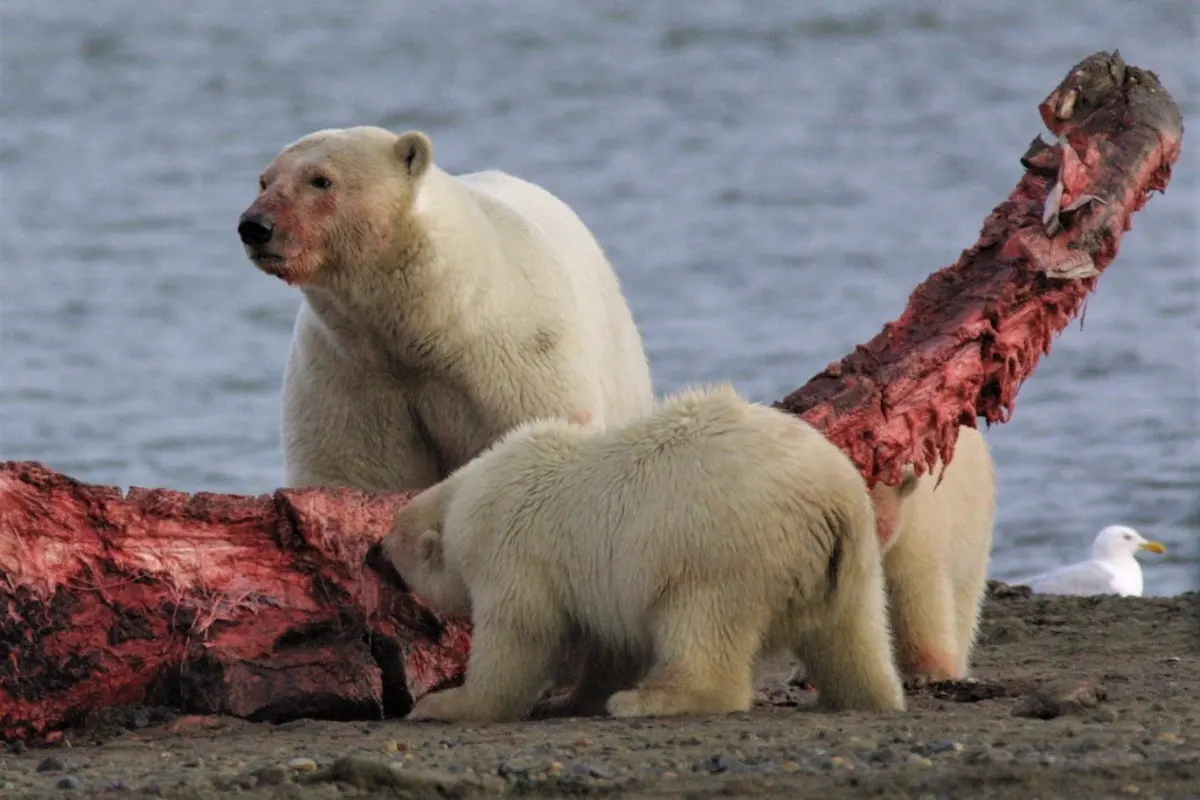
Beyond seals, bears occasionally hunt larger marine mammals if the opportunity arises. They have been observed preying on young walruses or beluga whales trapped in ice leads. While these encounters are rare due to the danger posed by adult walruses, they provide significant nutritional rewards. Polar bears are opportunistic hunters and will readily consume carcasses of whales that wash ashore, providing a massive, albeit unpredictable, food windfall.
- Ringed seals: The staple diet, providing essential blubber.
- Bearded seals: A larger, secondary prey species.
- Walruses: Occasionally hunted, usually young or injured individuals.
- Beluga whales: Hunted when trapped in small openings in the ice.
- Carrion: Scavenged whale or seal remains found on coastlines.
How do polar bears hunt for food?
Polar bears are masters of "still-hunting," a patient technique where they wait for hours or even days near a seal's breathing hole in the sea ice. When a seal surfaces to breathe, the bear strikes with immense force, pulling the prey onto the ice before it can escape. This method requires extreme patience and the ability to remain motionless in sub-zero temperatures for extended periods.
Another common hunting strategy involves stalking seals resting on the ice. The bear uses its white fur as camouflage, crawling slowly toward the prey and minimizing movement until it is close enough for a final, explosive charge. This approach is physically demanding and often results in failure, as seals are highly alert to movement and vibrations on the ice.
- Locate a breathing hole or a seal resting on the sea ice.
- Approach slowly, using terrain or ice ridges for cover.
- Remain perfectly still to avoid alerting the prey.
- Launch a sudden, high-speed attack to close the distance.
- Secure the prey with powerful paws and sharp claws.
Why do polar bears eat blubber first?
When a polar bear makes a kill, it prioritizes the consumption of the seal’s blubber and skin. Blubber is incredibly energy-dense, containing more than double the calories of lean muscle tissue. By focusing on the fat, the bear can quickly replenish its own energy stores, which is critical for maintaining its body mass throughout the long, dark Arctic winter.
The meat of the seal is often left behind for scavengers like Arctic foxes, ravens, and gulls. This behavior is not wasteful but rather a strategic choice to maximize caloric intake per hour spent feeding. In a harsh environment where energy conservation is the difference between life and death, the polar bear chooses the most efficient fuel source available to sustain its massive frame.
What do polar bears eat when food is scarce?
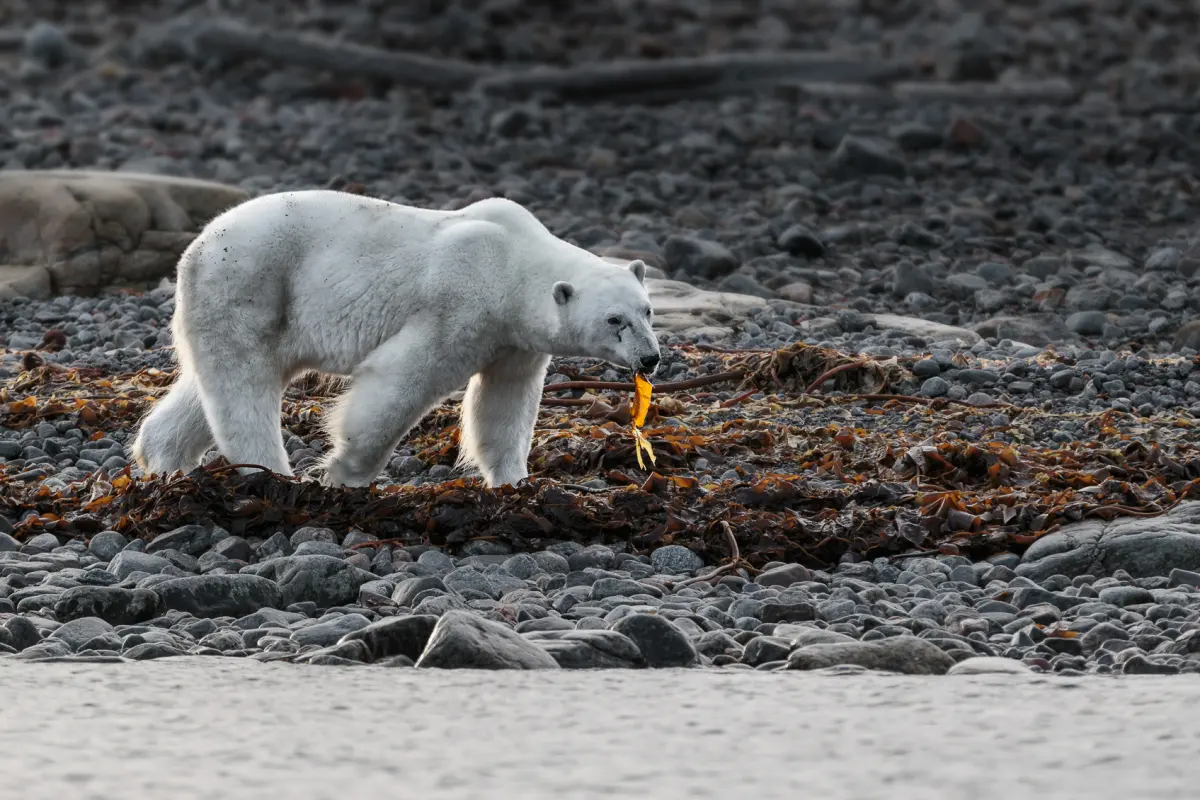
During the summer months, when sea ice melts and retreats, polar bears are forced onto land for extended periods. In these "fasting" months, they have limited access to their preferred seal prey. They may forage for terrestrial food sources, including bird eggs, berries, kelp, or small rodents, though these items provide negligible nutritional value compared to seal blubber.
These terrestrial foods are insufficient to sustain a polar bear's large body for long. Consequently, the bears enter a state of "walking hibernation," where they significantly reduce their activity levels to conserve energy. They rely almost entirely on the fat reserves they built up during the winter hunting season. If the ice-free season lasts too long due to climate change, the bears face severe nutritional stress and potential starvation.
Common mistakes when observing polar bear feeding
A major misconception is that polar bears are aggressive predators that hunt humans as a primary food source. In reality, humans are not part of their natural diet, and most encounters occur because a bear is curious or seeking food in human-inhabited areas. Feeding a polar bear or leaving food waste in the Arctic is dangerous and illegal, as it creates "problem bears" that lose their natural fear of humans.
Another error is assuming that polar bears are constantly eating. They are actually highly efficient at fasting and can go for several months without a significant meal. Observers should never approach a feeding bear, as they are highly protective of their kills and can become aggressive if they feel threatened. Always maintain a safe distance and use binoculars or telephoto lenses to view these apex predators in their natural habitat without interfering with their critical feeding behaviors.
Key facts
- Polar bears are hyper-carnivores that rely almost exclusively on the fat of seals to survive.
- A single ringed seal can provide a polar bear with up to 100,000 calories, primarily from its blubber.
- Bears primarily hunt by waiting patiently for hours at breathing holes in the sea ice, a technique known as still-hunting.
- They consume the calorie-dense skin and blubber first, often leaving the protein-rich meat for scavengers like arctic foxes.
- During the summer months when sea ice melts, bears may scavenge for bird eggs, kelp, or beached whale carcasses.
- Adult polar bears require approximately 2 kilograms of fat per day to maintain their body weight and energy levels.
The bottom line
Polar bears are specialized predators that depend on the high-fat content of Arctic seals to fuel their survival in extreme conditions. By utilizing their keen sense of smell and the presence of sea ice, they target calorie-rich blubber to maintain their energy reserves. As climate change reduces ice coverage, the bears' ability to access this essential food source is increasingly threatened, impacting their overall population health.
People also ask
Do polar bears eat penguins?
No, polar bears do not eat penguins because the two species live at opposite ends of the Earth. Polar bears inhabit the Arctic, while penguins are found almost exclusively in the Southern Hemisphere.
Can polar bears survive on a vegetarian diet?
Polar bears are biologically adapted to process high-fat animal tissues and cannot survive on vegetation alone. While they may occasionally eat berries or kelp, these items lack the necessary caloric density to sustain their massive body mass.
Do polar bears hunt humans for food?
Polar bears are opportunistic predators and may view humans as potential prey if they are starving or feel threatened. However, attacks are rare and usually occur when a bear is desperate or provoked.
How do polar bears find seals under the ice?
Polar bears possess an exceptional sense of smell that allows them to detect a seal's breathing hole from over a kilometer away. They can also smell seal pups hidden in snow dens beneath the surface.
Do polar bears drink water?
Polar bears do not drink liquid water, as it is often frozen or too salty. Instead, they obtain necessary hydration through the metabolic breakdown of the fat they consume from their prey.
How often do polar bears successfully catch a seal?
Hunting is difficult, and polar bears are successful in only about 2 to 10 percent of their attempts. This low success rate makes every kill vital for their survival in the harsh Arctic environment.
This answer was created with the help of AI research tools and reference sources. Spotted an error? Let us know — we correct mistakes quickly. See our editorial policy.