How long do cut flowers last?
Short answer
Most cut flowers last between five and twelve days when properly cared for. Longevity depends heavily on the specific variety, the freshness of the stems at purchase, and the environment. While some hardy blooms like carnations or chrysanthemums can persist for two weeks, delicate flowers like peonies often fade within five days.
On this page
How long do different flowers last?
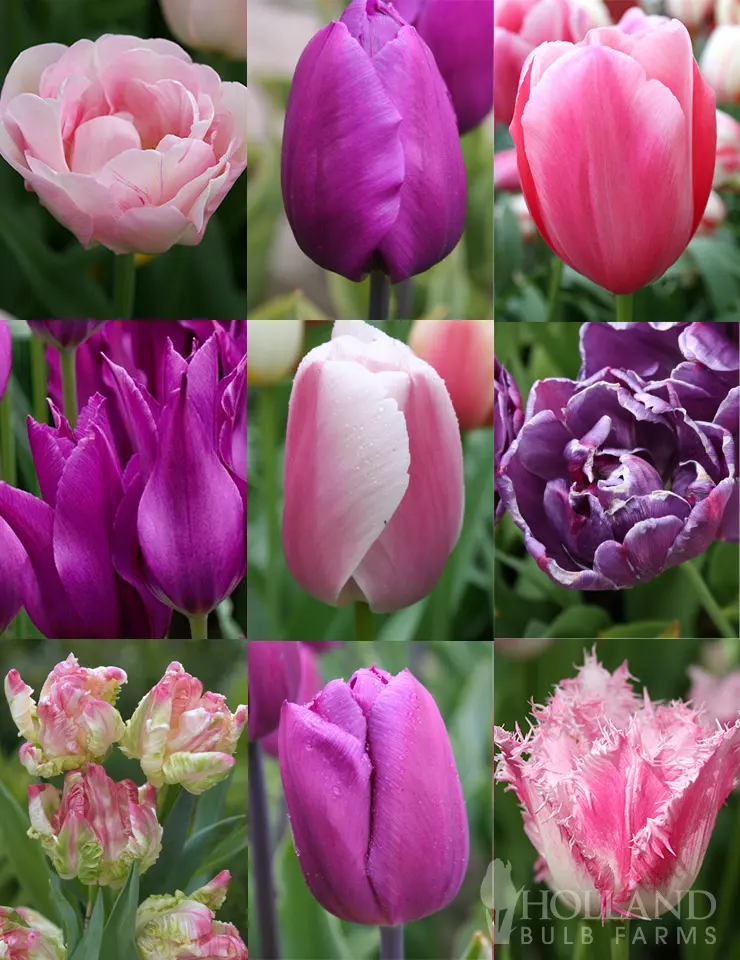
The lifespan of cut flowers varies significantly based on their botanical characteristics and natural growth cycles. Woody-stemmed flowers and those with thick petals generally outlast their more delicate counterparts. For instance, carnations, chrysanthemums, and alstroemeria are renowned for their durability, often gracing a vase for up to 14 days. Conversely, flowers like tulips, poppies, and irises are ephemeral, typically lasting only five to seven days before their petals begin to drop or wilt.
Understanding these differences helps in selecting the right bouquet for an occasion. If you require a long-lasting display for a centerpiece, prioritize varieties known for their resilience. If you prefer the fleeting beauty of spring blooms, accept their shorter lifespan as part of their charm. Regardless of the variety, the maturity of the flower when purchased—whether it is a tight bud or fully open—is the primary indicator of how much time you have left to enjoy them.
How to make cut flowers last longer
Extending the life of your arrangement requires a combination of proper hydration and nutrient management. Start by preparing the stems immediately upon arrival to ensure they can effectively draw up water. Use a clean vase and fresh, cool water, as bacteria are the primary enemies of cut flowers. Adding a floral preservative is highly recommended, as it contains sugar for energy, an acidifier to lower pH levels for better water uptake, and a biocide to inhibit bacterial growth.
Follow these steps to maximize the life of your bouquet:
- Trim at least one inch off the stems at a 45-degree angle using sharp, sterilized shears.
- Remove any foliage that will sit below the waterline to prevent rot and bacterial contamination.
- Place the arrangement in a cool area away from direct sunlight, heating vents, or ripening fruit.
- Replace the water and re-trim the stems every two to three days to maintain optimal hydration.
Why do cut flowers wilt early?
Premature wilting is almost always caused by an interruption in the flower’s vascular system. When stems are cut, air bubbles can enter the xylem, creating an embolism that blocks the flow of water to the petals. If the water becomes cloudy or slimy, it indicates a high concentration of bacteria, which clogs the stem ends and prevents the flower from drinking. This is why changing the water regularly is the most effective way to prevent early decay.
Environmental factors also play a significant role in the degradation of floral tissue. Ethylene gas, a natural plant hormone released by ripening fruits like apples and bananas, acts as a potent aging agent for flowers. If your bouquet is placed near a fruit bowl, the ethylene will accelerate the wilting process, causing petals to drop prematurely. Additionally, high temperatures increase the rate of transpiration, causing the flowers to lose water faster than they can absorb it, leading to rapid dehydration and collapse.
Common mistakes when caring for flowers
Many people inadvertently shorten the life of their flowers through simple maintenance errors. One of the most frequent mistakes is failing to clean the vase thoroughly between uses. Bacteria cling to the interior surfaces of glass or ceramic containers, and if not scrubbed away, they will immediately colonize the fresh water and infect the new stems. Another common oversight is using dull scissors, which crush the vascular tissues of the stem rather than slicing through them cleanly, hindering the flower's ability to absorb water.
Avoid these common pitfalls to keep your flowers healthy:
- Leaving foliage submerged in water, which promotes rapid bacterial decay.
- Placing the vase in direct sunlight or on top of appliances that generate heat.
- Forgetting to re-cut the stems after the initial setup, which allows the ends to seal over.
- Using tap water that is too cold or too warm; room temperature is generally best for most species.
Best flowers for long-lasting arrangements
If longevity is your priority, choosing the right species is more effective than any post-harvest treatment. Some flowers have evolved to be naturally more robust, making them ideal for long-term displays. Carnations are perhaps the most famous example of a long-lasting bloom, frequently lasting two weeks or more. Chrysanthemums are similarly durable, as are lilies, provided you remove the pollen-heavy anthers to prevent staining and extend the bloom's life. Zinnias and proteas also offer exceptional vase life compared to more fragile garden flowers.
When shopping, look for stems that appear firm and vibrant. A flower that is already showing signs of browning on the edges of the petals or has drooping leaves is likely already past its peak. By combining these hardy varieties with proper maintenance techniques, you can ensure that your floral arrangements remain fresh and beautiful for the maximum possible duration. Always prioritize freshness at the point of sale to guarantee the best results for your home display.
Key facts
- Most cut flowers last between 7 and 12 days if provided with proper care and fresh water.
- Always cut stems at a 45-degree angle to increase the surface area for water absorption.
- Remove all foliage that falls below the waterline to prevent bacterial growth and stem rot.
- Change the vase water every two to three days to keep the environment clean and oxygenated.
- Keep arrangements away from direct sunlight, heating vents, and ripening fruit, which releases ethylene gas.
- Use the provided floral preservative packet, as it contains sugar for energy and acid to lower the pH level.
The bottom line
To maximize the lifespan of your cut flowers, prioritize hygiene and hydration. Always trim stems at an angle, remove submerged leaves, and replace vase water frequently to prevent bacterial buildup. By placing your arrangement in a cool area away from direct sunlight and ethylene-producing fruit, you can enjoy your blooms for nearly two weeks. Consistent maintenance remains the most effective way to preserve floral beauty.
People also ask
Does adding sugar to the water actually help flowers last longer?
Yes, sugar provides essential carbohydrates that act as a food source for cut flowers. However, you must also add a tiny drop of bleach to the water to prevent bacteria from feeding on that sugar.
Why do some flowers wilt almost immediately after being cut?
This usually happens due to air bubbles trapped in the stem, known as an embolism, which blocks water uptake. Re-cutting the stem under running water or submerged in a bowl can often clear the blockage.
Should I keep my flowers in the refrigerator overnight?
Professional florists often store flowers in coolers because lower temperatures slow down the respiration process and aging. Placing your bouquet in a cool spot or a refrigerator overnight can significantly extend its lifespan.
Does copper wire or a penny in the vase help?
There is no scientific evidence that a copper penny acts as an effective antimicrobial agent in a vase. Modern floral preservatives are far more effective at balancing pH and inhibiting bacterial growth.
Can I revive flowers that have already started to wilt?
You can often revive drooping flowers by re-cutting the stems and submerging them in a deep container of lukewarm water for several hours. This "deep hydration" method helps the plant cells regain turgor pressure.
Why do some flowers like tulips continue to grow in the vase?
Tulips are geotropic, meaning they continue to respond to gravity and light even after being harvested. They will often bend or stretch toward the nearest light source, which is a natural part of their post-harvest behavior.
This answer was created with the help of AI research tools and reference sources. Spotted an error? Let us know — we correct mistakes quickly. See our editorial policy.