How do you dry flowers?
Short answer
Drying flowers is a simple process of removing moisture to preserve their beauty. The most effective methods include air-drying by hanging stems upside down, pressing them between heavy books, or using desiccants like silica gel. These techniques stop decay and lock in color, allowing floral arrangements to last for several months or years.
On this page
How to air dry flowers effectively
Air-drying is the most traditional and straightforward method for preserving flowers. This technique works best for sturdy blooms like lavender, baby’s breath, statice, and roses. To begin, strip the excess foliage from the stems to ensure better airflow and prevent mold growth. Gather the stems into small bundles, securing them with a rubber band rather than string. As the stems dehydrate, they shrink; a rubber band will contract with them, preventing the bundle from falling apart.
- Cut stems at least six inches long to allow for easier handling and tying.
- Remove all leaves from the bottom half of the stem.
- Secure the stems together with a rubber band.
- Hang the bundles upside down in a cool, dry, and dark area.
- Keep the flowers out of direct sunlight to prevent the colors from fading rapidly.
Ensure there is adequate air circulation around the hanging bundles. A closet, attic, or spare room works well if it is not humid. Avoid damp areas like bathrooms or kitchens, as moisture prevents the drying process and encourages rot. Depending on the humidity levels and the thickness of the flower heads, the process typically takes two to three weeks to complete. Once the petals feel crisp and papery to the touch, the flowers are fully dried and ready for display.
Best flowers for beginners to dry
If you are new to the craft, starting with flowers that have low moisture content will yield the most consistent results. Flowers with thick, fleshy petals, such as lilies or tulips, are difficult to dry because they often rot before they can dehydrate. Instead, focus on varieties that naturally dry well on the stem. These plants retain their shape and color with minimal effort, making them ideal for your first attempt at floral preservation.
- Lavender: Retains its scent and deep purple hue.
- Baby’s Breath: Dries quickly and maintains its delicate, cloud-like appearance.
- Strawflower: Known for its papery petals that look nearly identical when dried.
- Hydrangea: Dries beautifully if harvested at the end of the season when the petals feel slightly leathery.
- Statice: Keeps its vibrant color for years without fading.
- Roses: Best when harvested while the buds are still slightly tight.
Always harvest your flowers in the morning after the dew has evaporated but before the heat of the day peaks. This ensures the plant is hydrated but not damp, which is critical for successful preservation. By choosing these reliable varieties, you minimize the risk of disappointment and learn the fundamental behaviors of different plant types during the dehydration process.
How long does it take to dry flowers
The duration of the drying process depends heavily on the method chosen and the environmental conditions. Air-drying is the slowest method, usually requiring two to four weeks. During this time, the flowers undergo a chemical change where the water evaporates, leaving behind the structural cellulose. If the room is too humid, the process can take longer, increasing the risk of mold. Always check the stems periodically to ensure they are firm and not becoming mushy.
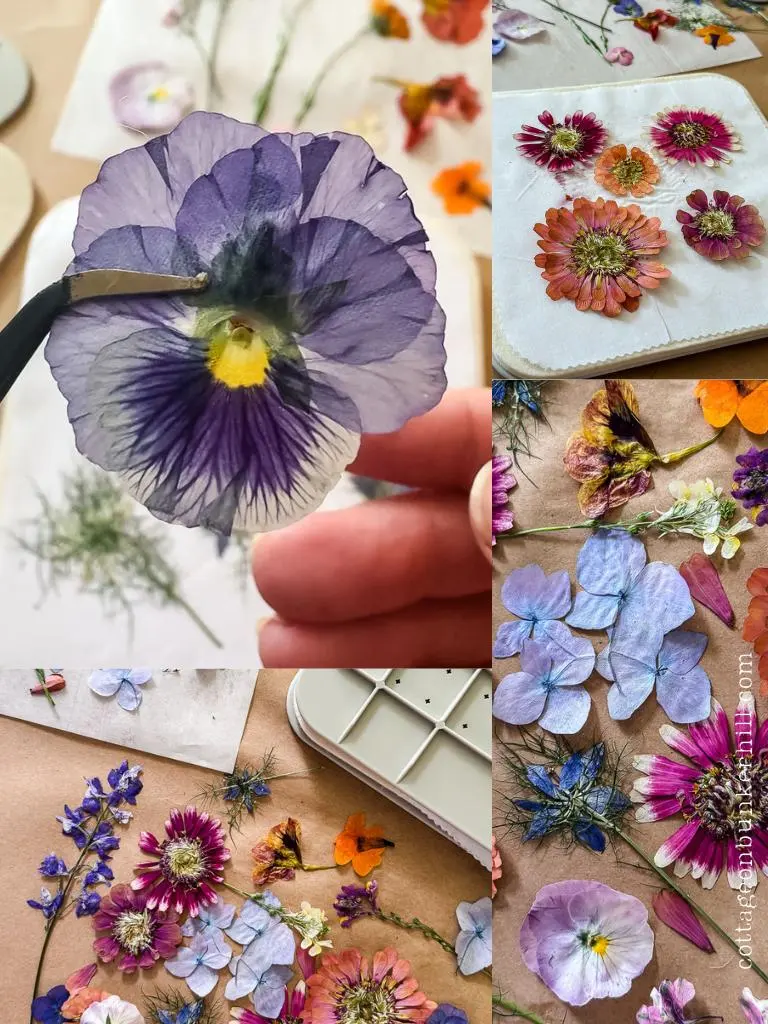
Pressing flowers is a faster alternative, typically taking one to two weeks. This method is ideal for flat flowers like pansies, daisies, or individual petals. Using a heavy book or a wooden flower press, you apply constant pressure to flatten the plant material. Silica gel, a granular desiccant, is the fastest method of all. By burying delicate blooms like peonies or zinnias in a container of silica gel, you can achieve perfectly dried flowers in as little as three to five days. This method is superior for maintaining the three-dimensional shape and original color intensity of complex, multi-layered flowers.
Common mistakes when drying flowers
Many beginners fail because they choose the wrong environment or harvest flowers at the wrong stage of their life cycle. One of the most frequent errors is placing drying flowers in direct sunlight. While sunlight is necessary for growth, it acts as a bleaching agent once the flower is cut, causing vibrant reds and blues to turn dull or brown within days. Always choose a dark, shaded location to preserve the natural pigments of the petals.
Another common mistake involves overcrowding the drying space. If bundles are packed too tightly together, air cannot circulate, which traps moisture and invites fungal growth. Furthermore, failing to remove excess foliage leads to slow drying times and potential rot. If you notice any signs of mold or a musty smell, discard the affected stems immediately to prevent the spores from spreading to your other bundles. Finally, do not wait until the flowers are wilting or browning on the plant before harvesting. Once a flower begins to decay on the stem, it is too late to preserve it effectively.
Why color fading happens in dried flowers
Color loss is a natural part of the drying process, but it can be managed with proper technique. The primary cause of fading is exposure to ultraviolet light, which breaks down the pigments in the petals. Even after the flowers are fully dried, keeping them away from windows and bright lamps will significantly extend their lifespan. Some flowers, like blue delphiniums, are naturally more prone to fading regardless of the method used.
To maintain the best results, some enthusiasts use a light misting of unscented hairspray or a specialized floral sealant once the flowers are completely dry. This creates a protective barrier against humidity and dust. However, be cautious, as too much sealant can make the petals look artificial or sticky. If you want to preserve the most vibrant colors, the silica gel method is your best option, as it pulls moisture out rapidly, effectively freezing the pigments in place before they have a chance to degrade. With the right environment and careful handling, your dried arrangements will remain a beautiful, long-lasting feature of your home decor.
Key facts
- Air drying is the most effective method for sturdy flowers like lavender, statice, and baby’s breath.
- Silica gel is a desiccant that preserves vibrant colors and delicate shapes by drawing out moisture rapidly.
- Always remove excess foliage from stems before drying to improve airflow and prevent mold growth.
- Keep drying flowers away from direct sunlight to prevent the pigments from fading or turning brown.
- Use a hairspray mist on finished dried arrangements to provide a protective coating and reduce brittleness.
- Flowers should be harvested in the morning after the dew has evaporated but before the sun is at its peak.
The bottom line
Drying flowers is a rewarding way to preserve botanical beauty for long-term display. By selecting the right method—such as air drying, pressing, or using desiccants—you can maintain the integrity and color of your favorite blooms. Always ensure your environment is dry and dark to achieve the best results. With patience and proper technique, you can create lasting arrangements that capture the essence of nature.
People also ask
How long does it take for flowers to air dry?
Most flowers require two to three weeks to dry completely when hung upside down in a dark, well-ventilated area. Thicker blooms may take slightly longer depending on the humidity levels in your home.
Can I dry flowers in the microwave?
Yes, placing flowers between layers of silica gel in a microwave-safe container can dry them in minutes. Use short bursts of power, typically 30 to 60 seconds, to avoid burning the petals.
Why do my flowers turn brown when I try to dry them?
Browning usually occurs due to slow drying times, high humidity, or exposure to direct light. Ensure your drying space has good circulation and is kept in a cool, dark environment.
Which flowers are best for pressing?
Flat-faced flowers like pansies, daisies, and violets are ideal for pressing. You can also press individual petals or thin leaves for use in decorative crafts or framed art.
Should I use a dehydrator to dry flowers?
A food dehydrator can be used on the lowest setting for delicate blooms. This method is faster than air drying but requires careful monitoring to ensure the petals do not become overly brittle.
How can I tell if my flowers are fully dry?
A flower is completely dry when the stems feel rigid and the petals have a papery texture. If the stem bends easily or feels soft, it still contains moisture and needs more time.
This answer was created with the help of AI research tools and reference sources. Spotted an error? Let us know — we correct mistakes quickly. See our editorial policy.