How do you paint flowers with acrylic paint?
Short answer
Painting flowers with acrylics involves building layers from dark to light on a primed surface. You should begin by sketching basic shapes, applying base colors, and finishing with highlights and fine details. Because acrylics dry quickly, work in small sections and keep your brushes moist to maintain smooth, vibrant color blending.
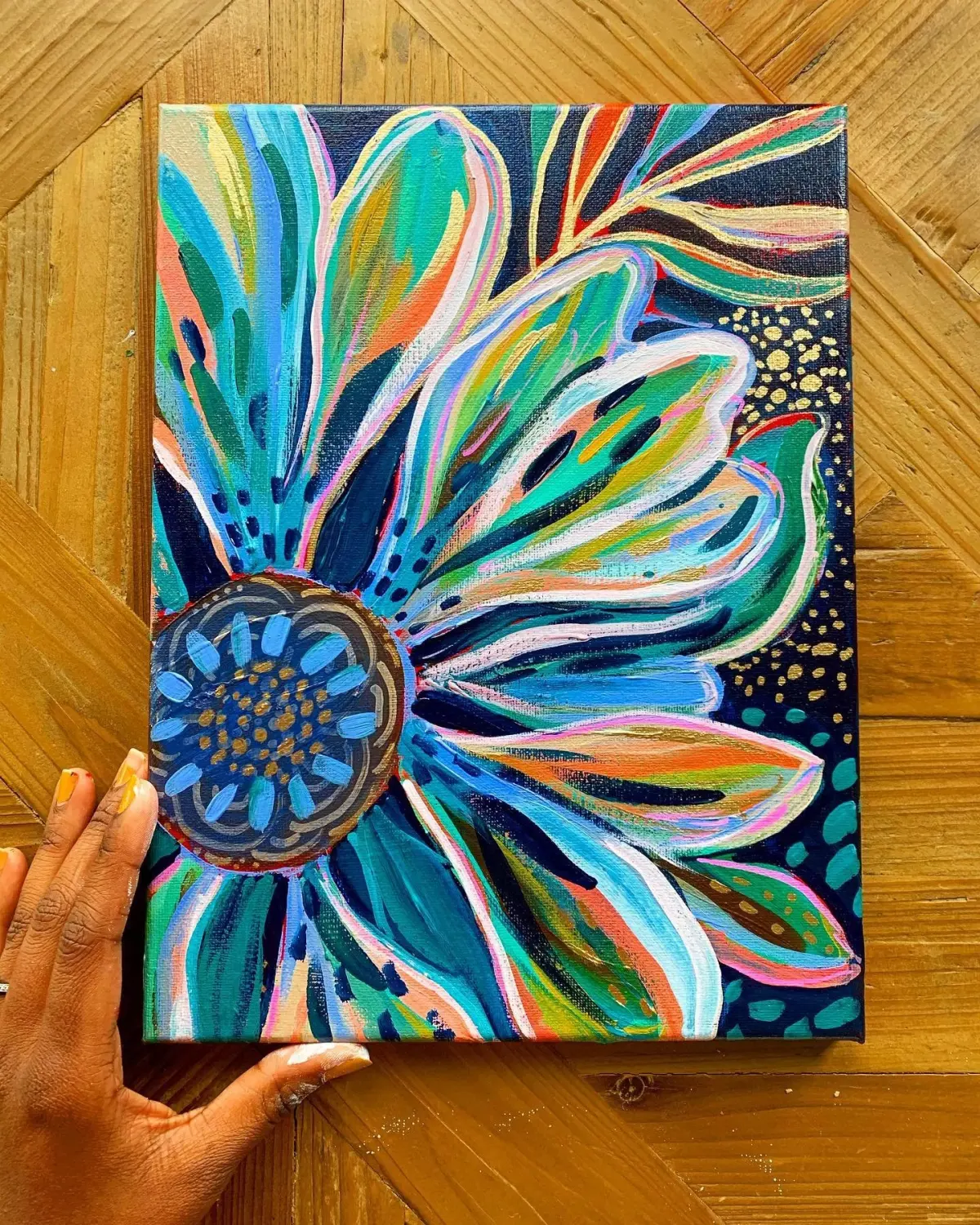
On this page
What supplies do I need for acrylic flower painting?
To begin painting flowers, you need a basic set of acrylic paints, brushes, and a surface. For beginners, a starter set of heavy-body acrylics in primary colors, plus white and black, allows you to mix almost any shade. Synthetic brushes are ideal for acrylics because they are durable and clean easily with water. You should choose a mix of round brushes for petals and flat brushes for backgrounds or larger leaves.
Your painting surface should be primed with gesso to prevent the paint from soaking into the fibers. You can use stretched canvas, canvas panels, or heavy-weight mixed media paper. A palette is essential for mixing colors, and a water container is necessary to keep your brushes from drying out. Having a spray bottle of water nearby helps keep your paint workable on the palette for longer periods.
- Acrylic paint set (heavy body or fluid)
- Synthetic brushes (round, flat, and filbert shapes)
- Stretched canvas or primed paper
- Water container and paper towels
- Palette for mixing colors
- Spray bottle for moisture
How do I mix colors for realistic flowers?
Mixing colors is the most critical step in capturing the natural appearance of flowers. Instead of using paint directly from the tube, try mixing two or three colors to create depth. For example, to paint a red rose, mix a deep crimson with a touch of blue for the shadows, and use a lighter orange-red for the highlights. This technique adds dimension and prevents your flowers from looking flat or cartoonish.
When mixing, always start with the lightest color and add darker pigments sparingly. Acrylics dry slightly darker than they appear when wet, so keep this shift in mind during the process. If you are aiming for a realistic look, observe your subject closely to identify the subtle color shifts in the petals. Often, a petal is not just one solid color but a gradient of light and shadow that defines its curve.
- Squeeze small amounts of primary colors onto your palette.
- Mix a base color that matches the mid-tone of your flower.
- Add white to create highlights and a darker shade to create shadows.
- Test the color on a scrap piece of paper before applying it to your canvas.
How to paint flower petals step by step?
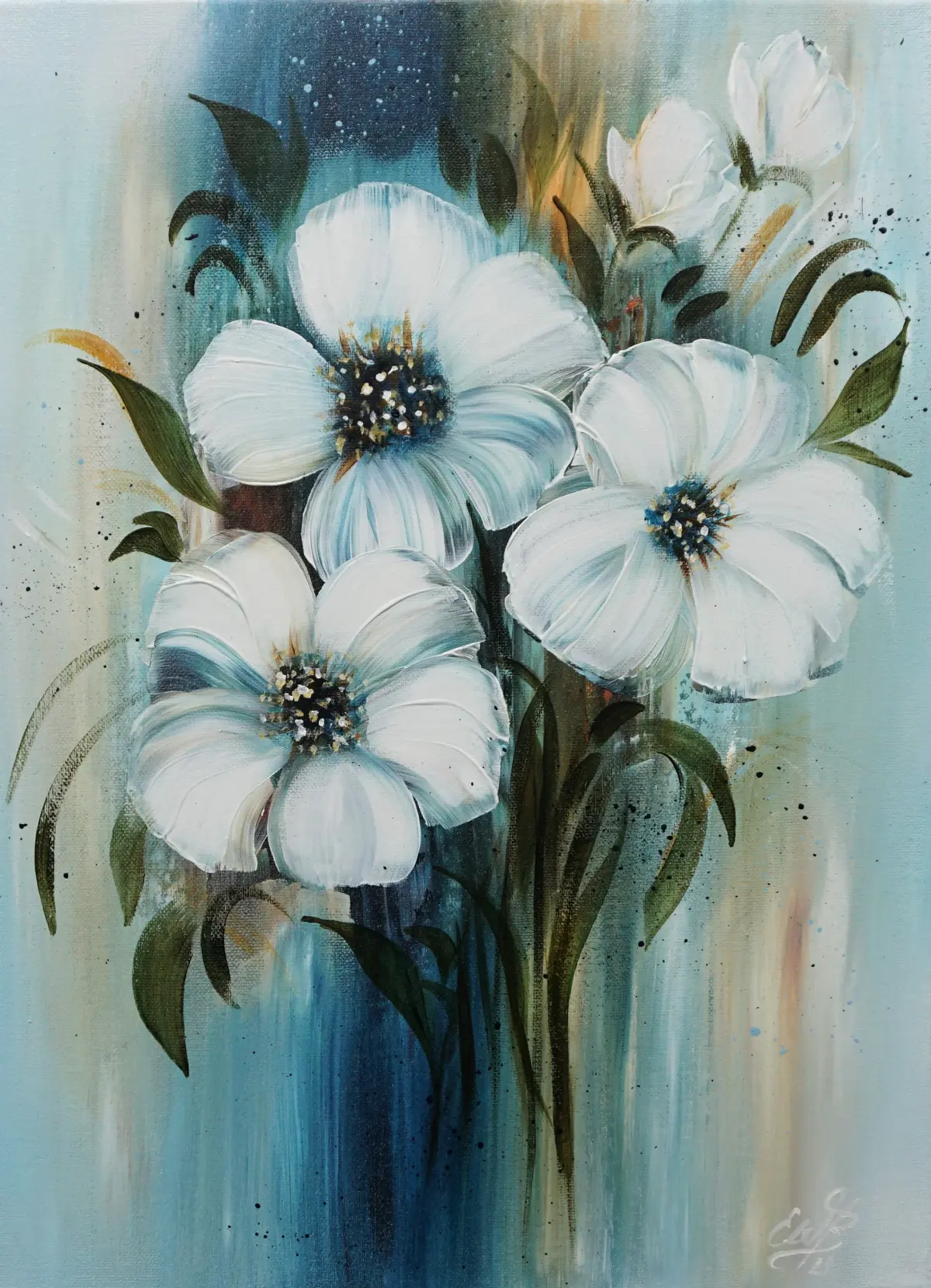
Painting petals requires a combination of structural planning and loose brushwork. Start by sketching the overall shape of the flower head using a light pencil or a thinned-down paint color. Once the structure is set, apply the base color to each petal, focusing on the mid-tones. Work from the center of the flower outward, as this helps establish the perspective and depth of the bloom.
After the base layer is dry, add your shadows to the areas where petals overlap or fold. Use a smaller brush to apply highlights along the edges of the petals where the light hits most directly. Avoid over-blending your colors, as this can lead to a muddy appearance. Instead, layer thin coats of paint, allowing each one to dry slightly before adding the next to keep the colors crisp and distinct.
- Use a filbert brush to create the rounded shape of petals.
- Leave small gaps between petals to suggest depth and separation.
- Add a tiny dot of bright white to the highest point of a petal for a realistic sheen.
- Vary the pressure of your brush to make some petals appear thicker than others.
What are common mistakes when painting flowers?
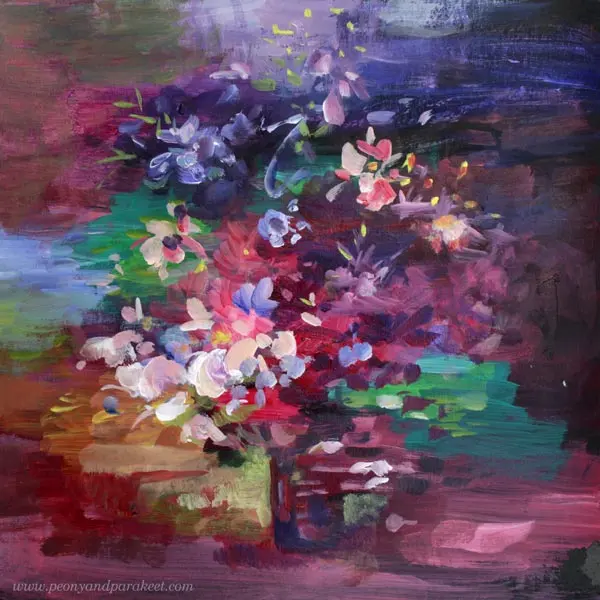
One of the most frequent mistakes is using too much water, which thins the acrylic paint until it loses its vibrancy and becomes streaky. Acrylics are water-soluble, but adding too much water breaks down the binder, leading to a weak finish. If you want a watercolor effect, use a specific acrylic medium instead of plain water. Another common error is neglecting the background, which can make the flowers look like they are floating in space.
Beginners often get bogged down in microscopic details too early in the process. It is better to establish the overall composition and color balance before refining the edges of individual petals. Additionally, failing to clean brushes immediately after use can ruin them, as dried acrylic paint is nearly impossible to remove from synthetic bristles. Always rinse your brushes thoroughly and reshape the bristles before letting them air dry completely.
- Over-blending colors until they turn a muddy brown or gray.
- Painting every single petal with the same level of detail, which kills the focal point.
- Using a brush that is too small for the area being painted.
- Forgetting to paint the stem and leaves with the same attention to light and shadow.
How to add final details to my painting?
Final details are what bring a painting to life and provide a sense of professional polish. Once the main petals and leaves are dry, use a fine-liner brush to add crisp lines, such as the veins in a leaf or the delicate stamens in the center of a flower. These small additions provide visual interest and guide the viewer's eye across the canvas. You can also use a dry-brush technique to add texture to the foliage or the flower center.
Check your painting from a distance to see if the overall composition feels balanced. If a specific area looks too dark or flat, a thin glaze of a lighter color can help lift the image. Glazing involves mixing a small amount of paint with an acrylic gloss medium to create a transparent layer. This technique adds a luminous quality to the petals that opaque paint alone cannot achieve, effectively completing your floral masterpiece.
Key facts
- Acrylic paint dries rapidly, often within 10 to 20 minutes, allowing for quick layering of petals.
- Use a synthetic-bristle brush to maintain control, as natural hair brushes can become overly soft when wet.
- Mix a small amount of water or a glazing medium into your paint to achieve a translucent, watercolor-like effect for delicate petals.
- Apply a base coat of a neutral color to your canvas to help judge the true value of your floral colors.
- Clean your brushes immediately after use, as dried acrylic paint is permanent and difficult to remove from bristles.
- Paint from the background forward, starting with leaves and stems before adding the final highlights to the flower heads.
The bottom line
Painting flowers with acrylics is an accessible process that rewards patience and layering. By mastering the balance of water and pigment, you can build depth through shadows and highlights. Remember to work from the background to the foreground and keep your brushes clean to ensure success. With consistent practice and the right tools, you will soon be able to capture the vibrant, fleeting beauty of nature.
People also ask
How do I keep acrylic paint from drying too fast on my palette?
Use a stay-wet palette, which consists of a damp sponge underneath a sheet of parchment paper. Alternatively, mist your paint occasionally with a spray bottle filled with water to maintain a workable consistency.
Should I use a primer on my canvas before starting?
Yes, applying a coat of gesso creates a smooth, non-porous surface that prevents the paint from soaking into the fabric. This ensures your colors remain vibrant and makes it easier to move the paint across the surface.
How can I create a sense of depth in my flowers?
Use darker shades at the base of the petals or where they overlap to create shadows. Add lighter, brighter colors to the tips or areas where light hits the flower to make them appear three-dimensional.
Can I blend colors directly on the canvas?
Because acrylics dry quickly, blending on the canvas requires working while the paint is still wet. You can use a retarder medium to extend the drying time, giving you more window to transition between colors.
What is the best way to paint fine details like stamens?
Use a small, round detail brush with a sharp point. Load the brush with a thick, creamy consistency of paint and apply it with a light touch once the surrounding petals are completely dry.
How do I fix a mistake in my painting?
Simply wait for the paint to dry completely and then paint over the error with a new layer. Acrylics are opaque enough that one or two coats will effectively cover any unwanted marks.
This answer was created with the help of AI research tools and reference sources. Spotted an error? Let us know — we correct mistakes quickly. See our editorial policy.