Why are sunsets red and orange?
Short answer
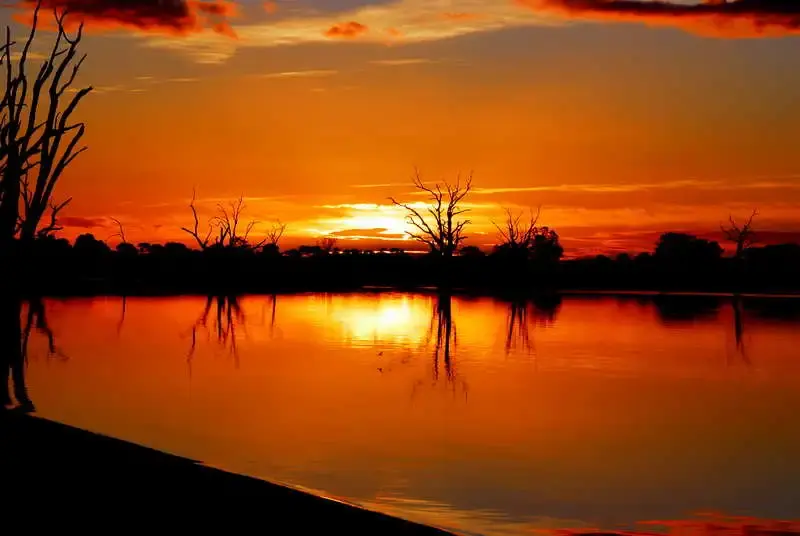
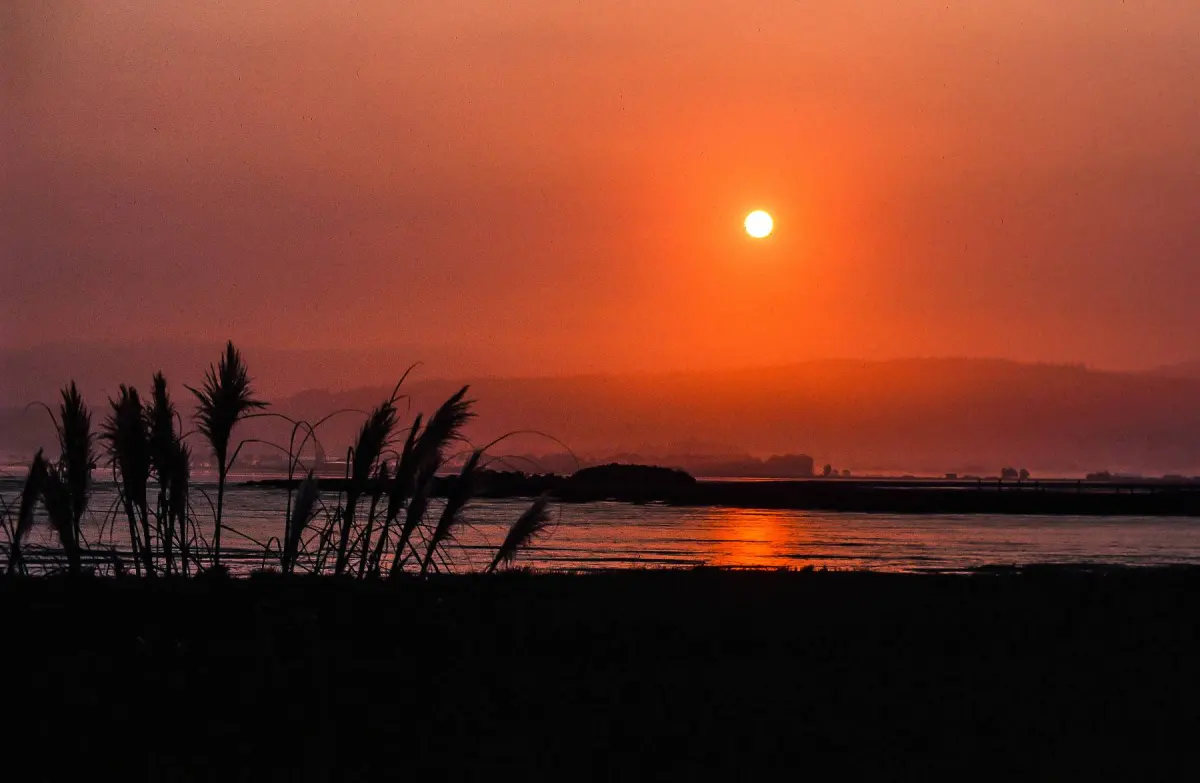
Sunsets appear red and orange because sunlight must travel through a thicker layer of Earth’s atmosphere when the sun is low on the horizon. This distance causes shorter blue and violet light waves to scatter away, leaving only the longer-wavelength red, orange, and yellow light to reach your eyes directly.
On this page
Why does sunlight change color
Sunlight appears white to the human eye, but it is actually composed of a spectrum of all visible colors. When this light enters the atmosphere, it interacts with gas molecules, nitrogen, oxygen, and tiny particles like dust or water droplets. This process is known as Rayleigh scattering, named after the 19th-century physicist Lord Rayleigh, who mathematically described how light waves behave when they strike particles smaller than their own wavelengths.
Blue light has a shorter wavelength and scatters more easily in all directions when it hits atmospheric molecules. During the day, when the sun is high overhead, this scattered blue light reaches your eyes from every part of the sky, giving the heavens their familiar azure hue. As the sun moves toward the horizon, the path the light must travel through the atmosphere increases significantly, forcing the rays to pass through much more air and particulate matter before they reach you.
How the atmosphere filters light
As the sun descends, the light encounters a much longer path through the dense lower atmosphere. Because the blue and violet components of the spectrum are scattered away almost entirely during this extended journey, they rarely reach the observer’s line of sight. The remaining light is dominated by longer wavelengths, which are less prone to scattering. These longer waves—specifically red, orange, and yellow—pass through the atmosphere with less interference.
The composition of the atmosphere also plays a vital role in the intensity of these colors. If the air contains high levels of aerosols, such as volcanic ash, smoke from wildfires, or industrial pollutants, the scattering effect is amplified. These particles can create exceptionally vivid sunsets by intercepting even more of the shorter wavelengths. The following factors influence the specific shades you see:
- Atmospheric thickness: The angle of the sun determines how much air the light must penetrate.
- Humidity: Water vapor can scatter light differently, often muting or enhancing colors.
- Particulates: Dust, salt crystals, and smoke act as scattering centers for light.
- Cloud cover: Clouds reflect and diffuse the remaining red light, creating dramatic displays.
What makes a sunset more vibrant
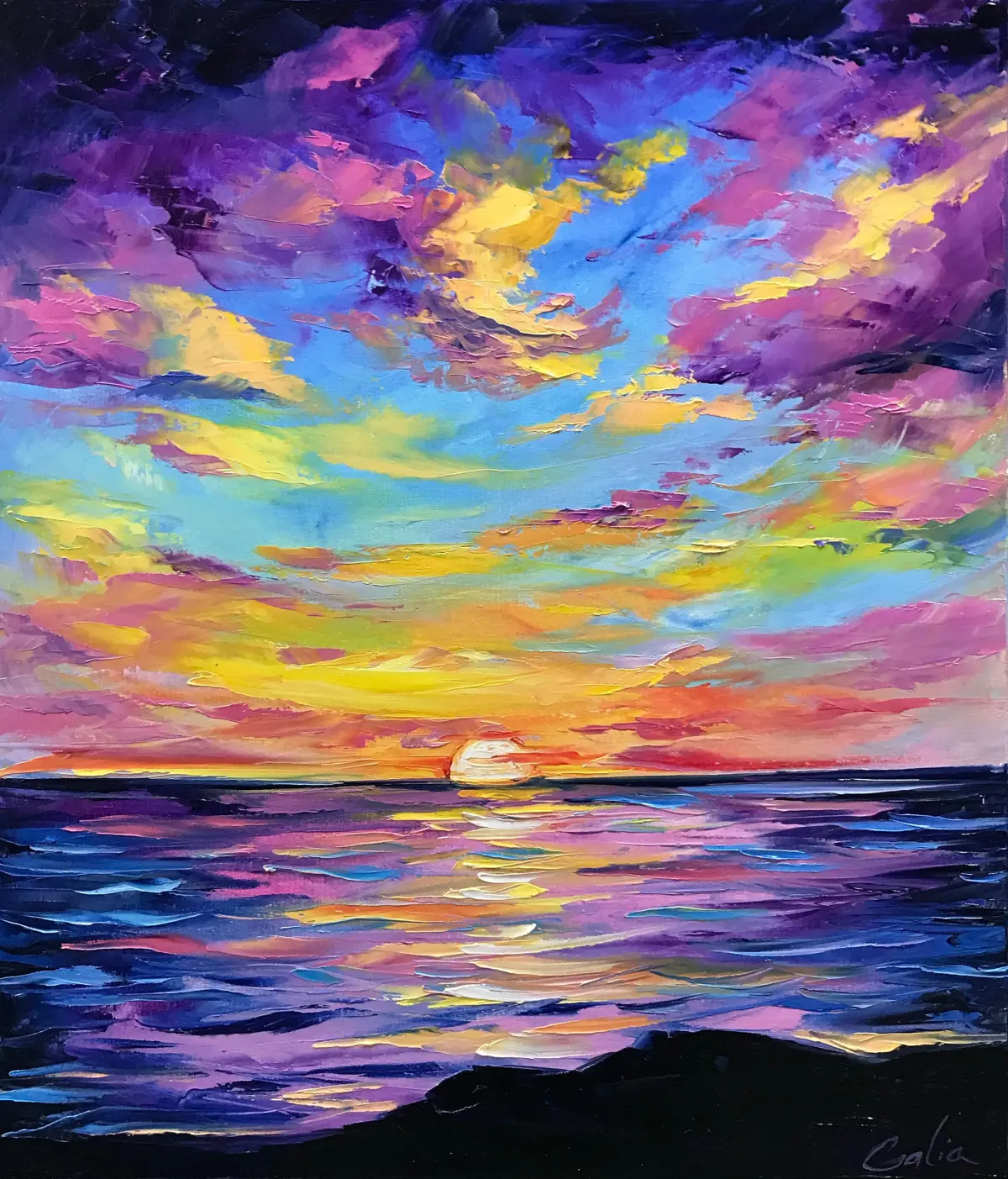
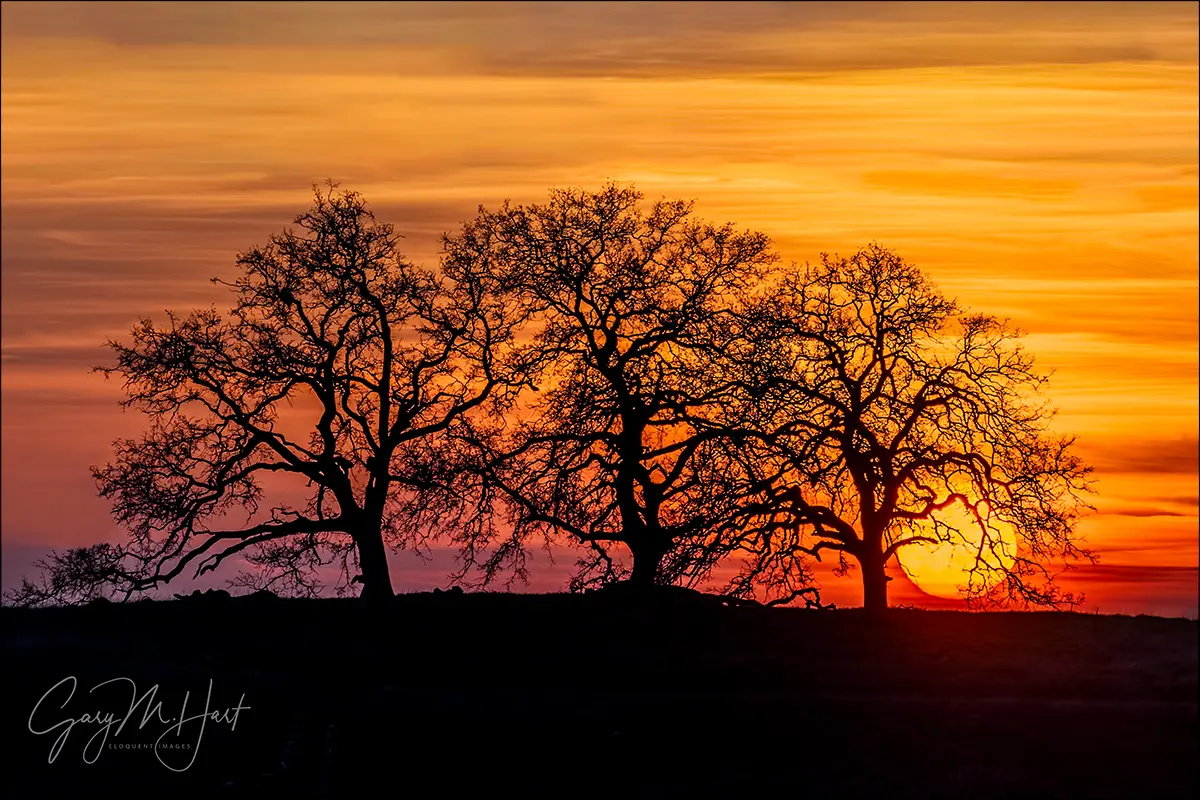
Not all sunsets are created equal, and atmospheric conditions are the primary driver of color variety. A clear, dry day often results in a relatively pale sunset, whereas a sky filled with high-altitude clouds can catch the late-day light and reflect it back to the ground. These clouds act like a canvas, turning the red and orange light into brilliant streaks across the horizon.
To predict or observe the most intense colors, consider the following environmental variables:
- Look for high-altitude clouds, such as cirrus, which catch the sun’s rays long after it has set for those on the ground.
- Check for recent weather patterns; a cold front that clears out haze can leave the air crisp, while a slightly hazy day can provide more particles to scatter light.
- Find a location with a low horizon, such as a beach or a flat plain, to ensure you see the sun until the very last moment of its descent.
- Avoid areas with heavy light pollution, as the artificial glow can wash out the subtle transitions of the twilight colors.
Common mistakes when viewing sunsets
Many observers fail to appreciate the full transition of a sunset because they look away too early. The most intense colors often appear after the sun has physically dropped below the horizon. This phenomenon occurs because the light is still illuminating the upper layers of the atmosphere, which then reflects that light down to your position. Waiting for an extra 15 to 20 minutes after the sun disappears is the best way to capture the "afterglow."
Another common error is focusing solely on the sun itself rather than the entire sky. While the area immediately surrounding the sun is the brightest, the most beautiful colors often develop in the opposite direction of the horizon or in the clouds overhead. Beginners frequently make these mistakes:
- Staring directly at the sun, which can cause eye strain and prevent you from seeing the peripheral colors.
- Leaving the viewing spot the moment the sun touches the horizon line.
- Ignoring the "Belt of Venus," a pinkish band that appears in the sky opposite the setting sun.
How to photograph sunset colors
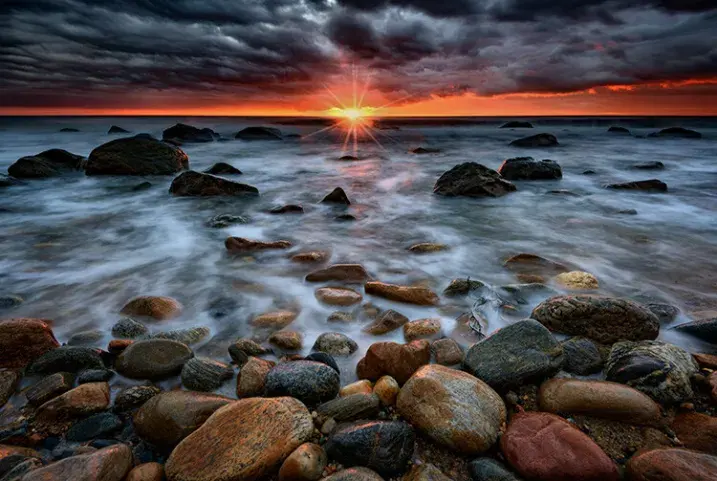
Capturing the beauty of a sunset requires more than just pointing a camera at the horizon. Because the dynamic range of a sunset—the difference between the bright sun and the dark foreground—is vast, cameras often struggle to balance the exposure. If you expose for the sky, the ground becomes a black silhouette; if you expose for the ground, the sky becomes a blown-out, white mess.
To achieve professional-looking results, use these techniques:
- Use a tripod to keep the camera steady, especially if you are shooting in low light as the sun disappears.
- Lower your exposure compensation to ensure the deep oranges and reds are saturated rather than washed out.
- Shoot in RAW format to allow for better color correction during post-processing.
- Experiment with a long focal length to make the sun appear larger in the frame relative to the landscape.
- Use a polarizing filter to reduce glare and enhance the contrast of the clouds against the sky.
Key facts
- Sunlight is composed of all the colors of the rainbow, which combine to appear white to the human eye.
- Rayleigh scattering occurs when sunlight interacts with gas molecules in Earth's atmosphere, scattering shorter blue and violet wavelengths more strongly than longer red ones.
- During sunset, the sun is low on the horizon, forcing light to travel through a much thicker layer of the atmosphere to reach your eyes.
- By the time sunlight reaches you at sunset, most of the blue light has been scattered away, leaving only the longer-wavelength reds, oranges, and yellows.
- Aerosols, dust, and pollution in the air can enhance sunset colors by scattering even more light and creating deeper hues.
- To photograph sunsets, use a manual white balance setting to prevent the camera from automatically "correcting" the warm colors back to neutral tones.
The bottom line
Sunsets appear red and orange because of Rayleigh scattering, a process where Earth’s atmosphere filters out shorter blue light waves as sunlight travels a longer distance at the horizon. Only the longer, warmer wavelengths reach your eyes, creating the iconic colors. Factors like atmospheric thickness, humidity, and particle density determine the intensity of these displays, transforming a standard sunset into a unique, fleeting masterpiece of natural physics.
People also ask
Why is the sky blue during the day?
When the sun is high in the sky, sunlight travels through a shorter path of the atmosphere. Blue light, which has a shorter wavelength, is scattered in all directions by gas molecules, making the sky appear blue to our eyes.
Do sunsets look different on other planets?
Yes, the color of a sunset depends on the composition of a planet's atmosphere. For example, sunsets on Mars appear blue because the fine dust in its thin atmosphere scatters light differently than Earth's gases.
Does air pollution make sunsets more vibrant?
Yes, increased levels of particles like dust, smoke, or pollutants can scatter light more intensely. While this often leads to more dramatic, vivid red and orange displays, it can also mute colors if the particle density is too high.
Why do some sunsets look purple?
Purple sunsets occur when there is a specific balance of red light scattering and the presence of high-altitude clouds or aerosols. The red light mixes with the remaining scattered blue light, creating a violet or lavender hue in the sky.
Is it safe to look directly at a sunset?
It is generally safe to look at the sun when it is touching the horizon, as the thick atmosphere filters out much of the harmful intensity. However, you should never look directly at the sun when it is higher in the sky, as it can cause permanent eye damage.
Why are some sunsets gray or colorless?
If the atmosphere is thick with low-level clouds, fog, or heavy haze, the light cannot penetrate effectively to reach the observer. This results in a dull, gray, or washed-out appearance rather than a vibrant display of color.
This answer was created with the help of AI research tools and reference sources. Spotted an error? Let us know — we correct mistakes quickly. See our editorial policy.