What is the most popular flower in the world?
Short answer
The rose holds the title of the world’s most popular flower. Celebrated for its diverse range of colors, intoxicating fragrance, and deep historical significance, it dominates the global floral industry. Whether cultivated in home gardens or sold as cut stems for romantic gestures, the rose remains the universal symbol of love.

On this page
Why is the rose the most popular flower?
The rose has maintained its status as the world’s most popular flower due to its incredible versatility and rich cultural symbolism. With over 300 species and tens of thousands of cultivars, roses have been bred to thrive in various climates, from temperate gardens to Mediterranean landscapes. This adaptability ensures that enthusiasts across the globe can enjoy them in their own backyards.
Beyond their physical beauty, roses carry profound emotional weight. They have been central to human history, appearing in ancient mythology, literature, and art for millennia. Today, they are the primary choice for Valentine’s Day, weddings, and anniversaries. Their ability to convey complex sentiments—ranging from deep passion to platonic friendship—solidifies their status as the gold standard in the floral market.
How to grow roses for beginners
Growing roses is a rewarding endeavor if you understand the basic requirements of these perennial shrubs. Most roses thrive in locations that receive at least six hours of direct sunlight daily and require soil with excellent drainage to prevent root rot. Before planting, it is essential to enrich your garden bed with organic matter like compost to provide necessary nutrients.
For those just starting out, consider these steps to ensure success:
- Select "disease-resistant" varieties, such as Knock Out roses, which require less maintenance than hybrid teas.
- Dig a hole twice as wide as the root ball and deep enough so the graft union sits just above the soil line.
- Water deeply at the base of the plant rather than overhead to keep the foliage dry and prevent fungal issues.
- Apply a balanced fertilizer in early spring as new growth begins to appear.
How long do roses last as cut flowers?
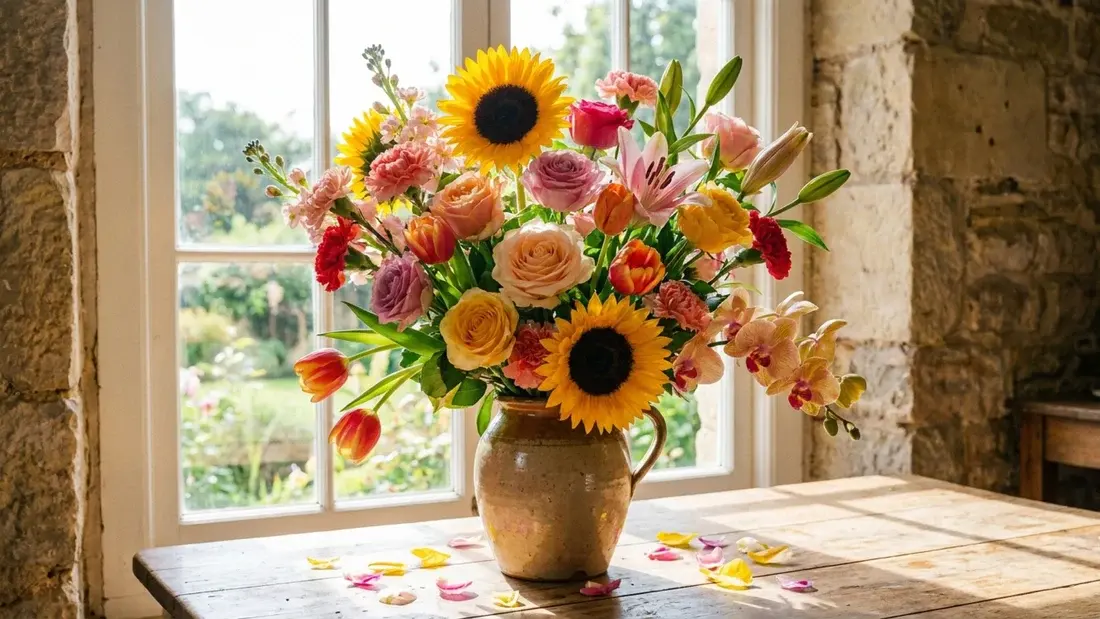
The longevity of a cut rose depends largely on the variety and the care it receives after being harvested. On average, a well-maintained vase of roses can last between seven and ten days. To maximize this lifespan, professional florists recommend cutting the stems at a 45-degree angle under running water, which prevents air bubbles from blocking the plant's vascular system.
To keep your bouquet looking fresh, follow this simple routine:
- Remove all foliage that falls below the waterline, as decaying leaves promote bacterial growth.
- Use the provided floral preservative packet to nourish the blooms and inhibit bacteria.
- Trim the stems by half an inch every two days to maintain efficient water uptake.
- Keep the vase away from direct sunlight, heating vents, and ripening fruit, which releases ethylene gas that accelerates wilting.
Why do roses have thorns?
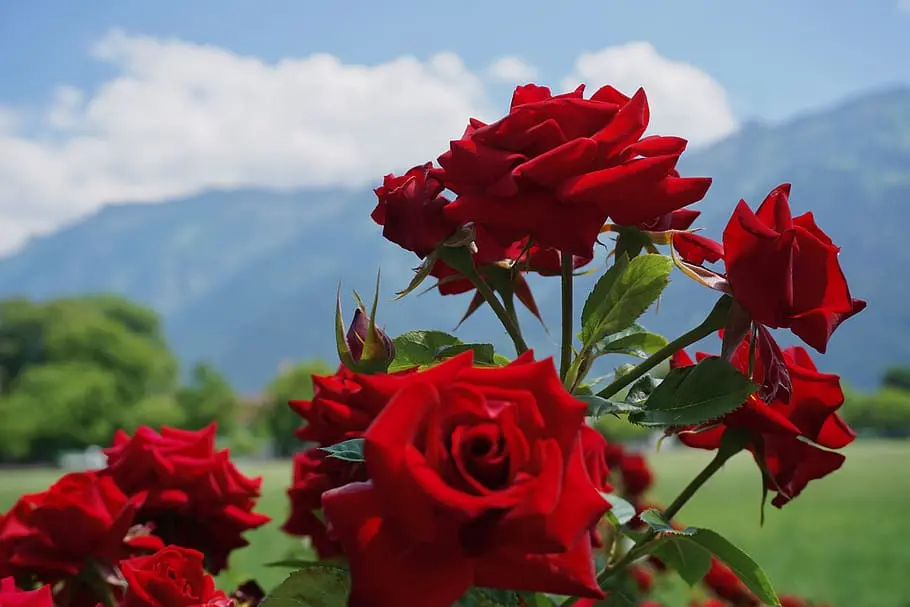
Many people mistakenly refer to the sharp outgrowths on rose stems as thorns, but they are botanically classified as prickles. Unlike true thorns, which are modified branches, prickles are extensions of the plant's epidermis, or outer skin. These structures serve as a vital defense mechanism, protecting the plant from herbivores that might otherwise graze on the tender stems and leaves.
The evolution of these structures has been highly effective in the wild, allowing roses to survive in environments where they are frequently targeted by deer or other mammals. While modern breeding has occasionally produced "thornless" varieties for the convenience of gardeners, these plants are often more vulnerable to pests. Understanding that these prickles are a natural survival tool helps gardeners appreciate the plant's inherent resilience in the face of environmental pressures.
Common mistakes when caring for roses
One of the most frequent errors gardeners make is overwatering, which creates a soggy environment that encourages root rot and black spot disease. Roses prefer consistent moisture but detest "wet feet." Another common oversight is failing to prune properly; roses require annual pruning to remove dead wood and encourage airflow through the center of the bush. Without this, the plant becomes congested, making it a prime target for aphids and powdery mildew.
Additionally, many growers neglect the importance of soil pH. Roses prefer slightly acidic soil with a pH between 6.0 and 6.5. If the soil is too alkaline, the plant will struggle to absorb iron, leading to yellowing leaves, a condition known as chlorosis. By testing your soil annually and applying a mulch layer to retain moisture and suppress weeds, you can avoid these pitfalls and ensure your roses remain healthy, vibrant, and productive throughout the entire growing season.
Key facts
- The rose is widely considered the most popular flower in the world, serving as a global symbol of love and beauty.
- Over 150 species and thousands of rose cultivars exist, ranging from miniature varieties to climbing shrubs.
- Roses thrive in locations that receive at least six hours of direct sunlight daily.
- To encourage blooming, prune rose bushes in early spring just as the buds begin to swell.
- Avoid overhead watering, which can promote fungal diseases like black spot on the foliage.
- Roses are commercially significant, with the cut-flower industry generating billions of dollars in trade annually.
The bottom line
While floral popularity can vary by region and season, the rose remains the undisputed global favorite due to its vast diversity and cultural significance. Whether you are cultivating a garden or selecting a bouquet, understanding basic care—such as proper sunlight exposure and hydration—ensures these blooms thrive. By focusing on these fundamental needs, you can enjoy the beauty and fragrance of the world’s most iconic flower.
People also ask
Which flowers are the most popular for weddings?
Roses, peonies, and ranunculus are the top choices for weddings due to their elegant appearance and availability. White roses are particularly favored for their classic, timeless aesthetic.
What is the easiest flower to grow for beginners?
Zinnias and marigolds are excellent choices for beginners because they grow quickly from seed and require minimal maintenance. They are highly resilient and bloom prolifically throughout the summer months.
How can I keep cut flowers fresh for longer?
Trim the stems at a 45-degree angle under running water to maximize surface area for hydration. Change the vase water every two days and remove any leaves that fall below the waterline to prevent bacterial growth.
Which flowers are the most fragrant?
Jasmine, gardenias, and tuberose are renowned for their intense, sweet scents. These flowers are often used in the perfume industry to create high-end floral fragrances.
Are there flowers that bloom in the winter?
Yes, hellebores, also known as Christmas roses, and winter jasmine are capable of blooming during colder months. These plants are ideal for adding color to a garden when most other vegetation is dormant.
Why do some flowers close at night?
This phenomenon, known as nyctinasty, is a protective mechanism that shields the flower's reproductive organs from nighttime dew, cold, or nocturnal insects. Many species, such as tulips and poppies, exhibit this behavior.
This answer was created with the help of AI research tools and reference sources. Spotted an error? Let us know — we correct mistakes quickly. See our editorial policy.