What is the birth flower for each month?
Short answer
Birth flowers are specific blooms traditionally associated with each month of the calendar year. These symbolic associations often derive from historical folklore, seasonal availability, and Victorian-era floral language. While variations exist across different cultures, the modern standard list provides a consistent guide for gifting and personal celebration throughout the year.
On this page
What are the birth flowers for each month?
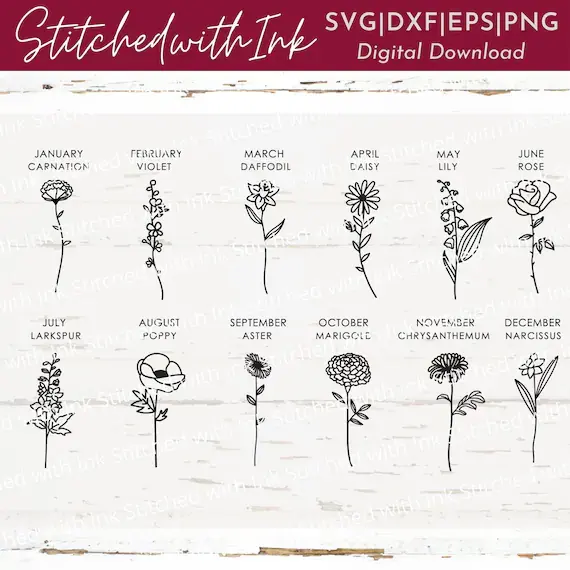
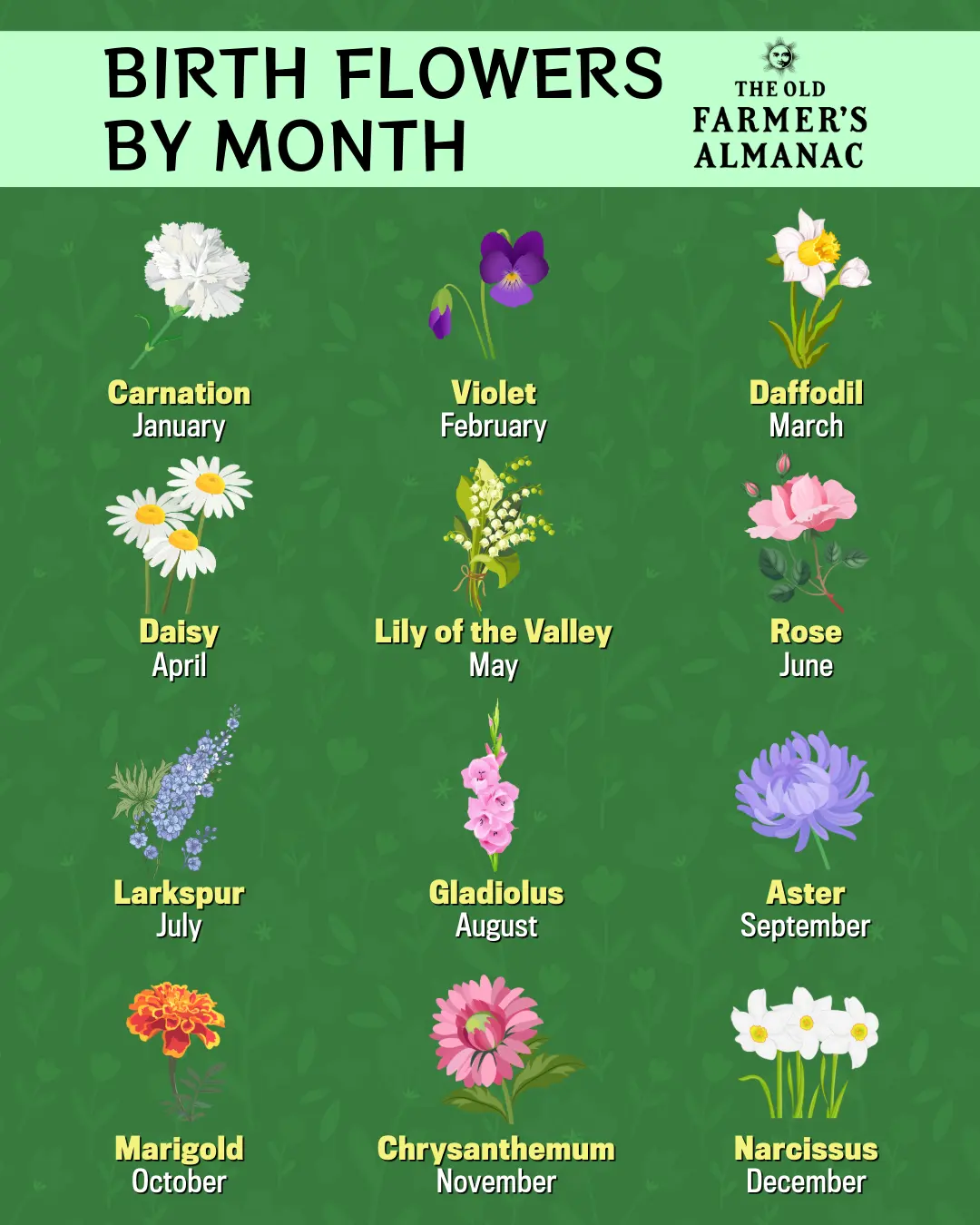
The tradition of assigning a flower to each month is rooted in the seasonal cycles of the Northern Hemisphere. These flowers are often chosen because they typically bloom during their respective months, reflecting the natural progression of the seasons. While some months have multiple traditional associations, the following list represents the most widely accepted standard in contemporary floristry.
- January: Carnation and Snowdrop
- February: Violet and Primrose
- March: Daffodil
- April: Daisy and Sweet Pea
- May: Lily of the Valley and Hawthorn
- June: Rose and Honeysuckle
- July: Larkspur and Water Lily
- August: Gladiolus and Poppy
- September: Aster and Morning Glory
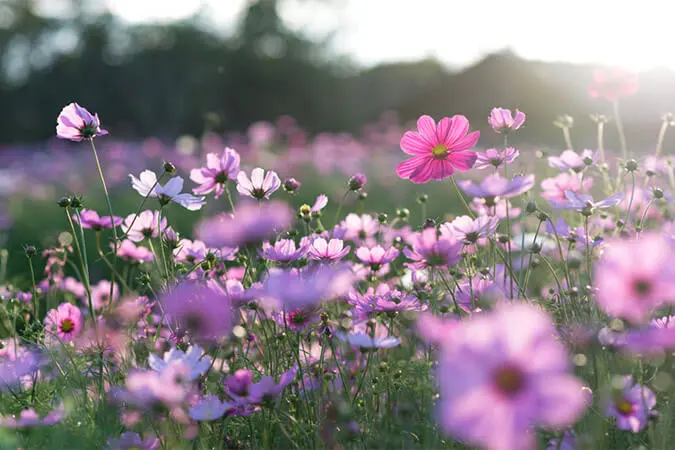
- October: Marigold and Cosmos
- November: Chrysanthemum
- December: Narcissus and Holly
Understanding these associations allows for more thoughtful gift-giving. By selecting a flower that corresponds to a recipient's birth month, you add a layer of personal significance and historical context to a floral arrangement.
How to choose the right birth flower for gifts
Selecting a birth flower requires balancing personal preference with availability. If the official birth flower is out of season in your region, consider choosing a high-quality silk alternative or a potted plant that can be kept indoors. Many florists can source specific varieties if given enough lead time, so it is best to place orders at least one week in advance.
When presenting a birth flower, consider the meaning behind the bloom to enhance the gesture. For instance, the rose of June represents love and passion, while the chrysanthemum of November traditionally symbolizes joy and longevity. You can include a small card explaining the historical significance of the flower, which adds a thoughtful, educational touch to your present. Always check for potential allergies before gifting flowers to ensure the recipient can safely enjoy the arrangement in their home or office.
Why do birth flowers have different meanings?
The practice of assigning meanings to flowers, known as floriography, gained immense popularity during the Victorian era. During this time, social etiquette often restricted direct communication, leading people to use flowers as a secret language to convey complex emotions. Each bloom, through its color, shape, and scent, was thought to represent specific virtues, warnings, or sentiments.
These meanings were influenced by mythology, religious symbolism, and botanical characteristics. For example, the snowdrop of January is often associated with hope and rebirth because it is one of the first flowers to emerge from the frozen winter soil. Conversely, the poppy of August has been linked to both sleep and remembrance throughout history. These cultural layers ensure that birth flowers serve as more than just decorative items; they act as symbolic links between the past and the present, carrying forward centuries of human interpretation and emotional expression.
Common mistakes when buying birth flowers
One frequent error is failing to account for the specific climate and seasonal availability of the flower. For example, trying to source a fresh lily of the valley in the middle of winter can be prohibitively expensive and often results in lower-quality blooms. If a flower is not naturally in season, it may have been imported from a great distance, which can affect its longevity and environmental impact.
- Ordering at the last minute without checking local availability.
- Ignoring the care requirements of the specific plant species.
- Forgetting to verify if the recipient has pets, as some birth flowers like lilies are toxic to cats.
- Assuming that a single flower variety is the only option for a specific month.
Always ask your florist about the freshness of the stems and the expected vase life. Taking the time to research the specific needs of the flower ensures the gift remains beautiful for as long as possible.
How to care for your birth flower arrangement
Proper maintenance is essential to extend the lifespan of your birth flowers once you bring them home. Start by cleaning your vase thoroughly with soap and water to remove any bacteria that could cause the stems to rot. Trim the stems at a 45-degree angle using sharp, clean shears, which increases the surface area for water absorption and prevents air bubbles from blocking the vascular system.
Replace the water every two days to keep it clear and free of debris. If your arrangement came with a packet of floral food, use it according to the instructions, as this provides necessary nutrients and helps prevent bacterial growth. Keep your flowers away from direct sunlight, heating vents, and ripening fruit, as the ethylene gas released by fruit can cause flowers to wilt prematurely. By following these simple steps, you can enjoy the beauty and symbolic significance of your birth flower for a much longer period.
Key facts
- Birth flowers are symbolic plants traditionally associated with the month of a person's birth.
- January is represented by the carnation, symbolizing love, fascination, and distinction.
- The violet and the primrose are the two primary flowers assigned to February.
- July's birth flowers are the larkspur and the water lily, which signify positivity and purity.
- Chrysanthemums, the birth flower for November, are widely associated with loyalty and honesty.
- When gifting birth flowers, ensure the recipient is not allergic to the specific pollen or plant type.
The bottom line
Birth flowers offer a meaningful and personalized way to celebrate birthdays by connecting nature with individual identity. By understanding the specific symbolism behind each month’s designated bloom, you can select thoughtful gifts that carry historical significance. Whether you choose to arrange a bouquet or plant a garden, these flowers remain a timeless tradition that bridges the gap between folklore and modern botanical appreciation for everyone.
People also ask
Can a month have more than one birth flower?
Yes, many months have multiple associated flowers due to different cultural traditions and historical floriculture practices. For instance, December is represented by both the narcissus and the holly.
Do birth flowers change based on the country?
While the traditional list is based on Victorian-era customs, some regions have adapted their birth flowers to reflect local native flora. Always check local traditions if you are gifting internationally.
Is there a difference between a birth flower and a birthstone?
Both serve as symbolic markers for a birth month, but birthstones are gemstones associated with zodiac signs or calendar months. Flowers are organic, seasonal, and often carry meanings related to emotional states.
What is the rarest birth flower to find in a standard shop?
The water lily for July is often difficult to source in traditional flower shops because it is an aquatic plant. You may need to visit a specialized nursery or botanical garden to find one.
Are birth flowers always seasonal?
Not necessarily, as modern greenhouse technology allows for the year-round availability of many species. However, gifting a flower that is in season is more sustainable and often more affordable.
Can I plant a birth flower garden?
You certainly can, provided you choose varieties that thrive in your specific hardiness zone. Research the soil and sunlight requirements for each flower before planting to ensure they survive the season.
This answer was created with the help of AI research tools and reference sources. Spotted an error? Let us know — we correct mistakes quickly. See our editorial policy.