How many babies do deer have?
Short answer
Most healthy adult female deer, known as does, typically give birth to one or two fawns each year. While first-time mothers often produce a single offspring, twins are common among mature deer in areas with abundant food. Triplets occur occasionally, though they are rare and often result from exceptional environmental conditions.
On this page
How many fawns do deer have?
The number of fawns a doe produces is primarily determined by her age, physical health, and the quality of her habitat. Yearlings, or deer that are roughly one year old, usually give birth to a single fawn during their first reproductive cycle. As these females mature and reach their prime reproductive years, they are much more likely to conceive twins.
Environmental factors play a significant role in litter size. In regions where high-quality forage is plentiful, deer populations often show higher rates of twinning. Conversely, in areas with poor nutrition or high population density, does may struggle to maintain the energy reserves necessary to support multiple embryos. Triplets are biologically possible but represent a small percentage of births, as the physical toll of nursing three fawns is significant for the mother.
How long is the deer gestation period?
White-tailed deer in North America typically have a gestation period lasting approximately 200 days, or roughly six and a half months. Breeding usually occurs during the rut, which takes place in the autumn months of October and November. This timing ensures that fawns are born in the late spring, typically May or June, when vegetation is lush and temperatures are mild.
The timing of birth is critical for the survival of the offspring. By synchronizing birth with the peak of spring growth, the doe ensures that high-protein forage is available to support lactation. If a doe fails to conceive during the primary rut, she may enter a second estrus cycle about 28 days later. This results in a "late fawn," which may be born in mid-summer, potentially putting the offspring at a disadvantage before the arrival of winter.
How do deer protect their young?
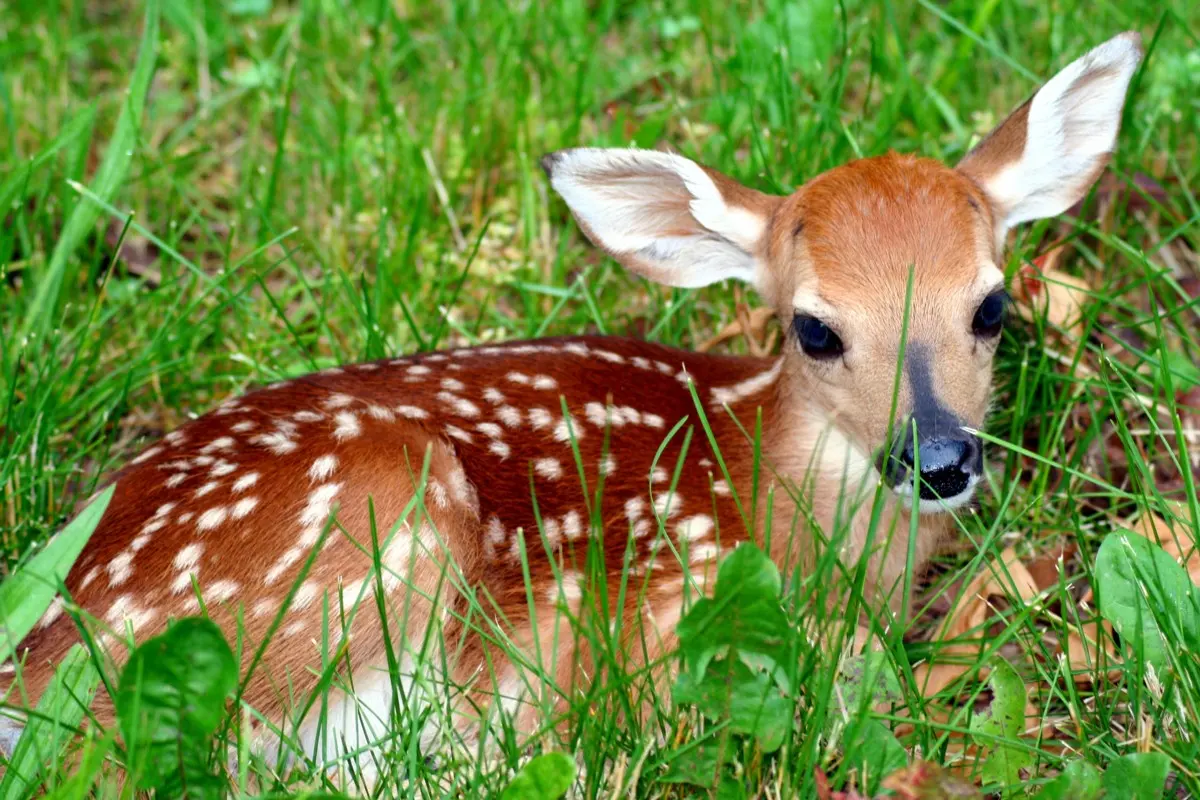
Newborn fawns are born with a specialized survival strategy known as hiding behavior. For the first few weeks of life, a fawn lacks the speed and stamina to outrun predators, so it relies on camouflage and stillness. The doe will leave her fawn in tall grass or brush while she goes off to feed, returning only periodically to nurse.
- The fawn remains motionless for hours, relying on its spotted coat to blend into dappled sunlight.
- The mother keeps her distance to avoid drawing the attention of predators like coyotes or bobcats to the fawn's location.
- Fawns are born with almost no scent, which helps them remain undetected by predators that hunt by smell.
- The doe will aggressively defend her fawns if a direct threat is detected, using her sharp hooves to strike at intruders.
Why do people find fawns alone?
A common misconception among humans is that a fawn found lying alone in the grass has been abandoned by its mother. In reality, this is a normal part of the deer's life cycle. The doe is almost always nearby, watching from a distance to ensure her offspring remains safe while she grazes.
If you encounter a fawn, it is vital to understand that the mother is likely observing you from the shadows. She will not approach the fawn while a human is present, as her presence would reveal the fawn's location to potential threats. You should never attempt to touch, feed, or move a fawn, as this can cause the mother to reject the offspring or lead to unnecessary stress for the young animal.
Common mistakes when observing deer
Interfering with a fawn is the most significant mistake well-meaning people make when encountering wildlife. Many fawns are unnecessarily "rescued" and taken to rehabilitation centers when they were perfectly healthy and safe in the wild. If you believe a fawn is truly in distress, you should follow these professional guidelines:
- Observe the fawn from a distance for at least 24 hours to see if the mother returns.
- Check for signs of genuine injury, such as bleeding, broken limbs, or the presence of flies and maggots.
- Look for signs of severe dehydration, such as sunken eyes or a lethargic, unresponsive state.
- Contact a licensed wildlife rehabilitator before taking any action, as they are trained to determine if the animal actually needs human intervention.
- Avoid the temptation to provide food or water, as improper feeding can cause digestive issues that are often fatal to young fawns.
By keeping your distance and resisting the urge to intervene, you provide the best chance for the fawn to grow into a healthy adult deer. Respecting the natural behavior of these animals is the most effective way to ensure their continued survival in the wild.
Key facts
- Most white-tailed deer give birth to one fawn during their first year of maturity.
- Adult does typically produce twins, though single births and triplets occur based on nutrition and age.
- Fawns are born in late spring or early summer, usually between May and June.
- A doe will hide her fawns in tall grass or brush to protect them from predators while she feeds nearby.
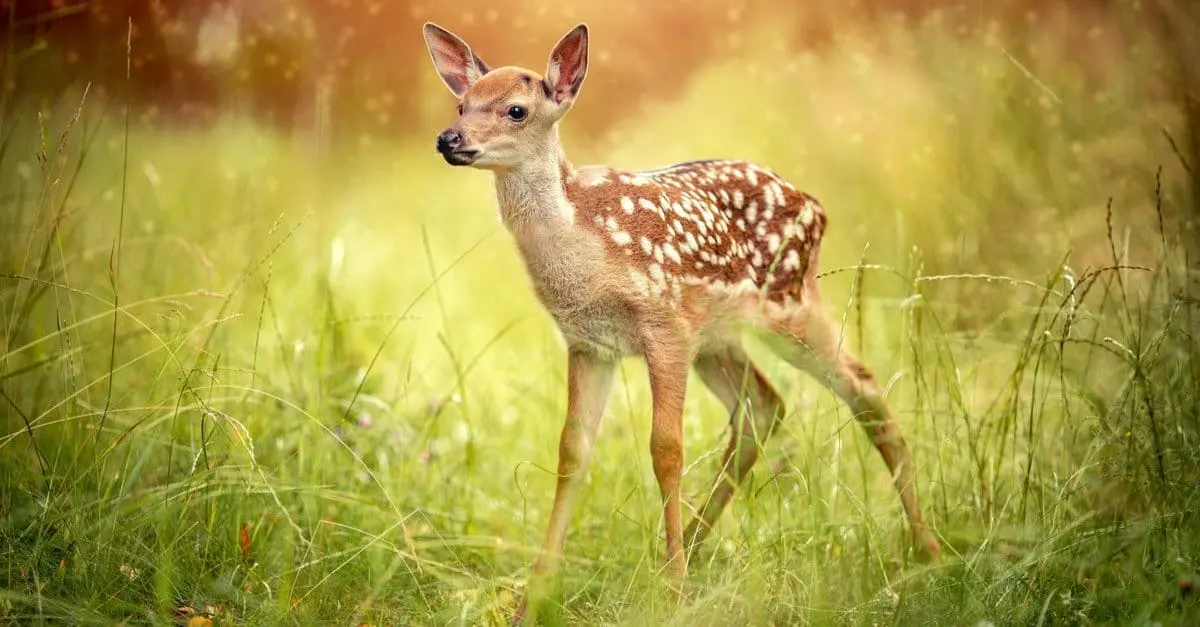
- Fawns are born with white spots that act as camouflage against dappled sunlight on the forest floor.
- Never touch or move a fawn found alone, as the mother is likely nearby and will return to nurse.
The bottom line
Deer reproductive success depends heavily on environmental factors and the age of the doe. While twins are the most common outcome for mature, well-fed white-tailed deer, single births and triplets remain possible. The most critical takeaway for observers is to leave fawns undisturbed in the wild. Human intervention is rarely needed and often causes more harm than good to the development of the young animal.
People also ask
How long is a deer pregnant?
A doe’s gestation period lasts approximately 200 days, or about six and a half months. This timing ensures that fawns are born when vegetation is most abundant, providing the best chance for survival.
Do fawns stay with their mothers for a long time?
Fawns typically stay with their mothers for about one year. They begin weaning at around 10 weeks old but remain under the doe's protection throughout their first winter.
Why do fawns have no scent?
Fawns are born with very little scent to help them avoid detection by predators like coyotes or bobcats. This natural adaptation allows them to remain hidden in plain sight while the mother is away.
What should I do if I find a fawn that seems abandoned?
If the fawn is lying quietly and appears healthy, leave it alone immediately. Does often leave their young alone for hours at a time to avoid drawing attention to the hiding spot.
Do deer have twins every year?
While twins are common for healthy, mature does in areas with high-quality food, it is not guaranteed. Factors such as the doe's health, age, and habitat quality significantly influence litter size.
When do fawns lose their spots?
Fawns typically lose their white spots during their first autumn, usually between three and four months of age. By this time, they have developed a thicker, brown winter coat that helps them blend into the changing landscape.
This answer was created with the help of AI research tools and reference sources. Spotted an error? Let us know — we correct mistakes quickly. See our editorial policy.