What is a baby dolphin called?
Short answer
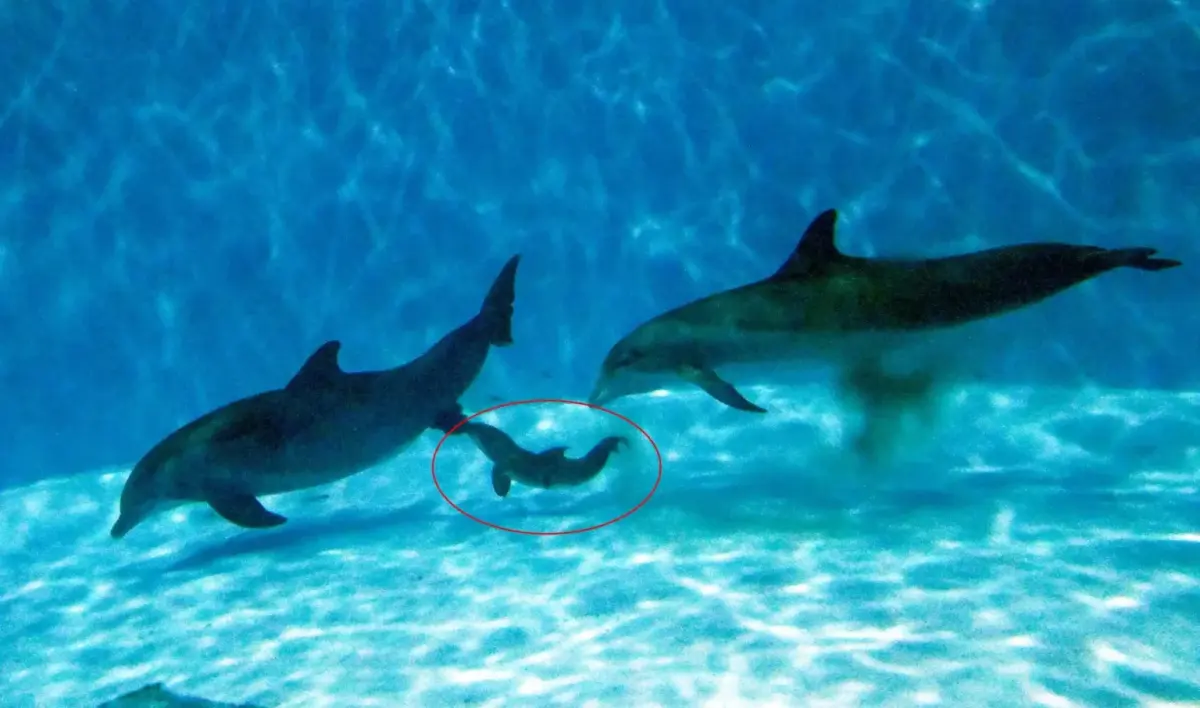
A baby dolphin is called a calf. Female dolphins, known as cows, typically give birth to a single calf after a gestation period lasting between 11 and 12 months. These young marine mammals are born tail-first to prevent drowning and remain under the close supervision of their mothers for several years.
On this page
What is a baby dolphin called?
A baby dolphin is scientifically referred to as a calf. This term is standard across the scientific community and is used to describe the young of various cetaceans, including whales and porpoises. When a calf is born, it is usually between 3 and 4 feet long and weighs roughly 30 to 40 pounds, depending on the specific species.
The social structure of dolphins is highly complex, and the calf plays a central role in the pod’s hierarchy. From the moment of birth, the calf is an active swimmer, though it relies heavily on its mother for protection and sustenance. Unlike many land mammals, dolphins are born with their eyes open and are immediately capable of swimming alongside their mothers to reach the surface for their first breath of air.
How long do dolphin calves stay with their mothers?
The bond between a mother dolphin and her calf is one of the most enduring relationships in the animal kingdom. Calves typically nurse for at least one to two years, though some individuals may continue to receive milk for up to three years. During this time, the calf learns essential survival skills, including how to hunt, navigate, and communicate using complex whistles and clicks.
While the calf begins to experiment with solid food like small fish or squid at around six months of age, nursing remains its primary source of nutrition. The weaning process is gradual and allows the calf to transition slowly into the independent life of an adult. Most calves remain within their mother’s pod for three to six years before venturing off to form their own social groups or join other pods.

How do dolphins protect their calves?
Dolphins utilize sophisticated defensive strategies to ensure the safety of their young from predators such as sharks or larger killer whales. The entire pod often participates in the protection of the calf, forming a protective barrier around the mother and her offspring if a threat is detected. This collective behavior is a testament to the high level of intelligence and social cooperation found within dolphin communities.
- Positioning: The mother often swims in a specific formation, known as echelon swimming, where the calf stays close to her side to reduce drag and maintain proximity.
- Vigilance: Adult members of the pod take turns patrolling the perimeter of the group to scan for potential dangers in the water.
- Evasive Maneuvers: If a predator approaches, the pod may use rapid, erratic swimming patterns to confuse the attacker and shield the calf from harm.

Why do dolphin calves need to stay near the surface?
Because dolphins are mammals, they must breathe atmospheric air through their blowholes. A newborn calf has limited lung capacity and is still developing the physical strength required for deep dives. Consequently, the calf must stay near the surface of the water during its first few months of life to ensure it can reach the air quickly and frequently.
Common mistakes when observing or researching dolphin calves include:
- Assuming that a calf resting near the surface is sick or stranded when it is actually just practicing its breathing rhythm.
- Approaching a mother and calf too closely, which can cause the mother to become defensive or force the calf to swim away, wasting valuable energy.
- Misinterpreting the "nursery" behavior of pods, where multiple mothers and calves group together for safety, as a sign of aggressive behavior.
What are the developmental stages of a calf?
The development of a dolphin calf is marked by several distinct milestones that prepare it for adult life. In the first few weeks, the calf is focused entirely on bonding with its mother and learning to navigate the pod’s social landscape. As it grows, the calf begins to engage in play, which serves as a vital training ground for adult behaviors such as hunting and social interaction.
- Infancy: The calf relies on the mother for milk and constant supervision.
- Juvenile stage: The calf begins hunting independently and socializing with other young dolphins in the pod.
- Sub-adult stage: The dolphin reaches sexual maturity and begins to establish its own role within the broader social structure of the local population.
By the time a dolphin reaches its sub-adult phase, it will have mastered the vocalizations and physical coordination necessary to survive in the wild. This long period of development is necessary because dolphins are highly social creatures that require a deep understanding of their environment to thrive. Through years of observation and interaction with their elders, calves eventually transform into fully capable members of their marine society.
Key facts
- A baby dolphin is officially called a calf.
- Calves are typically born tail-first to prevent them from drowning during the birth process.
- Newborn dolphins measure between 3 to 4 feet in length and weigh roughly 30 to 45 pounds.
- A calf will nurse from its mother for at least one year and sometimes up to three years.
- Mothers and calves maintain a strong bond, often swimming in a synchronized formation known as echelon position.
- Avoid mistaking a calf for a porpoise, as dolphins have curved dorsal fins and elongated beaks, while porpoises have triangular fins and blunt faces.
The bottom line
A baby dolphin is known as a calf, a name shared with many other large mammals. These young animals rely heavily on their mothers for several years to learn the complex social and hunting skills required for survival in the ocean. By staying close to their mothers and nursing for an extended period, calves develop the strength and knowledge needed to eventually thrive independently within their pods.
People also ask
How long does a dolphin stay with its mother?
Most dolphin calves remain dependent on their mothers for three to six years. During this time, the mother teaches the calf essential survival skills, including hunting techniques and social behaviors within the pod.
Do dolphins give birth to more than one calf at a time?
Dolphins almost exclusively give birth to a single calf. Twins are extremely rare, and the survival rate for both calves in a twin birth is significantly lower than that of a single calf.
How can you tell if a dolphin is a calf?
You can identify a calf by its size relative to the adult dolphins swimming nearby. Calves also typically swim very close to their mother's side, often positioned slightly behind her dorsal fin for protection and energy efficiency.
What do dolphin calves eat?
For the first several months, a calf feeds entirely on its mother's nutrient-rich milk. They begin to experiment with solid food, such as small fish or squid, as they grow older and learn to hunt.
How often do dolphins have babies?
Female dolphins generally give birth once every three to six years. This long interval is necessary to ensure the calf receives adequate care and development before the mother reproduces again.
Do male dolphins help raise the calves?
Male dolphins do not participate in the rearing of calves. The responsibility of protection, feeding, and teaching falls entirely on the mother and, occasionally, other female members of the pod.
This answer was created with the help of AI research tools and reference sources. Spotted an error? Let us know — we correct mistakes quickly. See our editorial policy.