Where do toads live?
Short answer
Toads inhabit nearly every landmass on Earth, excluding Antarctica, Greenland, and parts of the Arctic. They thrive in diverse environments ranging from arid deserts to lush rainforests. While they require moisture to survive, many species are highly adapted to terrestrial life, spending most of their time away from permanent water bodies.
On this page
Where do toads live in the wild?
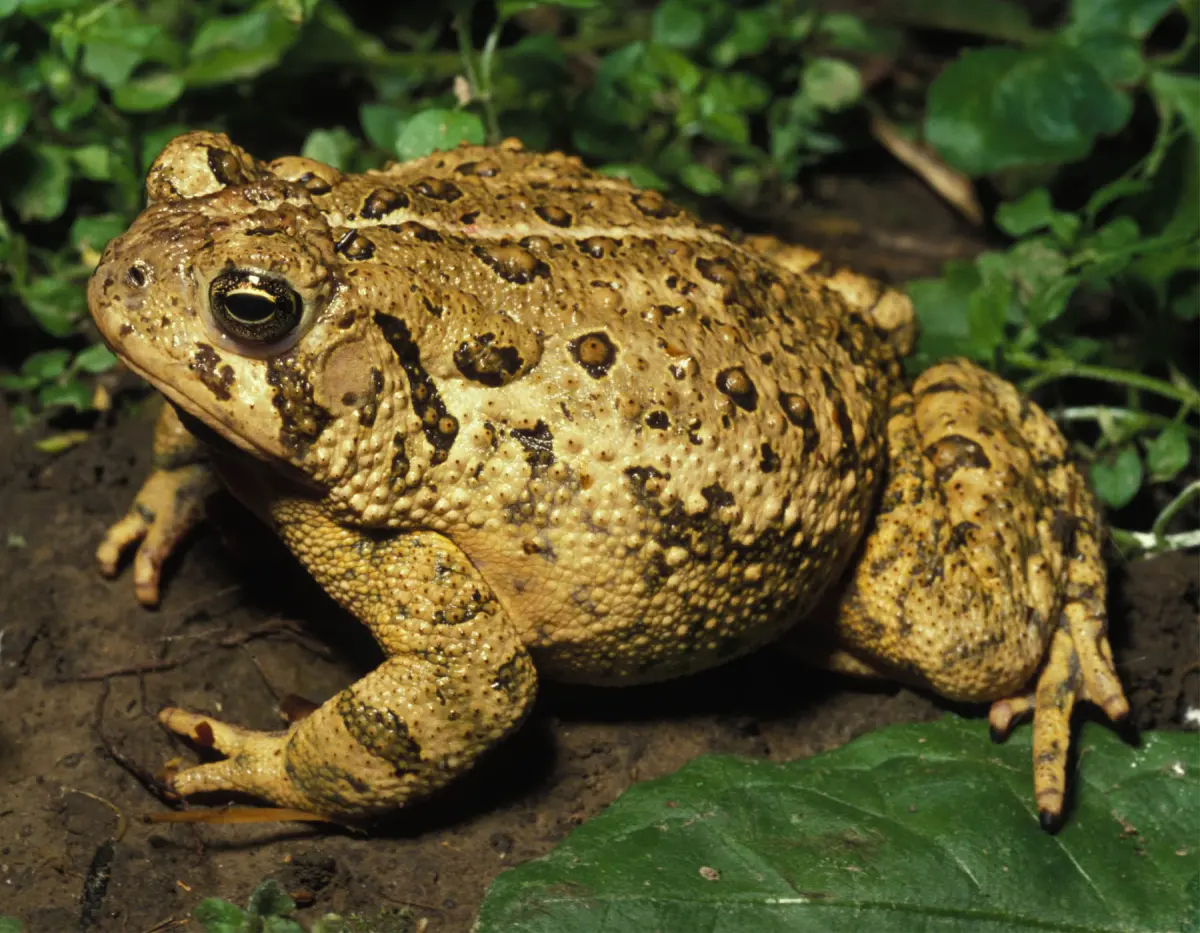
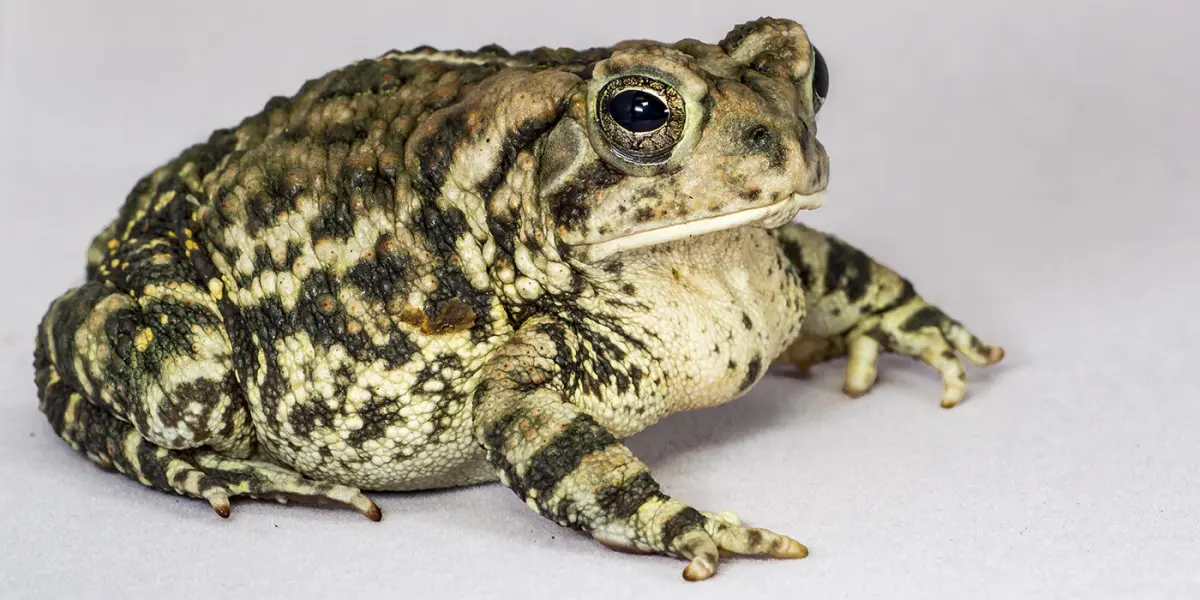
Toads are remarkably adaptable amphibians found across all continents except Antarctica. While many people associate amphibians exclusively with ponds or streams, true toads—members of the family Bufonidae—are primarily terrestrial. They occupy a vast array of habitats, including grasslands, forests, mountainous regions, and even suburban gardens. Their ability to survive in drier environments than frogs is due to their thicker, warty skin, which retains moisture more effectively.
Despite this terrestrial nature, toads still require specific conditions to thrive. They generally seek out areas with high humidity or access to damp soil, where they can burrow to avoid desiccation during the heat of the day. In regions with distinct seasons, toads may hibernate or enter a state of dormancy called estivation to survive extreme cold or prolonged drought. Their distribution is limited only by the availability of suitable breeding sites, as they must return to water to lay their eggs.
How to identify toad habitats in your yard
If you want to encourage toads to live in your garden, you must provide the essential elements they seek in nature: shelter, food, and moisture. Toads are nocturnal hunters that spend their daylight hours hiding in cool, dark, and damp locations. By creating these micro-habitats, you can easily turn your backyard into a sanctuary for these beneficial insectivores.
- Create a "toad abode" by placing an overturned clay pot with a small entrance chip in a shady, moist area.
- Maintain a patch of tall grass or leaf litter to provide natural cover from predators and the sun.
- Install a shallow, ground-level water basin, ensuring it is cleaned regularly to prevent the spread of pathogens.
- Avoid using chemical pesticides, as these toxins accumulate in the soil and can be fatal to amphibians.
Why do toads burrow in the ground?
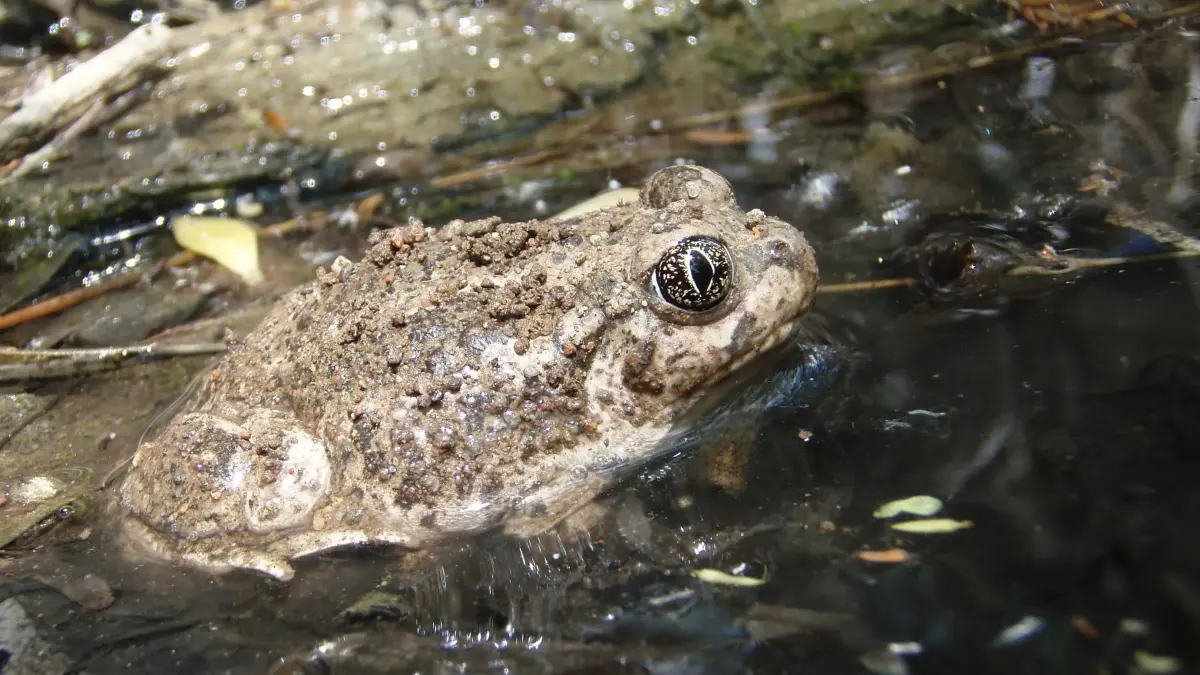
Burrowing is a critical survival behavior for toads, serving as a primary defense against environmental stressors. By digging into loose soil, sand, or soft mud, toads regulate their body temperature and maintain necessary hydration levels. This behavior is particularly vital for species living in arid climates, where surface temperatures can reach lethal levels during the day.
Beyond thermal regulation, burrowing acts as a protective mechanism against predators. When a toad is partially or fully buried, it becomes significantly harder for birds, snakes, and mammals to detect it. Many species possess specialized structures on their hind feet, often called "spades," which act like shovels to help them dig backward into the earth. This instinctual behavior ensures that even in harsh conditions, the toad remains shielded from the elements and potential threats.
Common mistakes when creating toad habitats
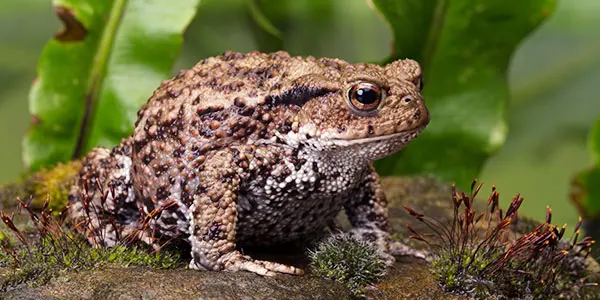
Many well-meaning gardeners inadvertently make their yards inhospitable to toads through common maintenance practices. One major error is the excessive use of lawn chemicals, including fertilizers, herbicides, and pesticides. Because toads have permeable skin, they absorb chemicals directly from the soil and water, which can lead to severe health issues or death. Transitioning to organic gardening methods is the most effective way to ensure a safe environment for these animals.
Another frequent mistake is the removal of all "natural debris" from a garden. While a manicured lawn looks tidy, it offers zero protection for a toad. Toads rely on piles of logs, rocks, and decaying leaves to hide from predators and maintain moisture. If you clear away every leaf and twig, you are essentially removing the toad's home. Leaving a small, undisturbed corner of your yard wild and messy is one of the best ways to support the local toad population.
When do toads leave their homes?
Toads are most active during the night, especially following rainfall or during humid weather. During these times, they emerge from their burrows to forage for insects, slugs, and worms. Their movement patterns are generally localized, meaning a toad may spend its entire life within a relatively small radius of its primary burrow, provided that food and water remain accessible.
The only time a toad consistently leaves its established home range is during the breeding season. During this period, adults migrate toward permanent or temporary bodies of water, such as ponds, slow-moving streams, or even large puddles. This migration can cover significant distances, often involving a return to the specific site where the toad itself hatched. After mating and depositing eggs, the adults typically return to their terrestrial territories to resume their solitary lives, leaving the tadpoles to develop in the water until they complete their metamorphosis into land-dwelling adults.
Key facts
- Toads inhabit every continent except Antarctica, thriving in diverse environments ranging from arid deserts to humid rainforests.
- Unlike frogs, toads possess dry, bumpy skin that helps them retain moisture, allowing them to venture further from permanent water sources.
- Most toad species are nocturnal, spending daylight hours buried in soil or hiding under logs to avoid dehydration and predators.
- Toads require access to shallow, standing freshwater, such as ponds or marshes, specifically for laying their eggs and the development of tadpoles.
- Gardeners often encourage toads to live in their yards because a single toad can consume thousands of slugs, beetles, and cutworms each season.
- To create a toad habitat, place an overturned clay pot with a small entrance notch in a cool, shady, and moist corner of your garden.
The bottom line
Toads are remarkably adaptable amphibians that occupy a wide range of terrestrial habitats across the globe. By favoring cool, damp shelters during the day and emerging at night to hunt, they play a vital role in controlling garden pests. Providing a simple, shaded sanctuary in your backyard is an effective way to support these beneficial creatures and ensure they thrive in your local environment year-round.
People also ask
How can I tell the difference between a frog and a toad?
Toads generally have shorter legs, stockier bodies, and dry, warty skin, whereas frogs have smooth, moist skin and long, powerful legs for jumping. Additionally, toads typically walk or hop short distances, while frogs are known for their long, athletic leaps.
Do toads hibernate during the winter?
Yes, toads living in temperate climates undergo a process called brumation, which is similar to hibernation. They burrow deep below the frost line in the soil or hide in crevices to survive freezing temperatures until spring arrives.
Are toads poisonous to touch?
Most toads have parotoid glands behind their eyes that secrete toxins to deter predators, but these are generally not harmful to humans unless ingested or rubbed into the eyes. It is best practice to wash your hands thoroughly after handling any amphibian to protect both yourself and the animal.
How long do toads live in the wild?
While lifespans vary by species, many common toads live between 5 and 15 years in the wild. Some larger species, such as the cane toad, can live for over 20 years if they avoid predators and maintain a consistent food supply.
Why do toads come out during heavy rain?
Toads are amphibians and rely on moisture to keep their skin healthy and prevent dehydration. Rain provides a safe, humid environment for them to travel, forage for food, and reach breeding ponds without the risk of drying out.
Can I keep a wild toad as a pet?
It is generally discouraged to take toads from the wild because they have complex environmental needs and are essential to their local ecosystems. If you want a pet, purchase a captive-bred toad from a reputable breeder to ensure the animal is healthy and ethically sourced.
This answer was created with the help of AI research tools and reference sources. Spotted an error? Let us know — we correct mistakes quickly. See our editorial policy.