What is a group of dolphins called?
Short answer
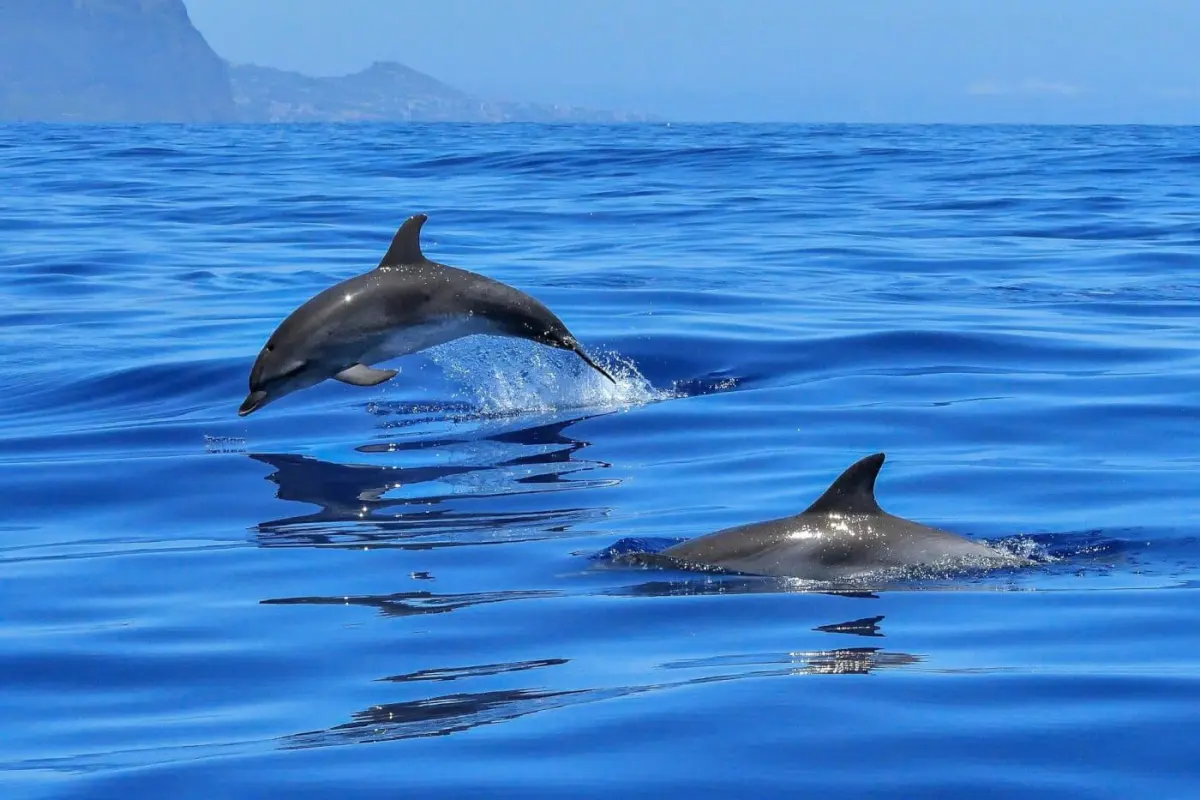
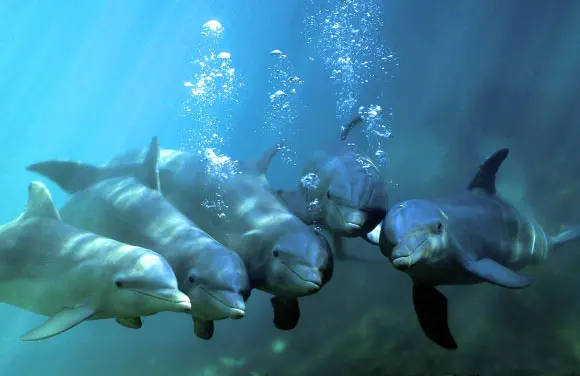
A group of dolphins is most commonly called a pod. While smaller groups are frequently referred to as pods, larger aggregations of dolphins are often called schools or herds. These terms are used interchangeably by marine biologists, though "pod" remains the standard terminology for the social units typically observed in the wild.
On this page
What is a group of dolphins called?
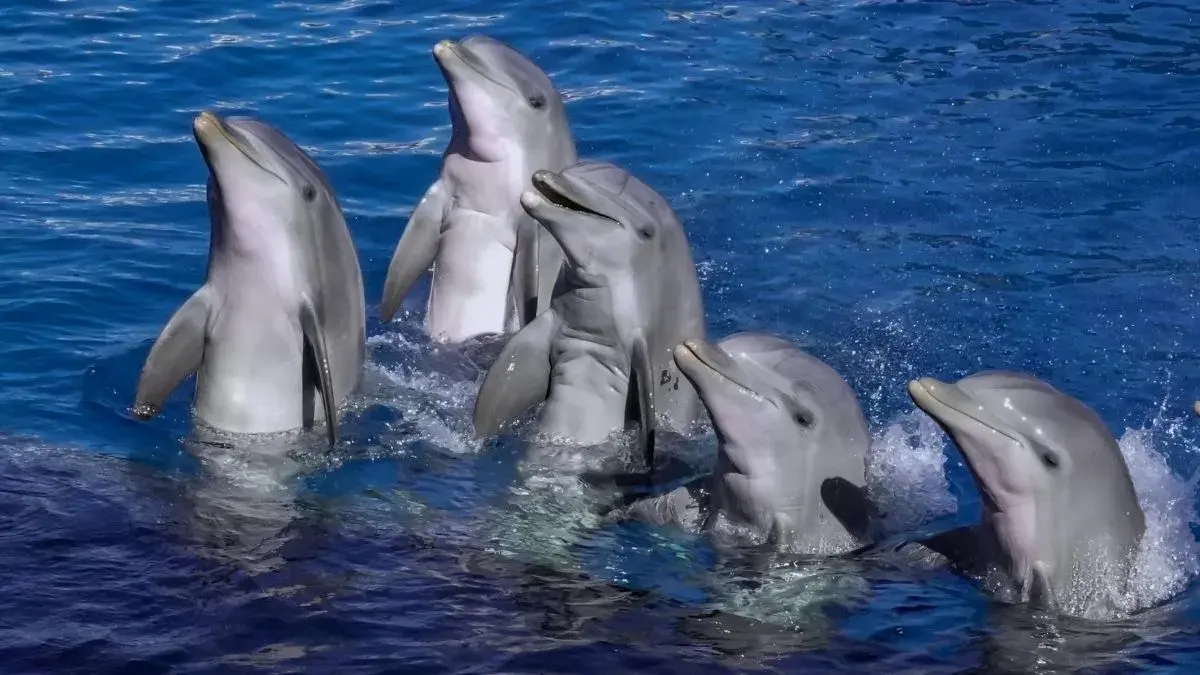
A group of dolphins is primarily known as a pod. These social units are dynamic and fluid, meaning individuals frequently join or leave the group depending on their needs for foraging, mating, or protection. While the term "pod" is the most widely accepted descriptor, researchers sometimes use more specific language to describe the size and composition of these gatherings.
For instance, when many pods come together to form a massive assembly, they are often referred to as a superpod or a herd. These larger groups can contain hundreds or even thousands of individuals. The terminology often depends on the species and the specific behavioral context, such as migration or cooperative hunting. Regardless of the label, the fundamental social structure of dolphins remains one of the most complex and fascinating aspects of marine biology.
How do dolphin pods stay together?
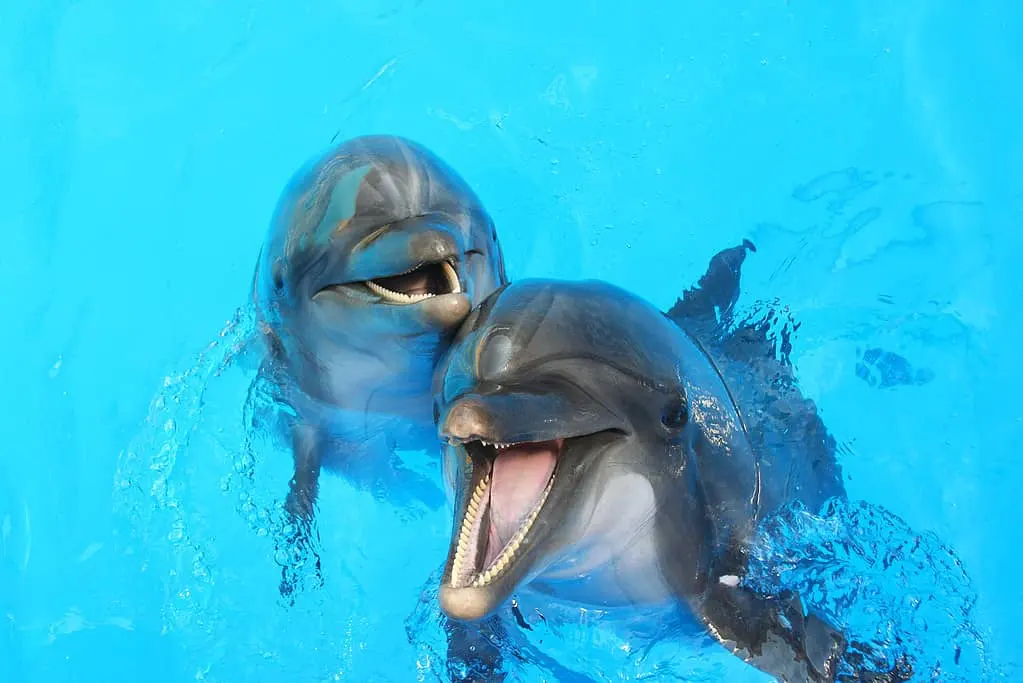
Dolphin pods are held together by strong social bonds and sophisticated communication methods. Each dolphin possesses a unique signature whistle, which acts like a name, allowing individuals to identify one another within the group. This acoustic recognition is essential for maintaining cohesion in the vast, often murky, underwater environment where visual contact is not always possible.
The social structure within a pod is often hierarchical and cooperative. By staying in a group, dolphins increase their efficiency when hunting for fish and improve their safety against predators like sharks or orcas. This collective behavior is supported by several key factors:
- Constant vocalization through clicks and whistles to coordinate movements.
- Physical touch, such as rubbing fins, to reinforce social bonds.
- Cooperative hunting strategies that encircle schools of prey.
- Shared care for calves, often involving "babysitting" by other females.
Why do dolphins form pods?
Dolphins form pods primarily for survival, as life in the open ocean presents numerous challenges that are difficult to overcome alone. Protection is a major driver; a group of dolphins can more effectively defend against predators by working together. Furthermore, the group dynamic facilitates the sharing of information, such as the location of food sources, which benefits all members of the pod.
The social nature of dolphins also serves an evolutionary purpose, as it allows for the transmission of learned behaviors between generations. Younger dolphins learn hunting techniques and social etiquette by observing the adults in their pod. This cultural transmission is a hallmark of highly intelligent species. By living in a group, dolphins ensure that their offspring have the best possible chance of reaching maturity and passing on their genetic material to future generations.
Common mistakes when identifying dolphin groups
One common mistake observers make is assuming that a pod is a permanent, unchanging family unit. In reality, dolphin social structures are often described as "fission-fusion" societies. This means that the group size and membership change frequently throughout the day. A large group might split into smaller foraging parties in the morning and reunite in the evening, making it difficult for casual observers to track specific individuals.
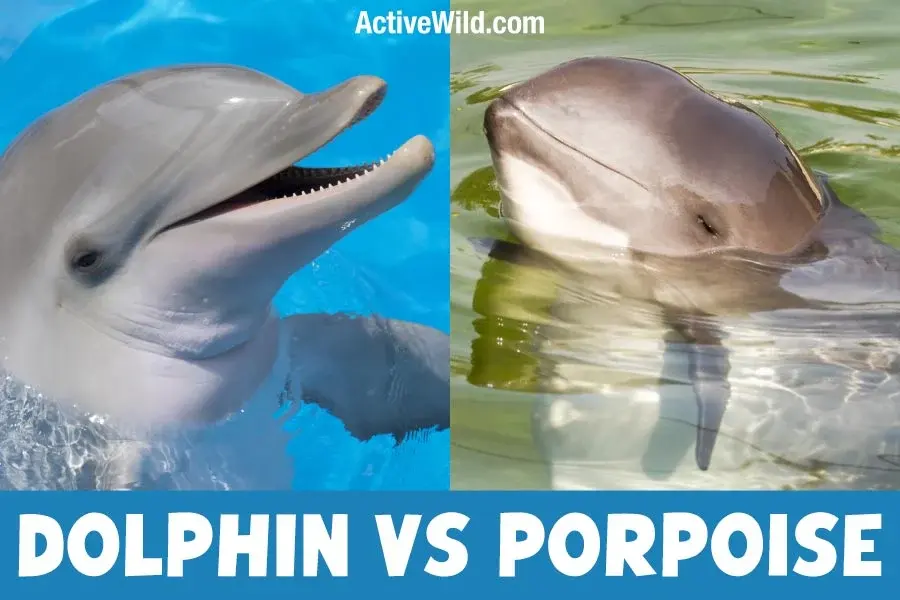
Another error is misidentifying other marine mammals as dolphin pods. For example, porpoises often travel in smaller, more elusive groups and lack the elongated rostrum, or beak, that characterizes most dolphin species. To accurately identify a group, consider these steps:
- Observe the dorsal fin shape; dolphins typically have curved, sickle-shaped fins.
- Note the surfacing pattern, as dolphins often breach or ride bow waves.
- Listen for vocalizations if you are using specialized hydrophone equipment.
- Count the individuals to determine if you are seeing a small pod or a larger school.
Where to see dolphin pods in the wild
If you are interested in observing dolphin pods in their natural habitat, responsible ecotourism is the best approach. Many coastal regions offer boat tours that specialize in dolphin watching. When selecting a tour operator, ensure they follow strict guidelines to avoid disturbing the animals. Harassing or chasing a pod can cause significant stress, disrupting their natural feeding and resting cycles, which are vital for their long-term health.
To have a successful and ethical viewing experience, keep the following tips in mind:
- Always maintain a respectful distance from the pod to avoid interference.
- Never attempt to feed or touch the dolphins, as this alters their natural behavior.
- Choose operators who prioritize education and conservation over close-contact stunts.
- Be patient, as dolphins are wild animals and may not always choose to approach boats.
By following these practices, you can enjoy the privilege of seeing these intelligent creatures in the wild while ensuring their protection for years to come.
Key facts
- A group of dolphins is most commonly referred to as a pod.
- Smaller groups of dolphins are sometimes called schools, though this term is more frequently associated with fish.
- Social groups of dolphins are often fluid, meaning individuals frequently join or leave the group throughout the day.
- A "nursery pod" specifically refers to a group consisting of mothers and their calves.
- Scientists often use the term "fission-fusion" to describe the dynamic way dolphin pods constantly change size and composition.
- When observing dolphins, avoid confusing a pod with a "superpod," which can consist of hundreds or even thousands of individuals gathered together.
The bottom line
The most accurate term for a group of dolphins is a pod, though these social units are remarkably dynamic. Rather than staying in fixed families, dolphins engage in a fission-fusion society, constantly rearranging their group size based on environmental needs and social interactions. Understanding this fluid behavior helps observers appreciate the complex intelligence and cooperative nature that define these marine mammals in their natural habitats.
People also ask
Do all dolphins live in pods?
Most dolphin species are highly social and live in pods for protection, hunting, and socialization. However, some species, such as the Amazon river dolphin, are more solitary and are rarely seen in large groups.
How large can a dolphin pod be?
Pod sizes vary significantly based on the species and the availability of food. While a typical coastal pod might consist of 5 to 15 individuals, offshore species can form massive superpods numbering in the hundreds.
Why do dolphins form pods?
Pods provide significant advantages, including cooperative hunting strategies to corner fish and collective defense against predators like sharks. The social structure also facilitates complex communication and the rearing of offspring.
Do dolphins stay in the same pod for their entire lives?
No, dolphin social structures are generally not permanent. Individuals frequently move between different groups, a behavior that helps maintain genetic diversity and strengthens social bonds across the wider population.
Are there different names for male and female groups?
While "pod" is the standard term, some researchers distinguish between bachelor groups, which consist only of adult males, and nursery groups, which contain females and their dependent calves.
How can you identify a pod of dolphins in the wild?
Look for synchronized surfacing behavior, where multiple dolphins break the water’s surface in quick succession. This coordination is a hallmark of a cohesive pod traveling or hunting together.
This answer was created with the help of AI research tools and reference sources. Spotted an error? Let us know — we correct mistakes quickly. See our editorial policy.