How long do dolphins live?
Short answer
Dolphin lifespans vary significantly by species, ranging from approximately 20 years for smaller species to over 50 years for larger ones like the common bottlenose dolphin. While wild populations face environmental threats, those under professional care often live longer due to consistent nutrition, veterinary oversight, and the absence of natural predators.
On this page
How long do different dolphin species live?
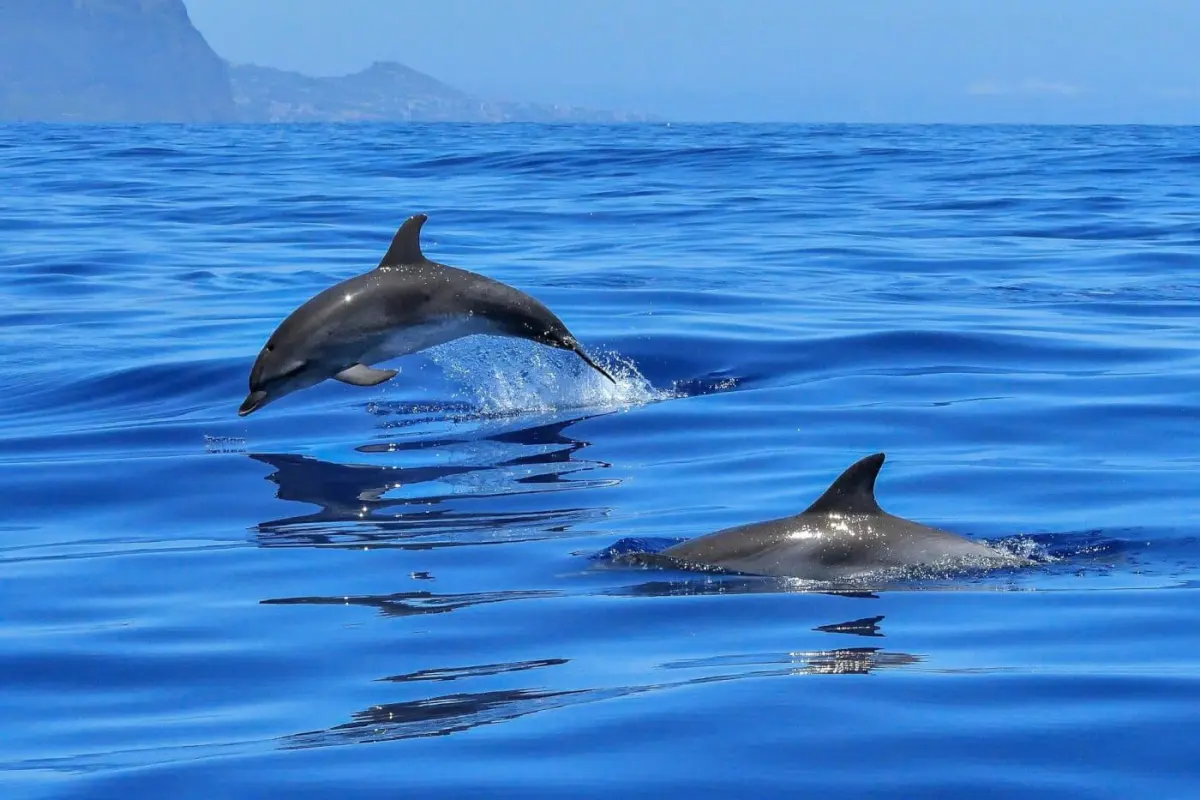
The lifespan of a dolphin is largely determined by its specific species and environmental conditions. Smaller species, such as the harbor porpoise or the franciscana, typically have shorter lifespans, often living between 15 and 25 years. In contrast, larger oceanic dolphins, such as the common bottlenose dolphin (Tursiops truncatus) or the orca—which is technically the largest member of the dolphin family—can live significantly longer. Bottlenose dolphins frequently reach their 40s or 50s in the wild, while female orcas have been documented living into their 80s or even 90s.
These variations are influenced by metabolic rates, reproductive strategies, and habitat requirements. Larger species generally invest more time in raising their young, which is often correlated with greater longevity. Understanding these differences is essential for conservationists who monitor population health. Below are estimated lifespans for several common dolphin species found in global waters:
- Common Bottlenose Dolphin: 40–50 years
- Atlantic Spotted Dolphin: 30–40 years
- Risso’s Dolphin: 30–45 years
- Short-finned Pilot Whale (a type of oceanic dolphin): 45–60 years
- Orca (Killer Whale): 50–90 years
Why do some dolphins live longer than others?
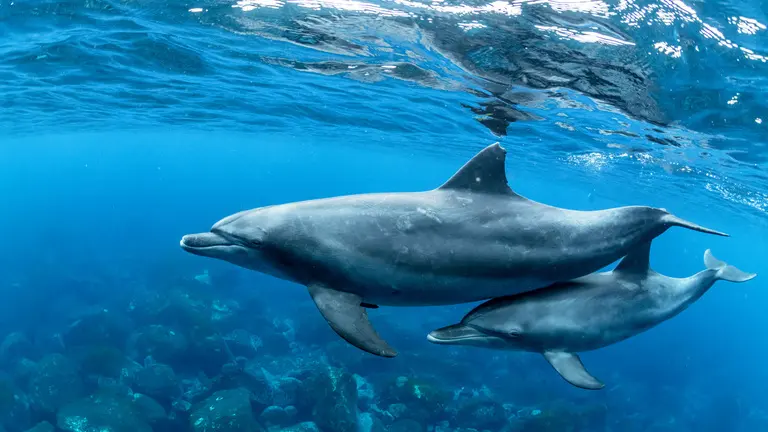
Longevity in dolphins is influenced by a complex interplay of genetics, social structure, and environmental stressors. Dolphins are highly social mammals that rely on complex pods for protection, hunting, and companionship. Individuals that belong to stable, long-term social groups often benefit from shared knowledge and collective defense, which reduces the risk of predation by sharks or larger whales. Furthermore, access to high-quality prey and clean water plays a critical role in maintaining the physical health of an individual throughout its life.
Environmental factors can drastically shorten these lifespans. Pollution, such as heavy metals and microplastics, accumulates in the blubber of dolphins, potentially leading to long-term health issues like reproductive failure or weakened immune systems. Additionally, human activities such as commercial fishing pose a significant risk, as dolphins can become entangled in nets. The following factors are primary drivers of mortality in wild populations:
- Predation by apex predators, particularly during the vulnerable juvenile stage.
- Exposure to biotoxins from harmful algal blooms.
- Habitat degradation caused by coastal development and noise pollution.
- Accidental entanglement in fishing gear, known as bycatch.
How does captivity affect dolphin lifespans?
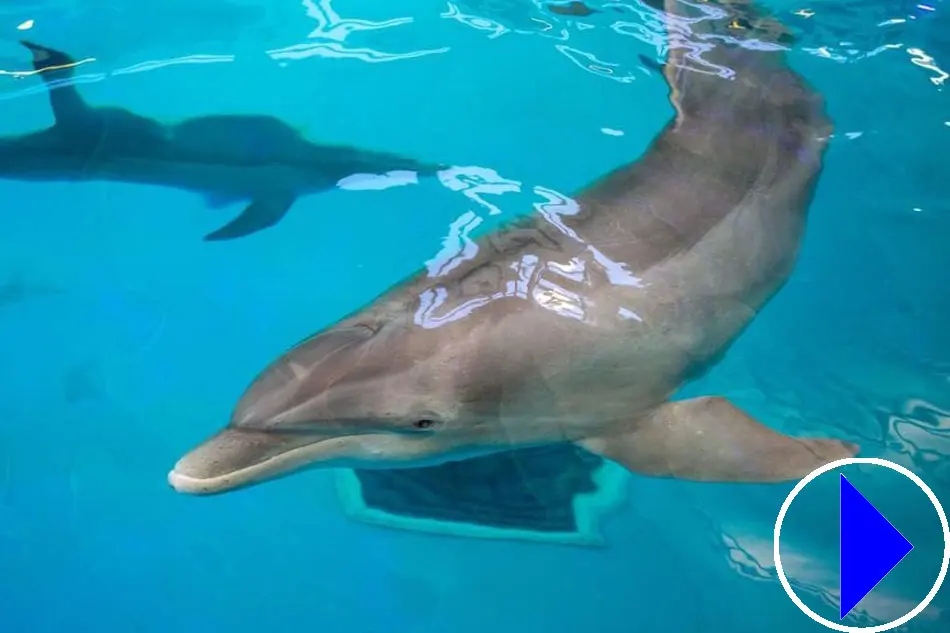
The impact of captivity on dolphin longevity is a subject of ongoing scientific debate. Historically, early captive environments struggled to meet the complex physiological and psychological needs of these animals, leading to higher mortality rates. However, modern zoological facilities have significantly improved husbandry practices, including advanced veterinary medicine, specialized diets, and environmental enrichment programs. These advancements have allowed many dolphins in professional care to reach or exceed the average lifespans of their wild counterparts by eliminating threats like starvation, parasites, and predators.
Despite these improvements, critics argue that the confined nature of artificial environments cannot replicate the vast, dynamic ecosystems required for optimal dolphin health. Behavioral issues, such as repetitive movements or social stress caused by incompatible group dynamics, remain concerns for captive management. Experts generally agree that while medical care is superior in captivity, the lack of natural movement and social complexity presents unique challenges. Successful programs today prioritize:
- Providing expansive, temperature-controlled habitats.
- Implementing rigorous behavioral enrichment to stimulate natural foraging instincts.
- Maintaining stable social groupings to minimize aggression.
- Utilizing preventative medical screenings to detect illness early.
How do researchers determine a dolphin's age?
Determining the exact age of a wild dolphin is a challenging task that requires specialized techniques. Because dolphins do not have external features that indicate age, scientists often rely on biological markers found within the body. One of the most reliable methods involves analyzing the teeth of deceased dolphins. Similar to the rings found in tree trunks, dolphin teeth develop annual growth layers in the dentin and cementum. By slicing a tooth and examining these layers under a microscope, researchers can calculate the animal's age with high accuracy.
For living dolphins, researchers use non-invasive methods such as photo-identification. By documenting unique nicks, scars, and dorsal fin patterns, scientists can track individuals over several decades. If a dolphin was first photographed as a calf, its age can be estimated with reasonable precision as the years pass. This long-term monitoring is vital for understanding population dynamics and the success of conservation efforts. These tracking programs have provided some of the most reliable data on how long dolphins truly live in their natural habitats.
Common mistakes when estimating dolphin age
A frequent error when estimating dolphin age is assuming that size is a direct indicator of maturity. While calves are significantly smaller than adults, a dolphin may reach its full physical size well before it reaches its peak reproductive age or its maximum lifespan. Relying solely on visual size estimates can lead to inaccurate population data, as it fails to account for the varying growth rates between different species or even different geographic populations of the same species.
Another common mistake is failing to account for the impact of localized environmental changes. A population of dolphins living in a polluted estuary may show signs of premature aging or higher mortality rates compared to a healthy offshore population. When observing dolphins, it is important to avoid:
- Overestimating age based on the presence of scars, which can occur at any life stage due to social interactions.
- Assuming that all dolphins in a pod are of similar age, as pods are often multi-generational.
- Ignoring the influence of seasonal food availability on physical condition and growth.
- Relying on short-term observations to make long-term conclusions about a specific animal's health or life expectancy.
Key facts
- Most common bottlenose dolphins live between 20 and 40 years in the wild.
- Female dolphins generally live longer than males, often reaching their 50s.
- Orcas, the largest members of the dolphin family, can live up to 90 years.
- Captivity often significantly reduces a dolphin's lifespan due to environmental stress and limited space.
- Scientists determine a dolphin's age by counting growth layers in their teeth, similar to tree rings.
- Environmental factors like pollution, habitat loss, and entanglement in fishing gear are primary threats to longevity.
The bottom line
Dolphin lifespans are highly variable, depending heavily on the specific species and their environmental conditions. While some species reach their 40s or 50s in the wild, human-related threats and natural predation frequently shorten these lives. Understanding these animals requires recognizing that their survival is deeply tied to the health of our oceans, as pollution and habitat degradation remain the most significant obstacles to their longevity.
People also ask
Do dolphins in captivity live longer than those in the wild?
No, evidence suggests that dolphins in captivity often have shorter lifespans than their wild counterparts. Factors such as restricted movement, social isolation, and the inability to hunt contribute to lower survival rates in human-managed facilities.
How can you tell if a dolphin is elderly?
Older dolphins often show physical signs such as a duller skin color, scarring, and a more pronounced curve in their dorsal fin. They may also swim more slowly and exhibit less social interaction with the rest of their pod.
Do all dolphin species have the same lifespan?
No, lifespans vary drastically between species. While the common bottlenose dolphin lives for several decades, smaller species like the harbor porpoise often live only 10 to 15 years.
Does climate change affect how long dolphins live?
Yes, rising ocean temperatures can disrupt the migration patterns of prey fish, leading to malnutrition. Additionally, extreme weather events and ocean acidification can degrade the health of the marine ecosystems dolphins rely on for survival.
Can dolphins die of old age in the wild?
While possible, it is rare for a dolphin to die purely of old age. Most wild dolphins succumb to predation, disease, or human-related accidents long before reaching their maximum biological potential.
Are there any predators that shorten a dolphin's life?
Yes, larger shark species and orcas are the primary natural predators of smaller dolphin species. Young, sick, or elderly dolphins are particularly vulnerable to these attacks in open ocean environments.
This answer was created with the help of AI research tools and reference sources. Spotted an error? Let us know — we correct mistakes quickly. See our editorial policy.