What is Singapore known for?
Short answer
Singapore is a global financial hub renowned for its immaculate cleanliness, efficient public transportation, and futuristic urban planning. As a sovereign island city-state at the tip of the Malay Peninsula, it seamlessly blends multicultural heritage with modern luxury, offering world-class dining, iconic architecture, and a highly organized, safe environment for international travelers.
![What Singapore Is Famous for: 13 Iconic Things [2026]](/img/8b/what-is-singapore-known-for-1.webp)
On this page
What is Singapore famous for?
Singapore is globally recognized for its unique juxtaposition of lush greenery and high-tech urban infrastructure. Often called a "City in a Garden," the nation mandates that developers incorporate greenery into building designs, resulting in iconic structures like the Supertree Grove at Gardens by the Bay. This commitment to sustainability is paired with a reputation for being one of the cleanest and safest cities in the world.
The country’s cultural identity is defined by its four official languages—English, Mandarin, Malay, and Tamil—which reflect its diverse population. This melting pot is most visible in the city's food scene, where Michelin-starred restaurants exist alongside humble hawker centers. These open-air food courts are the heart of Singaporean social life, offering affordable, high-quality dishes like Hainanese chicken rice, laksa, and satay.
How to get around Singapore efficiently
The public transportation system is the most reliable way to navigate the island. The Mass Rapid Transit (MRT) train network is extensive, clean, and connects virtually every major tourist attraction and residential district. Visitors should purchase an EZ-Link card or use contactless credit cards for seamless entry and exit at station gantries.
- Download a navigation app like Citymapper or Google Maps to track real-time bus and train arrivals.
- Purchase a Singapore Tourist Pass if you plan to travel extensively over one to three days.
- Use the MRT for long distances and supplement with buses for shorter, scenic trips through neighborhoods.
- Download ride-hailing apps like Grab or Gojek for late-night travel when trains stop running around midnight.
Avoid taking taxis during peak hours, as surcharges apply and traffic can significantly increase travel time compared to the efficient underground rail network.
Best places to visit in Singapore
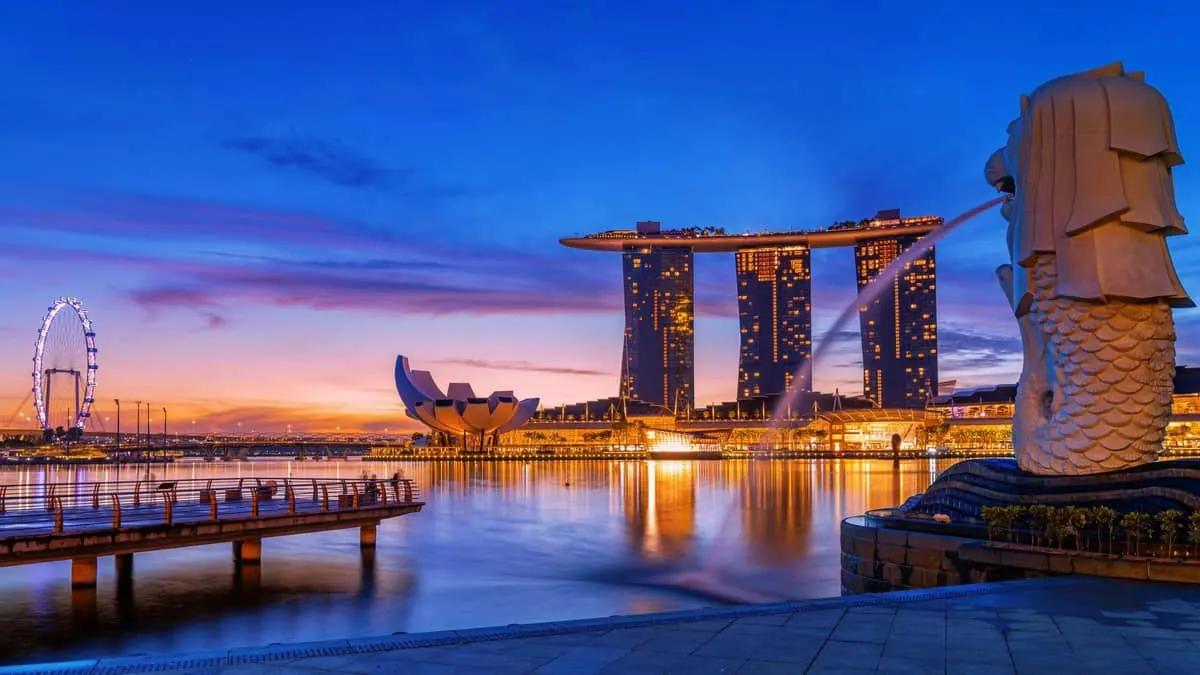
For first-time visitors, the Marina Bay area serves as the epicenter of luxury and sightseeing. The Marina Bay Sands complex, with its distinctive boat-shaped SkyPark, offers panoramic views of the city skyline. Nearby, the ArtScience Museum and the Merlion statue provide iconic photo opportunities that define the Singaporean tourist experience.
Beyond the modern center, Singapore offers deep historical and cultural immersion:
- Chinatown: Visit the Buddha Tooth Relic Temple and explore traditional shophouses.
- Little India: Experience the vibrant colors of the Sri Veeramakaliamman Temple and shop for spices.
- Kampong Glam: Discover the Sultan Mosque and the trendy boutiques along Haji Lane.
- Sentosa Island: Enjoy theme parks, beaches, and the S.E.A. Aquarium for family-friendly entertainment.
- Singapore Botanic Gardens: Wander through this UNESCO World Heritage site to see the world’s largest display of orchids.
Common mistakes when visiting Singapore
One of the most frequent errors travelers make is underestimating the tropical climate. Singapore experiences high humidity and frequent, sudden rain showers throughout the year. Always carry a compact umbrella and dress in lightweight, breathable fabrics. Staying hydrated is essential, and fortunately, tap water in Singapore is perfectly safe and meets World Health Organization standards.
Another common mistake involves a misunderstanding of local laws. Singapore is famous for its strict regulations regarding public conduct. Visitors should be aware of the following:
- Do not chew gum, as its sale is prohibited.
- Avoid littering or spitting, as these carry heavy fines.
- Refrain from eating or drinking on public trains and buses.
- Be mindful of local customs, such as removing your shoes before entering homes or certain places of worship.
Respecting these rules ensures a smooth trip and prevents unnecessary interactions with local authorities.
Why is Singapore a top destination for foodies?
Singapore’s culinary landscape is a direct reflection of its history as a busy trading port. The fusion of Chinese, Malay, Indian, and Peranakan influences has created a distinct flavor profile found nowhere else. The hawker culture is so significant that it was added to the UNESCO Representative List of the Intangible Cultural Heritage of Humanity in 2020.
To experience the best of the city's food scene, visit popular hawker centers such as Maxwell Food Centre, Old Airport Road Food Centre, or Lau Pa Sat. When ordering, look for stalls with the longest queues, as this is a reliable indicator of quality. Do not be afraid to share tables during busy lunch hours, as this is standard practice in the city's communal dining culture. Whether you are seeking a five-dollar bowl of noodles or a high-end tasting menu, Singapore provides a world-class gastronomic experience that caters to every budget and palate.
Key facts
- Singapore is a sovereign island city-state located at the southern tip of the Malay Peninsula, covering approximately 734 square kilometers.
- It is consistently ranked as one of the world's safest and cleanest cities, supported by strict laws including a famous ban on importing or chewing gum.
- Changi Airport is frequently voted the best in the world, featuring a 40-meter-tall indoor waterfall known as the Rain Vortex.
- The country operates as a global financial hub, with a gross domestic product per capita that consistently ranks among the highest globally.
- Hawker centers are the heart of local dining, offering affordable, Michelin-recognized street food such as Hainanese chicken rice and laksa.
- When visiting, always carry an umbrella for sudden tropical rain and use the efficient Mass Rapid Transit (MRT) system to navigate the city.
The bottom line
Singapore is a remarkable fusion of modern urban planning and diverse cultural heritage. As a global leader in finance and technology, it offers a safe, efficient, and clean environment for travelers and professionals alike. By embracing the local hawker food culture and utilizing the world-class public transit system, visitors can experience a unique, high-tech Asian metropolis that remains deeply connected to its multicultural roots.
People also ask
Is it expensive to visit Singapore?
Singapore can be budget-friendly if you eat at hawker centers and use public transport. However, alcohol, luxury shopping, and high-end hotel stays are priced at a premium compared to neighboring Southeast Asian countries.
What is the best time of year to visit?
Singapore is hot and humid year-round, but the best time is generally from February to April. These months fall outside the peak monsoon seasons, offering slightly drier weather for outdoor sightseeing.
Do I need a visa to enter Singapore?
Most nationalities can enter Singapore visa-free for tourism for up to 90 days. Always check the official Immigration and Checkpoints Authority website before traveling to confirm your specific entry requirements.
Is English spoken widely in Singapore?
English is the primary language of instruction, business, and government. You will have no trouble navigating the city, reading signs, or communicating with locals in English.
What are the must-see landmarks?
Iconic sites include the Gardens by the Bay, the Marina Bay Sands resort, and the historic Raffles Hotel. Additionally, the Singapore Botanic Gardens is a UNESCO World Heritage site worth visiting.
Are there any cultural taboos I should know?
Avoid public displays of disrespect, such as littering or jaywalking, which carry heavy fines. It is also polite to remove your shoes before entering someone’s home or a place of worship.
This answer was created with the help of AI research tools and reference sources. Spotted an error? Let us know — we correct mistakes quickly. See our editorial policy.