What is Thailand known for?
Short answer
Thailand is renowned for its vibrant Buddhist culture, ornate temples, and world-class culinary traditions. Often called the "Land of Smiles," it attracts millions annually with its diverse geography, ranging from tropical southern islands to mountainous northern landscapes. The country serves as a major hub for Southeast Asian tourism, commerce, and traditional arts.
On this page
What is the best time to visit Thailand?
Thailand features a tropical climate, meaning the weather is generally warm year-round. However, the country experiences three distinct seasons: the cool season, the hot season, and the rainy season. The cool season, spanning from November to February, is widely considered the best time for travel. During this period, temperatures are manageable, and rainfall is minimal, making it ideal for exploring both the bustling streets of Bangkok and the serene beaches of the south.
The hot season runs from March to May, with temperatures frequently exceeding 35°C (95°F). While this can be intense for sightseeing, it is a popular time for festivals like Songkran, the Thai New Year. The rainy season, occurring from June to October, brings heavy monsoon downpours, typically in short, intense bursts. While travel during this time is cheaper, visitors should be prepared for potential transportation delays and limited access to some remote islands.
- November to February: Best for sightseeing and outdoor activities.
- March to May: Best for experiencing cultural festivals and hot weather.
- June to October: Best for budget-conscious travelers and lush, green landscapes.
What should I know about Thai food and etiquette?
Thai cuisine is celebrated globally for its complex balance of four fundamental tastes: sweet, spicy, sour, and salty. Staples include fragrant jasmine rice, fresh herbs like lemongrass and galangal, and bold spices. Street food is an integral part of the culture, offering affordable and authentic dishes such as Pad Thai, Som Tum (papaya salad), and Tom Yum Goong (spicy shrimp soup). Eating is a social activity, and dishes are typically shared among the group.
Respecting local customs is essential when dining or visiting public spaces. Thailand is a deeply Buddhist nation, and the monarchy is held in high regard. Visitors should always dress modestly when entering temples, ensuring shoulders and knees are covered. Additionally, touching someone on the head is considered offensive, as the head is viewed as the most sacred part of the body. Always remove your shoes before entering a home or a temple to show proper respect.
- Always use your right hand when giving or receiving items.
- Avoid pointing your feet at people or religious icons, as feet are considered the lowest part of the body.
- Do not make negative comments about the Thai Royal Family, as this is illegal under strict lèse-majesté laws.
How do I get around Thailand safely?
Thailand has a well-developed transportation network, though navigating it requires some local knowledge. In Bangkok, the BTS Skytrain and MRT subway systems are the most efficient ways to avoid heavy traffic. For shorter distances, tuk-tuks are iconic, though they are often more expensive than metered taxis. Always insist that a taxi driver turns on their meter before starting the journey to avoid being overcharged.
For travel between cities, domestic flights are affordable and save significant time compared to buses or trains. If you choose to rent a scooter, exercise extreme caution. Road accidents are common, and you must possess an International Driving Permit and wear a helmet at all times to remain legal and safe. Avoid riding at night or on busy highways if you are not an experienced motorcyclist.
- Use ride-hailing apps like Grab to ensure transparent pricing.
- Check the official website of the State Railway of Thailand for long-distance train bookings.
- Always carry a card with your hotel’s address written in Thai to show drivers.
Where are the most popular places to visit?
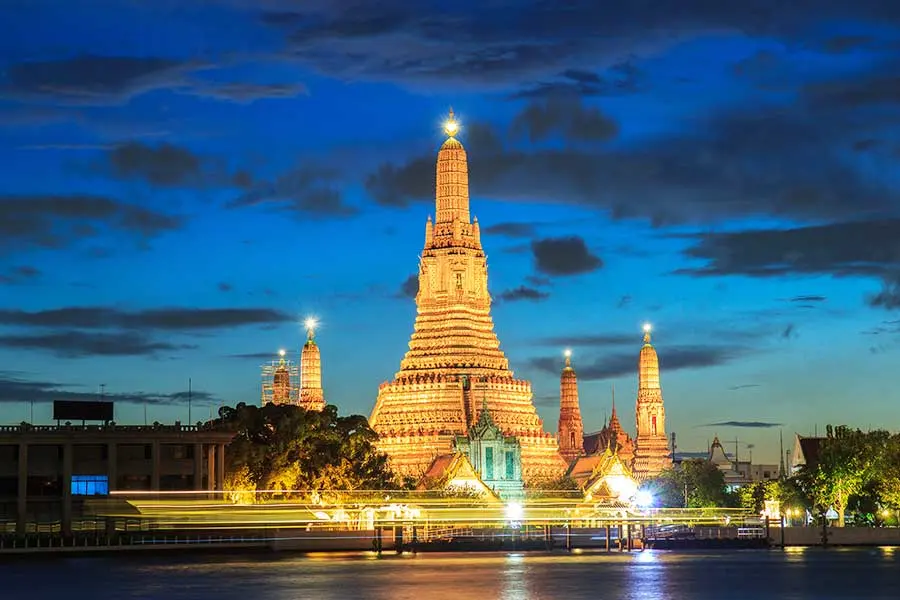
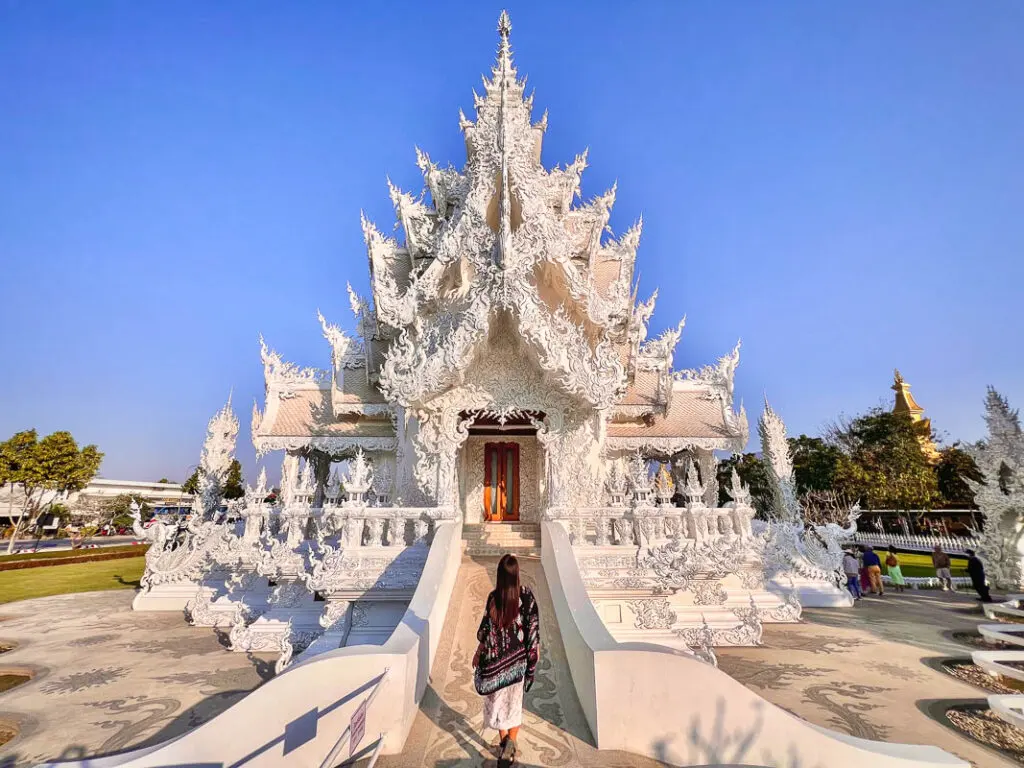
Thailand offers a diverse range of destinations catering to every type of traveler. Bangkok, the capital, is a sensory explosion of golden temples, massive shopping malls, and vibrant nightlife. Chiang Mai, located in the mountainous north, provides a slower pace of life, famous for its historic Old City, elephant sanctuaries, and lush trekking trails. It is the cultural heart of the country, offering a stark contrast to the urban sprawl of the capital.
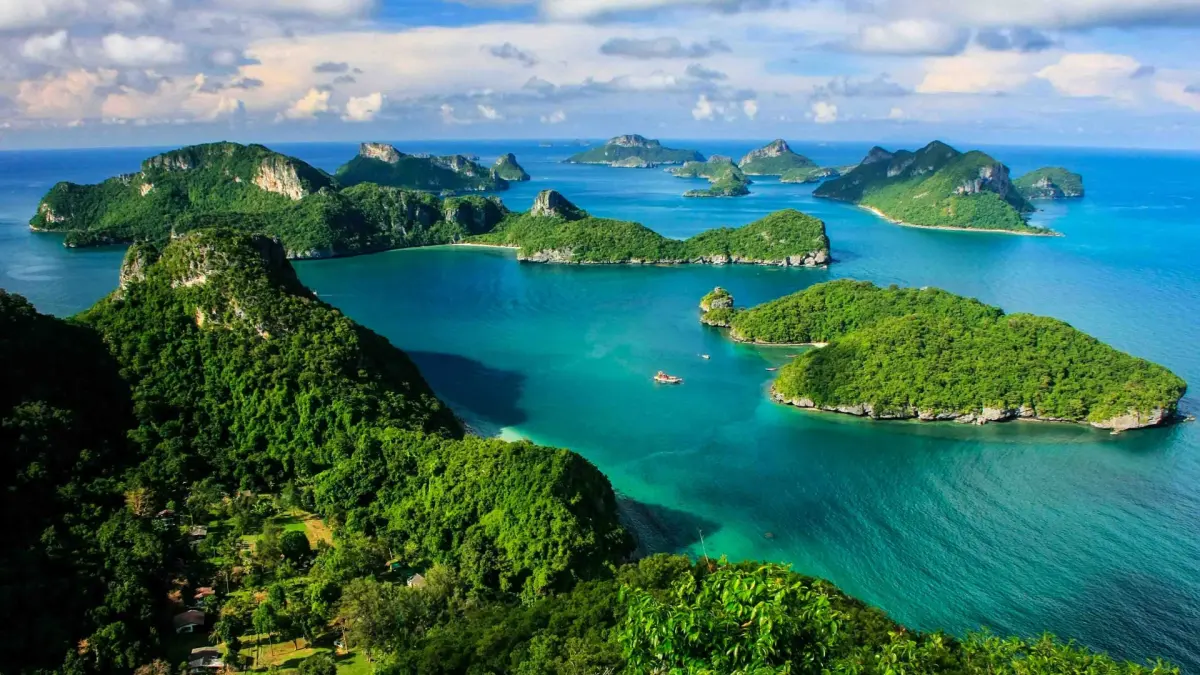
For beach lovers, the southern islands are world-renowned. Phuket is the largest island, offering extensive infrastructure and nightlife, while Krabi is famous for its dramatic limestone cliffs and turquoise waters. Koh Samui and Koh Phangan offer a mix of luxury resorts and famous full-moon parties. Each region has a distinct identity, and travelers often combine a city stay with an island retreat to experience the full spectrum of the country.
- Bangkok: Best for history, shopping, and urban exploration.
- Chiang Mai: Best for culture, nature, and mountain scenery.
- Krabi and Phuket: Best for beaches, diving, and water sports.
Common mistakes when traveling to Thailand
One of the most frequent mistakes travelers make is underestimating the heat and humidity. Dehydration can happen quickly, so carry a water bottle and drink frequently. Another common error is failing to carry small denominations of cash. While large malls accept credit cards, many street vendors and local transport options operate exclusively on cash. Having a supply of 20, 50, and 100-baht notes will make your daily transactions much smoother.
Finally, avoid "too good to be true" deals, especially regarding jewelry or gem shops. Scammers often target tourists by claiming a site is closed and offering a "special" tour that leads to high-pressure sales environments. If a stranger approaches you with an unsolicited offer for a tour or a shopping deal, politely decline and continue on your way. Stick to reputable tour operators and official tourist information centers to ensure your experience remains positive and secure throughout your stay.
Key facts
- Thailand is the world’s only Southeast Asian nation that was never colonized by a European power.
- The country is home to over 40,000 Buddhist temples, with Wat Phra Kaew in Bangkok housing the sacred Emerald Buddha.
- Thai cuisine is defined by the balance of five fundamental flavors: sweet, spicy, sour, bitter, and salty.
- Songkran, the Thai New Year celebrated in April, features a nationwide water festival symbolizing the washing away of bad luck.
- To avoid offense, always remove your shoes before entering a home or temple and never touch anyone on the head.
- When visiting religious sites, ensure your shoulders and knees are covered; carrying a light sarong is a practical way to comply.
The bottom line
Thailand offers a vibrant blend of ancient tradition and modern convenience, making it a premier destination for travelers. Whether you are exploring the ornate temples of Bangkok, relaxing on the pristine beaches of the southern islands, or sampling world-class street food, the country provides a rich cultural experience. By respecting local customs, dressing modestly at religious sites, and planning your travel around the seasons, you ensure a smooth journey.
People also ask
What is the best time of year to visit Thailand?
The ideal time to visit is during the cool, dry season from November to February. This period offers pleasant temperatures, though it is also the peak tourist season with higher prices.
Is it safe to drink tap water in Thailand?
No, tap water is not considered safe for consumption. Always purchase bottled water or use filtered water stations, which are widely available in cities and hotels.
Do I need a visa to enter Thailand?
Many nationalities are eligible for visa-exempt entry for tourism purposes for up to 60 days. Check the latest requirements from the Thai embassy in your home country before booking your flight.
What is the official currency and how should I pay for things?
The currency is the Thai Baht (THB). While major hotels and malls accept credit cards, cash remains essential for street food, local markets, and transportation in rural areas.
How should I address people in Thailand?
It is polite to use the title "Khun" before a person's first name. This is a respectful way to address both men and women in professional and social settings.
What is the most common form of local transport?
Tuk-tuks are iconic, but metered taxis and the BTS Skytrain are more efficient for navigating Bangkok. Always ensure a taxi driver turns on the meter before departing to avoid overcharging.
This answer was created with the help of AI research tools and reference sources. Spotted an error? Let us know — we correct mistakes quickly. See our editorial policy.
![What Singapore Is Famous for: 13 Iconic Things [2026]](/img/8b/what-is-singapore-known-for-1.webp)