Are sloths endangered?
Short answer
Sloths are not a single species, and their conservation status varies significantly. While some sloths are classified as Least Concern, others face severe threats. Specifically, the pygmy three-toed sloth is critically endangered, and the maned sloth is considered vulnerable. Habitat loss and human encroachment remain the primary drivers of these population declines.
On this page
Which sloth species are endangered?
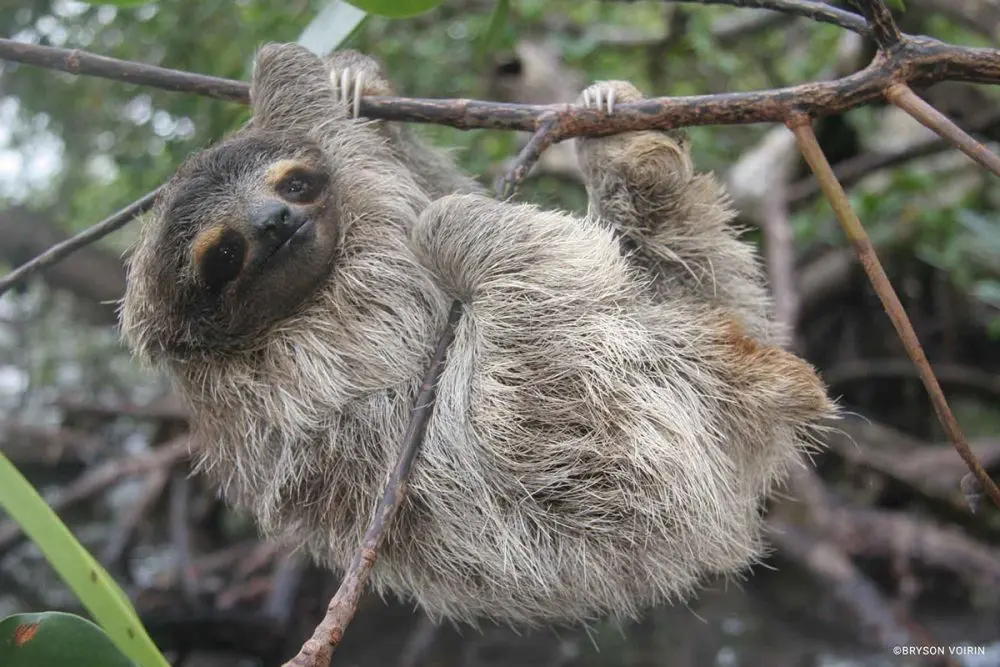
The conservation status of sloths is determined by the International Union for Conservation of Nature (IUCN). There are six recognized species of sloths, and they do not all share the same risk level. The pygmy three-toed sloth (Bradypus pygmaeus) is the most threatened, listed as Critically Endangered with a very small, isolated population on Isla Escudo de Veraguas in Panama. The maned sloth (Bradypus torquatus) is listed as Vulnerable due to the rapid destruction of the Atlantic Forest in Brazil.
Other species, such as the brown-throated sloth and the Hoffmann’s two-toed sloth, are currently categorized as Least Concern. However, scientists warn that these classifications can be misleading. Even common species are experiencing localized population drops as their forest homes are fragmented. Because sloths are slow-moving and highly specialized, they cannot easily migrate to new areas when their environment changes, making them particularly sensitive to even minor ecological shifts.
Why are sloth populations declining?
Habitat loss is the single greatest threat to sloth survival. Sloths rely entirely on dense, continuous forest canopies to travel, feed, and mate. When forests are cleared for agriculture, cattle ranching, or urban development, sloths become trapped in small, isolated patches of trees. This fragmentation prevents genetic diversity and makes it impossible for individuals to find sufficient food or mates.
Beyond habitat destruction, sloths face several human-induced dangers:
- Electrocution from uninsulated power lines that cross through forest canopies.
- Attacks by domestic dogs when sloths are forced to descend to the ground.
- Vehicle collisions on roads that bisect their natural habitats.
- Illegal wildlife trade, where sloths are captured for use as exotic pets or photo props for tourists.
These factors create a cumulative pressure that many sloth populations struggle to overcome. Because sloths have a very slow reproductive rate, often producing only one offspring every year or two, they cannot quickly recover from these high mortality rates.
How can people help protect sloths?
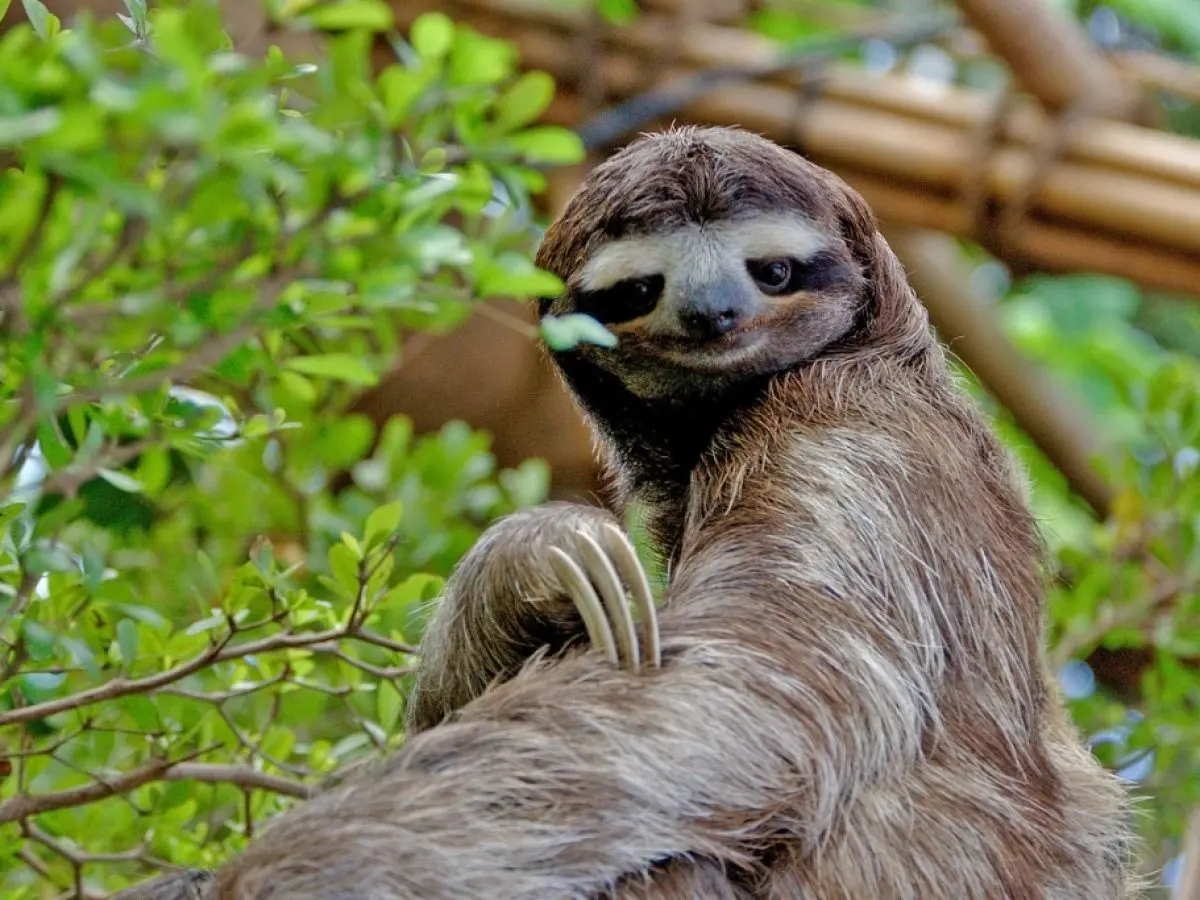
Supporting conservation efforts is the most effective way to help these animals. Many non-profit organizations work directly in Central and South America to restore biological corridors, which are strips of forest that connect fragmented habitats. By donating to or volunteering with these groups, individuals can contribute to reforestation projects that provide safe passage for sloths.
If you are interested in supporting sloth conservation, follow these steps:
- Research reputable organizations that focus on habitat restoration rather than just animal rescue.
- Avoid any tourism activities that involve holding, petting, or taking selfies with sloths.
- Support sustainable agriculture products, such as shade-grown coffee, which helps preserve the tree canopy.
- Educate others about the importance of protecting the tropical rainforest ecosystems that sloths call home.
By choosing ethical tourism and supporting sustainable land use, you help reduce the demand for captive sloths and protect the wild spaces they require to survive.
Common mistakes when interacting with sloths
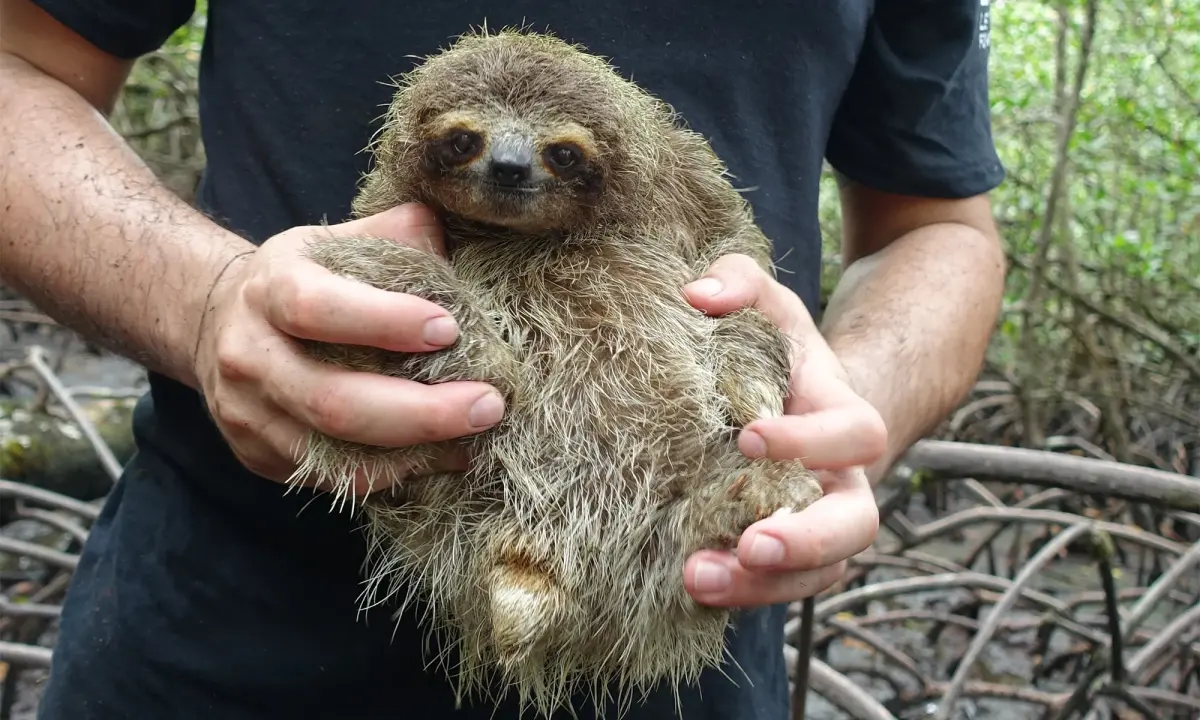
Many people mistakenly believe that sloths are docile pets or that they enjoy being handled by humans. In reality, sloths are wild animals that experience extreme stress when touched, held, or surrounded by crowds. A common mistake is visiting "sloth sanctuaries" that allow tourists to touch the animals. These facilities often prioritize profit over animal welfare, leading to the exploitation of sloths for photo opportunities.
Another error is attempting to "rescue" a sloth found on the ground. While it is true that sloths are vulnerable on the forest floor, they are not always in need of human intervention. If a sloth appears healthy, it may simply be moving between trees or descending to defecate. If you encounter a sloth that seems injured, do not attempt to move it yourself. Instead, contact a local wildlife rescue center or a veterinarian who has experience with arboreal mammals. Handling a stressed sloth can cause them to suffer from cardiac issues or bite in self-defense.
What is the future outlook for sloths?
The future of sloth populations depends heavily on how quickly humans can mitigate the impact of deforestation. Conservationists are currently focusing on "connectivity," which involves planting trees to create bridges between isolated forest fragments. These corridors allow sloths to move safely through the landscape, increasing their chances of finding food and mates. Furthermore, the installation of wildlife-friendly power lines is helping to reduce the number of accidental electrocutions in urbanized areas.
While the situation for species like the pygmy three-toed sloth is dire, dedicated research and protected area management provide a glimmer of hope. By maintaining the integrity of the tropical rainforest, we preserve not only the sloth but also the complex biodiversity that relies on these ancient ecosystems. Continued scientific monitoring will be essential to track population trends and adjust conservation strategies as environmental conditions change. Protecting these iconic creatures requires a long-term commitment to preserving the wild canopy that sustains them for future generations to observe in their natural, undisturbed state.
Key facts
- There are six living species of sloths, and their conservation statuses vary significantly across the group.
- The pygmy three-toed sloth (Bradypus pygmaeus) is listed as Critically Endangered, with fewer than 100 individuals estimated to remain in the wild.
- The maned three-toed sloth (Bradypus torquatus) is classified as Vulnerable due to rapid habitat loss in the Brazilian Atlantic Forest.
- Two-toed sloths are generally more resilient and widespread, currently listed as Least Concern by the IUCN.
- Habitat fragmentation caused by deforestation and infrastructure development remains the primary threat to all sloth populations.
- Avoid supporting tourism operations that allow visitors to handle or take selfies with sloths, as this causes significant stress to the animals.
The bottom line
While not all sloth species are currently endangered, the survival of many depends entirely on the protection of their shrinking tropical habitats. The pygmy three-toed sloth faces an urgent risk of extinction, while others suffer from human-driven fragmentation. By refusing to participate in unethical wildlife tourism and supporting habitat conservation efforts, you can help ensure these unique, slow-moving creatures continue to thrive in the wild.
People also ask
Why are pygmy sloths so endangered?
They are endemic to a single tiny island off the coast of Panama called Escudo de Veraguas. Because their habitat is so small and isolated, any environmental change or human interference threatens their entire population with extinction.
Do sloths make good pets?
No, sloths have highly specialized dietary and environmental needs that cannot be met in a home setting. Keeping them as pets is often illegal, highly unethical, and usually results in a shorter, stressful life for the animal.
How does deforestation affect sloths?
Sloths are arboreal creatures that rarely descend to the ground, making them entirely dependent on connected canopy cover. When forests are cleared for agriculture or roads, sloths become trapped in isolated patches, limiting their ability to find food and mates.
Are all sloths considered slow?
Yes, all six species have an exceptionally low metabolic rate, which dictates their slow movement and digestion. This evolutionary strategy helps them survive on a low-energy diet of leaves but leaves them vulnerable to predators when they are forced to travel on the ground.
Can I help protect sloths from home?
You can support reputable conservation organizations that work to restore forest corridors in Central and South America. Additionally, avoiding products that contribute to deforestation, such as unsustainable palm oil or beef, helps preserve the natural habitats sloths rely on.
What is the biggest mistake people make when trying to help sloths?
The most common error is participating in wildlife tourism where sloths are held or passed around by tourists. This contact is terrifying for the sloth, disrupts their natural behavior, and often encourages the illegal capture of wild animals for profit.
This answer was created with the help of AI research tools and reference sources. Spotted an error? Let us know — we correct mistakes quickly. See our editorial policy.