How long do crabs live?
Short answer
Crab lifespans vary significantly depending on the species, ranging from as little as one year to over 100 years. Small species like the pea crab typically live only a few years, while large crustaceans like the Japanese spider crab can thrive for a century in deep, stable ocean environments.
On this page
How long do different crab species live?
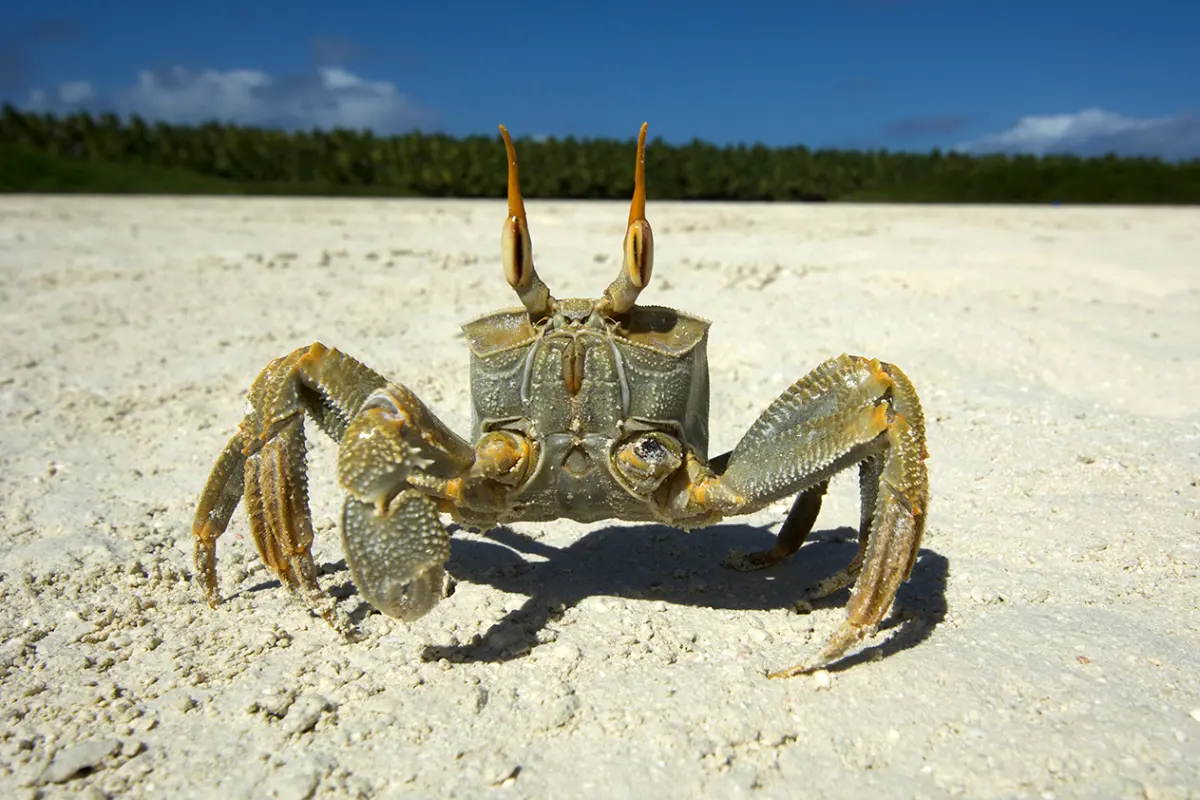
The lifespan of a crab is primarily determined by its species, size, and habitat. Smaller crabs often have faster life cycles, prioritizing rapid reproduction over longevity. In contrast, larger species that inhabit stable, deep-water environments tend to grow slowly and live significantly longer. Environmental stressors, such as temperature fluctuations and predation, also play a major role in determining how long an individual survives in the wild.
While there is no single "average" age for all crabs, researchers have categorized them into general groups based on their typical life expectancies:
- Pea crabs: 1–3 years
- Blue crabs: 3–5 years
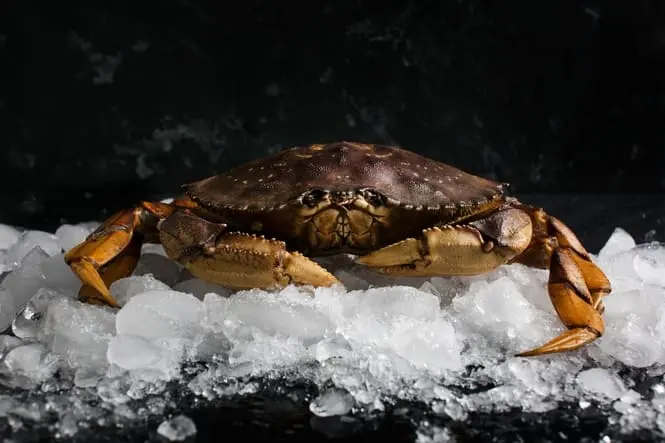
- Dungeness crabs: 8–10 years
- Coconut crabs: 30–60 years
- Japanese spider crabs: 50–100 years
These figures represent survival in optimal conditions. In the wild, most crabs succumb to predators, disease, or environmental changes long before reaching their maximum biological potential. Factors such as water quality, food availability, and the presence of natural enemies like octopuses or larger fish dictate whether a crab reaches its full lifespan.
Why do some crabs live longer than others?
Biological and environmental factors dictate the longevity of crustaceans. Larger species often exhibit "slow growth" strategies, where they invest energy into developing thick, protective exoskeletons rather than rapid maturation. This defensive investment allows them to survive encounters with predators that would easily kill smaller, softer-shelled species. Furthermore, deep-sea species benefit from consistent temperatures and lower metabolic rates, which contribute to slower aging.
Metabolism is a critical factor in crustacean longevity. Crabs living in colder, deeper waters generally have lower metabolic rates, which reduces cellular wear and tear over time. Conversely, species living in shallow, tropical waters often experience higher metabolic demands, leading to faster life cycles and shorter overall lifespans. Evolution has favored these different strategies to ensure that each species can successfully reproduce within its specific ecological niche.
How to care for pet crabs for longevity
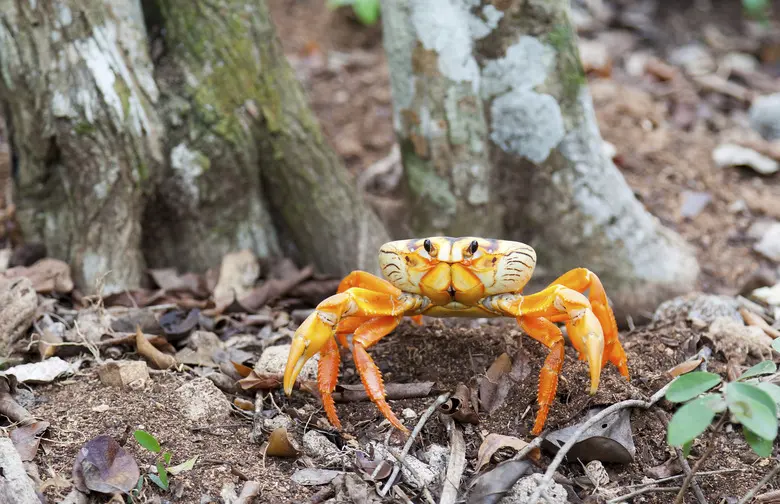
If you keep land crabs, such as hermit crabs or fiddler crabs, as pets, their lifespan depends heavily on your husbandry practices. While many people mistakenly believe these animals only live for a few months, proper care can extend their lives to a decade or more. The most important factors include maintaining consistent humidity, providing a varied diet, and ensuring the crab has enough space to molt safely.
To maximize the lifespan of a pet crab, follow these essential care steps:
- Maintain humidity levels between 70% and 80% to ensure proper respiratory function.
- Provide a deep substrate layer that allows the crab to burrow completely during the molting process.
- Offer a diverse diet consisting of calcium-rich foods, proteins, and fresh vegetables.
- Use a dechlorinated water source, as chlorine and heavy metals are toxic to crustacean gills.
- Avoid handling the crab frequently, as stress can significantly weaken its immune system.
Common mistakes when keeping pet crabs
The most frequent error owners make is underestimating the complexity of a crab’s environment. Many beginners purchase small, plastic enclosures that lack the necessary depth for molting or the ventilation required to prevent mold. When a crab is unable to dig into a substrate, it cannot shed its exoskeleton properly, which is a leading cause of premature death in captivity.
Another common mistake is failing to provide adequate nutrition. Crabs are scavengers that require a wide array of nutrients to build their shells. Relying solely on commercial "crab pellets" often leads to nutritional deficiencies. Furthermore, owners frequently neglect water quality, forgetting that crabs absorb minerals and chemicals through their gills. Using tap water without a proper conditioner can introduce harmful chemicals that cause long-term organ damage. Always research the specific needs of your crab species, as requirements for land-based hermit crabs differ drastically from those of aquatic fiddler crabs.
What factors shorten a crab's lifespan?
In the wild, the primary threats to a crab's longevity are predation, habitat destruction, and climate change. As coastal waters warm, the metabolic rates of many crab species increase, causing them to reach maturity faster but die sooner. Additionally, ocean acidification poses a severe threat, as it makes it increasingly difficult for crabs to construct their calcium carbonate shells. Without a sturdy shell, they become vulnerable to predators and environmental hazards.
Human activity also plays a significant role in reducing crab populations. Overfishing and the destruction of mangroves and seagrass beds remove the essential nurseries where young crabs grow. Pollution, particularly agricultural runoff and plastic waste, introduces toxins that accumulate in the tissues of these crustaceans. When these habitats are compromised, the entire population suffers, leading to shorter lifespans and reduced reproductive success. Protecting these delicate coastal ecosystems is essential for ensuring that these fascinating creatures continue to thrive in their natural environments for generations to come.
Key facts
- Most small crab species, such as the common shore crab, typically live between 3 and 5 years.
- Large species like the Japanese spider crab can live for 50 to 100 years in the wild.
- Blue crabs have a relatively short lifespan, generally living only 1 to 3 years.
- Crabs grow by molting their hard shells, a process that becomes less frequent as they age.
- Environmental factors like water temperature, predator density, and pollution levels significantly impact a crab's longevity.
- To keep pet crabs healthy, avoid tap water containing chlorine and ensure a stable, species-appropriate habitat temperature.
The bottom line
The lifespan of a crab depends heavily on its species, ranging from short-lived blue crabs to long-lived giants like the Japanese spider crab. While environmental hazards and predation pose constant risks, proper habitat maintenance is essential for those kept in captivity. Understanding that growth is tied to the molting process helps explain why these fascinating crustaceans require specific conditions to reach their natural age potential.
People also ask
Do all crabs grow to the same size?
No, crab sizes vary drastically across species. The pea crab is only a few millimeters wide, while the Japanese spider crab can reach a leg span of up to 12 feet.
How can you tell how old a crab is?
Determining the exact age of a crab is difficult because they do not have growth rings like trees. Scientists often estimate age by analyzing the wear on their shells or measuring the size of their appendages.
Do crabs die after they molt?
Molting is a dangerous process, but it is not inherently fatal. If a crab is stressed, lacks proper nutrients, or is disturbed during the soft-shell phase, it may die from exhaustion or predation.
How often do crabs molt?
Juvenile crabs molt frequently, sometimes every few weeks, to accommodate rapid growth. As they reach adulthood, the molting cycle slows down to once or twice a year.
Can crabs live in freshwater environments?
Most crabs are marine, but some species, such as the freshwater crab, have adapted to life in rivers and lakes. These species have specific physiological traits that allow them to regulate salt balance in non-saline water.
What is the biggest threat to a crab's lifespan?
Predation is the primary threat, as crabs serve as a food source for fish, birds, octopuses, and humans. Habitat destruction and water pollution also significantly shorten life expectancies in coastal regions.
This answer was created with the help of AI research tools and reference sources. Spotted an error? Let us know — we correct mistakes quickly. See our editorial policy.