What is condensation?
Short answer
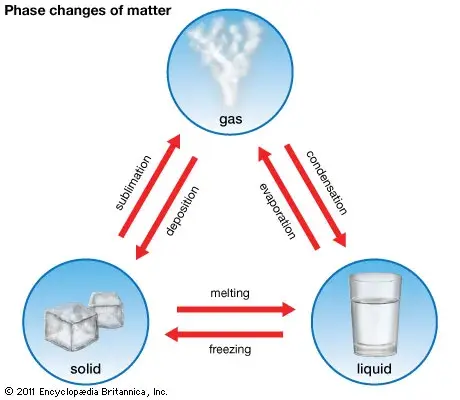
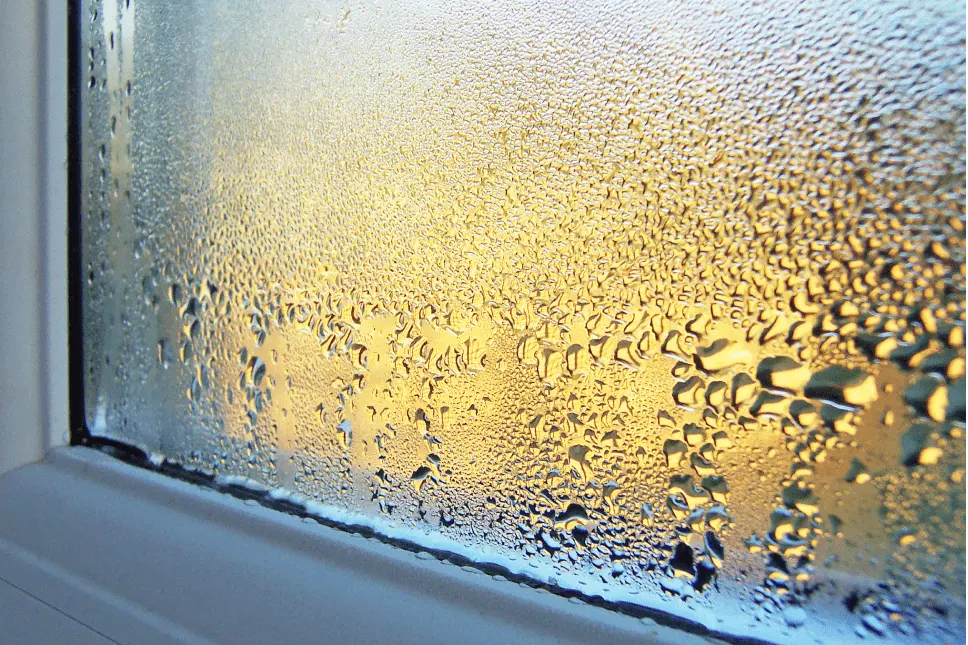
Condensation is the physical process where a substance changes from a gaseous state into a liquid state. This occurs when water vapor in the air loses thermal energy, typically upon contact with a cooler surface or through cooling of the surrounding atmosphere, causing the gas molecules to slow down and cluster together.
On this page
Why condensation happens
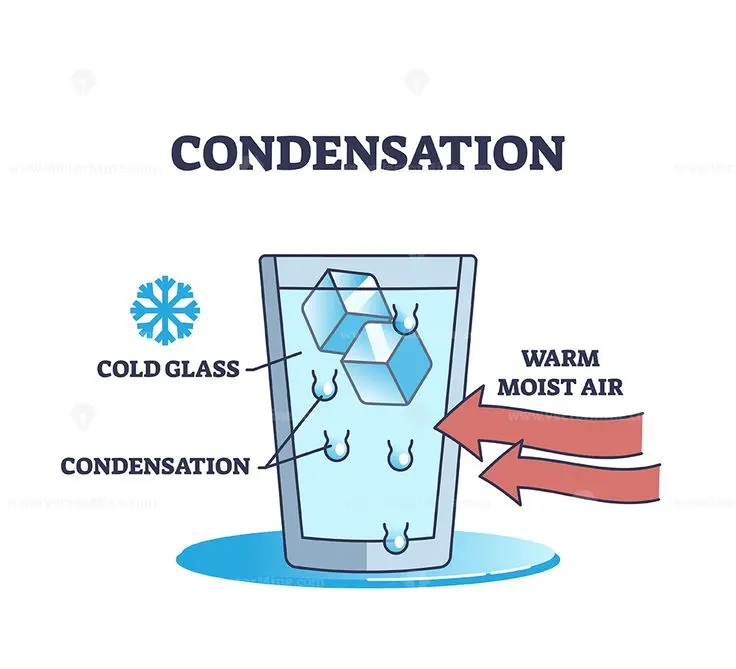
Condensation occurs because of the relationship between temperature and the kinetic energy of gas molecules. In a gaseous state, water molecules move rapidly and are spaced far apart. When these molecules encounter a surface with a lower temperature, they transfer their thermal energy to that surface. As they lose heat, their motion slows significantly, allowing intermolecular forces to pull them together into liquid droplets.
This phenomenon is governed by the dew point, which is the temperature at which air becomes saturated with moisture. Once the air reaches this temperature, it can no longer hold all its water in vapor form, forcing the excess to transition into liquid. This process is essentially the reverse of evaporation, where liquid gains enough energy to escape into the air as gas. Understanding this transition is fundamental to meteorology, engineering, and domestic maintenance.
How to manage condensation in homes
Excessive indoor moisture can lead to mold growth, structural rot, and damaged insulation. Managing this requires a balance between ventilation and temperature control. By keeping interior surfaces warm and ensuring air circulation, you can prevent the dew point from being reached on your walls or windows.
- Use exhaust fans in bathrooms and kitchens during and after activities that produce steam.
- Maintain a consistent indoor temperature to keep surfaces above the dew point.
- Utilize dehumidifiers in damp areas like basements or laundry rooms.
- Ensure furniture is pulled away from exterior walls to allow warm air to circulate behind it.
- Upgrade to double-pane windows, which provide better thermal insulation and keep the inner glass pane warmer.
Common mistakes when preventing condensation
Many people attempt to solve moisture issues with improper methods that can actually worsen the problem. One frequent error is sealing a home too tightly without providing adequate mechanical ventilation. While insulation is vital for energy efficiency, a home that cannot "breathe" traps humidity inside, leading to trapped water vapor that eventually settles on cold spots.
Another common mistake is ignoring the source of the moisture. Simply wiping down windows or using a dehumidifier treats the symptom rather than the cause. You must identify if the moisture is coming from internal activities, such as drying clothes indoors, or from external factors like foundation leaks or roof issues. Furthermore, setting a thermostat too low in an attempt to save money can cause wall temperatures to drop, inadvertently creating a perfect environment for condensation to form behind furniture or inside wall cavities.
How to measure humidity levels
Monitoring the amount of water vapor in your air is the most effective way to predict and prevent condensation issues. Humidity is typically measured as "relative humidity" (RH), which expresses the current amount of water vapor in the air as a percentage of the maximum amount the air could hold at that specific temperature.
- Use a digital hygrometer to track daily RH levels in different rooms.
- Aim for an indoor relative humidity between 30% and 50% for optimal comfort and health.
- Check readings during the early morning, as this is often when the air is coolest and RH is at its highest.
- If your hygrometer consistently shows readings above 60%, prioritize increasing ventilation or running a dehumidifier to prevent water from condensing on cold surfaces.
- Regularly calibrate your device to ensure the data remains accurate over time, as sensors can drift.
Examples of condensation in nature and science
Condensation is a powerful force that shapes the Earth's climate and sustains ecosystems. The most recognizable example is the formation of clouds, which occurs when warm, moist air rises into the atmosphere, cools, and condenses into tiny water droplets around microscopic particles like dust or salt. This same process is responsible for fog, which is simply a cloud that has formed at ground level due to rapid cooling of the air.
In the natural world, dew represents a localized form of condensation. During the night, objects like leaves and grass lose heat rapidly through radiation. When the air temperature drops to the dew point, water vapor condenses directly onto these surfaces. This provides essential moisture for many plants and insects in arid environments. From the microscopic transition of molecules to the massive formation of weather systems, condensation acts as a critical link in the global water cycle, ensuring the continuous redistribution of moisture across the planet.
Key facts
- Condensation is the exact opposite of evaporation, where liquid turns into gas.
- The temperature at which air becomes saturated and condensation begins is called the "dew point."
- Clouds, fog, and mist are all visible forms of condensation occurring in the atmosphere.
- To prevent window condensation in winter, keep indoor humidity levels below 50 percent using a dehumidifier.
- Condensation releases latent heat into the surrounding environment, which is a primary driver of weather patterns.
- A common mistake is blocking airflow near cold walls, which traps moisture and encourages mold growth.
The bottom line
Condensation is a fundamental phase change that occurs when water vapor cools and turns into liquid droplets. It is responsible for everything from morning dew and cloud formation to the moisture on your cold drink. By managing indoor humidity and ensuring proper ventilation, you can effectively control condensation in your living spaces, preventing common issues like water damage, peeling paint, and the growth of harmful household mold.
People also ask
Why do glasses fog up when entering a warm building from the cold?
The cold lenses cool the warm, moist air inside the building upon contact. This rapid cooling forces the water vapor in the air to condense into tiny droplets on the glass surface.
How does condensation contribute to mold in homes?
When warm, moist air hits cold surfaces like window frames or exterior walls, it creates liquid water. This constant moisture provides the ideal environment for mold spores to germinate and grow.
What is the difference between condensation and precipitation?
Condensation is the phase change of water vapor into liquid droplets, while precipitation is the result of those droplets growing large enough to fall to Earth. Rain, snow, and hail are forms of precipitation.
Why does sweat form on the outside of a cold drink?
The cold beverage container lowers the temperature of the air immediately surrounding it. As the air cools, it can no longer hold as much water vapor, causing it to condense onto the cup.
Can condensation occur if the air is perfectly dry?
No, condensation requires the presence of water vapor in the air. If the air has zero humidity, there is no moisture available to transition into a liquid state.
How can I reduce condensation on my bathroom mirror?
Running an exhaust fan during and after a shower effectively removes moisture from the air. You can also wipe the mirror with a small amount of shaving cream to create a temporary anti-fog barrier.
This answer was created with the help of AI research tools and reference sources. Spotted an error? Let us know — we correct mistakes quickly. See our editorial policy.