What is a sound wave?
Short answer
A sound wave is a mechanical vibration that travels through a medium, such as air, water, or solids, as a series of compressions and rarefactions. These waves are created by vibrating objects, which displace surrounding particles and transmit energy outward. They require a physical medium to propagate and cannot travel through a vacuum.
On this page
How do sound waves travel through air?
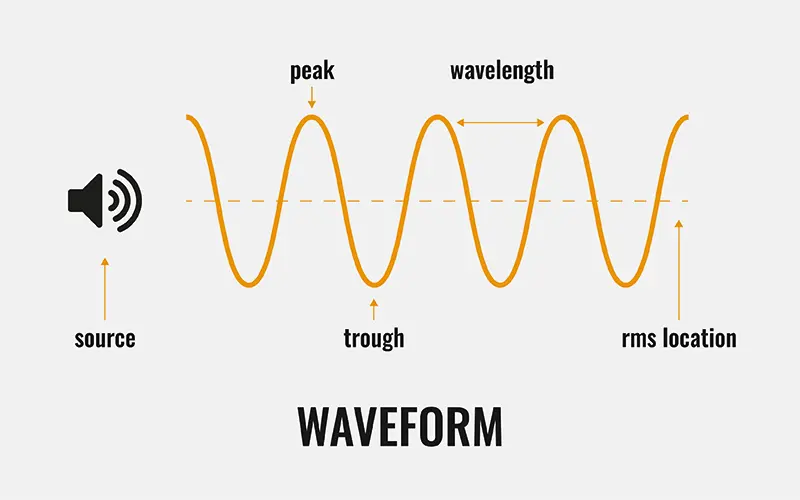
Sound waves originate from a mechanical disturbance, such as a guitar string vibrating or a vocal cord moving. As an object vibrates, it pushes against nearby air molecules, causing them to crowd together in a region known as a compression. When the object moves in the opposite direction, it leaves behind an area of lower density called a rarefaction. This rhythmic cycle of pushing and pulling creates a chain reaction that propagates through the air as a longitudinal wave.
The speed at which these waves travel depends heavily on the properties of the medium. In dry air at 20 degrees Celsius, sound travels at approximately 343 meters per second. Because sound relies on the physical collision of particles to transfer energy, it moves faster through denser materials where molecules are packed more tightly. This is why sound travels nearly four times faster in water than in air and even faster through solid steel, where the rigid molecular structure facilitates rapid energy transfer.
Why does pitch and volume change?
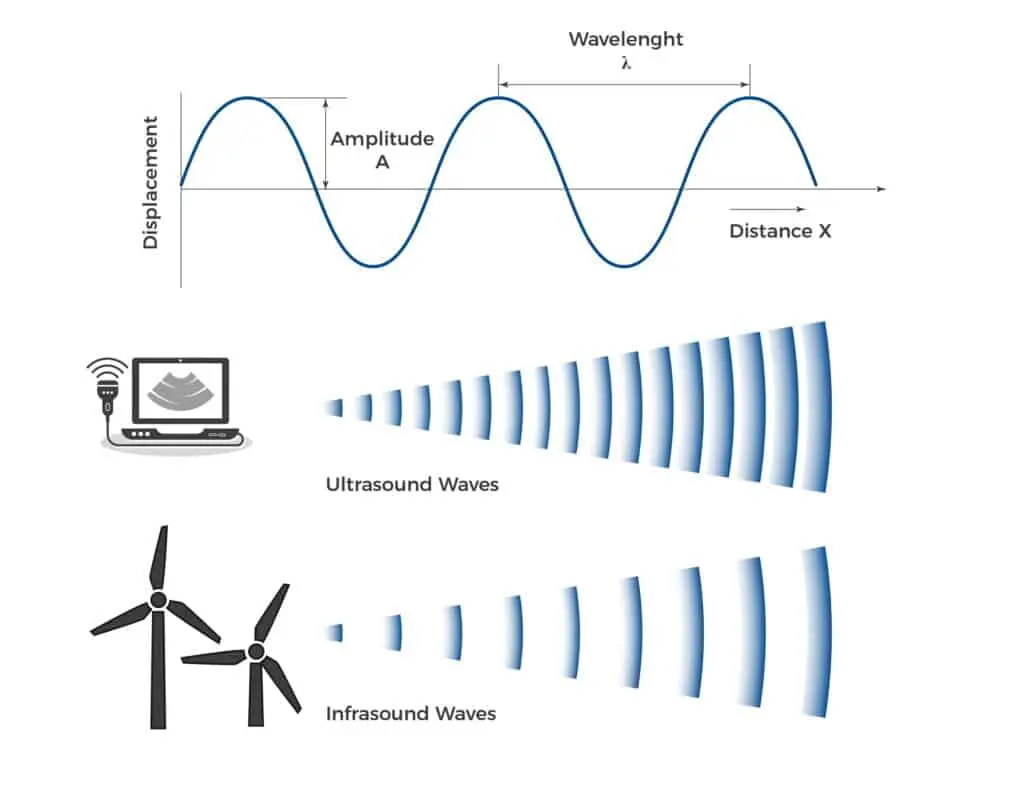
The characteristics of a sound wave are defined by its frequency and amplitude. Frequency refers to the number of vibrations occurring per second, measured in Hertz (Hz). Higher frequencies result in higher-pitched sounds, such as a whistle, while lower frequencies produce deep, bass-heavy tones. Human hearing typically ranges from 20 Hz to 20,000 Hz, though this range often narrows as people age or experience prolonged exposure to loud noise.
Amplitude, on the other hand, represents the intensity or energy of the wave. It is measured by the displacement of particles from their resting position; larger displacements create higher amplitude waves, which we perceive as greater volume. These measurements are typically expressed in decibels (dB), a logarithmic scale where every 10 dB increase represents a tenfold increase in sound intensity. Understanding these two variables allows scientists and audio engineers to manipulate sound for everything from medical ultrasounds to high-fidelity concert hall acoustics.
How to measure sound waves accurately
Measuring sound requires specialized equipment to capture the invisible fluctuations in air pressure. Scientists use microphones to convert these mechanical pressure changes into electrical signals, which can then be analyzed using software. If you are attempting to measure sound levels in your own environment, consider these steps:
- Download a reliable decibel meter application on your smartphone to serve as a basic reference tool.
- Ensure the microphone is unobstructed and held at a consistent distance from the sound source.
- Calibrate the device if possible, as built-in phone microphones are not as sensitive as professional-grade sound level meters.
- Take multiple readings over a period of time to account for ambient noise fluctuations in the room.
When analyzing data, remember that sound behaves differently in enclosed spaces. Reflections off walls, floors, and ceilings can create standing waves, which may artificially inflate or deflate your readings depending on where you stand in the room.
Why sound waves reflect and refract
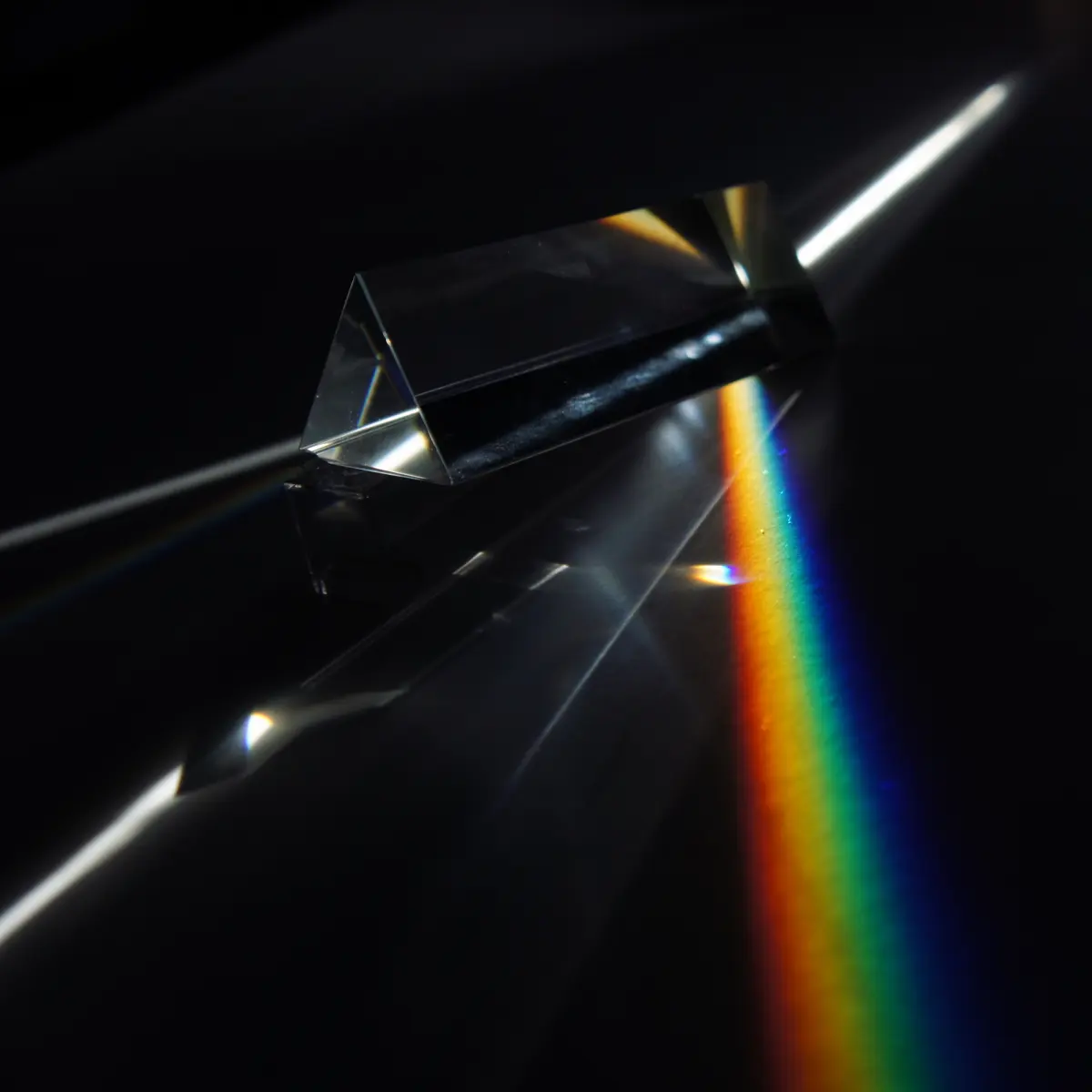
Sound waves do not always travel in a straight line; they interact with their environment through reflection, refraction, and diffraction. Reflection occurs when a sound wave hits a hard surface and bounces back, which is the physical basis for an echo. Architects must account for these reflections when designing theaters to ensure that sound is distributed evenly rather than creating muddy, overlapping echoes that make speech difficult to understand.
Refraction happens when sound waves pass through media of different densities or temperatures, causing the wave to bend. For example, sound often travels further at night because the air near the ground is cooler than the air above it, causing the sound waves to refract back toward the earth. Diffraction describes the ability of sound to bend around obstacles, such as a wall or a corner. This is why you can hear someone talking in another room even if you cannot see them, as the waves spread out after passing through a doorway.
Common mistakes when studying sound
Many people misunderstand the fundamental requirements for sound propagation. A common error is assuming that sound can travel through space. Because space is a vacuum, there are no particles to vibrate, meaning no sound can exist there regardless of how much energy is released. Another frequent mistake involves confusing the speed of sound with the speed of light. While light travels almost instantaneously across short distances, sound is relatively slow, which is why you see a lightning strike before you hear the thunder.
When performing experiments or setting up audio equipment, avoid these pitfalls:
- Placing speakers too close to corners, which can cause an unnatural buildup of low-frequency bass.
- Assuming all decibel meters are equally accurate across the entire frequency spectrum.
- Ignoring the impact of background noise, which can mask the specific sound wave you are trying to isolate.
- Failing to consider how soft materials like curtains or foam absorb sound energy, effectively dampening the wave and reducing its intensity.
By avoiding these errors, you can achieve much more precise results in your audio measurements and better understand the complex physics governing the sound waves that shape our daily auditory experience.
Key facts
- Sound waves are mechanical vibrations that travel through a medium like air, water, or solids.
- They cannot travel through a vacuum, such as outer space, because there are no particles to carry the energy.
- The speed of sound in dry air at 20°C (68°F) is approximately 343 meters per second (1,125 feet per second).
- Sound is a longitudinal wave, meaning the particles of the medium move back and forth in the same direction the wave travels.
- Pitch is determined by frequency, measured in Hertz (Hz), while volume is determined by amplitude, measured in decibels (dB).
- To visualize sound, try placing a piece of plastic wrap over a bowl with salt on top and hum near it; the salt will vibrate as the waves hit the surface.
The bottom line
Sound waves are the fundamental mechanism by which energy travels through physical matter to reach our ears. By understanding that sound requires a medium to propagate and that its characteristics are defined by frequency and amplitude, you can better grasp how we perceive the world. Whether through music or speech, these invisible vibrations shape our daily experiences and provide essential information about our surrounding environment.
People also ask
Can sound travel through walls?
Yes, sound waves cause the molecules in a wall to vibrate, which then transfers the energy to the air on the other side. Denser materials like concrete block sound better than thin materials like drywall.
Why does my voice sound different on a recording?
When you speak, you hear your voice through both air conduction and bone conduction from your skull. Recordings only capture the air-conducted sound, which lacks the low-frequency resonance you are used to hearing.
What is the difference between infrasound and ultrasound?
Infrasound consists of frequencies below 20 Hz, which are generally too low for humans to hear. Ultrasound refers to frequencies above 20,000 Hz, which exceed the upper limit of human hearing.
How does temperature affect the speed of sound?
Sound travels faster in warmer air because the molecules have more kinetic energy and collide more frequently. As temperature drops, the speed of sound decreases because the medium becomes less responsive to vibrations.
What is the Doppler effect?
This phenomenon occurs when a sound source moves relative to an observer, causing the wave frequency to shift. You hear this as a high-pitched sound approaching and a lower-pitched sound as it moves away, like a passing siren.
Is it possible to see sound waves?
You cannot see sound directly, but you can observe its effects using tools like a ripple tank or Schlieren photography. These methods reveal how pressure changes in a medium distort light or move physical objects.
This answer was created with the help of AI research tools and reference sources. Spotted an error? Let us know — we correct mistakes quickly. See our editorial policy.