What is White Rock famous for?
Short answer
White Rock, British Columbia, is world-renowned for its massive 486-ton glacial erratic boulder that gives the city its name. Situated on the shores of Semiahmoo Bay, this seaside community is famous for its historic 1,500-foot-long wooden pier, expansive sandy beaches, and a vibrant promenade that attracts thousands of visitors annually.
On this page
Why is the White Rock boulder famous?
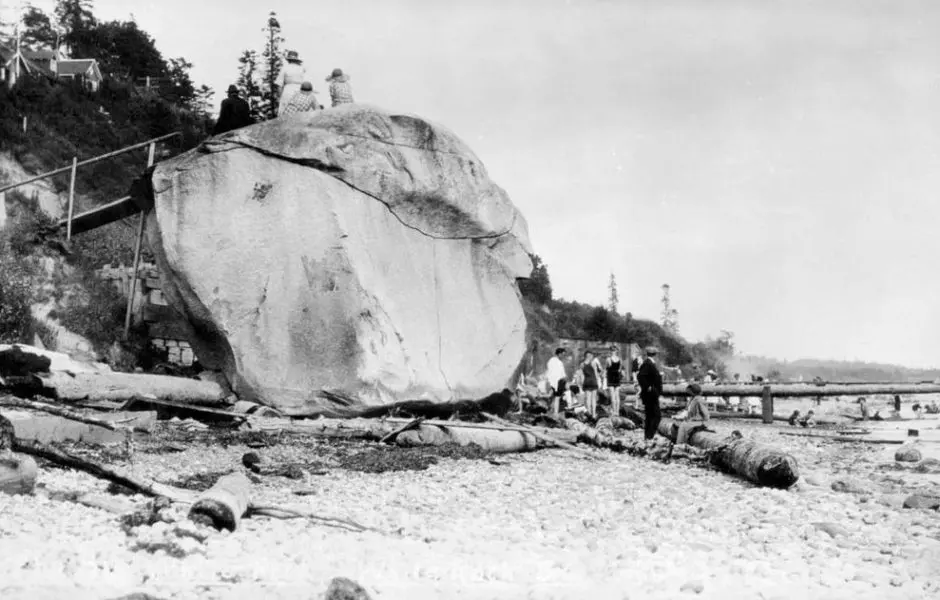
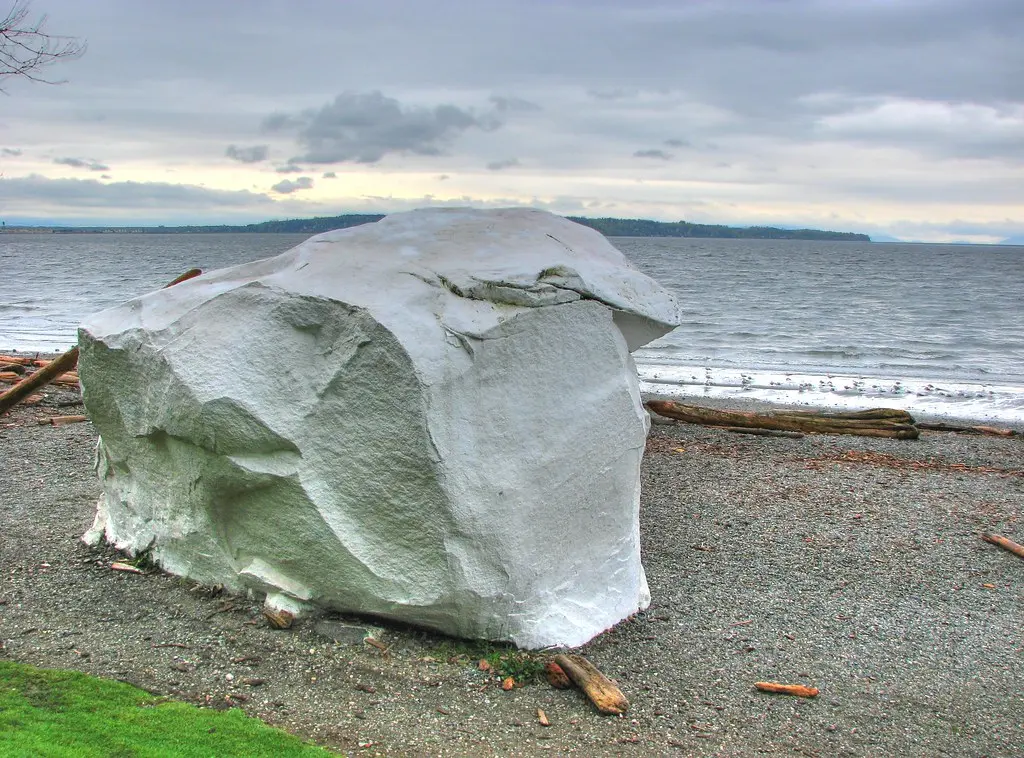
The city’s namesake is a colossal white-colored glacial erratic boulder located on the beach near the base of the pier. This geological formation weighs approximately 486 tons and was deposited by receding glaciers during the last ice age, roughly 10,000 to 12,000 years ago. Historically, the rock served as a vital navigational landmark for local Semiahmoo First Nations people and later for maritime sailors navigating the Salish Sea.
To maintain its iconic appearance, the city regularly paints the boulder white, a tradition that has persisted for decades to cover graffiti and preserve its historical aesthetic. While visitors often climb on or touch the rock, it remains a protected municipal landmark. It serves as the symbolic heart of the community, representing the intersection of geological history and local cultural identity. Many tourists prioritize visiting the rock first to capture photos, as it remains the most recognizable feature of the entire waterfront district.
How to enjoy the White Rock Pier
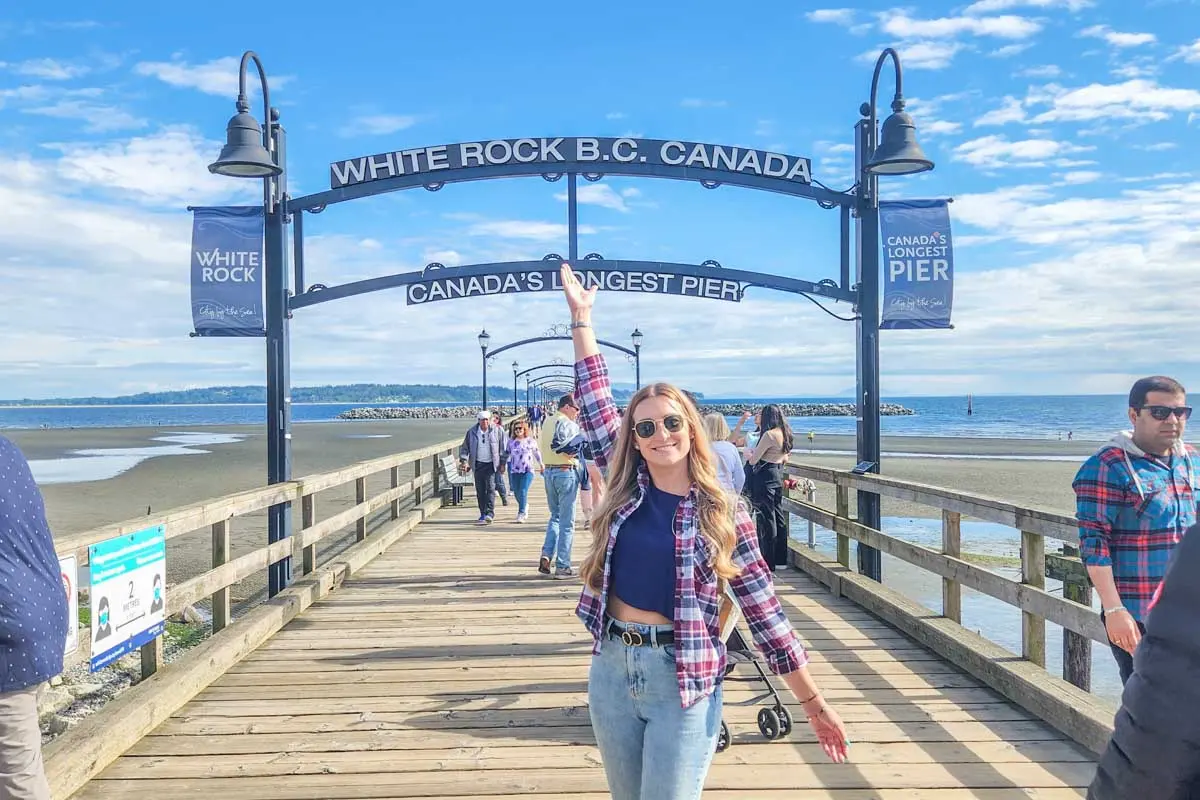
The White Rock Pier is the longest wooden pier in Canada, stretching 1,500 feet out into the shallow waters of Semiahmoo Bay. It is a premier destination for walking, fishing, and sunset photography. The pier underwent a major reconstruction following a severe windstorm in 2018, which caused significant structural damage, and it reopened to the public in 2019 with reinforced features.
When visiting the pier, consider these tips to maximize your experience:
- Arrive at least one hour before sunset to secure a prime viewing spot.
- Bring a light jacket, as the ocean breeze can be cool even on sunny days.
- Check the tide charts, as the water recedes significantly at low tide, revealing vast mudflats.
- Keep a respectful distance from local wildlife, such as harbor seals and various seabirds.
Walking the full length of the pier provides a panoramic view of the coastline, including the distant Olympic Mountains in Washington state. It is a favorite spot for locals to exercise and for families to enjoy the coastal atmosphere.
Best places to eat in White Rock
The waterfront area, known as Marine Drive, is famous for its dense concentration of restaurants and cafes that offer unobstructed views of the bay. Because of its proximity to the Pacific Ocean, the local culinary scene is heavily focused on fresh seafood, including fish and chips, oysters, and Dungeness crab. The strip is pedestrian-friendly, allowing visitors to walk from the beach directly into a variety of dining establishments.
If you are planning a meal in the area, follow these steps to ensure a good experience:
- Research menus online beforehand, as popular waterfront spots often require reservations on weekends.
- Look for patio seating, which is the preferred way to dine during the warmer spring and summer months.
- Inquire about the "catch of the day" to ensure you are getting the freshest local seafood available.
- Walk along the promenade after your meal to digest while enjoying the cool evening air.
Avoid dining only at the first restaurant you see; the variety of international cuisines available along Marine Drive is one of the city's best-kept secrets.
What to do in White Rock for families
White Rock is a top-tier destination for families due to its safe, shallow waters and accessibility. During the summer, the beach is perfect for swimming, sandcastle building, and beachcombing. The promenade, which runs parallel to the beach and the railway tracks, provides a flat, paved path that is ideal for strollers, rollerblades, and bicycles.
Beyond the beach, the city offers several parks and cultural venues that keep children engaged. The local museum, housed in a historic train station, provides educational insights into the region's railway history. During the summer months, the city also hosts outdoor concerts and festivals at Memorial Park. These events are generally family-oriented and offer a great way to experience the local community spirit. Always supervise children near the railway tracks, as active trains still pass through the area multiple times per day, providing a thrilling but potentially dangerous sight for younger visitors.
Common mistakes when visiting White Rock
One of the most frequent errors visitors make is underestimating the difficulty of parking during peak summer weekends. The waterfront parking lots fill up very early, often by mid-morning, and parking enforcement is strict throughout the city. To avoid a parking ticket or frustration, consider parking in the uptown area and taking the local shuttle or walking down the steep hill to the beach.
Another common mistake is ignoring the tide levels when planning activities. Because the bay is quite shallow, the water can recede for hundreds of yards, making swimming impossible at low tide. Always check the local tide tables to ensure you are visiting when the water is high enough for water-based activities. Additionally, visitors often forget that the railway tracks are private property; crossing them at unauthorized points is illegal and dangerous. Always use the designated pedestrian crossings to move between the promenade and the beach. By planning your transportation and timing in advance, you can ensure a stress-free visit to this beautiful coastal destination.
Key facts
- The city is named after a distinct 486-ton glacial erratic boulder located on the beach, which is painted white to deter graffiti.
- White Rock features an iconic 1,540-foot-long wooden pier that serves as a popular destination for walking, fishing, and viewing sunsets.
- It is located on the Semiahmoo Peninsula in British Columbia, Canada, bordering the United States at the Peace Arch crossing.
- The city enjoys a microclimate that typically records more sunshine hours annually than neighboring Vancouver.
- Marine Drive serves as the primary commercial hub, offering a dense concentration of restaurants and boutiques overlooking Semiahmoo Bay.
- Visitors should avoid parking in residential zones near the beach, as strict permit-only enforcement and high fines are common.
The bottom line
White Rock is a premier coastal destination defined by its namesake glacial boulder and historic wooden pier. Located just north of the U.S. border, the city offers a relaxed seaside atmosphere, unique microclimate, and vibrant dining scene. Whether you are walking the scenic promenade or exploring the local boutique shops, the area provides a quintessential Pacific Northwest experience that remains accessible to all visitors year-round.
People also ask
Is the White Rock boulder natural?
Yes, the boulder is a glacial erratic deposited by retreating ice sheets approximately 10,000 years ago. It is maintained with white paint by the city to preserve its historical significance.
Can you swim at White Rock Beach?
Swimming is popular during the summer months, though the water temperature remains quite cool due to the Pacific currents. Always check local water quality reports before swimming, especially after heavy rainfall.
How do I get to White Rock from Vancouver?
You can reach the city by driving south on Highway 99 for about 45 minutes. Public transit options include the TransLink bus system, though it typically requires a transfer from the SkyTrain network.
Are dogs allowed on the beach?
Dogs are permitted on the promenade and the beach area, but they must be kept on a leash at all times. Be mindful of posted signage, as some specific zones may restrict pets during peak summer hours.
What is the best time to visit the pier?
Weekdays or early mornings are ideal to avoid the heavy weekend crowds. Sunset is the most popular time to visit, offering excellent photography opportunities across the bay.
Is there an admission fee for the beach or pier?
Access to the beach and the pier is completely free for the public. You only need to budget for paid parking, which is strictly enforced throughout the waterfront area.
This answer was created with the help of AI research tools and reference sources. Spotted an error? Let us know — we correct mistakes quickly. See our editorial policy.