What is Quarry Rock?
Short answer
Quarry rock refers to stone extracted from open-pit mines or quarries for use in construction, landscaping, and infrastructure projects. It encompasses various sizes and types, ranging from massive boulders to crushed gravel. These materials serve as essential foundations for roads, drainage systems, decorative garden features, and structural concrete production worldwide.
On this page
What is quarry rock used for?
Quarry rock serves as a fundamental building block in modern infrastructure and residential landscaping. In civil engineering, large-scale crushed stone provides the load-bearing foundation for highways, railways, and airport runways. These materials are engineered to distribute weight evenly, preventing the ground from shifting under heavy traffic or environmental stress. Beyond heavy construction, quarry rock is a staple in residential design for drainage solutions, driveway surfacing, and aesthetic garden borders.
The versatility of the material depends largely on its processing and mineral composition. By crushing raw stone into specific dimensions, producers create products tailored for distinct functions. Common applications include:
- Base layers for concrete slabs and asphalt paving.
- Riprap to prevent soil erosion along shorelines and embankments.
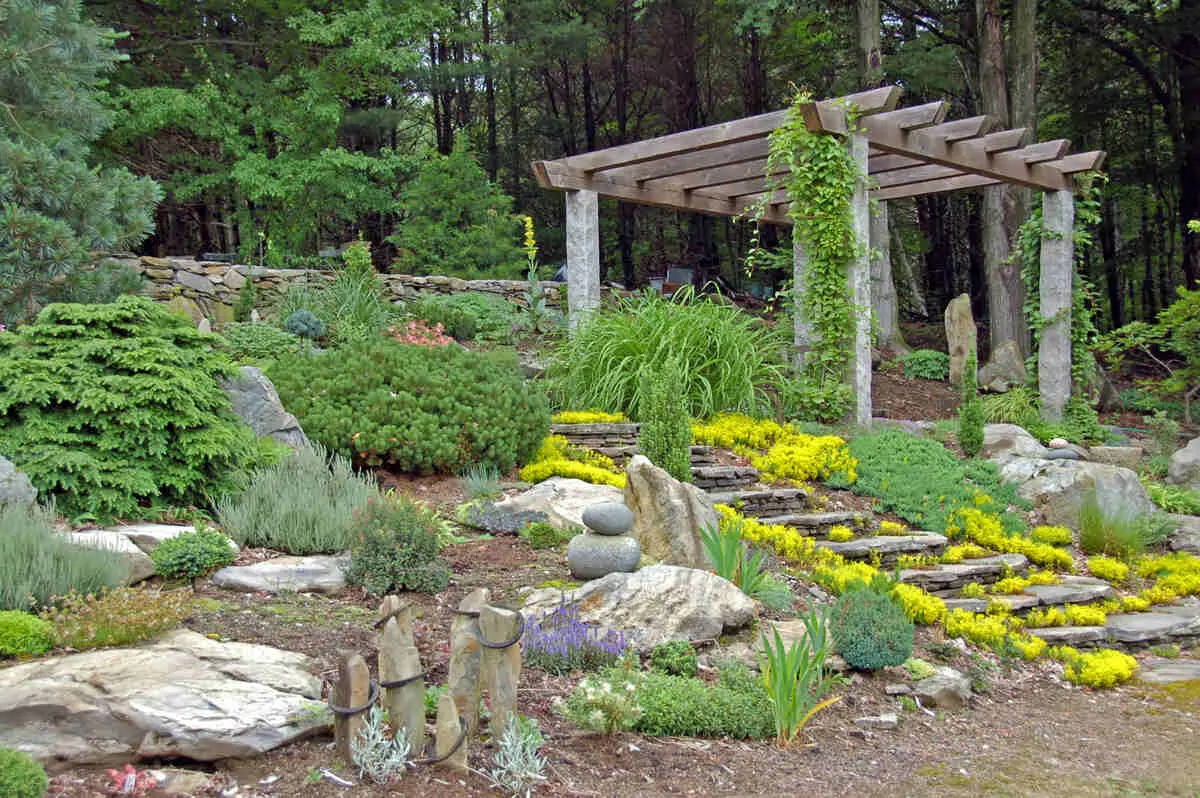
- Decorative mulch alternatives in xeriscaping or rock gardens.
- Aggregate material mixed into concrete to increase structural density.
- Bedding material for underground utility pipes and drainage tiles.
How is quarry rock produced?
The production process begins with the identification of a rock deposit, typically granite, limestone, or basalt. Geologists assess the quality and density of the stone before extraction permits are granted. Once a site is active, workers use controlled explosives or heavy-duty hydraulic breakers to fracture the bedrock into manageable pieces. This raw material is then transported to a primary crusher, which reduces the massive boulders into smaller, more uniform fragments.
After the initial crushing, the material undergoes a rigorous screening process. Vibrating screens with different mesh sizes sort the rocks into specific categories, from fine dust to large cobbles. This ensures that the final product meets the precise specifications required by contractors and engineers. The process is highly mechanized, focusing on efficiency and consistency to ensure the structural integrity of the stone remains intact throughout the crushing and sorting stages.
What are the different types of quarry rock?
Not all quarry rock is identical, as the chemical makeup and hardness of the stone vary by geological origin. Limestone is perhaps the most common variety, prized for its relative ease of extraction and its versatility in both construction and agricultural applications. Granite, by contrast, is much harder and more durable, making it the preferred choice for heavy-duty road bases and high-traffic areas where longevity is the primary concern.
When selecting stone, professionals categorize materials based on their size and intended use. Understanding these classifications helps in achieving the desired stability or aesthetic effect:
- Crusher run: A mix of crushed stone and fine dust that compacts tightly for driveways.
- Clear stone: Uniformly sized rocks without dust, ideal for drainage.
- Riprap: Large, heavy stones used for slope stabilization.
- Pea gravel: Small, rounded stones often used for walkways and decorative mulch.
- Base rock: Larger, angular stones used as the foundation for heavy construction.
How to choose the right quarry rock for a project?
Choosing the correct rock requires an assessment of your project's load-bearing needs and drainage requirements. If you are building a driveway, you must prioritize compaction; a mixture containing fine dust, such as crusher run, is essential because the dust acts as a binder. Conversely, if you are installing a French drain, you must avoid dust entirely. Using material with fine particles in a drainage system will eventually lead to clogging, which renders the entire system ineffective.
Aesthetics also play a significant role in landscape projects. Consider the color and texture of the stone, as these elements will remain visible for years. Granite often offers a speckled, gray aesthetic, while limestone typically appears in shades of white or light tan. Before committing to a large delivery, request a sample to see how the rock looks when wet and dry, as the appearance can change significantly under different weather conditions.
Common mistakes when buying and installing quarry rock
One of the most frequent errors is underestimating the volume of rock needed for a project. Many homeowners calculate the area but fail to account for the depth required to prevent weeds or ensure proper drainage. Always measure the depth in inches and multiply by the square footage to determine the cubic yardage. Ordering too little often results in additional delivery fees, while over-ordering leaves you with an unsightly pile of excess material that is difficult to move.
Another common mistake involves improper site preparation. Failing to install a high-quality landscape fabric beneath your rock layer often leads to the material sinking into the soil over time. This ruins the look of the project and allows weeds to grow through the stones. Follow these steps to ensure a professional finish:
- Clear all organic debris and topsoil from the area.
- Level the ground surface to prevent pooling water.
- Lay a durable geotextile fabric to separate the rock from the subgrade.
- Spread the rock evenly using a rake to achieve a uniform depth.
- Compact the surface using a plate compactor if the area will be used for vehicle traffic.
Key facts
- Quarry Rock refers to large, naturally occurring rock formations or man-made outcrops often used as landmarks for hiking and recreation.
- The most famous "Quarry Rock" is a popular hiking destination located in Deep Cove, North Vancouver, British Columbia.
- This specific site features a massive granite outcrop that provides a panoramic view of Indian Arm and the surrounding mountains.
- Quarry rock is also a technical term in construction for blasted stone used in riprap, road base, or as aggregate in concrete production.
- When hiking to a natural landmark like the Deep Cove Quarry Rock, always stay on marked trails to prevent soil erosion and protect local vegetation.
- Always check local weather forecasts and trail conditions before visiting outdoor rock sites, as surfaces can become extremely slippery when wet.
The bottom line
Quarry Rock represents both a significant geological feature in construction and a beloved recreational destination for hikers. Whether you are interested in the structural utility of quarried stone or the scenic beauty of the North Vancouver lookout, understanding the environment is essential. By respecting trail regulations, prioritizing safety, and preparing for the terrain, visitors can enjoy these natural landmarks while preserving them for future generations.
People also ask
How long does the hike to the famous Quarry Rock in Deep Cove take?
The hike typically takes about 1.5 to 2 hours for a round trip, covering approximately 3.8 kilometers. It is considered a moderate trail with several sets of wooden stairs and uneven terrain.
Is it safe to jump off Quarry Rock into the water below?
No, jumping from the rock into the water is extremely dangerous and strictly prohibited. The water depth is unpredictable, and submerged obstacles can cause severe injury or death.
What should I bring when visiting a natural rock viewpoint?
You should carry plenty of water, wear sturdy hiking shoes with good grip, and bring a light jacket. Always pack out any trash you generate to keep the natural environment pristine.
Can I bring my dog on the Quarry Rock trail?
Yes, dogs are generally allowed on the trail, but they must be kept on a leash at all times. Be prepared to pick up after your pet to maintain trail hygiene.
Does Quarry Rock require a parking permit or entrance fee?
Access to the trail is free, but parking in the Deep Cove area is highly limited and often requires payment in designated zones. It is recommended to arrive early in the morning or use public transportation.
What is the best time of year to visit Quarry Rock?
The trail is accessible year-round, but spring and fall offer the most comfortable temperatures. Summer weekends can be exceptionally crowded, so visiting on a weekday is advised for a quieter experience.
This answer was created with the help of AI research tools and reference sources. Spotted an error? Let us know — we correct mistakes quickly. See our editorial policy.