Where do cheetahs live?
Short answer
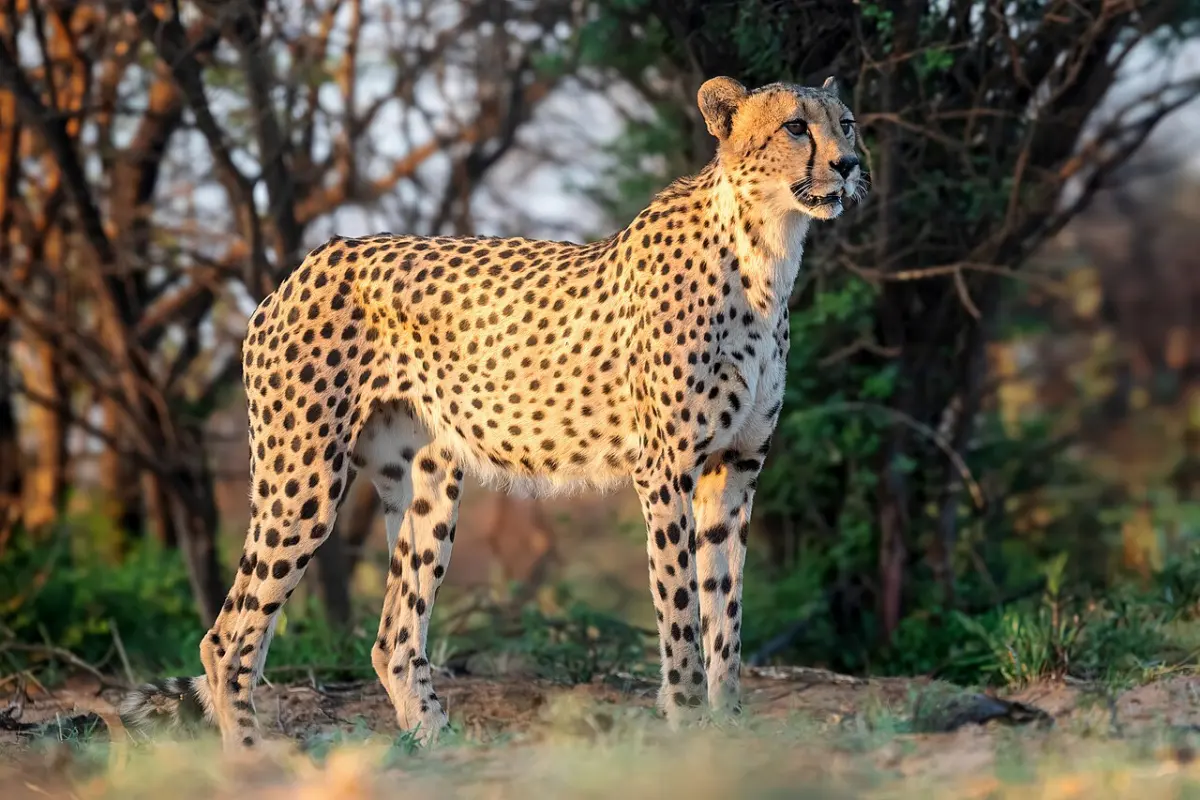
Cheetahs primarily inhabit sub-Saharan Africa, with a small, isolated population remaining in central Iran. They thrive in open grasslands, savannas, and arid regions where prey is abundant. While they once roamed across much of Asia and Africa, human encroachment and habitat loss have significantly restricted their current geographic range today.
On this page
Where do cheetahs live in the wild today?
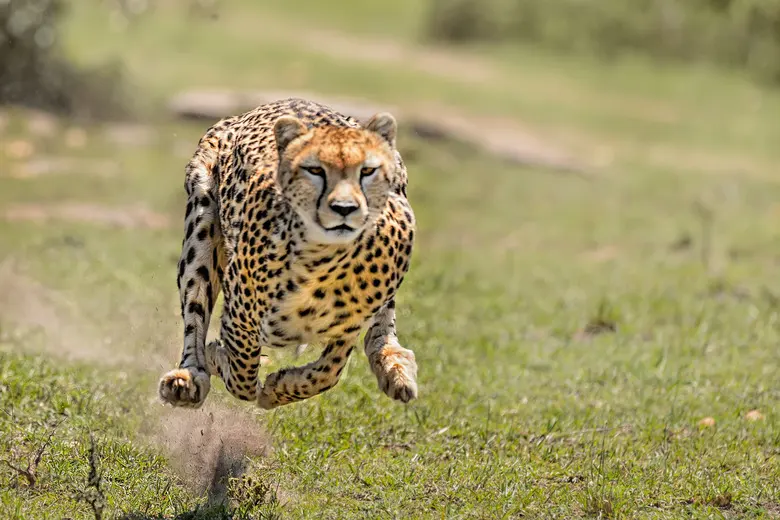
The vast majority of the world’s remaining cheetah population resides in eastern and southern Africa. Countries such as Namibia, Botswana, South Africa, and Tanzania host the most significant concentrations of these big cats. They prefer expansive landscapes that provide clear visibility for hunting, such as the Serengeti plains or the Kalahari Desert. These environments allow cheetahs to utilize their incredible speed to chase down prey without being hindered by dense forest cover or thick vegetation.
A tiny, critically endangered population of Asiatic cheetahs survives in the arid plateaus of central Iran. This group represents the last vestige of a subspecies that once spanned from the Middle East to India. These cats have adapted to survive in harsh, desert-like conditions where water is scarce and prey is difficult to find. Conservationists work tirelessly to protect these few remaining individuals, as they are separated from their African counterparts by thousands of miles of inhospitable terrain.
How to identify suitable cheetah habitats
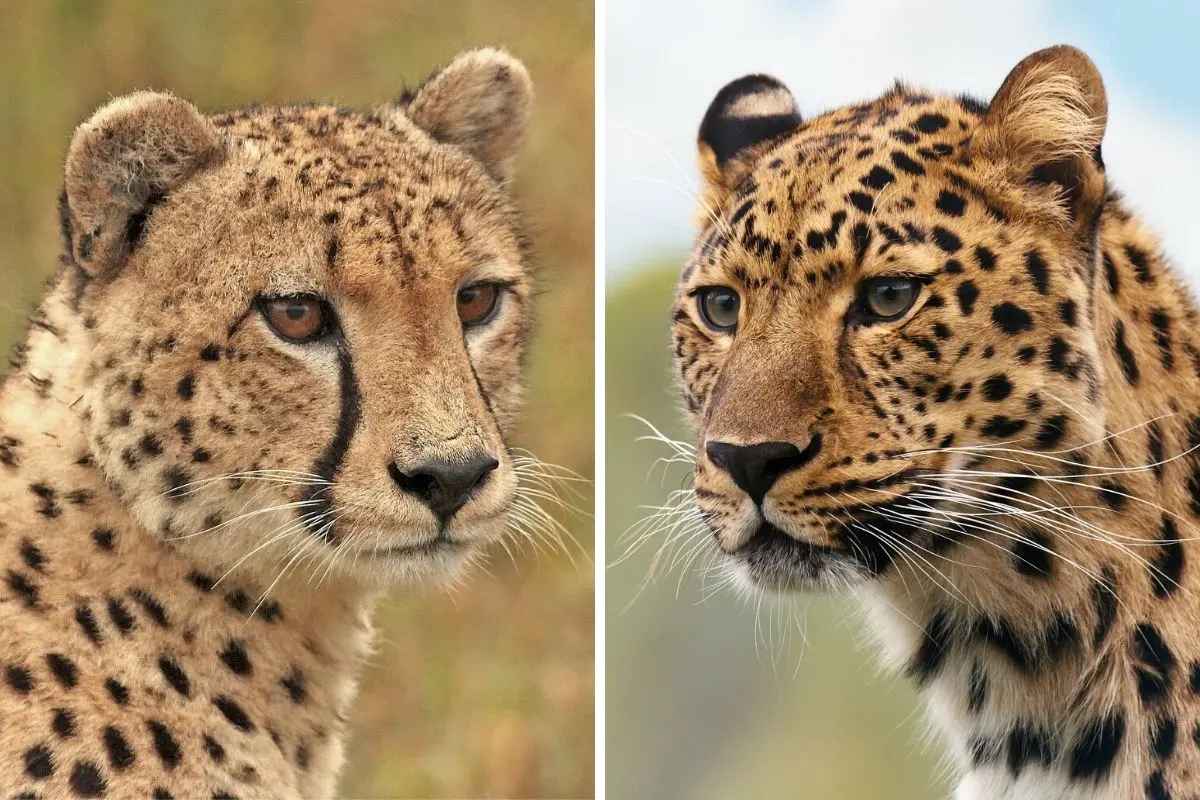
Cheetahs are highly selective about their environment because they rely on specific physical features to survive. They avoid dense forests and mountainous terrain, as these areas favor ambush predators like leopards or lions. Instead, they seek out regions with the following characteristics:
- Open grasslands or savannas that offer long lines of sight.
- Moderate tree cover that provides shade and cover for cubs.
- Proximity to reliable water sources, though they can survive with minimal intake.
- A high density of medium-sized ungulates, such as impala or gazelles.
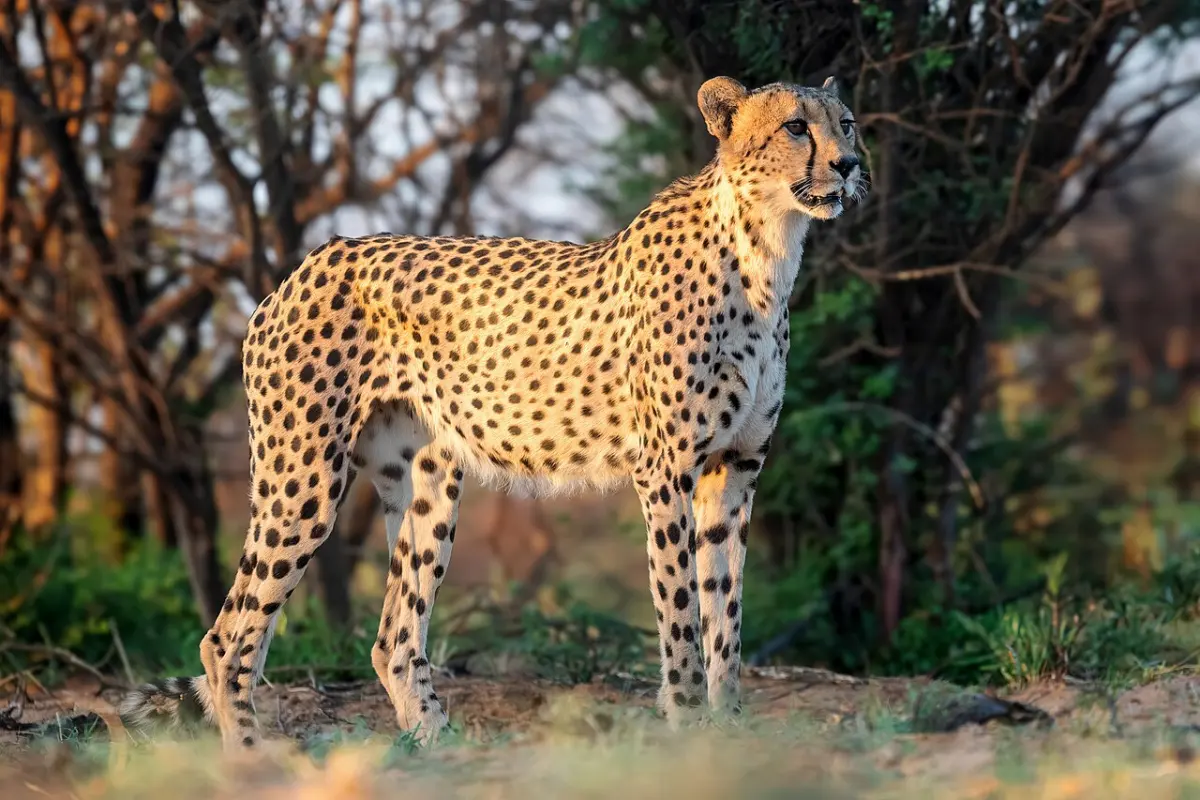
The presence of other large predators is a major factor in where cheetahs choose to live. Cheetahs are relatively small and fragile compared to lions and hyenas, which often steal their kills. Consequently, they frequently inhabit "buffer zones" on the fringes of protected parks. By staying near the edges of these territories, they minimize direct competition with larger carnivores while still accessing the prey populations that congregate in the open plains.
Why cheetahs struggle in human-dominated landscapes
The primary reason for the decline in cheetah range is the conversion of wild land into agricultural fields and livestock pastures. As humans expand their footprint, they fragment the corridors that cheetahs use to migrate and find mates. This isolation leads to reduced genetic diversity, which makes the species more susceptible to disease and environmental shifts. Furthermore, farmers often view cheetahs as a threat to their livestock, leading to retaliatory killings.
To mitigate these conflicts, conservationists have introduced several strategies to keep both cheetahs and local communities safe:
- Implementing livestock guarding dogs, such as the Anatolian Shepherd, to deter predators.
- Building predator-proof enclosures for nighttime protection of herds.
- Establishing community-based conservancies that provide economic incentives for protecting wildlife.
- Creating wildlife corridors that allow cheetahs to move between protected areas without crossing human settlements.
Common mistakes when tracking cheetahs
Many amateur wildlife enthusiasts assume that cheetahs can be found anywhere in the African bush, but this is a major misconception. A common mistake is searching in thick, wooded areas where these cats are rarely found because they cannot hunt effectively there. Another error is assuming that cheetahs are nocturnal; unlike lions or leopards, cheetahs are primarily diurnal. They prefer to hunt during the early morning or late afternoon to avoid the heat of the midday sun and to stay alert for larger predators.
Travelers should also avoid the mistake of approaching cheetahs on foot. Even though they are not typically aggressive toward humans, they are wild animals that require significant space. If you are on a safari, always remain inside the vehicle and maintain a respectful distance. Getting too close can cause the animal to abandon a hunt or force a mother to leave her cubs, which significantly lowers their chances of survival. Always listen to your guide, as they understand the local behavior patterns of the specific cheetahs in that region.
Best ways to support cheetah conservation
If you are interested in helping ensure the future of these cats, the most effective approach is to support organizations that focus on habitat preservation. Protecting the land is the single most important factor in preventing extinction. You can contribute by donating to reputable NGOs that work with local farmers to promote coexistence. Supporting eco-tourism in regions where cheetahs live also provides the local population with a financial reason to protect the species rather than viewing them as pests.
When choosing a conservation effort to support, look for programs that prioritize:
- Land acquisition to create permanent wildlife sanctuaries.
- Education initiatives that teach local communities about the ecological value of predators.
- Scientific research that tracks population movements and genetic health.
- Advocacy for stricter anti-poaching laws and wildlife protection policies.
By focusing your support on these pillars, you help maintain the vast, open spaces that cheetahs require to thrive. Ensuring that these ecosystems remain intact is the only way to guarantee that future generations will be able to see these magnificent sprinters in their natural environment. Every effort to preserve the savanna helps protect the delicate balance of life that sustains the world's fastest land animal.
Key facts
- Cheetahs primarily inhabit the savannas, grasslands, and open woodlands of sub-Saharan Africa.
- A small, isolated population of approximately 40 Asiatic cheetahs survives in the arid landscapes of central Iran.
- They prefer open areas with high visibility, which allows them to spot prey and avoid larger predators like lions.
- Cheetahs occupy large home ranges, often spanning hundreds of square miles to find sufficient food and water.
- Avoid looking for cheetahs in dense forests or thick jungles, as their hunting style relies on high-speed chases that require flat, open ground.
- When visiting game reserves, look for cheetahs during the early morning or late afternoon, as they are diurnal hunters that avoid the midday heat.
The bottom line
Cheetahs are specialized predators that thrive in the expansive, open landscapes of sub-Saharan Africa and a tiny portion of Iran. Their survival depends on vast, unobstructed territories where they can utilize their incredible speed to hunt. To protect these vulnerable cats, conservation efforts focus on maintaining large, connected habitats and reducing conflicts with local human populations who share the same arid and grassy environments.
People also ask
Are cheetahs found in India?
Cheetahs were declared extinct in India in 1952, but a reintroduction project began in 2022. Several African cheetahs have been relocated to Kuno National Park in an effort to establish a wild population.
Do cheetahs live in the desert?
Yes, they can survive in arid environments like the Kalahari Desert and parts of Iran. They are biologically adapted to go for several days without direct access to water by obtaining moisture from their prey.
Can you see cheetahs in national parks?
Cheetahs are frequently sighted in protected areas such as the Serengeti in Tanzania and the Maasai Mara in Kenya. These parks provide the vast, open plains necessary for their survival and offer the best opportunities for wildlife viewing.
Do cheetahs live in groups?
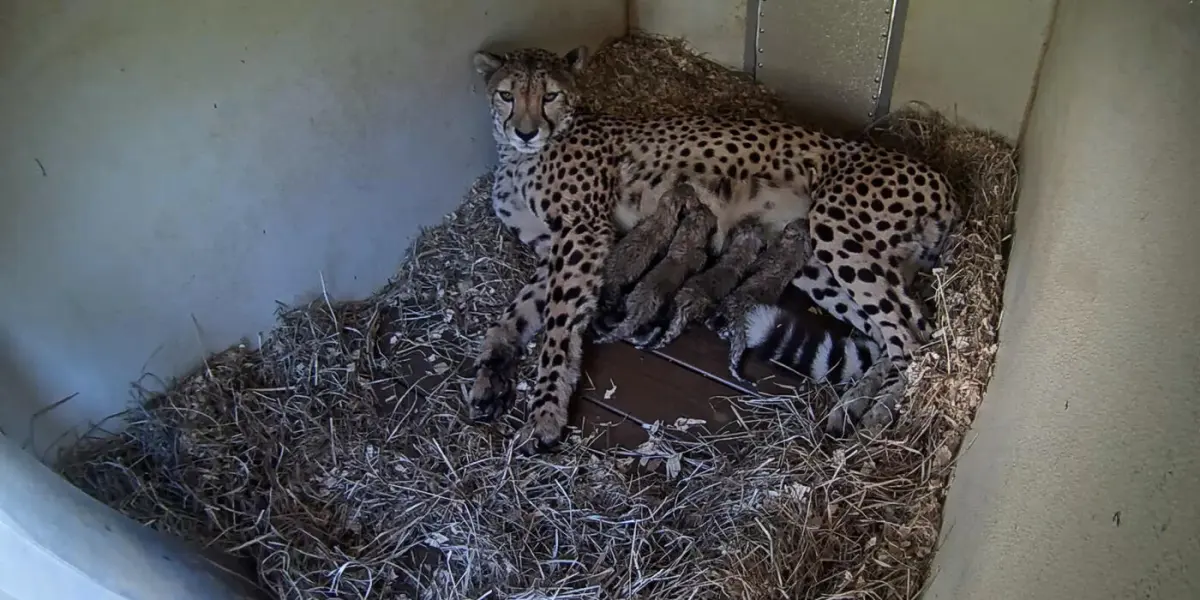
Females are solitary and raise their cubs alone, while males often form small, stable groups called coalitions. These groups typically consist of brothers who hunt and defend their territory together.
How much space does a cheetah need?
A single cheetah may require a home range of up to 300 square miles depending on the availability of prey. Because they need so much space, habitat fragmentation is one of the greatest threats to their survival.
Why are cheetah populations declining?
The primary causes are habitat loss, human-wildlife conflict, and a lack of genetic diversity. As human settlements expand into grasslands, cheetahs face fewer hunting grounds and increased risk of being killed by farmers protecting livestock.
This answer was created with the help of AI research tools and reference sources. Spotted an error? Let us know — we correct mistakes quickly. See our editorial policy.