Are bats dangerous to humans?
Short answer
Bats are generally not dangerous to humans, provided they are not handled directly. While they can carry diseases like rabies, the risk of transmission is extremely low if you avoid physical contact. Most species are beneficial to the environment, acting as essential pollinators and natural pest controllers for many ecosystems worldwide.
On this page
Are bats aggressive toward humans?
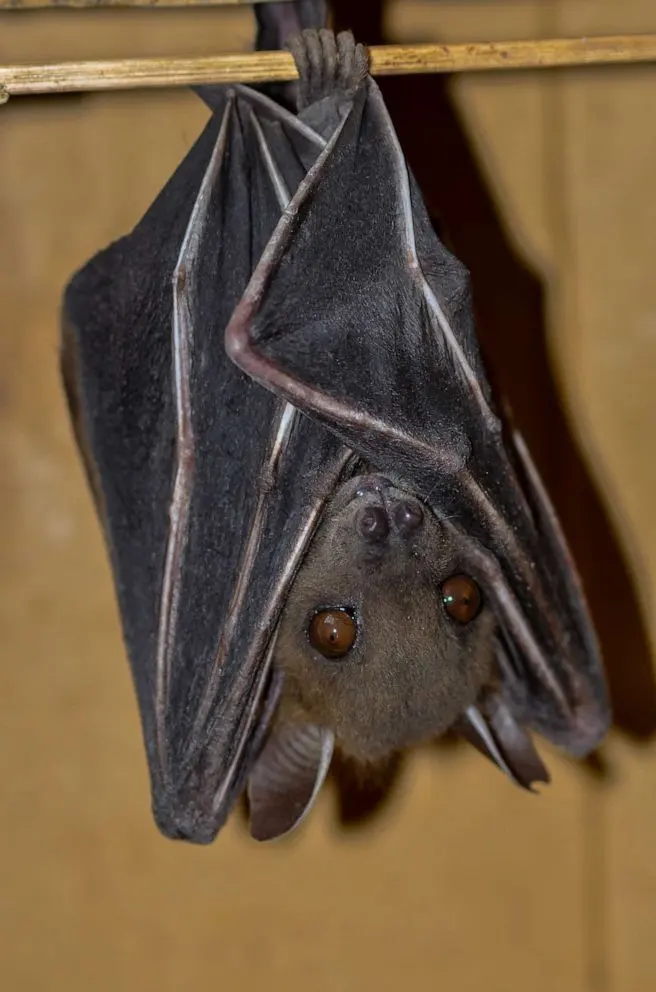
Bats are naturally shy, nocturnal creatures that actively avoid human interaction. They do not hunt or attack people, and they generally view humans as threats rather than prey. Most instances of perceived aggression are actually defensive behaviors triggered when a bat feels cornered, frightened, or is physically handled by a person.
Because bats are wild animals, they may bite if they feel trapped or if someone attempts to pick them up. It is important to remember that a bat flying near your head is usually just hunting insects, not targeting you. They use sophisticated echolocation to navigate, allowing them to detect and avoid obstacles—including people—with incredible precision even in total darkness.
What diseases do bats carry?
While bats can carry zoonotic pathogens, the risk of infection to the average person is statistically negligible. The most significant concern is rabies, a viral disease that can be transmitted through a bite or scratch. However, only a very small percentage of the total bat population—typically less than one percent—actually carries the virus.
Beyond rabies, bats are sometimes associated with other rare viral infections, such as histoplasmosis, which can be found in their guano (droppings). To minimize any potential health risks, it is best to practice simple avoidance and hygiene:
- Never touch a bat with your bare hands.
- Keep pets vaccinated against rabies to prevent accidental exposure.
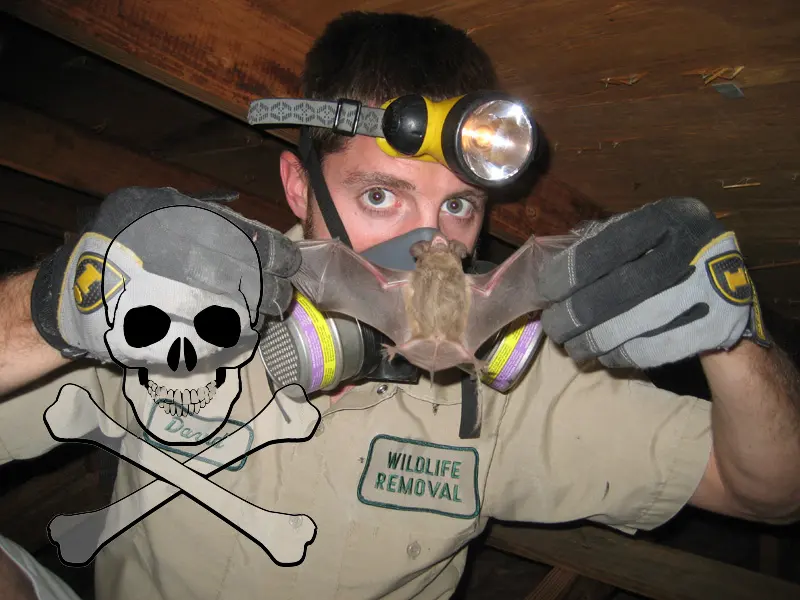
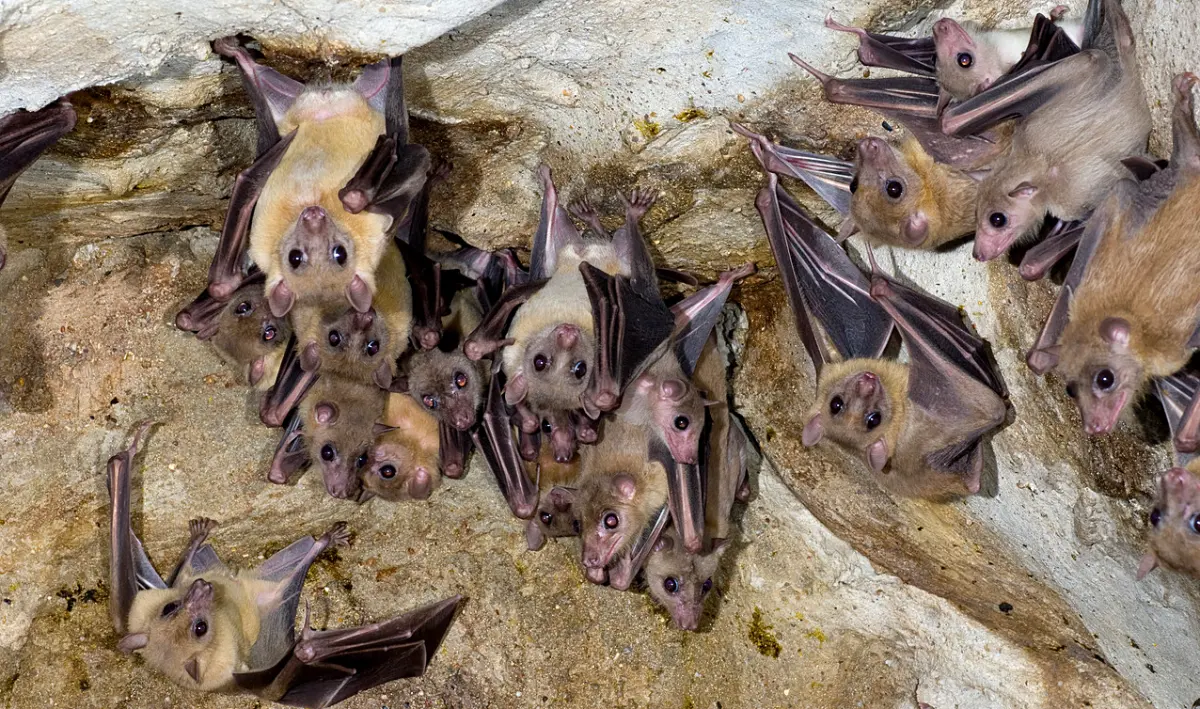
- Avoid entering enclosed spaces like attics or caves where large colonies of bats reside.
- Wear a respirator mask if you must clean areas where bat droppings have accumulated.
How to safely remove a bat from your house
If a bat enters your living space, do not panic. Most bats are simply lost and are looking for a way back outside. You can safely encourage them to leave by following these steps to create a clear exit path:
- Close all interior doors to contain the bat in one room.
- Open all windows and exterior doors leading outside to provide an escape route.
- Turn off indoor lights and wait quietly in another room, allowing the bat to navigate toward the natural light outside.
- If the bat lands, place a cardboard box over it, slide a stiff piece of paper underneath, and carry it outside to release it.
Common mistakes include trying to swat the bat with a broom or towel, which often injures the animal and increases the likelihood of a defensive bite. Always wear thick leather gloves if you must handle the animal, though professional removal is preferred if the bat appears sick or injured.
Why are bats important to the environment?
Bats play a critical role in maintaining healthy ecosystems across the globe. They are primary predators of nocturnal insects, including mosquitoes, moths, and agricultural pests. A single little brown bat can consume up to 1,000 mosquito-sized insects in just one hour, providing a natural form of pest control that reduces the need for chemical pesticides on farms and in residential areas.
In addition to pest management, many bat species are vital pollinators and seed dispersers. They are responsible for the survival of numerous plant species, including those that produce bananas, mangoes, and agave. Without these nocturnal mammals, many forests would struggle to regenerate, and global food production would face significant challenges. Protecting bat populations is therefore an essential component of environmental conservation and agricultural sustainability.
What to do if you are bitten by a bat
If you sustain a bite or scratch from a bat, or if you wake up to find a bat in your bedroom, you must treat the situation as a potential medical emergency. Because bat teeth are extremely small and sharp, a bite mark may not be immediately visible or painful. Do not assume you are safe just because you do not see a wound.
Take the following actions immediately to protect your health:
- Wash the area thoroughly with soap and water for at least 15 minutes.
- Contact your local health department or a physician to discuss the need for post-exposure prophylaxis.
- If possible, safely capture the bat without damaging its head so that it can be tested for rabies by public health officials.
- Seek medical attention immediately; rabies is nearly 100 percent fatal once clinical symptoms appear, but it is entirely preventable if treated with a series of vaccinations shortly after exposure.
Key facts
- Less than 1% of bats in the wild carry rabies, though it is the most significant health risk associated with them.
- Bats are essential to ecosystems because a single little brown bat can consume up to 1,000 mosquito-sized insects in one hour.
- Never touch a bat with your bare hands, even if it appears dead, as its teeth are sharp enough to puncture skin without being noticed.
- If a bat is found inside your home, isolate it in a room, open a window, and wait for it to fly out on its own.
- If you suspect you have been bitten or scratched by a bat, wash the wound thoroughly with soap and water and seek medical attention immediately.
- Bat guano (droppings) can harbor the fungus Histoplasma capsulatum, which causes histoplasmosis if the dust is inhaled during cleanup.
The bottom line
While bats are ecologically vital, they pose minor health risks primarily through rabies transmission and fungal spores in their droppings. Most human-bat conflicts arise from improper handling or accidental indoor encounters. By respecting their space, sealing entry points to your home, and seeking prompt medical care if physical contact occurs, you can safely coexist with these beneficial mammals without compromising your personal health or safety.
People also ask
Can I get COVID-19 from a bat?
There is no evidence that you can contract COVID-19 through direct contact with bats in the United States. While bats are natural reservoirs for many viruses, transmission to humans typically requires intermediate hosts or specific, rare environmental conditions.
How do I know if a bat has rabies?
You cannot determine if a bat has rabies simply by looking at it. The only way to confirm the disease is through laboratory testing, which is why any bat involved in a potential human exposure must be handled by professionals.
What should I do if I find a bat on the ground?
Do not attempt to pick it up or "rescue" it. Call your local animal control or wildlife agency to report the location so they can determine if the animal needs to be safely removed.
Are bat droppings toxic to humans?
Bat guano can contain fungal spores that cause respiratory infections if the dried droppings are disturbed and inhaled. Always wear a N95 respirator and gloves when cleaning areas where bats have roosted to avoid breathing in contaminated dust.
Do bats usually attack people?
Bats are shy, nocturnal animals that avoid human contact whenever possible. They do not hunt or attack humans, and most incidents occur only when a person attempts to handle an injured or cornered bat.
How can I keep bats out of my house?
Inspect your home for gaps as small as a half-inch, especially around rooflines and chimneys, and seal them with caulk or steel wool. Professional exclusion services can install one-way valves that allow bats to leave your attic but prevent them from re-entering.
This answer was created with the help of AI research tools and reference sources. Spotted an error? Let us know — we correct mistakes quickly. See our editorial policy.