What is a baby llama called?
Short answer
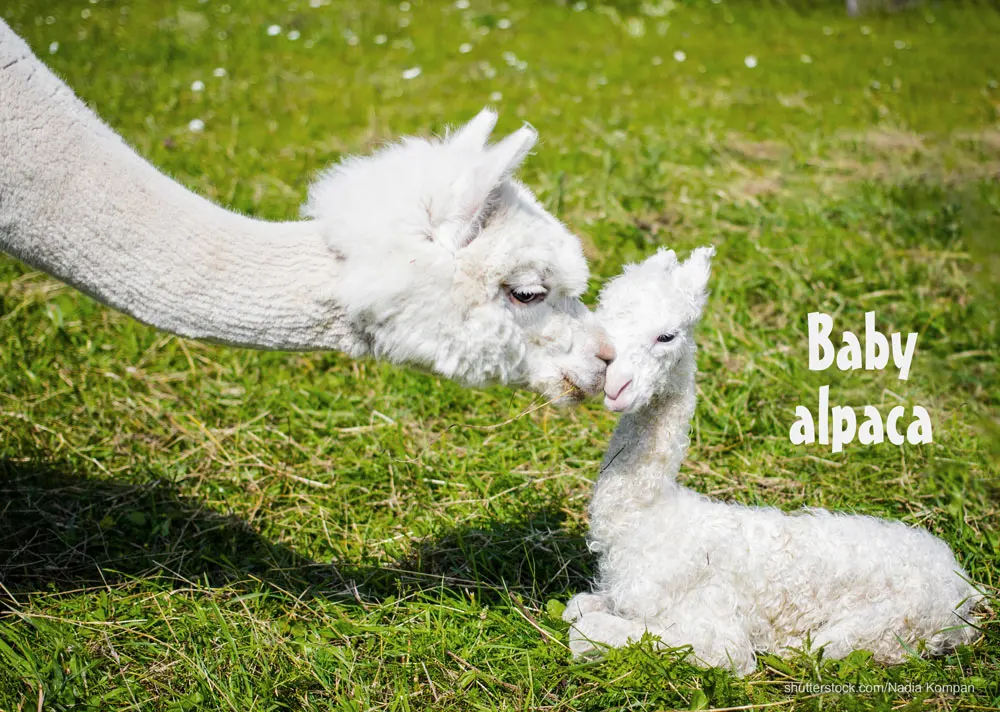
A baby llama is called a cria. This term is derived from the Spanish word for "offspring" or "nursery." While the term is specific to llamas, it is also used for other camelids, including alpacas, vicuñas, and guanacos. A newborn cria typically weighs between 18 and 30 pounds at birth.
On this page
What is a cria and how do they develop?
A cria is the official term for a baby llama from the moment it is born until it is weaned. These animals are born in a remarkably advanced state, often standing and attempting to nurse within the first hour of life. Unlike many other livestock species, llamas usually give birth during daylight hours, which helps the cria stay warm and dry before the temperature drops at night.
The development of a cria is rapid during the first few months. They begin to nibble on grass and hay within their first week, though they rely primarily on their mother’s milk for nutrition for several months. By the time they are six months old, they are typically fully weaned and capable of grazing independently. During this period, they remain close to their mothers for protection and social learning within the herd.
How long does it take for a llama to give birth?
The gestation period for a llama is notably long, typically lasting between 330 and 360 days, or roughly 11 to 12 months. Because of this extended timeframe, llamas generally produce only one offspring at a time. Twins are extremely rare in the species and often carry significant health risks for both the mother and the crias.
When labor begins, the process is usually efficient and requires little to no human intervention. Owners should monitor the situation from a distance to ensure the following steps occur naturally:
- The mother chooses a quiet, dry spot in the pasture.
- The cria is delivered in a "diving" position, with front feet and head emerging first.
- The mother cleans the cria, stimulating its circulation and breathing.
- The cria stands and seeks the udder to receive colostrum, which is vital for its immune system.
Best practices for caring for a newborn cria
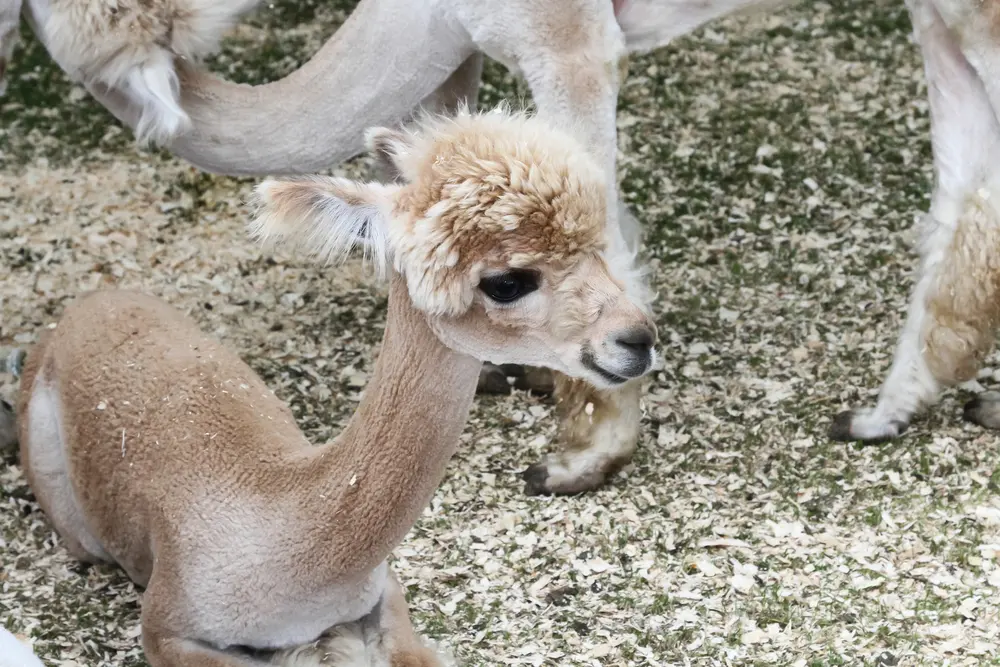
Providing a safe environment for a newborn cria is essential for its long-term health. The most critical factor is ensuring the cria receives colostrum within the first few hours of life. If the mother is unable to nurse or the cria is too weak to stand, the owner must intervene immediately with supplemental feeding.
Beyond nutrition, basic husbandry practices should be maintained to ensure the animal thrives:
- Maintain a clean, dry birthing area to prevent navel infections.
- Monitor the cria’s weight gain weekly to ensure it is growing at a healthy rate.
- Provide access to salt blocks and fresh, clean water at all times.
- Schedule a veterinary checkup within the first week to assess general health and umbilical healing.
- Keep the cria in a social environment, as llamas are herd animals that require interaction with others.

Why do llamas hum to their crias?
Humming is the primary method of communication between a mother llama and her cria. This soft, vibrating sound serves as a way to maintain contact, express concern, or signal comfort. When a cria is separated from its mother or feels distressed, it will produce a high-pitched, piercing sound that alerts the mother to its location.
This vocal bond is essential for the survival of the cria in the wild, where they might otherwise wander away from the safety of the herd. As the cria matures, it begins to mimic the humming sounds of the adults, learning the social cues necessary for herd integration. By observing these vocalizations, owners can often gauge the health and temperament of the cria, as excessive or unusual noise can indicate stress, hunger, or illness.
Common mistakes when raising a cria
One of the most frequent errors made by novice owners is over-handling the cria. While it is tempting to pet and socialize the animal constantly, excessive human contact can lead to "Berserk Male Syndrome." This condition occurs when a llama becomes too comfortable with humans and begins to treat them as fellow llamas, often exhibiting aggressive behavior like chest-butting or spitting as they reach maturity.
To avoid behavioral issues and ensure the health of the animal, keep the following guidance in mind:
- Limit direct physical contact to necessary health checks and training sessions.
- Avoid bottle-feeding unless absolutely medically necessary, as it encourages human dependency.
- Never isolate a cria from other llamas, as they require peer interaction to learn proper social boundaries.
- Do not ignore signs of lethargy or refusal to nurse, as these are often the first indicators of serious health complications that require immediate veterinary attention.
- Ensure the cria has access to a mineral-rich diet, but avoid over-supplementing with grains, which can cause digestive distress.
Key facts
- A baby llama is officially called a cria.
- The term "cria" is derived from the Spanish word for "offspring" or "nursing young."
- A newborn cria typically weighs between 20 and 30 pounds at birth.
- Mothers usually give birth standing up and do not lick their young, as is common with other livestock.
- Crias are generally standing and walking within 60 to 90 minutes of being born.
- Weaning typically occurs when the cria is between five and six months of age.
The bottom line
A baby llama is known as a cria, a term used for the young of several camelid species. These animals are remarkably independent shortly after birth, standing and walking within a couple of hours. Proper care involves ensuring the cria receives colostrum, monitoring its weight gain, and avoiding excessive human contact to ensure the animal develops healthy social behaviors within its herd as it matures.
People also ask
How long is the gestation period for a llama?
A llama’s gestation period lasts approximately 350 days, or about 11.5 months. This long pregnancy ensures the cria is well-developed and capable of standing shortly after birth.
Do llamas have multiple babies at once?
It is extremely rare for a llama to give birth to twins. The vast majority of llama pregnancies result in a single cria, and twin births often carry significant health risks for both the mother and the offspring.
How can you tell if a llama is pregnant?
Owners often use a process called "spit-off" to test for pregnancy, where a female is introduced to a male to see if she rejects his advances. More accurate methods include ultrasound examinations performed by a veterinarian after 30 to 60 days.
What should you feed a newborn cria?
A cria should receive colostrum from its mother within the first few hours of life to gain essential antibodies. If the mother is unable to nurse, a veterinarian can provide guidance on using a bottle with specialized milk replacer.
Are llamas dangerous to their young?
Llamas are generally attentive mothers and are not considered dangerous to their crias. However, owners should avoid excessive handling of a newborn to prevent "Berserk Llama Syndrome," where the animal becomes overly aggressive toward humans due to improper imprinting.
How do you care for a cria in cold weather?
Newborns are susceptible to hypothermia because they have little body fat. Providing a dry, draft-free shelter and using specialized cria coats can help maintain their body temperature during the first few days of life.
This answer was created with the help of AI research tools and reference sources. Spotted an error? Let us know — we correct mistakes quickly. See our editorial policy.