What is a baby camel called?
Short answer
A baby camel is called a calf. Regardless of the species—whether it is a dromedary with one hump or a Bactrian with two—the term remains the same. Once born, these calves are remarkably precocious, often capable of standing and walking alongside their mothers within just a few hours of birth.

On this page
What is a baby camel called?
A baby camel is universally referred to as a calf. This terminology applies to both the dromedary camel, native to the Middle East and the Horn of Africa, and the Bactrian camel, found in the steppes of Central Asia. While some local dialects or nomadic cultures may use specific regional terms, "calf" is the standard scientific and common English designation used by zoologists and breeders worldwide.
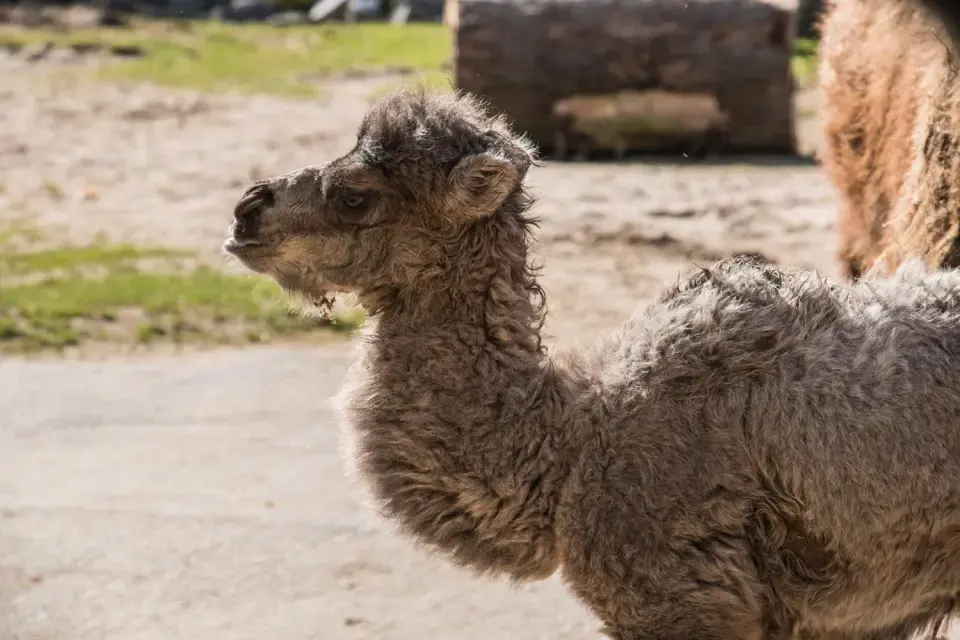
The development of a camel calf begins after a gestation period that typically lasts between 13 and 15 months. This long pregnancy ensures that the calf is well-developed upon arrival. Unlike many other mammals that require weeks of maternal protection, a newborn camel is physically robust and designed for survival in harsh environments. They are born without humps, which develop as the animal begins to store fat later in life, and they possess soft, woolly hair that provides insulation against extreme temperature fluctuations.
How long does it take for a camel calf to develop?
The growth process of a camel calf is rapid, allowing the animal to migrate with its herd shortly after birth. Within the first 24 hours, a calf is usually strong enough to keep up with the adult camels during travel. Weaning typically begins around six months of age, though a calf may continue to nurse for up to a year or longer depending on the availability of forage and the health of the mother.
To ensure healthy growth, the calf relies on its mother's milk, which is exceptionally nutrient-dense and high in vitamins. As they transition to solid food, they begin to graze on desert shrubs and grasses. The following timeline outlines the key developmental milestones for a growing camel:
- Birth: The calf stands within 30 minutes to 2 hours.
- 1-2 weeks: The calf begins to nibble on vegetation while still nursing.
- 6-12 months: The calf is gradually weaned off its mother's milk.
- 3-5 years: The camel reaches sexual maturity and full physical size.
Why do camels have such long pregnancies?
The extended gestation period of a camel is an evolutionary adaptation to the unpredictable nature of arid environments. By remaining in the womb for over a year, the calf gains significant bone density and muscle mass. This extra time allows the fetus to develop the physiological mechanisms necessary to conserve water and regulate body temperature efficiently. When a calf is born, it is essentially a miniature version of an adult, equipped with the biological tools needed to survive in sparse landscapes.
Furthermore, the mother camel invests substantial energy into the calf during this long period. Her ability to survive on limited water and food while supporting a developing fetus is a testament to the species' extreme resilience. By the time the calf is born, it is already prepared to handle the intense heat of the day and the freezing temperatures of the night, minimizing the risk of mortality in the wild.
Common mistakes when caring for a camel calf
One common mistake made by inexperienced handlers is attempting to supplement a nursing calf's diet too early with grain or processed feed. Camels have specialized digestive systems evolved to process coarse, fibrous desert vegetation. Introducing high-starch or sugar-rich feeds can lead to severe digestive distress or metabolic issues. It is essential to allow the calf to follow its natural weaning process, which is dictated by the mother and the availability of natural forage.
Another error involves isolating a calf from the herd too early. Camels are highly social animals that thrive on herd dynamics. Socialization is critical for the calf to learn essential survival behaviors, such as how to locate water sources and how to interact with other herd members. If you are managing camels, follow these best practices to ensure the well-being of the young:
- Provide ample space for the calf to move and exercise its limbs.
- Ensure the mother has access to high-quality forage to maintain milk production.
- Keep the calf with the herd to foster social development and reduce stress.
- Monitor the calf for signs of dehydration, even though they are adapted to arid climates.
Best environment for a growing camel calf
The ideal habitat for a growing camel calf is one that mimics the open, arid plains where the species evolved. These animals require vast areas to roam, as they are naturally migratory and benefit from the exercise involved in traveling long distances. Providing a clean, dry area for the calf to rest is also important, as young camels are susceptible to damp conditions which can lead to respiratory issues or skin infections.
In addition to physical space, the environment must provide a variety of forage options. A diverse diet allows the calf to learn which plants are safe and nutritious. While camels are famous for their ability to go long periods without drinking, a calf still requires consistent access to water, especially during its first few months of life. By maintaining a clean water source and a large, naturalistic enclosure, you provide the best foundation for a healthy, robust camel that will eventually integrate successfully into the adult herd.
Key facts
- A baby camel is officially called a calf.
- Newborn camels are typically born after a gestation period of 13 to 14 months.
- A healthy newborn calf usually weighs between 60 and 100 pounds at birth.
- Unlike adult camels, calves are born without humps, which develop as they begin to eat solid food.
- Calves are precocial, meaning they can stand and walk within just a few hours of being born.
- Mothers nurse their calves for up to 18 months, though the young begin grazing on vegetation much sooner.
The bottom line
A baby camel is known as a calf, a sturdy and precocial animal that can walk shortly after birth. Though born without the iconic humps seen on adults, these calves grow rapidly on a diet of mother’s milk and desert vegetation. Understanding their development cycle—from their long gestation to their eventual independence—provides a fascinating look at how these resilient creatures thrive in harsh environments.
People also ask
How long do baby camels stay with their mothers?
Calves typically remain close to their mothers for several years. While weaning often begins around 12 to 18 months, the social bond remains strong as the calf learns to navigate the herd.
Do baby camels have humps when they are born?
No, calves are born without humps. Their humps are composed of fat deposits that grow as the animal consumes nutrients and matures, usually becoming visible within a few months.
How much do baby camels grow in their first year?
A camel calf grows rapidly, often doubling its birth weight within the first few months. By the end of their first year, they are significantly larger and have developed the basic physical traits of an adult.
What do baby camels eat besides their mother's milk?
Calves begin experimenting with solid food, such as grasses and shrubs, within a few weeks of birth. This early grazing is essential for the development of their complex, multi-chambered stomachs.
Are baby camels born with thick fur?
Yes, they are born with a soft, woolly coat that provides insulation against extreme temperatures. This coat gradually changes texture as they grow and adapt to their specific desert or mountain environment.
How do you identify the sex of a baby camel?
Determining the sex of a calf requires a close physical examination of the underside. Because the external genitalia are small and tucked away, it is often difficult for inexperienced observers to distinguish between males and females at birth.
This answer was created with the help of AI research tools and reference sources. Spotted an error? Let us know — we correct mistakes quickly. See our editorial policy.