What is the Capilano Suspension Bridge known for?
Short answer
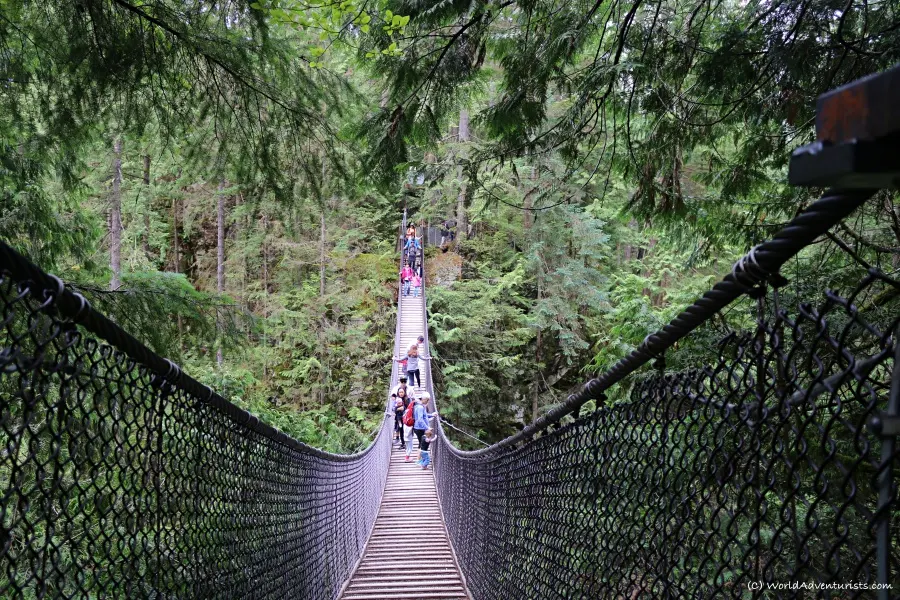
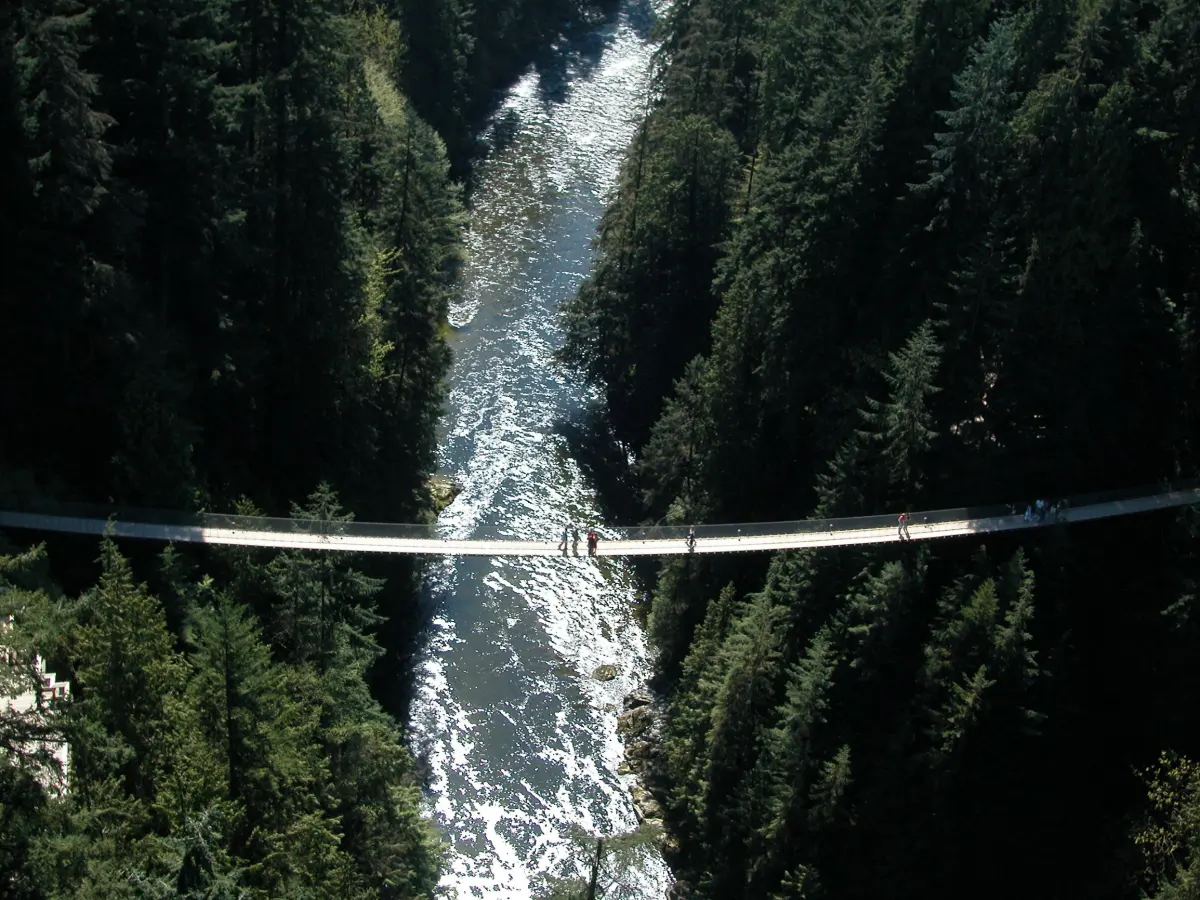
The Capilano Suspension Bridge is world-renowned for its historic 140-meter-long swaying footbridge suspended 70 meters above the Capilano River in North Vancouver. It serves as a major cultural landmark, offering visitors an immersive experience within a lush coastal rainforest, complemented by elevated treetop walkways and the thrilling, glass-bottomed Cliffwalk attraction.
On this page
What makes the Capilano Suspension Bridge famous?
The bridge is primarily celebrated for its dramatic height and length, which provide a unique perspective of the British Columbia rainforest canopy. Originally constructed in 1889 out of hemp rope and cedar planks, the structure has evolved into a modern engineering marvel made of steel cables. It attracts hundreds of thousands of visitors annually who come to experience the sensation of walking high above the rushing river below.
Beyond the main bridge, the park is famous for its commitment to preserving the natural beauty of the Pacific Northwest. The site integrates educational elements regarding local First Nations history and the delicate ecosystem of the temperate rainforest. This combination of historical significance, adrenaline-inducing heights, and environmental education makes it one of Canada’s most iconic tourist destinations. The park’s layout encourages a slow, immersive journey through the forest, ensuring that visitors feel connected to the wilderness despite being only minutes from downtown Vancouver.
How long does it take to visit?
While the bridge itself can be crossed in just a few minutes, most visitors spend between two and three hours exploring the entire park. The experience includes several distinct zones that require time to navigate fully. To make the most of your visit, consider the following timeline:
- The main suspension bridge: 15–20 minutes, including waiting time.
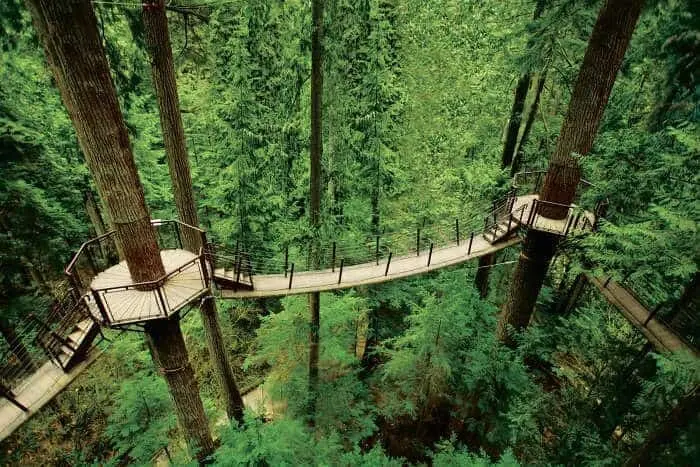
- Treetops Adventure: 30–45 minutes for the series of seven suspension bridges.
- Cliffwalk: 20–30 minutes to complete the cantilevered walkway.
- Rainforest exploration and history exhibits: 30–60 minutes.
If you are visiting during peak summer months or holidays, you should allocate extra time for crowds. The park’s flow is designed to be self-guided, allowing guests to linger at viewpoints or revisit favorite sections. If you plan to attend during the winter "Canyon Lights" festival, add an additional hour to account for the slower pace of viewing the illuminated displays.
What are the best tips for first-time visitors?
To ensure a seamless experience, planning your timing is essential. The park is busiest during the mid-day hours, so arriving at opening time or late in the afternoon is highly recommended. Not only will this help you avoid the largest tour groups, but it also provides better lighting conditions for photography.
- Purchase tickets online in advance to skip the primary ticket window queue.
- Wear comfortable, closed-toe walking shoes with good grip, as the forest paths can be damp or uneven.
- Check the weather forecast; while the rainforest is beautiful in the mist, heavy rain can make the metal surfaces slippery.
- Utilize the free shuttle service provided from downtown Vancouver to avoid the stress of finding parking in the restricted North Vancouver residential area.
- Bring a light, waterproof jacket regardless of the season, as temperatures can drop significantly once you descend into the canyon.
Why do people visit the Cliffwalk?
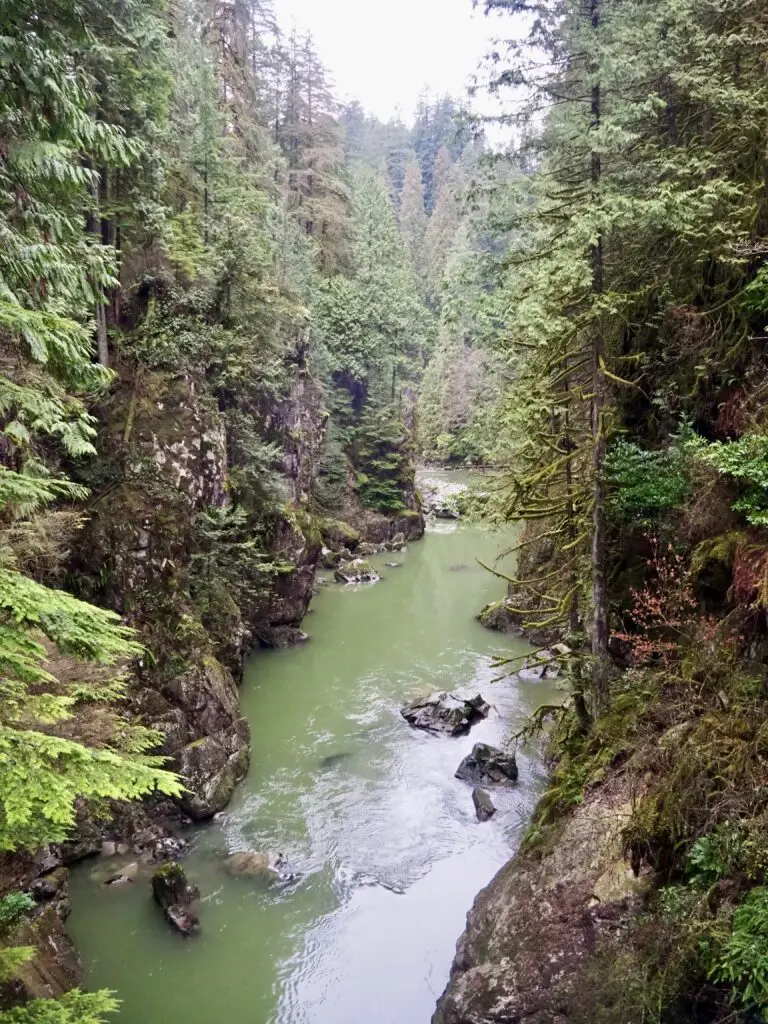
The Cliffwalk is a relatively recent addition that has become just as famous as the original bridge. It consists of a series of reinforced walkways and glass-bottomed platforms that cling to the granite cliff face high above the canyon. Unlike the suspension bridge, which spans the river, the Cliffwalk follows the natural contours of the canyon wall, offering a vertical perspective that is both intimidating and breathtaking.
This attraction is designed to showcase the geology of the area. Visitors can look directly down through the glass panels to see the riverbed far below, providing a visceral sense of the canyon’s depth. It is a popular spot for those seeking an extra thrill, as the path is narrow and suspended entirely over the void. The engineering behind the Cliffwalk is minimal, designed to minimize visual impact on the cliffside while maximizing the feeling of exposure to the elements.
Common mistakes when visiting the park
One of the most frequent errors visitors make is underestimating the physical nature of the park. Although it is a tourist attraction, it is still a forest environment with stairs, inclines, and uneven terrain. Those with mobility issues or small children in strollers should be aware that while parts of the park are accessible, the main suspension bridge and certain treetop paths are not suitable for wheels.
Another mistake is failing to respect the park's quiet zones. Because the site is a sanctuary for local wildlife, visitors are expected to keep noise levels moderate. Avoid leaning over the railings or dropping items, as the canyon floor is a protected habitat. Finally, do not rush through the Treetops Adventure area; many people treat it as a shortcut, but the elevated platforms provide the best vantage points for spotting local bird species and observing the unique growth patterns of the Douglas fir trees that characterize this region.
Key facts
- The original bridge was built in 1889 by Scottish civil engineer George Grant Mackay using hemp ropes and cedar planks.
- The current steel-cable structure spans 450 feet (137 meters) across the Capilano River.
- Visitors stand 230 feet (70 meters) above the river canyon floor while crossing the bridge.
- The park features the Treetops Adventure, a series of seven suspension bridges attached to 250-year-old Douglas fir trees.
- The Cliffwalk is a granite-precipice walkway that extends 300 feet out from the canyon wall.
- Arrive early in the morning or late in the evening to avoid peak crowds and long wait times during the summer season.
The bottom line
The Capilano Suspension Bridge is a world-renowned landmark in North Vancouver, offering a unique blend of historical significance and thrilling natural beauty. By traversing the iconic swaying bridge and exploring the elevated treetop walkways, visitors gain an immersive perspective of the temperate rainforest. It remains a must-visit destination for those seeking a safe yet exhilarating outdoor experience that highlights the majestic landscape of British Columbia.
People also ask
Is the Capilano Suspension Bridge safe for children?
Yes, the bridge is designed with high safety railings and is suitable for children. However, strollers are not permitted on the bridge itself, so parents should bring a baby carrier.
How long does it take to explore the entire park?
Most visitors spend between two and three hours exploring the bridge, the Treetops Adventure, and the Cliffwalk. Allow extra time if you plan to eat at the on-site restaurant or browse the gift shop.
Can I bring my dog to the park?
Dogs are allowed in the park provided they remain on a leash at all times. They are permitted on the suspension bridge, though owners should ensure their pet is comfortable with heights and moving surfaces.
Is the bridge accessible for people with mobility issues?
The main suspension bridge is not wheelchair accessible due to its narrow width and swaying nature. While parts of the park offer paved paths, the primary attractions require navigating stairs and uneven terrain.
Does the bridge close during bad weather?
The bridge remains open during rain and snow, which many visitors find adds to the atmospheric experience of the rainforest. It only closes during extreme weather events, such as high winds that exceed safety thresholds.
Do I need to book tickets in advance?
While you can purchase tickets at the gate, booking online in advance is recommended to guarantee entry during busy periods. This helps you skip the ticket office line and head straight to the entrance.
This answer was created with the help of AI research tools and reference sources. Spotted an error? Let us know — we correct mistakes quickly. See our editorial policy.