Where do frogs live?
Short answer
Frogs inhabit nearly every terrestrial and freshwater environment on Earth, excluding Antarctica and some isolated oceanic islands. They thrive in diverse climates ranging from tropical rainforests to arid deserts. While most species require moisture to survive and reproduce, their specific habitats vary significantly depending on their unique biological adaptations and life cycles.
On this page
Where do frogs live in the wild?
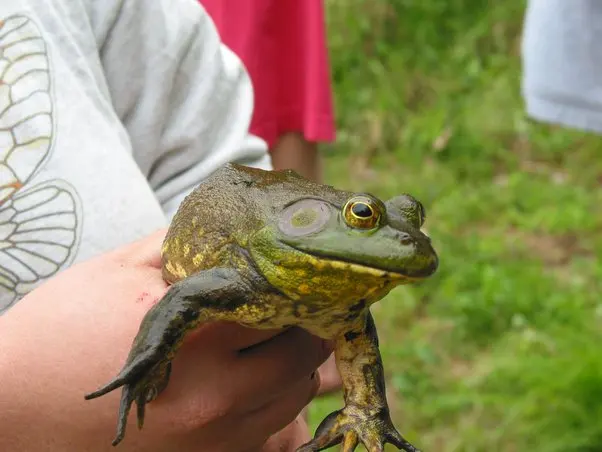
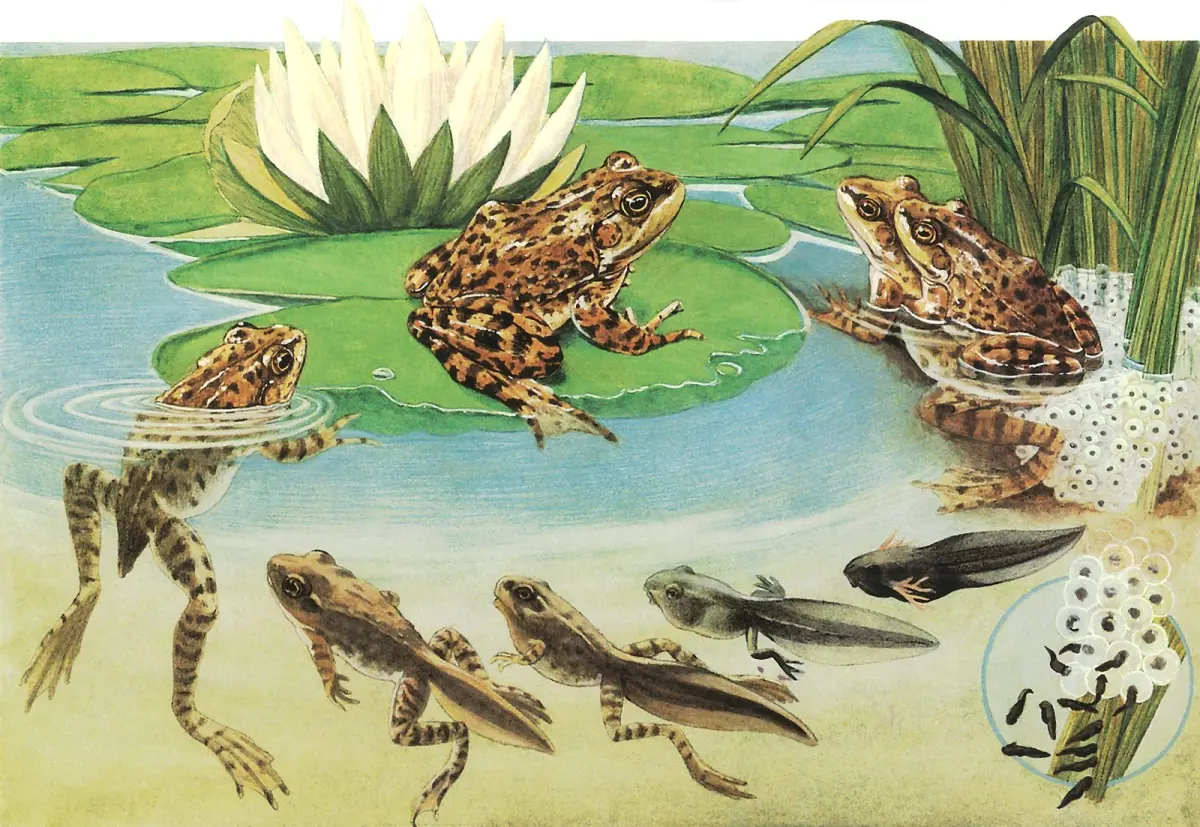
Frogs are remarkably adaptable amphibians found on every continent except Antarctica. Their distribution is primarily limited by the availability of water and temperature extremes. While some species prefer the lush canopy of tropical rainforests, others have evolved to survive in harsh, dry environments. The majority of the world’s 7,000-plus frog species reside in tropical regions, where humidity and warmth remain constant throughout the year.
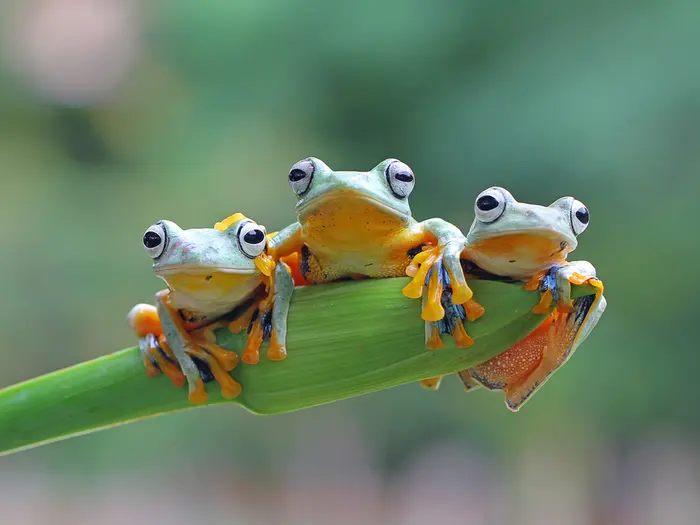
These animals occupy a wide array of niches within their ecosystems. Some are strictly aquatic, spending their entire lives in ponds or lakes, while others are arboreal, living high in trees. Terrestrial species dwell in leaf litter, burrows, or under logs. Regardless of their specific location, frogs generally require access to water for breeding and to prevent their permeable skin from drying out. Their presence in an environment often serves as a key indicator of the overall health of that ecosystem.
How to identify frog habitats
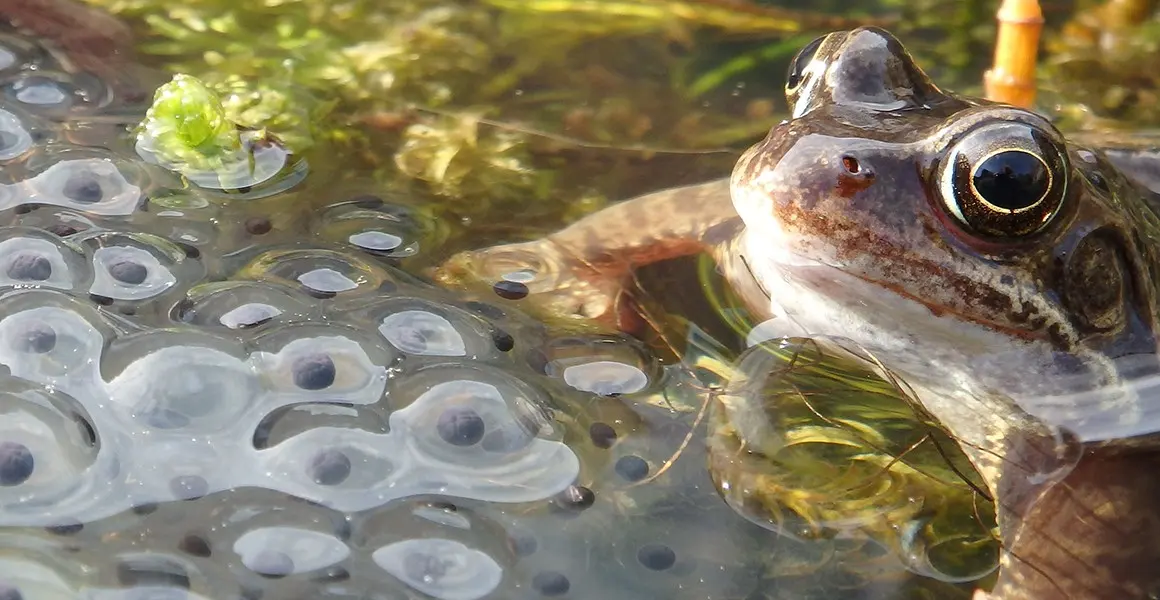
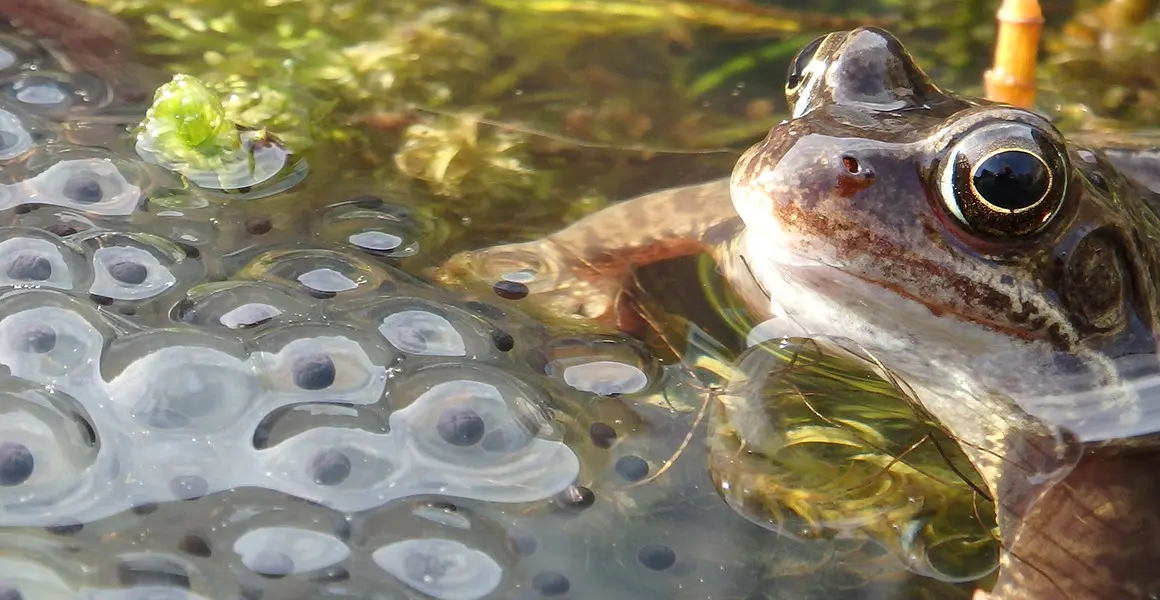
Identifying a frog's habitat involves looking for specific environmental cues that support their physiological needs. You can often find them near permanent or temporary bodies of water, such as streams, marshes, swamps, and vernal pools. These locations provide the necessary moisture for their eggs and tadpoles. In suburban areas, garden ponds and damp, shaded flowerbeds are common refuges for many species.
When searching for frogs, keep an eye out for these environmental features:
- Dense vegetation that provides cover from predators.
- Moist soil or deep leaf litter to retain body humidity.
- Calm, stagnant, or slow-moving water for egg-laying.
- Abundant insect populations to serve as a food source.
- Natural cavities or rock crevices for shelter during extreme weather.
If you are exploring a local wetland, listen for their vocalizations, which are most frequent during breeding seasons. Many species are nocturnal, so visiting these areas at night with a flashlight can significantly increase your chances of spotting them.
Why do frogs move between habitats?
Frogs often migrate to different areas depending on their life stage and the time of year. Many species exhibit a seasonal cycle, moving from terrestrial foraging grounds to aquatic breeding sites during the spring. This movement is triggered by changes in day length, temperature, and rainfall patterns. Once the breeding season concludes, adults often return to their forest or meadow habitats to feed and store energy for the coming months.
Environmental stressors can also force frogs to relocate. If a pond dries up prematurely or becomes polluted, frogs must find new water sources to survive. Additionally, some species undergo a period of dormancy known as estivation or hibernation. During these times, they may burrow deep into the mud at the bottom of a pond or retreat into underground tunnels to avoid freezing temperatures or severe drought. Their ability to shift habitats is a critical survival strategy that allows them to endure shifting climate conditions.
Common mistakes when looking for frogs
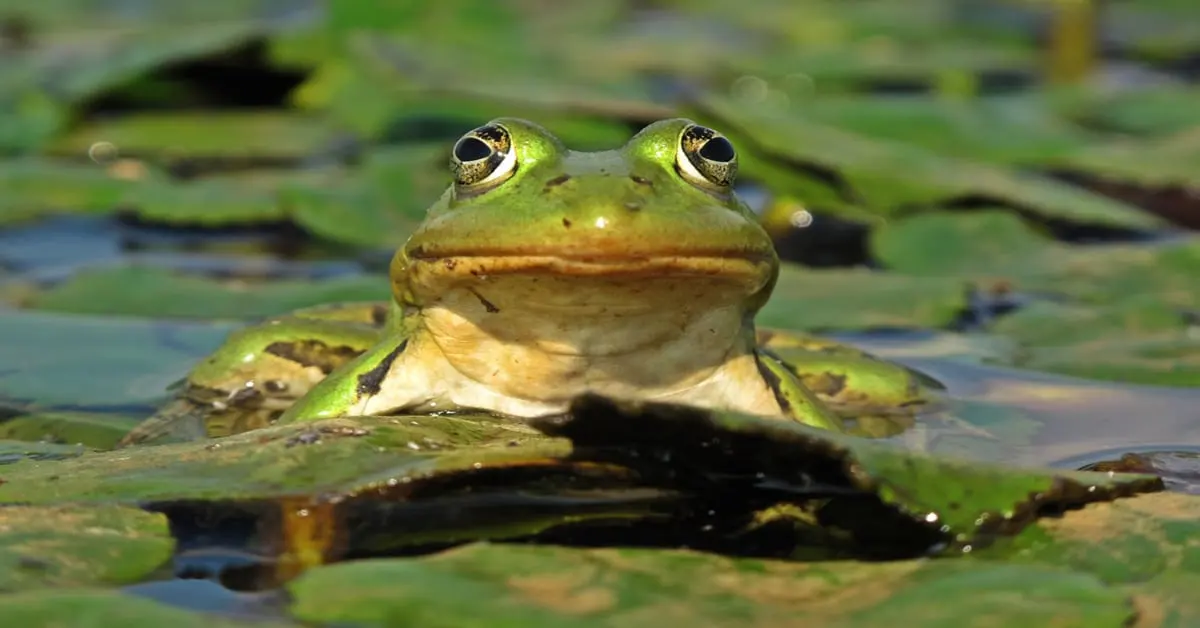
One of the most frequent errors people make is searching for frogs during the heat of the day. Because frogs are ectothermic and have sensitive skin, they typically hide in cool, damp spots when the sun is high. Searching in exposed, dry areas during the afternoon will rarely yield results. Another mistake is ignoring the importance of silence; frogs are highly sensitive to vibrations and noise. If you approach a pond with heavy footsteps or loud talking, they will likely jump into the water and hide long before you arrive.
To improve your chances of observing frogs safely, follow these steps:
- Visit potential habitats at dusk or during light rain, as these conditions encourage activity.
- Move slowly and scan the ground or vegetation before taking a step.
- Use a soft red-light filter on your flashlight to avoid startling them.
- Avoid touching the frogs, as oils and chemicals on human skin can be toxic to them.
- Stay on established trails to prevent damaging their fragile micro-habitats.
Best ways to support local frog populations
If you want to encourage frogs to live in your own backyard, you must provide the essential elements of a healthy habitat. The most effective method is to install a small, chemical-free pond. Ensure the pond has sloping sides so that frogs can easily enter and exit the water. You should also avoid using pesticides or herbicides in your garden, as these chemicals are easily absorbed through a frog's skin and can be fatal.
Creating a "frog-friendly" zone involves more than just water; it requires structural complexity. You can build small shelters using stacked rocks, logs, or overturned clay pots in shaded areas. Planting native shrubs and ground cover will provide the necessary shade and attract the insects that frogs eat. By maintaining a diverse, naturalistic garden, you provide a sanctuary that helps sustain local amphibian biodiversity. These small, practical changes create a vital corridor for frogs to move safely through human-dominated landscapes, ensuring they can thrive in your local area for many years to come.
Key facts
- Frogs inhabit every continent on Earth except for Antarctica.
- Most frog species require proximity to freshwater sources like ponds, lakes, or streams to reproduce.
- Many tropical frogs are arboreal, meaning they spend their entire lives high in the canopy of rainforests.
- Some species, such as the wood frog, can survive freezing temperatures by producing a natural antifreeze in their blood.
- Frogs are amphibians, which means they must keep their permeable skin moist to breathe and regulate body temperature.
- Avoid handling wild frogs with dry hands, as oils and chemicals on human skin can be absorbed through their porous pores.
The bottom line
Frogs are remarkably adaptable creatures found in diverse ecosystems ranging from arid deserts to lush tropical rainforests. While their reliance on moisture dictates their specific habitat needs, their ability to thrive in varying climates is a testament to their evolutionary success. Whether living in trees, burrows, or ponds, these amphibians play a vital role in maintaining the balance of their respective natural environments worldwide.
People also ask
Do all frogs live in water?
While all frogs begin their lives as aquatic tadpoles, many adult frogs are terrestrial or arboreal. Some species live in deserts and only emerge after heavy rainfall, while others remain in trees far from permanent water bodies.
Can frogs live in saltwater environments?
Almost no frogs can survive in saltwater because it dehydrates their skin and disrupts their internal salt balance. The crab-eating frog is a rare exception, possessing unique adaptations that allow it to tolerate brackish water in mangrove swamps.
How do frogs survive in the winter?
Frogs in temperate climates often hibernate by burying themselves in mud at the bottom of ponds or under leaf litter. They enter a state of dormancy where their metabolism slows significantly until warmer temperatures return in the spring.
Are there frogs that live in trees?
Yes, tree frogs have evolved specialized toe pads that act like suction cups to help them climb smooth surfaces. These frogs are common in tropical and subtropical regions where they stay elevated to avoid ground-based predators.
Why do frogs need moist environments?
Frogs breathe partly through their skin, which must remain damp to facilitate the exchange of oxygen and carbon dioxide. If the environment becomes too dry, the frog will lose moisture rapidly and risk fatal dehydration.
Can I keep a wild frog as a pet?
It is generally discouraged to keep wild frogs because they have specific dietary and environmental needs that are difficult to replicate. Removing them from their habitat can also negatively impact local ecosystems and expose the frog to unnecessary stress.
This answer was created with the help of AI research tools and reference sources. Spotted an error? Let us know — we correct mistakes quickly. See our editorial policy.