What is a baby frog called?
Short answer
A baby frog is called a tadpole. During this initial stage of its life cycle, the organism is fully aquatic, possessing gills for breathing underwater and a long, muscular tail for swimming. As it matures, the tadpole undergoes a remarkable biological transformation known as metamorphosis to become a land-dwelling adult frog.
On this page
What is the life cycle of a frog?
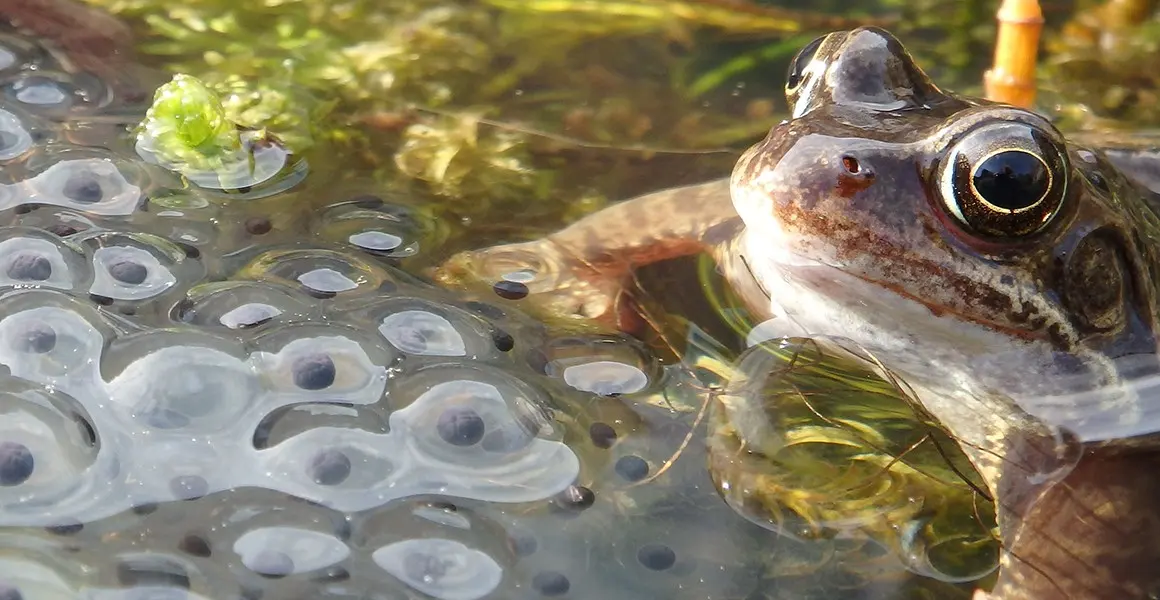
The life cycle of a frog is a complex process categorized as indirect development, meaning the young look nothing like the adults. It begins when a female frog lays a cluster of eggs, often referred to as frogspawn, in a body of water. These eggs are protected by a jelly-like substance that keeps them hydrated and safe from some predators. Once the embryo develops, it hatches into a tadpole, which is the larval stage of the amphibian.
This stage is defined by rapid growth and reliance on aquatic resources. Tadpoles are primarily herbivorous, feeding on algae and aquatic plants, which helps them gain the energy required for their upcoming physical changes. As they grow, they develop internal organs and limbs that will eventually allow them to survive on land. The transition from a water-based larva to a terrestrial adult is one of the most fascinating biological transformations in the animal kingdom.
How long does it take for a tadpole to become a frog?
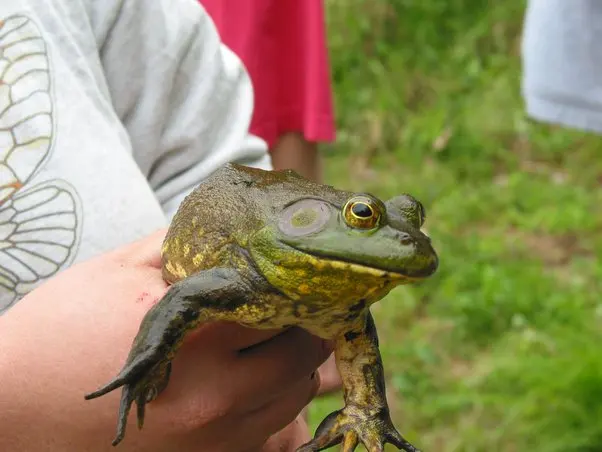
The duration of the metamorphosis process varies significantly depending on the species of frog and the environmental conditions. In many common species, such as the North American bullfrog, the tadpole stage can last for several years, especially in colder climates where growth slows down. Conversely, some tropical species can complete their entire transformation from egg to adult in as little as a few weeks.
Several factors influence the speed of this transition:
- Water temperature: Warmer water generally accelerates the metabolic rate of the tadpole.
- Food availability: A nutrient-rich environment allows for faster physical development.
- Predation pressure: High levels of danger in the water may trigger a faster hormonal response to reach adulthood.
- Species genetics: Each specific frog breed has a programmed timeline for its development.
If the water source begins to dry up, some species possess the ability to accelerate their metamorphosis to escape the pond before it disappears completely.
Why do tadpoles look different from adult frogs?
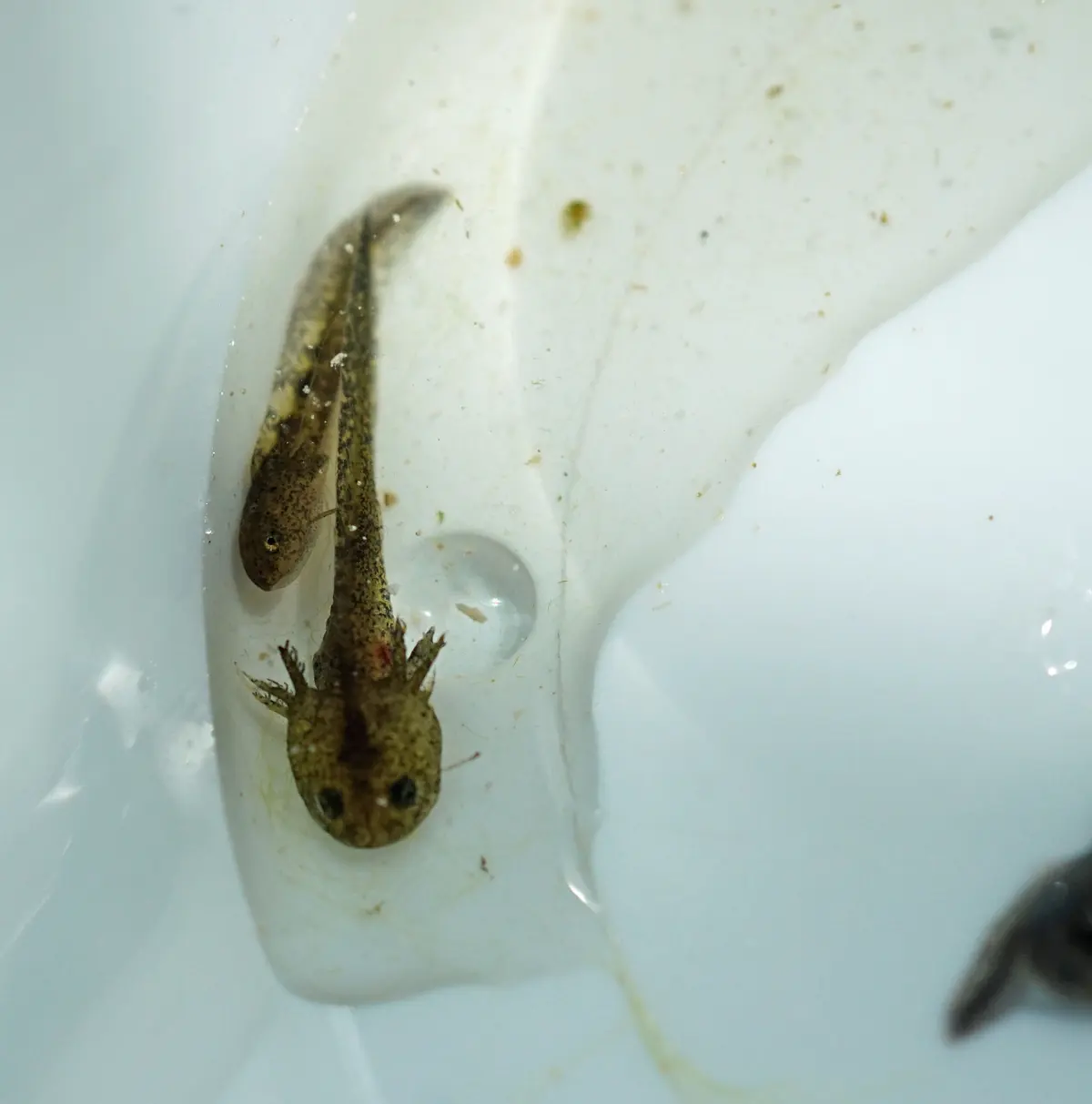
Tadpoles are specialized for life in an aquatic environment, which dictates their unique anatomy. They possess a streamlined, fish-like body shape that allows them to navigate through water with ease. Instead of lungs, they use external or internal gills to extract oxygen from the water. Their tails are essential for propulsion, acting as a rudder and a motor to help them escape threats and find food sources in dense vegetation.
As the tadpole approaches the end of its larval stage, it begins to undergo drastic internal and external changes. This process involves the resorption of the tail, the development of lungs for breathing air, and the growth of legs for movement on land. Their digestive systems also change to accommodate a shift from a plant-based diet to a carnivorous one, as adult frogs are primarily insectivores. This shift is essential for their survival in terrestrial habitats.
Common mistakes when raising tadpoles
Many people attempt to raise tadpoles in home aquariums, but they often encounter significant challenges due to a lack of preparation. One of the most frequent errors is failing to provide adequate water quality. Tadpoles are highly sensitive to chlorine and other chemicals found in tap water, which can be fatal if the water is not properly treated or dechlorinated before use.
- Always use a water conditioner to remove chlorine and heavy metals.
- Provide plenty of aquatic plants for both shelter and nutrition.
- Avoid overcrowding the tank, as this leads to poor oxygen levels and disease.
- Ensure the tank has a gentle filtration system that does not suck up the tadpoles.
- Provide a gradual slope or landing area so the froglets can climb out of the water once they begin to develop legs.
Neglecting these steps often leads to high mortality rates before the tadpoles reach the froglet stage.
Best environment for tadpole development
To ensure healthy development, a tadpole requires an environment that mimics its natural pond habitat as closely as possible. This includes maintaining a consistent temperature and ensuring there is enough space for the tadpole to swim freely. Sunlight is also beneficial, as it helps promote the growth of the algae and microorganisms that tadpoles rely on for their primary nutrition.
A well-maintained environment should include:
- A stable water temperature between 65 and 75 degrees Fahrenheit.
- Natural substrate like sand or smooth river stones at the bottom.
- Regular but partial water changes to remove waste products.
- A secure lid, as fully developed froglets are excellent jumpers and can easily escape their enclosure.
By monitoring the water quality and providing a balanced diet of boiled lettuce or specialized fish food, you can observe the entire process of metamorphosis from the safety of a controlled habitat, ensuring the tadpole successfully transitions into a healthy adult frog.
Key facts
- A baby frog is scientifically known as a tadpole or a polliwog.
- Tadpoles breathe through internal or external gills and live entirely underwater.
- Most tadpoles are herbivorous, feeding primarily on algae and aquatic plants.
- The transformation process from a tadpole to an adult frog is called metamorphosis.
- During metamorphosis, tadpoles grow hind legs first, followed by front legs, and eventually absorb their tails.
- Avoid keeping wild-caught tadpoles in tap water, as chlorine can be fatal to their sensitive skin.
The bottom line
A baby frog is widely known as a tadpole, an aquatic larval stage that undergoes a remarkable metamorphosis to become an adult amphibian. By breathing through gills and consuming algae, these creatures prepare for their eventual transition to land. Providing clean, dechlorinated water and proper nutrition is essential for their development, ensuring they successfully survive the complex biological changes required to reach their mature, air-breathing form.
People also ask
How long does it take for a tadpole to become a frog?
The duration varies significantly by species, ranging from a few weeks to several years. Some species, like the bullfrog, may remain in the tadpole stage for up to three years before completing their transition.
Do all tadpoles look the same?
No, tadpoles vary greatly in size, color, and shape depending on their species. Some are translucent, while others are dark or patterned to blend into their specific aquatic environments.
What do tadpoles eat in captivity?
Tadpoles can be fed blanched lettuce, spinach, or specialized commercial fish food. It is important to avoid overfeeding, as excess food can decay and pollute the water, which is a common cause of death.
Can tadpoles live in a bowl without a filter?
While possible for short periods, a filter is highly recommended to maintain water quality. Without filtration, you must perform partial water changes every few days to remove waste and ammonia buildup.
When do tadpoles start growing legs?
Tadpoles typically begin to develop hind legs during the climax of their metamorphosis. This stage, known as the prometamorphosis, marks the transition where they begin to prepare for life on land.
Why do tadpoles lose their tails?
As they transition to adulthood, their bodies reabsorb the tail tissue for energy. This process provides the necessary nutrients for the frog to survive while its digestive system adapts to a new carnivorous diet.
This answer was created with the help of AI research tools and reference sources. Spotted an error? Let us know — we correct mistakes quickly. See our editorial policy.