What is an estuary?
Short answer
An estuary is a partially enclosed coastal body of water where freshwater from rivers or streams meets and mixes with saltwater from the ocean. These dynamic transition zones, often called bays, lagoons, or sounds, serve as vital nurseries for marine life and provide essential buffers against storms and coastal erosion.
On this page
How do estuaries form?
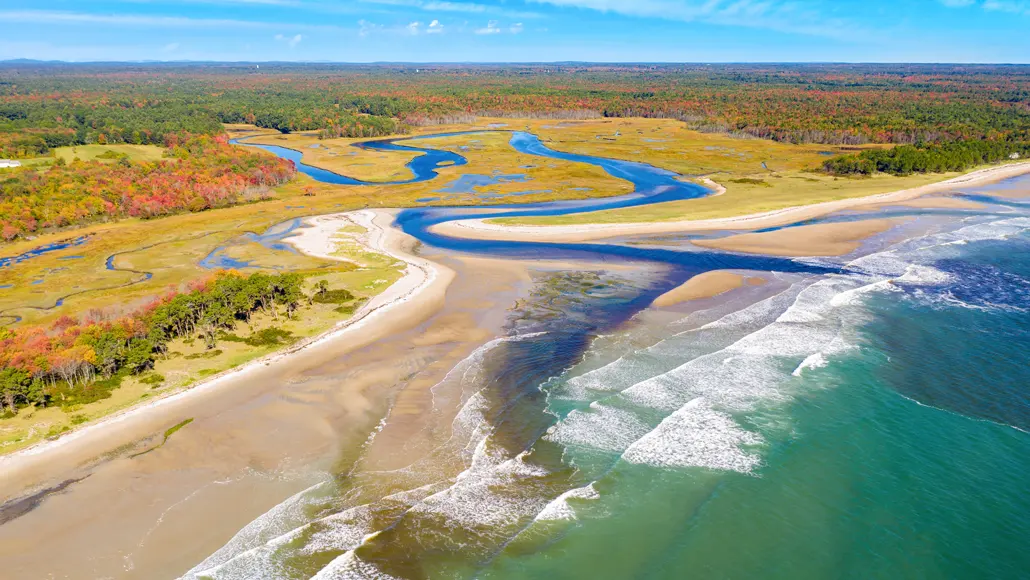
Estuaries are primarily formed by the rise in sea levels that occurred after the last glacial period, approximately 10,000 to 12,000 years ago. As glaciers melted, the ocean flooded river valleys, creating deep, protected basins where freshwater and saltwater could interact. These environments are categorized by their geological origins, which dictate their shape and the way water circulates within them.
The physical structure of an estuary is constantly changing due to the movement of tides, waves, and sediment deposition. Over time, sandbars or barrier islands often form across the mouth of an estuary, further protecting the inner waters from the full force of the open ocean. These landforms help trap nutrients and sediment, creating the fertile, shallow conditions necessary for diverse biological communities to thrive.
Why is estuary water brackish?
The defining characteristic of an estuary is brackish water, a mixture of fresh river water and salty ocean water. The salinity levels fluctuate significantly based on the volume of river discharge, the strength of tidal cycles, and seasonal weather patterns. During heavy rainfall, the influx of freshwater can push the salt wedge further out toward the sea, while drought conditions allow saltwater to penetrate deeper inland.
This salinity gradient creates a unique environmental challenge for organisms living in the area. Species must be euryhaline, meaning they have evolved physiological mechanisms to tolerate a wide range of salt concentrations. The mixing process is driven by three main factors:
- Tidal action: The rhythmic rise and fall of the ocean pushes saltwater into the estuary.
- River flow: The constant downstream movement of freshwater creates pressure that resists saltwater intrusion.
- Basin shape: The depth and width of the estuary influence how effectively these two water masses blend.
What lives in an estuary?
Estuaries are among the most productive ecosystems on Earth, often described as the "nurseries of the sea." The abundance of nutrients, brought in by rivers and stirred up by tides, supports a massive food web. Many commercially important fish and shellfish species, such as salmon, shrimp, and oysters, spend their juvenile stages in these protected waters before migrating to the open ocean.
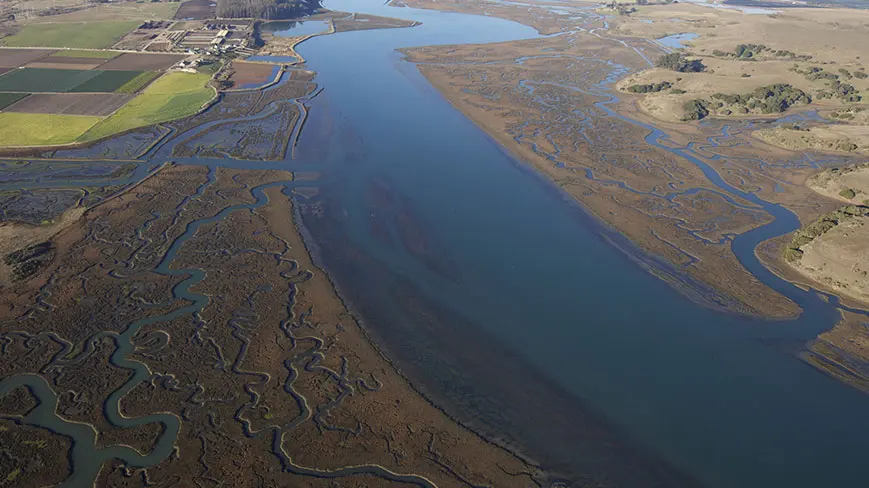
The vegetation in these zones is equally specialized and critical to the ecosystem's health. Salt marshes and mangrove forests act as natural filters, trapping pollutants and excess nutrients before they reach the ocean. These plants provide habitat for thousands of species, including:
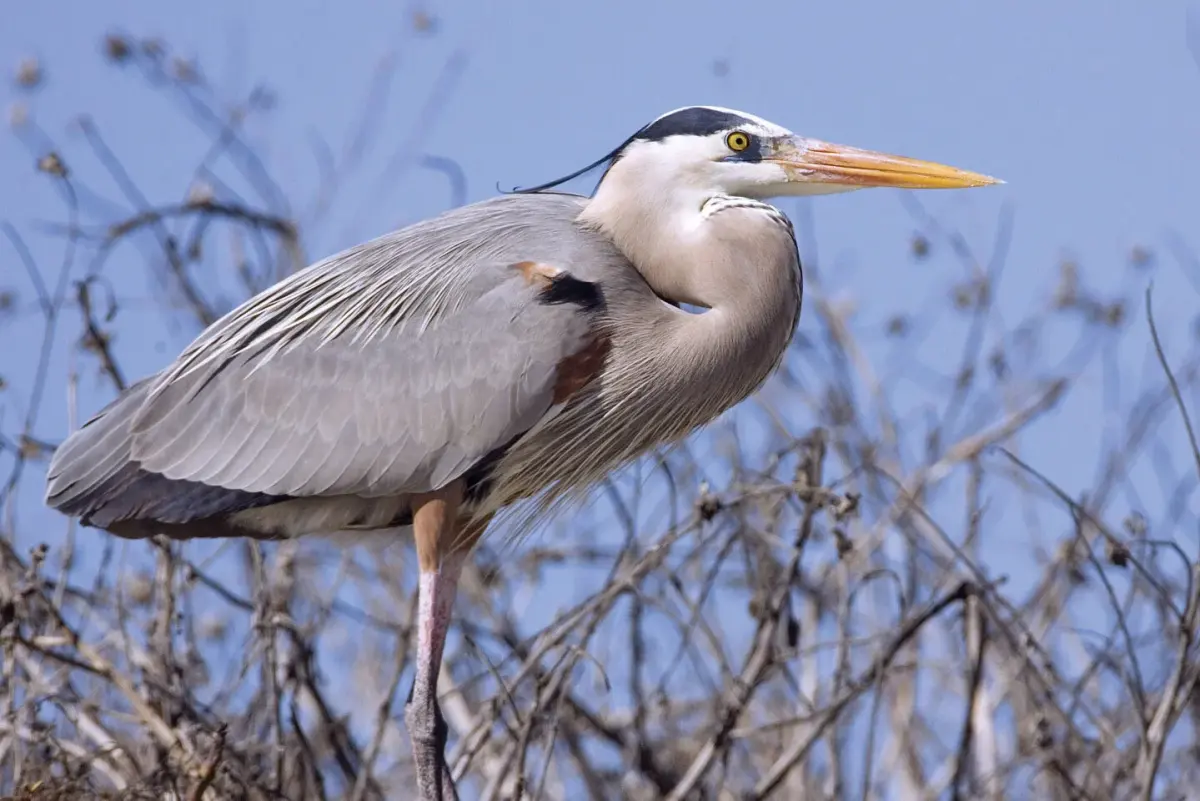
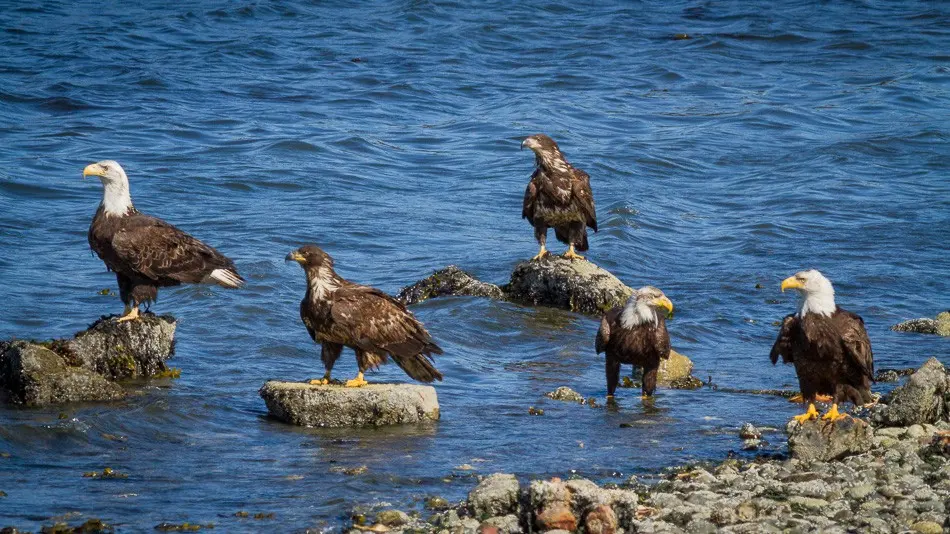
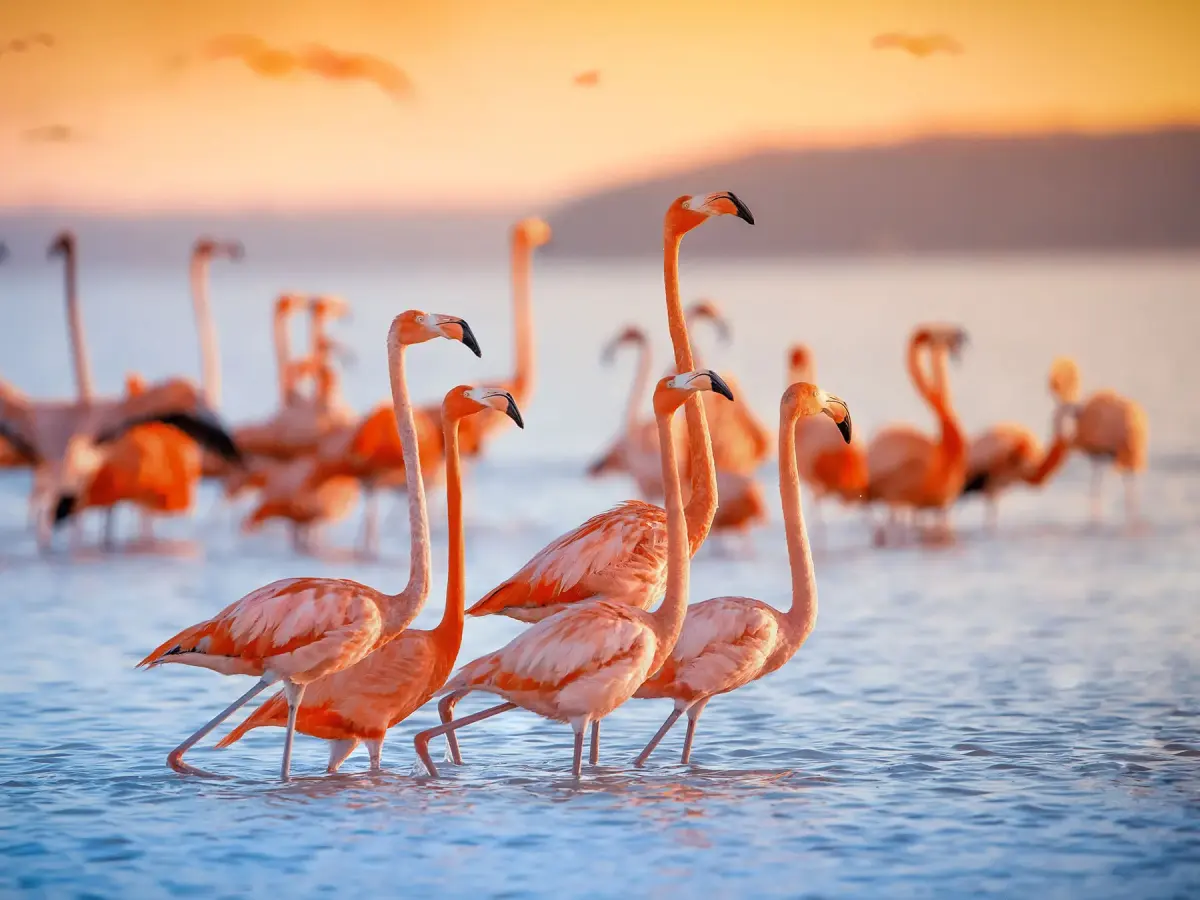
- Migratory birds that use estuaries as essential stopover points for feeding.
- Crustaceans like blue crabs that rely on submerged grasses for protection.
- Amphibians and reptiles, such as diamondback terrapins, that navigate between land and water.
How to protect estuary health?
Human activity poses the greatest threat to the stability of estuarine environments. Urban development, industrial runoff, and the destruction of wetlands for coastal construction have significantly degraded many estuaries worldwide. Protecting these areas requires a combination of local conservation efforts and broader policy changes aimed at managing water quality and land use in upstream watersheds.
To contribute to the preservation of these ecosystems, consider the following practical steps:
- Reduce fertilizer use: Excess nitrogen and phosphorus from lawns run off into rivers and cause harmful algal blooms in estuaries.
- Support local restoration: Volunteer for events that remove invasive species or plant native marsh grasses.
- Practice responsible boating: Avoid damaging seagrass beds by staying in marked channels and maintaining slow speeds in shallow zones.
- Minimize plastic waste: Ensure that trash is properly disposed of to prevent debris from washing into coastal waterways.
Common mistakes when studying estuaries?
A frequent error is assuming that all estuaries are uniform in their salinity and temperature. In reality, estuaries are highly stratified; the lighter, fresh water often floats on top of the denser, saltier ocean water, creating distinct layers. Failing to account for this vertical stratification can lead to inaccurate conclusions about how oxygen and nutrients are distributed throughout the water column.
Another common mistake is underestimating the impact of upstream activities on the estuary. People often focus solely on the coastal mouth, ignoring the fact that the health of an estuary is directly tied to the entire river basin. If a dam is built or a forest is cleared hundreds of miles inland, the sediment load and water flow reaching the coast will change, potentially destroying the delicate balance of the estuary. Always consider the entire watershed when evaluating the status of these complex and vital coastal systems.
Key facts
- An estuary is a partially enclosed coastal body of water where freshwater from rivers meets and mixes with saltwater from the ocean.
- These zones are often called "nurseries of the sea" because they provide essential shelter for the juvenile stages of many fish and crustacean species.
- The salinity in an estuary constantly fluctuates based on the tides, seasonal rainfall, and the volume of river discharge.
- Estuaries act as natural water filters, as plants and sediments trap pollutants and excess nutrients before they reach the open ocean.
- The Chesapeake Bay, located in the United States, is the largest estuary in the country, covering approximately 4,480 square miles.
- When visiting an estuary, avoid disturbing the mudflats, as these areas host fragile burrowing organisms that form the base of the local food web.
The bottom line
Estuaries serve as critical environmental bridges, blending freshwater and saltwater to create some of the most biologically productive habitats on Earth. By filtering pollutants and providing nurseries for countless marine species, they protect coastal stability and support global biodiversity. Understanding these dynamic systems is essential for effective conservation, as their health directly influences the vitality of our oceans and the resilience of human coastal communities.
People also ask
How do estuaries differ from deltas?
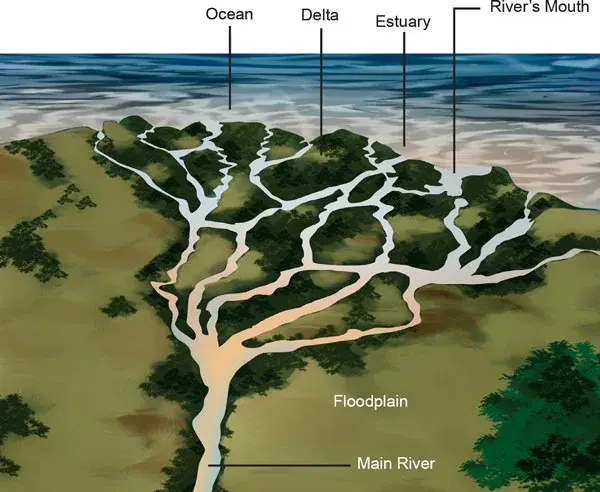
A delta is a landform created by the deposition of sediment at a river mouth, while an estuary is the specific body of water where mixing occurs. Deltas can contain estuaries, but they are distinct geological features defined by their shape and sediment accumulation.
Why are estuaries considered highly productive ecosystems?
They receive a constant influx of nutrients from both land runoff and tidal action, fueling rapid plant growth. This abundance of vegetation supports a complex food web that sustains diverse wildlife, including birds, fish, and mammals.
What are the primary threats to estuary health?
Pollution from agricultural runoff, industrial waste, and urban development are the most significant threats. These inputs can lead to eutrophication, which causes oxygen-depleted "dead zones" where aquatic life cannot survive.
Do all estuaries have the same salinity levels?
No, salinity varies significantly depending on the location, tide, and freshwater input. Some areas are nearly fresh, while others are almost as salty as the ocean, creating a gradient that supports specialized plant and animal life.
Can you swim in an estuary?
Swimming is generally possible, but it depends on local water quality reports and safety conditions. Because estuaries are transition zones, they can sometimes harbor higher concentrations of bacteria or pollutants, so always check local health advisories first.
How do plants survive in the changing salt levels of an estuary?
Estuarine plants, such as mangroves and salt marsh grasses, have evolved specialized mechanisms to filter salt or excrete it through their leaves. These adaptations allow them to thrive in environments that would kill most freshwater vegetation.
This answer was created with the help of AI research tools and reference sources. Spotted an error? Let us know — we correct mistakes quickly. See our editorial policy.