Where do crocodiles live?
Short answer
Crocodiles inhabit tropical regions across Africa, Asia, Australia, and the Americas. They thrive in diverse freshwater habitats like rivers and lakes, as well as brackish environments such as estuaries and mangrove swamps. While they are semi-aquatic, they spend significant time basking on riverbanks to regulate their body temperature in warm climates.
On this page
Where do crocodiles live geographically
Crocodiles are found throughout the tropical zones of the planet, occupying a wide range of latitudes between the Tropics of Cancer and Capricorn. They are most prevalent in sub-Saharan Africa, Southeast Asia, Northern Australia, and parts of Central and South America. These reptiles are highly adaptable to various climates, provided the water temperature remains warm enough to support their metabolism. Because they are ectothermic, they rely on the ambient heat of their environment to regulate their internal temperature, which limits their distribution to warmer regions.
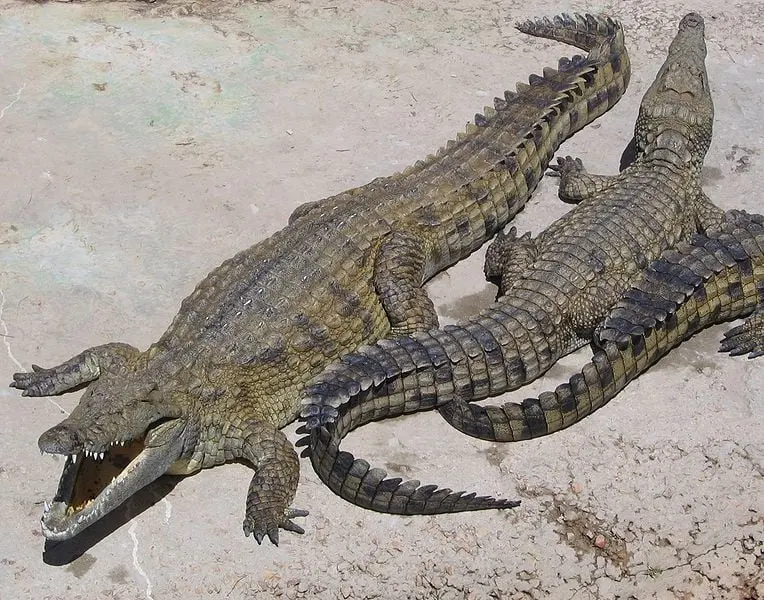
While they are widespread, their populations are often fragmented due to human development and habitat loss. Some species, such as the Nile crocodile, are found across much of the African continent, while others, like the Philippine crocodile, are restricted to very specific island chains. Understanding their geographic range is essential for conservation efforts, as these animals play a critical role in maintaining the balance of their respective ecosystems by controlling fish and prey populations.
What types of habitats do crocodiles prefer
Crocodiles are semi-aquatic creatures that require specific environmental conditions to survive. They primarily inhabit freshwater systems, including slow-moving rivers, freshwater marshes, and large lakes. However, many species are also capable of tolerating saltwater, allowing them to thrive in coastal estuaries, mangrove swamps, and even the open ocean in some instances. This ability to move between fresh and salt water gives them a significant advantage in hunting and avoiding predators.
Their habitat selection is often driven by the availability of nesting sites and basking spots. They prefer areas with:
- Gently sloping riverbanks for easy access to land.
- Dense vegetation to provide cover for hatchlings.
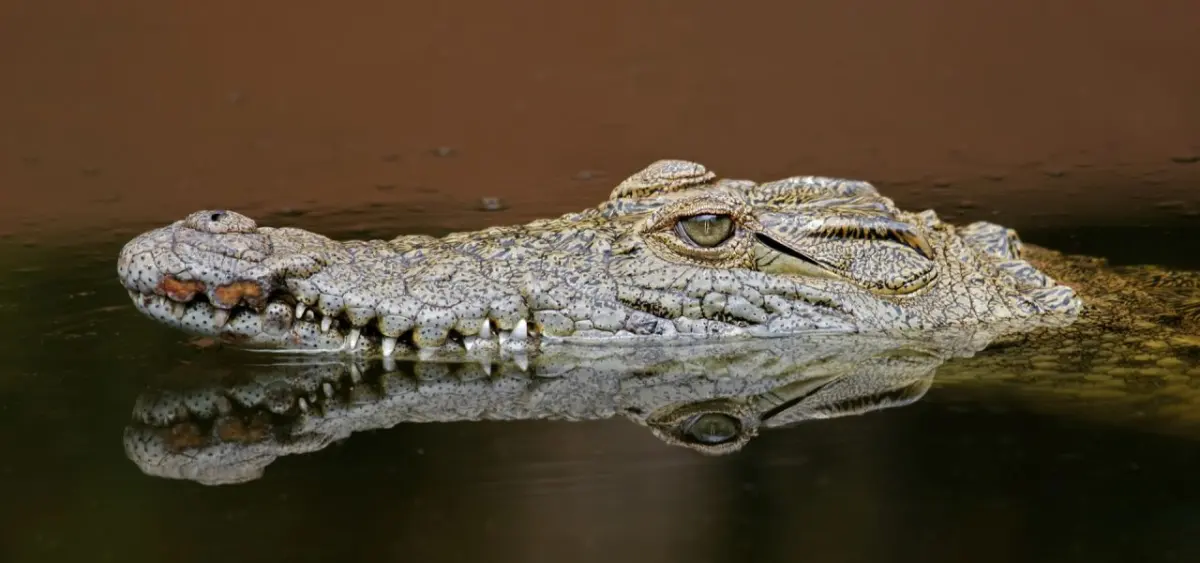
- Shallow water zones where they can remain submerged while keeping their eyes and nostrils above the surface.
- High prey density, such as fish, birds, and land mammals that come to the water's edge to drink.
How to identify crocodile habitats in the wild
Identifying a potential crocodile habitat requires observing specific environmental markers. If you are exploring tropical wetlands, look for signs of heavy traffic on mudflats, such as deep, parallel drag marks left by their tails. You should also scan the water for "eyes and snouts"—the classic silhouette of a crocodile floating just at the surface. In areas where crocodiles are active, the surrounding vegetation may appear trampled, and there might be distinct "slides" leading from the bank into the water.
When assessing a location, consider these safety indicators:
- Check for warning signs posted by local park authorities or wildlife management agencies.
- Observe the behavior of local wildlife; birds and monkeys often become silent or flee when a predator is nearby.
- Look for nesting mounds made of decaying vegetation, which indicate that females are actively protecting their young in the area.
- Avoid areas with murky, stagnant water where visibility is low, as these are prime ambush spots.
Why crocodiles move between water and land
Crocodiles are not purely aquatic; they spend a substantial amount of time on land to thermoregulate. By basking in the sun, they raise their body temperature, which aids in digestion and boosts their immune system. Once they reach an optimal temperature, they return to the water to cool off or hunt. This cycle of basking and swimming is vital for their survival, especially during cooler nights or seasonal temperature drops.
Beyond thermoregulation, crocodiles move onto land to nest and lay eggs. Females dig deep holes or build mounds of vegetation to incubate their clutches. These nesting sites are usually located a short distance from the water to prevent flooding while ensuring the mother can quickly return to the nest if threatened. During the dry season, some crocodiles may also travel long distances over land to find deeper water holes if their primary habitat begins to evaporate, demonstrating their surprising mobility.
Common mistakes when visiting crocodile territory
The most significant mistake people make when visiting crocodile habitats is underestimating the animal's speed and stealth. Many observers assume that because a crocodile appears sluggish while basking, it is harmless or slow to react. In reality, crocodiles can launch themselves with explosive speed over short distances, both in the water and on land. Never approach a crocodile for a photograph, and always maintain a distance of at least 30 to 50 feet, even if the animal seems disinterested.
Another common error is ignoring local warnings or swimming in areas known to have crocodile activity. People often assume that because they do not see a crocodile, the water is safe, but these animals are masters of camouflage and can remain hidden for hours. To stay safe, follow these guidelines:
- Never swim at night or during dawn and dusk, which are peak hunting times.
- Avoid cleaning fish or disposing of food scraps near the water, as this attracts crocodiles to human activity.
- Stay well back from the water's edge, especially in areas with tall grass or dense reeds.
- Always remain vigilant and keep children and pets at a safe distance from any body of water in known crocodile ranges.
Key facts
- Crocodiles inhabit tropical regions across Africa, Asia, Australia, and the Americas.
- They thrive in diverse aquatic environments, including freshwater rivers, lakes, marshes, and saltwater estuaries.
- The saltwater crocodile is the largest living reptile, capable of traveling long distances across open ocean waters.
- Most crocodile species prefer slow-moving or stagnant water to conserve energy while hunting.
- Avoid swimming in murky, unfamiliar tropical waters, as crocodiles are ambush predators that blend into their surroundings.
- Never approach a crocodile basking on a riverbank, as they can move with surprising speed over short distances.
The bottom line
Crocodiles are highly adaptable apex predators found throughout the tropical regions of the world. By inhabiting a wide range of freshwater and saltwater environments, they have secured their place as dominant figures in their ecosystems. Whether in rivers, lakes, or coastal mangroves, these reptiles rely on stealth and powerful physical traits to survive, making it essential for humans to maintain a respectful distance in their territory.
People also ask
Can crocodiles live in saltwater?
Yes, certain species like the saltwater crocodile (Crocodylus porosus) possess specialized glands that allow them to excrete excess salt. This adaptation enables them to inhabit coastal mangroves, estuaries, and even the open sea.
Do crocodiles live in the United States?
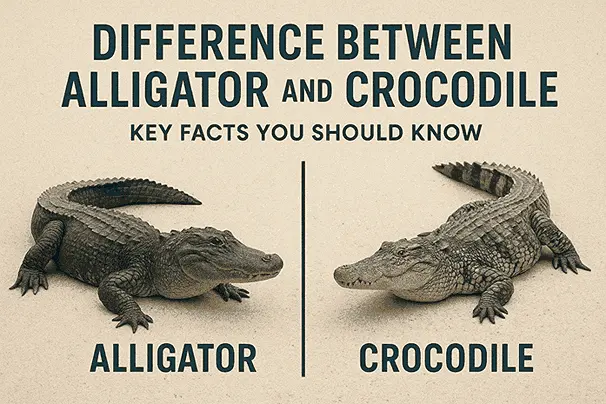
Only one species, the American crocodile, resides in the United States, specifically in the southern tip of Florida. They are distinct from the more common American alligator found throughout the southeastern U.S.
Are crocodiles found in the desert?
While they generally require water, some species in Africa, such as the West African crocodile, have adapted to survive in isolated desert pools. They enter a state of dormancy called estivation to endure long periods of drought.
How far inland can crocodiles travel?
Crocodiles primarily stay near water sources, but they can travel several miles over land to find new habitats or food. They are most active on land during the night or when moving between water bodies.
Do crocodiles live in groups?
Crocodiles are social animals that often congregate in groups called "basks" or "floats." While they do not hunt in packs, they often share basking sites and nesting grounds with others of their species.
Can you keep a crocodile as a pet?
It is highly discouraged and illegal in most jurisdictions to keep crocodiles as pets. They grow to dangerous sizes, have complex biological needs, and pose a severe risk of injury to their owners.
This answer was created with the help of AI research tools and reference sources. Spotted an error? Let us know — we correct mistakes quickly. See our editorial policy.