How long do goats live?
Short answer
Domestic goats typically live between 10 and 15 years. While some individuals may reach 18 years with exceptional care, the average lifespan generally falls within the 12-year range. Factors such as breed, nutrition, preventative veterinary care, and the environment in which the animal is raised significantly influence their overall longevity and health.
On this page
How long do goats live on average?
Most domestic goats have a lifespan ranging from 10 to 15 years. This range depends heavily on the specific breed, as smaller dairy breeds and larger meat-producing breeds often have slightly different physiological requirements. While genetics play a role, the quality of life provided by the owner is the most significant variable in determining whether a goat lives toward the lower or higher end of this spectrum.
Environmental stressors, such as extreme weather or predator pressure, can shorten a goat's life significantly. Goats are social herd animals, and those kept in isolation often suffer from chronic stress, which weakens their immune systems and makes them susceptible to various illnesses. Providing a stable, secure environment where the animal feels safe and has constant access to companions is essential for reaching the upper limits of their natural life expectancy.
What factors affect goat lifespan?
Several critical elements dictate how long a goat will thrive. Nutrition is the primary factor, as goats are ruminants that require a complex diet of high-quality forage, hay, and minerals to maintain proper rumen function. Deficiencies, particularly in copper, selenium, or vitamin E, can lead to long-term health issues that gradually degrade the animal’s condition over several years.
Preventative medicine is equally vital for ensuring a long life. Without a proactive approach to health, goats are highly vulnerable to internal parasites, which remain a leading cause of premature death in many herds. Owners must implement a consistent management strategy to mitigate these risks. Key components of a healthy goat management plan include:
- Regular fecal egg counts to monitor parasite loads.
- Annual vaccinations against common diseases like enterotoxemia and tetanus.
- Routine hoof trimming to prevent foot rot and mobility issues.
- Access to clean, fresh water at all times to prevent urinary calculi.
How to care for aging goats?
As goats enter their senior years, usually around age 10, their metabolism and physical capabilities begin to decline. You may notice a loss of muscle mass, worn-down teeth, or increased sensitivity to cold. Providing specialized care during this stage can add several comfortable years to their lives. Senior goats often struggle to compete for food in a large herd, so separating them during feeding times ensures they receive adequate nutrition.
Adjusting the diet for an older goat is a common requirement for responsible owners. Because their teeth may be worn, they may find it difficult to chew coarse hay or forage. Providing high-quality alfalfa pellets or a balanced senior feed can help them maintain their weight. Additionally, senior goats benefit from extra bedding and protected shelter to keep them warm during winter months.
Common mistakes when raising goats?
Many owners unintentionally shorten their goats' lives through poor management practices. One of the most frequent errors is overfeeding grain, which can lead to obesity and metabolic disorders like bloat or acidosis. Goats are designed to eat fiber, not high-energy concentrates, and excessive grain intake often results in a shorter, less healthy life.
Another common mistake is failing to recognize the early signs of illness. Goats are prey animals and are experts at hiding weakness until they are critically ill. Owners should observe their herd daily for subtle changes in behavior. To ensure you catch problems early, follow these steps:
- Check the color of the inner eyelid to monitor for anemia caused by parasites.
- Listen for normal rumen sounds to ensure digestive health.
- Monitor the herd for any animal that is isolating itself from the group.
- Keep a log of weight changes or shifts in appetite to identify trends.
Best environment for a long life?
The ideal environment for a goat is one that mimics their natural habitat while providing protection from modern threats. Goats require plenty of space to browse and exercise, which helps maintain muscle tone and cardiovascular health. A clean, dry barn is essential, as goats are highly susceptible to respiratory issues caused by damp, poorly ventilated housing.
Furthermore, safety from predators is a non-negotiable aspect of long-term care. Even in rural areas, domestic dogs, coyotes, and bobcats can devastate a herd. Using sturdy fencing, such as woven wire, and keeping goats locked in a secure barn at night prevents traumatic injuries and stress. By combining proper nutrition, proactive veterinary oversight, and a secure, low-stress environment, you provide the best possible foundation for your goats to live a long, healthy, and productive life.
Key facts
- Domestic goats typically live between 10 and 15 years, depending on breed, diet, and healthcare.
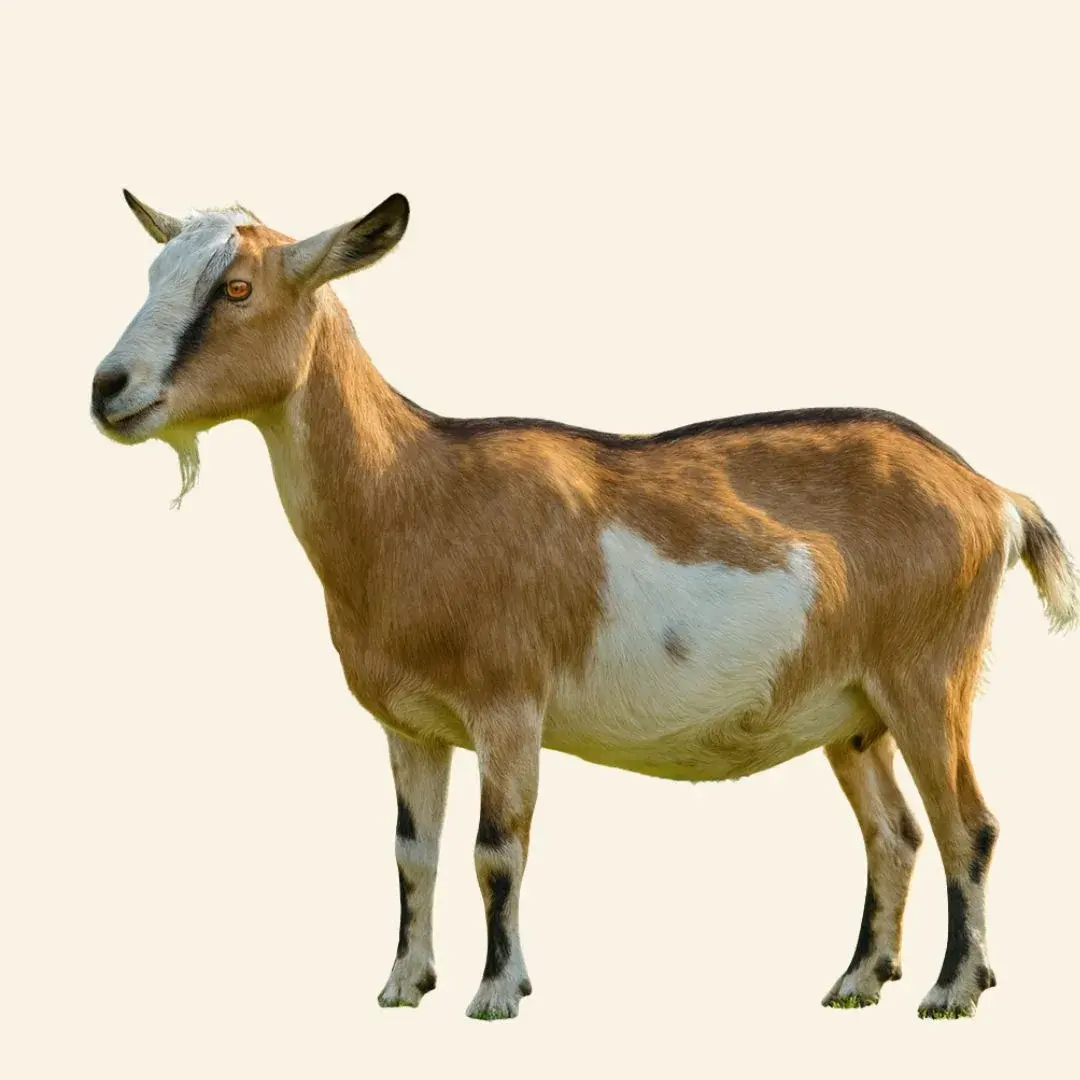
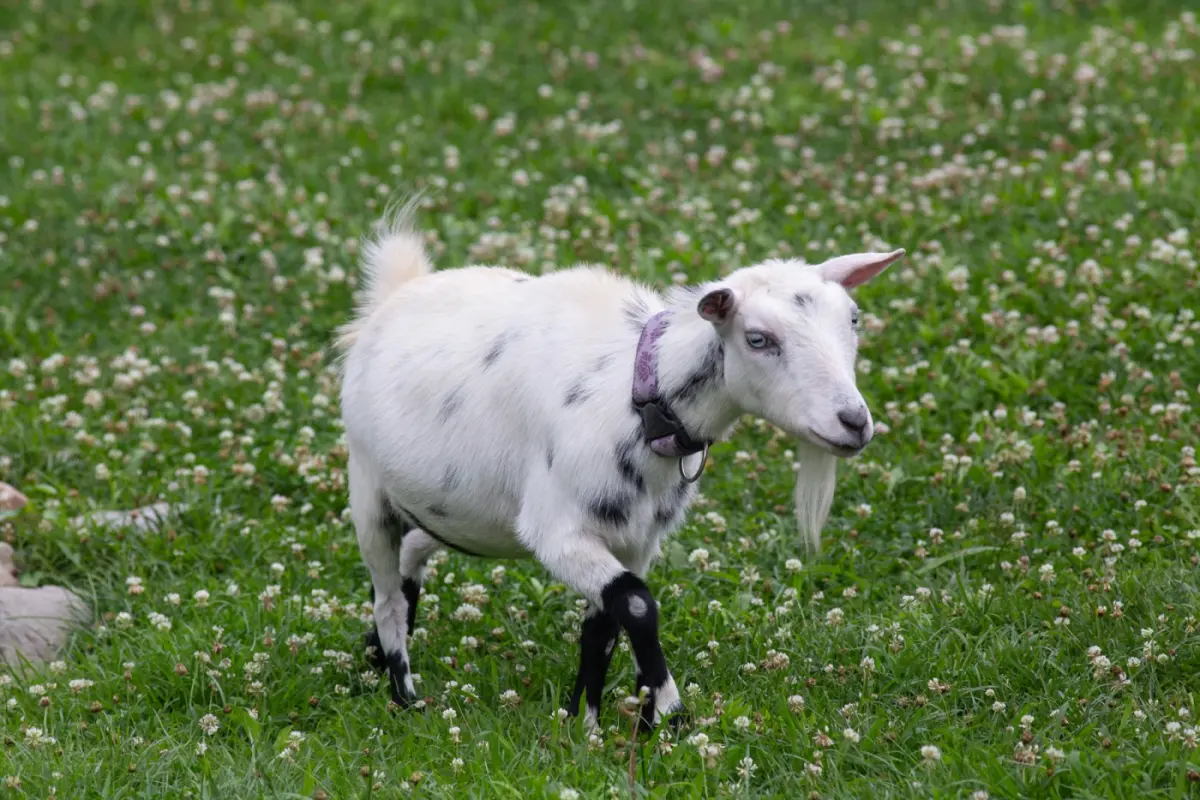
- Miniature breeds, such as Nigerian Dwarfs, often live longer than larger commercial breeds, sometimes reaching 18 years.
- Providing high-quality forage and clean water is the most effective way to extend a goat's lifespan.
- Regular hoof trimming every 6 to 8 weeks prevents lameness and infections that can lead to health decline.
- Annual vaccinations against enterotoxemia and tetanus are essential for preventing common, fatal goat diseases.
- Avoid feeding goats lawn clippings, as these can ferment in the rumen and cause toxic bloat.
The bottom line
Goats are resilient animals that thrive with consistent care, typically living between 10 and 15 years. Their longevity is heavily influenced by proactive health management, including parasite control, proper nutrition, and regular hoof maintenance. By monitoring for early signs of illness and ensuring they have adequate space to move, owners can significantly improve the quality and duration of their goats' lives throughout their senior years.
People also ask
Do male or female goats live longer?
Generally, there is no significant difference in lifespan between sexes, though intact males may experience more stress-related health issues. Spaying or neutering can prevent reproductive cancers and behavioral stress, potentially contributing to a longer life.
How can I tell if my goat is aging prematurely?
Look for signs such as significant weight loss, difficulty chewing, or a dull, coarse coat. If a goat stops ruminating or becomes isolated from the herd, it is often a sign of underlying illness or advanced age.
What is the most common cause of death in domestic goats?
Parasitic infections, particularly barber pole worms, are the leading cause of premature death in goats. Implementing a strict rotational grazing schedule and fecal egg count monitoring is vital for prevention.
Do goats kept as pets live longer than those on farms?
Pets often live longer because they receive more individual attention and closer monitoring for subtle health changes. However, farm goats that are well-managed with professional veterinary care can live just as long.
At what age is a goat considered a senior
A goat is usually considered a senior once it reaches 8 to 10 years of age. At this stage, they require softer feed, extra warmth in winter, and closer observation for arthritis or dental issues.
Can goats live indoors?
While goats can be house-trained, they are herd animals that require outdoor space to exercise and graze. Keeping them strictly indoors often leads to hoof problems and respiratory issues due to poor ventilation.
This answer was created with the help of AI research tools and reference sources. Spotted an error? Let us know — we correct mistakes quickly. See our editorial policy.