Why do some people have freckles?
Short answer
Freckles are small, flat spots of concentrated melanin triggered by exposure to ultraviolet (UV) radiation. They occur primarily in individuals with a genetic predisposition, specifically those carrying variants of the MC1R gene. While often associated with fair skin and red hair, anyone can develop freckles when sunlight stimulates pigment-producing melanocytes.
On this page
Why do freckles happen
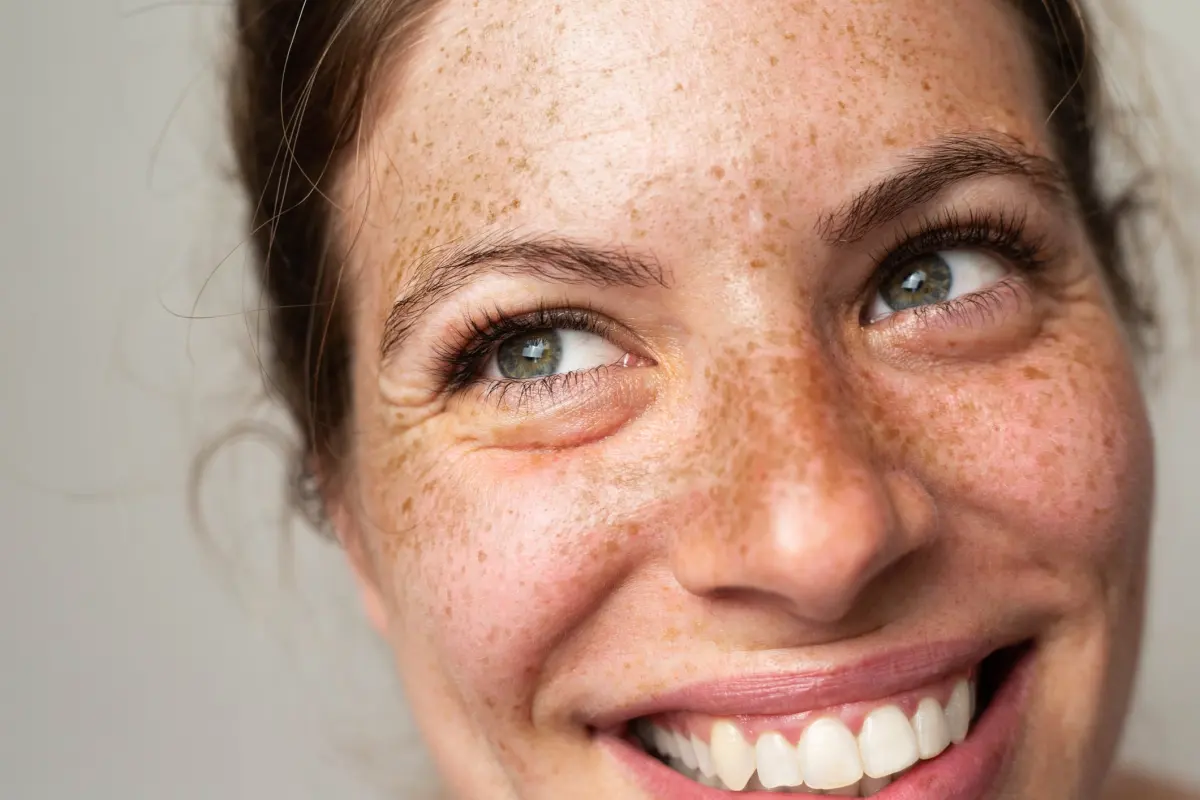
Freckles, medically known as ephelides, are the skin’s localized response to sunlight. When UV rays hit the skin, they stimulate melanocytes—the cells responsible for producing melanin—to create more pigment as a protective mechanism. In people with a genetic tendency for freckling, this melanin is not distributed evenly across the skin. Instead, it clumps together in small, concentrated patches, resulting in the appearance of distinct, darkened spots.
This process is heavily influenced by the MC1R gene, which regulates the type of melanin a person produces. There are two primary types of melanin: eumelanin, which provides brown or black pigment, and pheomelanin, which provides red or yellow pigment. Individuals with variants of the MC1R gene often produce more pheomelanin, which offers less protection against UV damage. Consequently, their skin reacts to sun exposure by creating these freckled clusters rather than a uniform tan.
Who is most likely to get freckles
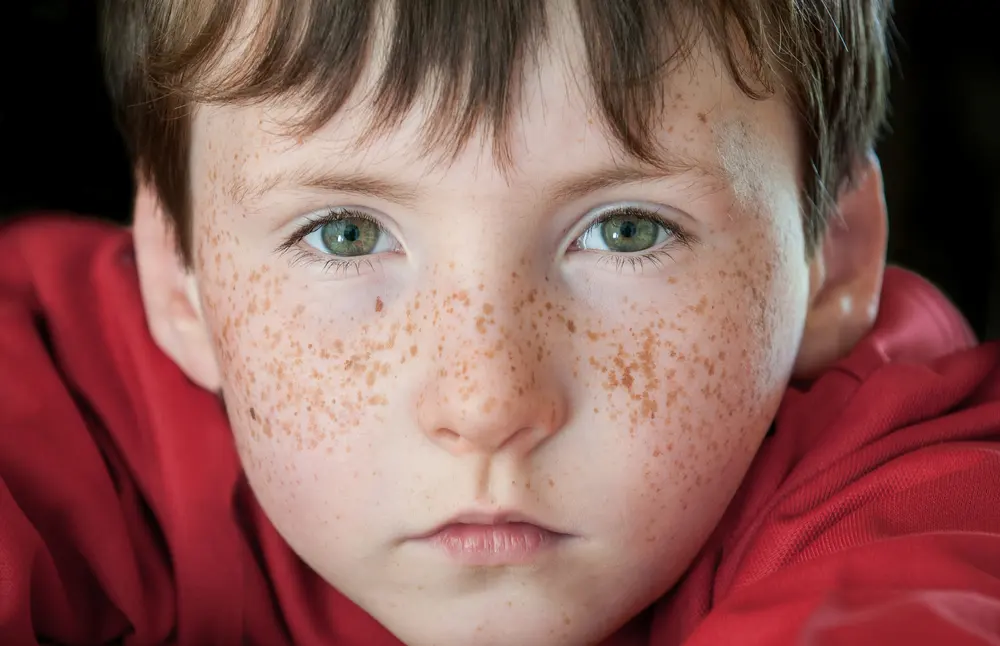
Genetics play the most significant role in determining who develops freckles. While environmental exposure is the trigger, your DNA dictates how your skin cells respond to that trigger. People with fair skin, light-colored hair, and blue or green eyes are statistically more likely to have the MC1R gene variants that lead to freckling. However, freckles can appear on people of any ethnic background or skin tone.
Certain factors increase the likelihood of developing visible freckles:
- Having a family history of freckling, as it is an inherited trait.
- Living in geographic regions with high solar intensity or at high altitudes.
- Spending significant time outdoors during childhood and adolescence.
- Lacking the genetic ability to produce a deep, even tan, which forces the skin to rely on localized pigment production.

How to distinguish freckles from other spots
It is important to differentiate between harmless freckles and other skin lesions that may indicate health concerns. Freckles are typically small, measuring less than five millimeters in diameter, and they are usually light brown or tan. They tend to fade or disappear entirely during the winter months when UV exposure is minimal. In contrast, other skin spots may persist regardless of the season and may require medical evaluation.
Consider these characteristics when examining your skin:
- Shape: Freckles have irregular or jagged edges, whereas moles are often round and symmetrical.
- Texture: Freckles are flat and flush with the skin, while some growths may be raised.
- Stability: If a spot changes size, shape, or color rapidly, or if it begins to bleed or itch, it should be examined by a dermatologist.
- Permanence: Solar lentigines, often called "age spots," are larger than freckles and do not fade in the winter.
Best sun protection for freckled skin
Because freckled skin is often more sensitive to UV radiation, maintaining a robust sun protection regimen is essential. Protecting your skin does not mean you must avoid the outdoors, but it does require consistent habits to prevent long-term DNA damage. Sun damage is cumulative, meaning the effects of childhood exposure often manifest as skin changes or health issues later in life.
Follow these steps to maintain healthy skin:
- Apply a broad-spectrum sunscreen with an SPF of 30 or higher every single day.
- Reapply sunscreen every two hours, especially if you are swimming or sweating.
- Wear protective clothing, including wide-brimmed hats and UV-blocking sunglasses.
- Seek shade during peak sun hours, typically between 10:00 AM and 4:00 PM.
- Avoid the use of indoor tanning beds, which deliver concentrated UV radiation that accelerates skin aging and damage.
Common mistakes when managing freckles
Many people mistakenly believe that freckles are a sign of skin damage that requires immediate removal. In reality, freckles are a natural physiological response, and they are not inherently dangerous. A common error is attempting to "scrub" or exfoliate freckles away using harsh chemical peels or abrasive scrubs. These methods often irritate the skin barrier without actually removing the underlying pigment, which is located in the deeper layers of the epidermis.
Another frequent mistake is neglecting skin checks because of the presence of freckles. People often assume that any dark spot is just another freckle, leading them to overlook changes in moles that could be signs of melanoma. To avoid this, perform a monthly skin self-exam using the ABCDE rule: look for Asymmetry, irregular Borders, uneven Color, large Diameter, and Evolving spots. If you notice any lesion that stands out as different from the rest of your freckles or exhibits these warning signs, consult a medical professional immediately to ensure your skin remains healthy and protected.
Key facts
- Freckles are small, flat, tan or light-brown spots caused by an uneven distribution of melanin, the pigment that gives skin its color.
- They are primarily triggered by exposure to ultraviolet (UV) radiation from the sun, which stimulates melanocytes to produce more pigment.
- Genetics play a significant role, specifically the MC1R gene, which influences skin type and sensitivity to sunlight.
- People with fair skin, red or blonde hair, and light eyes are statistically more likely to develop freckles due to lower levels of protective melanin.
- Freckles are not a medical condition or a sign of skin damage, but they serve as a visible indicator of sun sensitivity.
- To prevent freckles from darkening, apply a broad-spectrum sunscreen with at least SPF 30 daily and wear protective clothing during peak UV hours.
The bottom line
Freckles are a natural, genetic response to sunlight, occurring when melanocytes produce extra pigment in localized areas of the skin. While they are harmless, their appearance serves as a practical reminder that your skin is sensitive to UV radiation. By maintaining consistent sun protection habits, you can manage their intensity and prioritize your long-term skin health, ensuring you enjoy the outdoors safely throughout the year.
People also ask
Are freckles the same thing as moles?
No, freckles are flat spots caused by increased pigment production, while moles are typically raised clusters of skin cells. Moles are present from birth or develop later and do not necessarily change with sun exposure.
Do freckles fade during the winter months?
Yes, because freckles are triggered by sun exposure, they often become lighter or disappear entirely when UV radiation is minimal. They typically reappear or darken again once the skin is exposed to the sun in spring and summer.
Can you get freckles if you have dark skin?
While less common, people with darker skin tones can develop hyperpigmentation spots similar to freckles, often called ephelides or solar lentigines. These are usually triggered by sun damage or hormonal fluctuations rather than the classic genetic freckling.
Is it possible to remove freckles permanently?
While some cosmetic treatments like laser therapy or chemical peels can lighten freckles, they are not permanent. If you continue to expose your skin to the sun without protection, the freckles will likely return.
Why do some children have freckles while others do not?
The presence of freckles is largely determined by the inheritance of specific variants of the MC1R gene. If a child inherits these genes from their parents, they are biologically predisposed to develop freckles upon sun exposure.
Are freckles a sign of skin cancer?
Standard freckles are benign and do not pose a health risk. However, it is important to monitor any spots for changes in size, shape, or color, as irregular spots can sometimes be a sign of melanoma.
This answer was created with the help of AI research tools and reference sources. Spotted an error? Let us know — we correct mistakes quickly. See our editorial policy.