How do you make cinnamon rolls?
Short answer
Making cinnamon rolls involves preparing a yeast-leavened dough, rolling it into a rectangle, spreading it with cinnamon-sugar butter, and slicing it into coils. After a secondary rise, the rolls are baked until golden brown and typically topped with a sweet icing or cream cheese glaze for a soft, decadent finish.
On this page
How to prepare the dough
The foundation of a successful cinnamon roll is a rich, enriched yeast dough. You begin by activating yeast in warm milk, typically around 110°F (43°C), ensuring it is not too hot to kill the microorganisms. Once the yeast foams, combine it with flour, sugar, salt, eggs, and softened butter. Kneading the dough is essential to develop gluten, which provides the structure needed to hold the air bubbles created by the yeast.
- Combine warm milk, yeast, and a pinch of sugar in a bowl.
- Mix in the flour, remaining sugar, salt, eggs, and melted butter.
- Knead the mixture for 8 to 10 minutes until it is smooth and elastic.
- Place the dough in a greased bowl, cover it, and let it rise in a warm spot until it doubles in size.
Proper temperature control during the first rise is critical. If the environment is too cold, the yeast will remain dormant, leading to dense rolls. Conversely, excessive heat can melt the butter and cause the dough to become greasy or collapse. Aim for a consistent room temperature of approximately 75°F (24°C) for the best results.
How long does it take to make cinnamon rolls
The process of making cinnamon rolls from scratch is a time-intensive labor of love that usually spans three to four hours. Most of this duration is dedicated to the two rising stages, which are necessary for the yeast to produce carbon dioxide and aerate the dough. While active preparation takes about 45 minutes, patience is the primary ingredient required for achieving a light, airy texture.
- First rise (bulk fermentation): 60 to 90 minutes.
- Rolling, filling, and shaping: 20 minutes.
- Second rise (proof): 45 to 60 minutes.
- Baking time: 20 to 30 minutes.
If you are short on time, you can perform the first rise in the refrigerator overnight. This "cold proof" slows down the yeast activity, allowing for a deeper flavor development while fitting into a busy schedule. Simply remove the dough from the fridge, let it come to room temperature for 30 minutes, and proceed with rolling and shaping as usual.
Best ingredients for beginners
Using high-quality ingredients significantly impacts the final product's flavor and texture. Bread flour is preferred over all-purpose flour because its higher protein content creates a stronger gluten network, resulting in a chewier, more professional-grade roll. For the filling, use room-temperature unsalted butter, which spreads evenly without tearing the delicate dough, and high-quality ground cinnamon, such as Ceylon or Korintje, for a robust aromatic profile.
- Bread flour: Provides structure and chew.
- Instant yeast: More reliable and faster than active dry yeast.
- Unsalted butter: Allows control over the salt content in the dough.
- Dark brown sugar: Adds a deeper molasses flavor to the filling.
When selecting your fats, avoid substituting butter with margarine or oil. Butter contains milk solids and water that contribute to the tender crumb and rich flavor profile expected in a classic cinnamon roll. If you prefer a tangy contrast to the sweetness, use full-fat cream cheese for the icing rather than a standard powdered sugar and milk glaze.
Why the rolls become dry or dense
A common frustration for home bakers is ending up with rolls that are dry, tough, or overly dense. This usually happens because of excessive flour usage during the rolling process. Adding too much flour while dusting your workspace can incorporate extra dry ingredients into the dough, making it stiff. Always use the minimum amount of flour necessary to prevent sticking, and consider using a silicone mat to reduce the need for extra flour.
Another reason for density is over-baking or under-proofing. If the rolls do not rise sufficiently during the second proof, they will lack the necessary air pockets to be fluffy. Conversely, if you leave them in the oven for too long, the moisture evaporates, turning the soft dough into a bread-like consistency. Use an instant-read thermometer to check that the internal temperature of the center roll reaches 190°F (88°C) to ensure they are perfectly cooked without drying out.
Common mistakes when baking cinnamon rolls
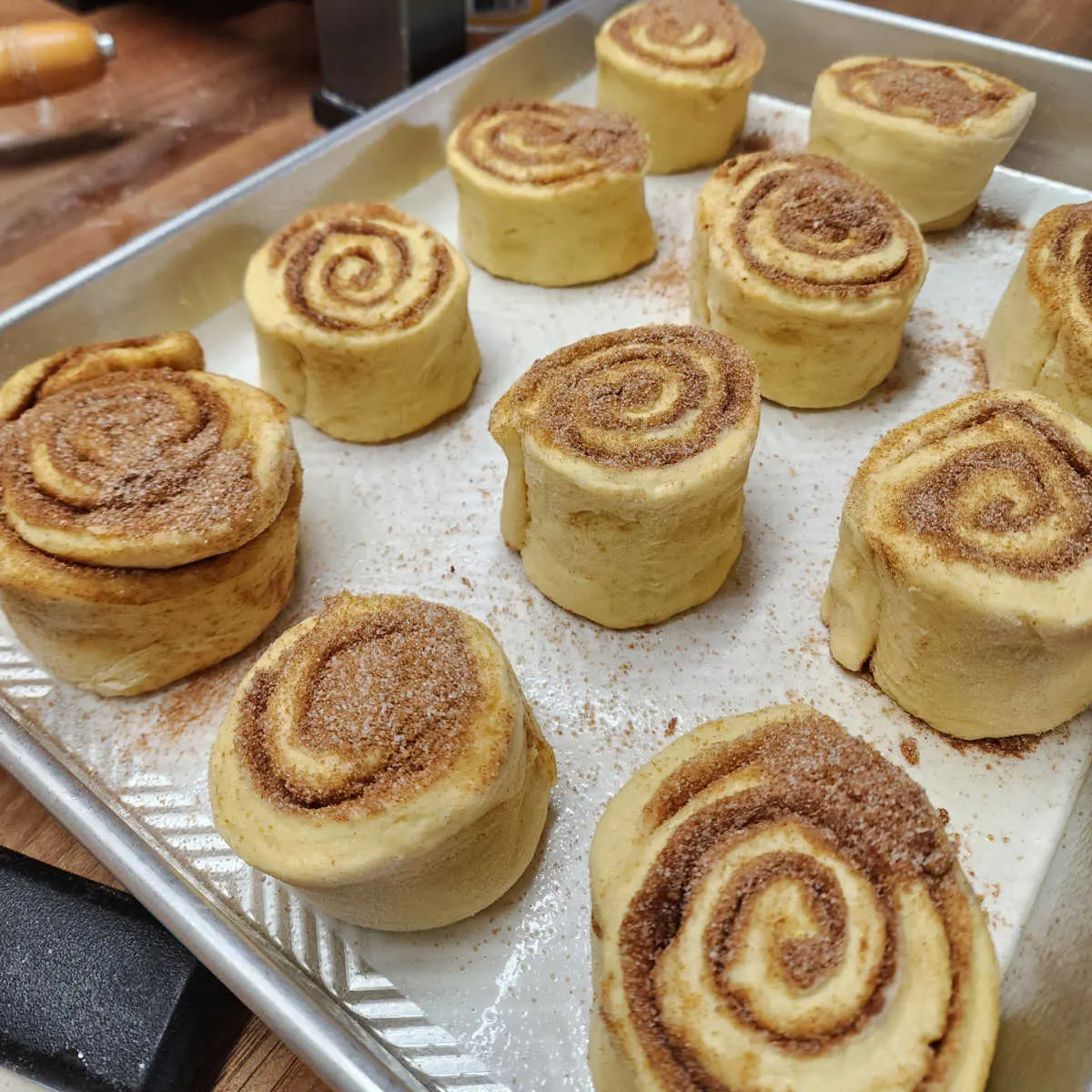
One of the most frequent errors is slicing the rolls too thin or unevenly. If the rolls are inconsistent in size, they will bake at different rates, leading to some being burnt while others remain raw in the center. Use a sharp serrated knife or a piece of unflavored dental floss to slice the log cleanly without compressing the dough. Simply slide the floss under the log, cross the ends over the top, and pull quickly to create a perfect, circular cut.
- Over-crowding the pan: Leave enough space for the rolls to expand without pressing against each other too tightly.
- Using cold ingredients: Ensure eggs and butter are at room temperature to ensure proper emulsification.
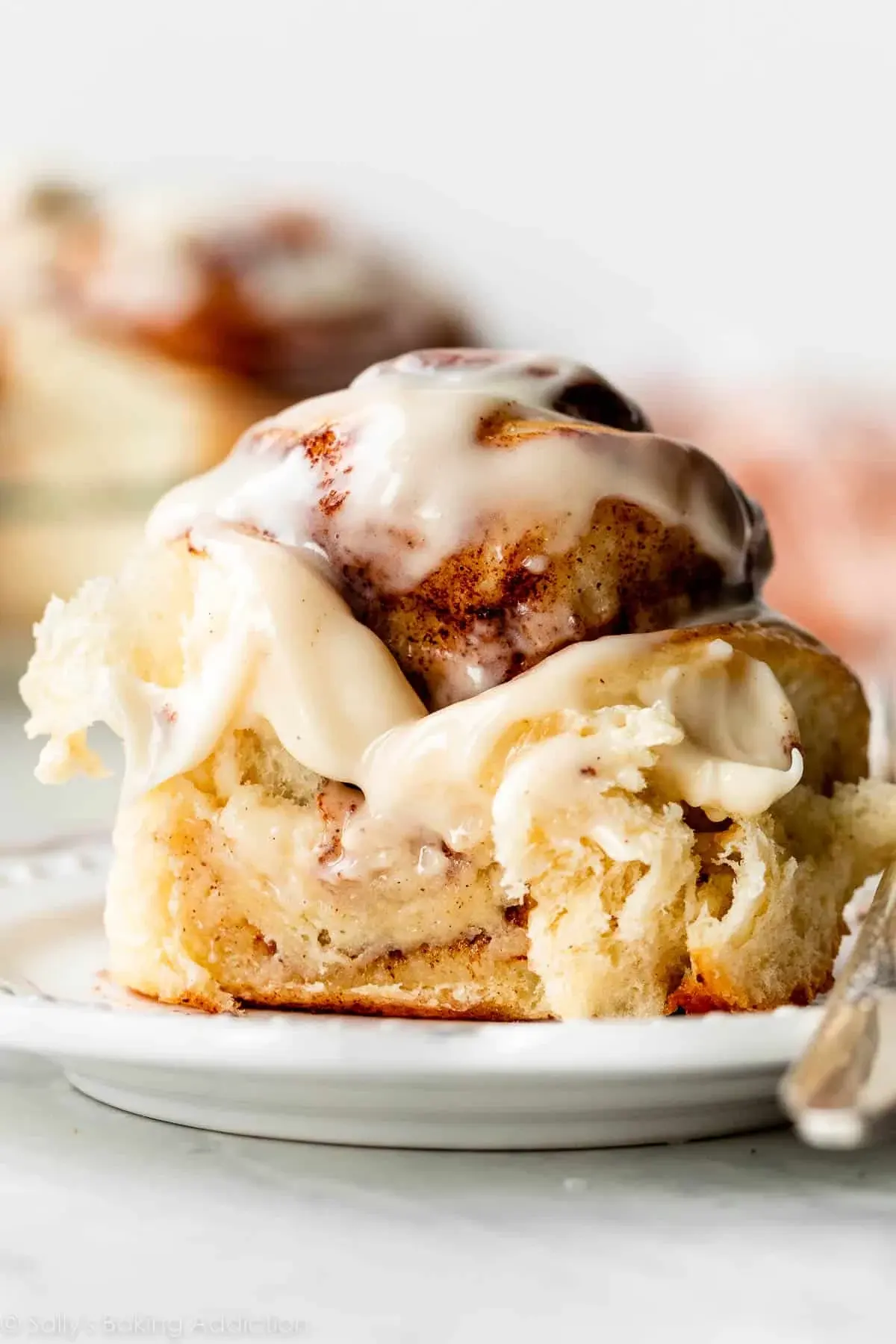
- Neglecting the icing: Apply the glaze while the rolls are slightly warm so it melts into the crevices.
- Improper sealing: Pinch the seam of the dough log tightly to prevent it from unrolling during the baking process.
Avoid the temptation to cut into the rolls the second they leave the oven. Giving them ten minutes to rest allows the structure to set and the filling to thicken slightly, preventing the center from becoming a messy puddle when served. By following these precise steps and avoiding common pitfalls, you can consistently produce bakery-quality cinnamon rolls in your own kitchen.
Key facts
- Cinnamon rolls are a yeast-leavened dough rolled with a cinnamon-sugar filling, sliced, and baked.
- The dough typically requires two rises: one after kneading and a second after the rolls are shaped.
- High-fat ingredients like butter, milk, and eggs create a soft, brioche-style crumb.
- A common mistake is using expired yeast, which prevents the dough from rising properly.
- Rolling the dough too tightly can cause the center to pop up during baking, while rolling too loosely makes them fall apart.
- Frosting is best applied when the rolls are slightly warm so it melts into the crevices.
The bottom line
Making perfect cinnamon rolls requires patience, particularly during the proofing stages, to ensure a light and airy texture. By using fresh yeast, measuring your flour accurately, and employing a gentle touch when rolling the dough, you can achieve professional results at home. Remember to let the rolls cool slightly before applying frosting, as this ensures the glaze sets perfectly without melting away entirely into the pan.
People also ask
Why did my cinnamon rolls turn out dry and tough?
This usually happens because too much flour was added during the kneading process or the rolls were baked for too long. Use a light hand with flour and remove the rolls from the oven as soon as they are golden brown.
Can I prepare cinnamon rolls the night before?
Yes, you can place the shaped rolls in the refrigerator overnight to slow down the second rise. Bring them to room temperature for about 30 to 60 minutes before baking them in the morning.
What is the best way to cut the dough without squashing it?
Use a piece of unflavored dental floss instead of a knife. Slide the floss under the log, cross it over the top, and pull quickly to create a clean, uniform slice.
Should I use active dry yeast or instant yeast?
You can use either, but active dry yeast must be dissolved in warm liquid first to bloom. Instant yeast can be mixed directly into the dry ingredients, which is generally faster and more convenient.
Why do my cinnamon rolls have a gap in the middle?
A gap often forms if the dough was rolled too loosely or if the filling was spread too thinly. Ensure the dough is rolled into a tight, uniform log and seal the seam well before slicing.
How do I know when the rolls are fully baked?
The rolls should be golden brown on top and the internal temperature should reach approximately 190°F (88°C). If you are uncertain, gently press the center roll; it should feel firm and spring back rather than doughy.
This answer was created with the help of AI research tools and reference sources. Spotted an error? Let us know — we correct mistakes quickly. See our editorial policy.