How long do leopards live?
Short answer
Leopards typically live between 12 and 15 years in the wild. In protected environments like zoos or sanctuaries, where they receive veterinary care and consistent nutrition, these big cats can live significantly longer, often reaching 20 to 23 years of age. Survival rates vary heavily based on habitat quality and human interaction.
On this page
How long do leopards live in the wild?
In their natural habitat, leopards face a grueling struggle for survival that keeps their average lifespan relatively short. While they are apex predators, they are susceptible to injury during hunts, territorial disputes with other leopards, and competition with larger carnivores like lions or hyenas. A leopard that sustains a serious leg injury may be unable to hunt effectively, leading to starvation or death from infection.
Environmental factors also play a significant role in their longevity. Leopards living in protected national parks or reserves generally have higher survival rates than those living near human settlements. In the wild, the mortality rate for cubs is particularly high, with many failing to reach adulthood due to predation or lack of food. Those that do survive to maturity usually live for about 12 to 15 years before natural decline sets in.
Why do leopards live longer in captivity?
Leopards housed in reputable zoos and wildlife sanctuaries often live well into their early twenties. The primary reason for this longevity is the elimination of the most common threats found in the wild. Captive leopards do not need to hunt for their meals, which prevents the wear and tear associated with stalking and killing prey. They also benefit from regular medical checkups, vaccinations, and immediate treatment for any illnesses or injuries.
The controlled environment allows keepers to monitor the health of these animals closely. Nutrition is scientifically balanced to ensure they receive all necessary vitamins and minerals, preventing the malnutrition that sometimes occurs in the wild during droughts or prey shortages. By removing the stress of territorial defense and the constant search for food, captive environments allow leopards to reach their maximum biological potential.
- Consistent access to high-quality, nutrient-dense food.
- Professional veterinary care and preventative medicine.
- Protection from territorial conflict and rival predators.
- Absence of human-wildlife conflict, such as poaching or retaliation.
How does habitat affect leopard lifespan?
The quality of a leopard's home range directly dictates its health and life expectancy. Leopards are highly adaptable and can survive in diverse environments, from the dense rainforests of Central Africa to the arid deserts of the Middle East. However, areas with high prey density and sufficient cover for stalking are essential for maintaining a healthy weight and avoiding energy-draining hunts.
Habitat fragmentation is a major threat to leopard longevity today. When forests or savannas are broken up by roads or agriculture, leopards are forced to travel through dangerous, human-dominated landscapes to find mates or territory. This increases the likelihood of vehicle collisions and illegal trapping. Leopards that inhabit stable, contiguous ecosystems are far more likely to live out their full natural lifespan compared to those living in fragmented or degraded areas.
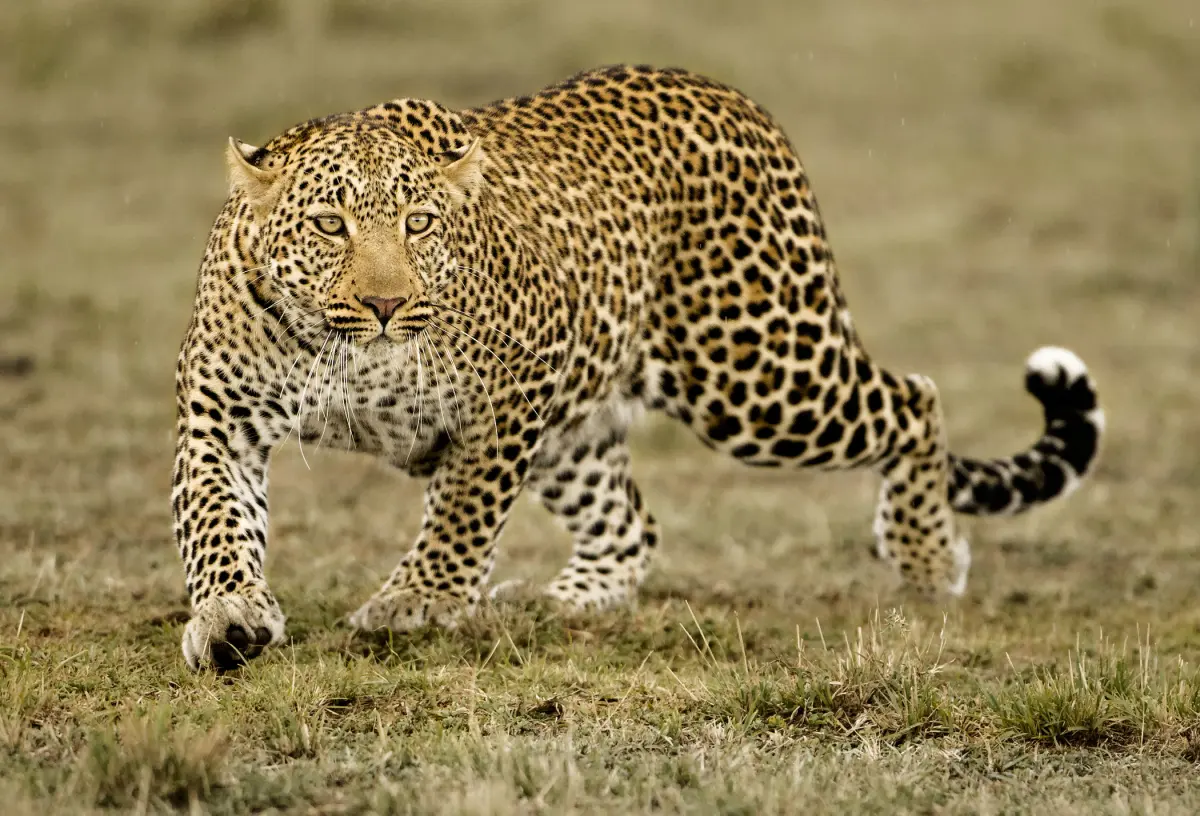
What are the common dangers to leopards?
Leopards face numerous threats that can prematurely end their lives, regardless of their physical strength. Human-wildlife conflict is currently the most significant factor reducing the lifespan of wild leopards. As human populations expand, leopards often come into contact with livestock, leading to retaliatory killings by farmers. Additionally, the illegal trade in leopard skins and body parts remains a persistent danger in many regions.
Disease outbreaks also pose a significant risk, especially in areas where wild leopards interact with domestic dogs or cats. Viruses like canine distemper can be devastating to big cat populations, causing rapid declines in health. Furthermore, habitat loss forces leopards into smaller, less optimal territories, which increases the density of the population and makes the transmission of diseases much easier.
- Avoid leaving livestock unprotected in areas known for leopard activity.
- Support conservation efforts that create wildlife corridors to prevent habitat fragmentation.
- Report illegal poaching activities to local wildlife authorities immediately.
- Maintain buffer zones around protected areas to minimize human-leopard encounters.
How to identify an aging leopard?
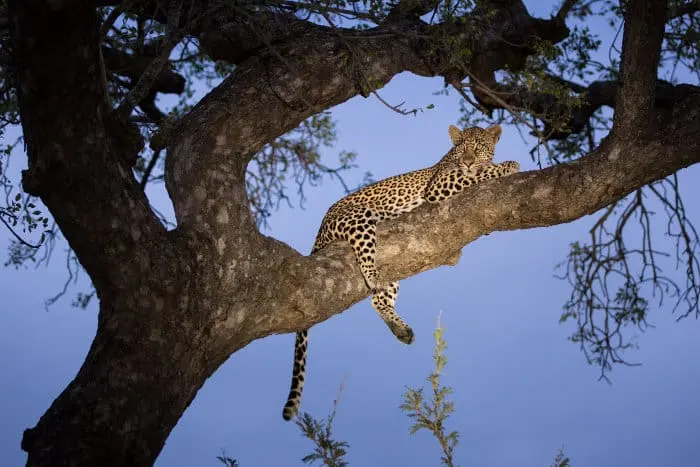
As leopards reach the end of their lifespan, they exhibit clear physical and behavioral signs of aging. Their coats may lose their luster and become patchy, and they often struggle with dental issues, which makes consuming tough prey difficult. Older leopards tend to move more slowly and may avoid climbing trees, a behavior that is essential for protecting their kills from scavengers.
Observers can also notice a decline in their territorial activity. An aging leopard may stop marking its territory as frequently or abandon its range entirely to a younger, more dominant individual. If you are tracking leopards for research or observation, look for these signs to estimate their age and health status. Understanding these indicators helps conservationists determine the stability of a population and identify which individuals are most vulnerable to environmental stressors or competitive displacement.
Key facts
- Leopards typically live between 12 and 15 years in the wild.
- Individuals in captivity can reach 20 to 23 years due to consistent nutrition and veterinary care.
- Mortality rates are highest for cubs, with nearly 50 percent failing to survive their first year.
- Adult leopards face primary threats from territorial disputes, starvation, and human-wildlife conflict.
- Female leopards generally have slightly longer lifespans than males because they avoid risky territorial combat.
- To observe leopards safely in the wild, always remain inside a vehicle and maintain a respectful distance to avoid causing stress.
The bottom line
While leopards are remarkably adaptable predators capable of surviving in diverse environments, their natural lifespan remains relatively short due to the inherent dangers of territorial life. In the wild, they rarely exceed 15 years, whereas managed care can extend their lives significantly. Protecting their remaining habitats and reducing human conflict are essential steps to ensure these elusive cats continue to thrive in their natural ecosystems.
People also ask
Do leopards live in groups?
No, leopards are solitary animals that only come together for mating or when a mother is raising her cubs. They maintain large, individual territories that they mark with scent to avoid unnecessary confrontations with others.
What is the biggest threat to leopard survival?
Habitat loss and fragmentation are the most significant threats to the species globally. As human settlements expand, leopards lose their hunting grounds and are increasingly targeted in retaliatory killings after preying on livestock.
How do leopards protect their food?
Leopards are famous for hauling their kills high into trees to keep them away from scavengers like hyenas and lions. This behavior ensures they can feed over several days without losing their energy source.
Are leopards endangered?
The International Union for Conservation of Nature (IUCN) lists the leopard as Vulnerable. While they are the most widely distributed of all big cats, their populations are declining in many parts of Africa and Asia.
Read the full answer →How fast can a leopard run?
Leopards can reach speeds of up to 36 miles per hour (58 kilometers per hour) in short bursts. They rely more on stealth and power than pure speed to ambush their prey from close range.
Do leopards swim?
Unlike many other cat species, leopards are excellent swimmers and are quite comfortable in the water. They are known to hunt fish and crabs in rivers when other prey is scarce.
This answer was created with the help of AI research tools and reference sources. Spotted an error? Let us know — we correct mistakes quickly. See our editorial policy.