How long do grizzly bears live?
Short answer
Grizzly bears typically live 20 to 25 years in the wild, though some individuals may reach 30 years or more under ideal conditions. Captive bears often live longer, frequently exceeding 35 years due to consistent food sources, veterinary care, and the absence of environmental stressors or competition from other apex predators.
On this page
How long do grizzly bears live in the wild?
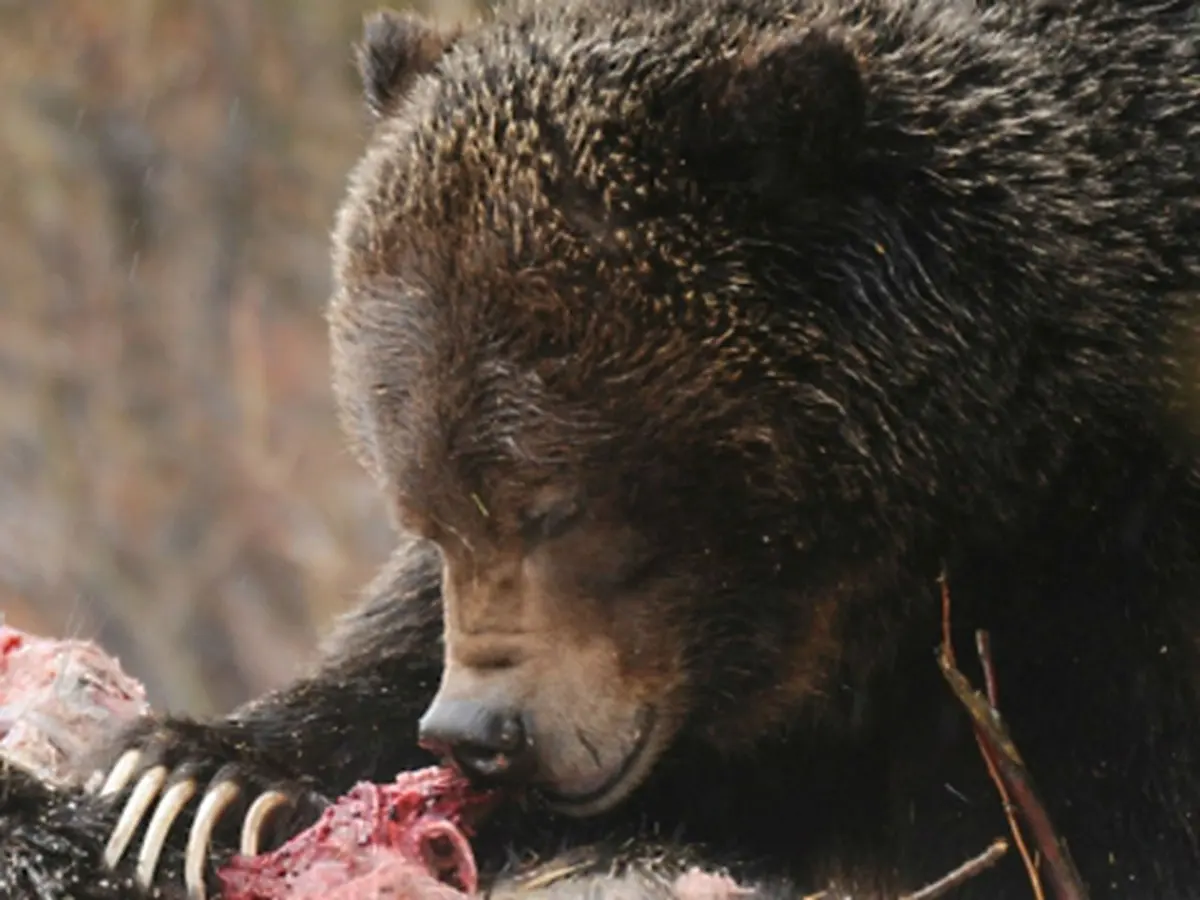
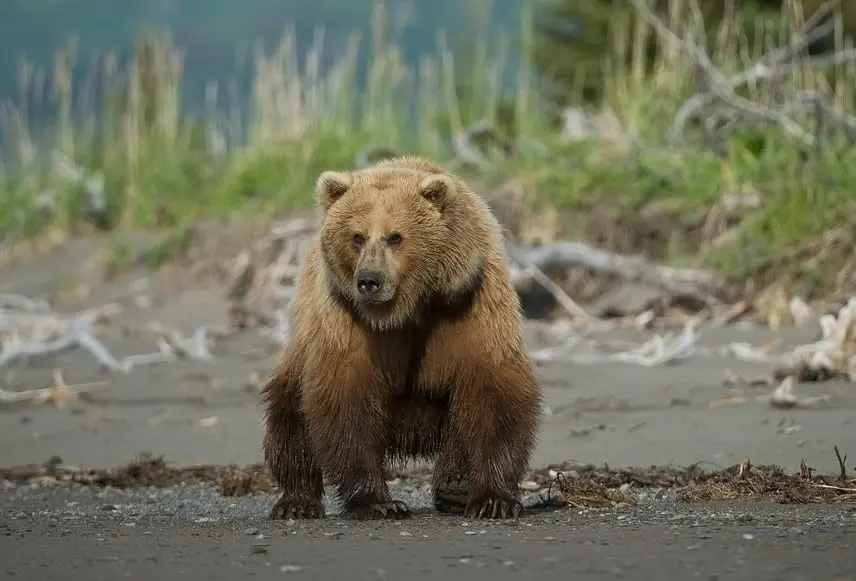
In their natural habitat, grizzly bears face significant challenges that limit their lifespan. While they are apex predators, factors such as habitat loss, food scarcity, and territorial disputes with other bears influence their survival. Most wild grizzlies that survive cubhood live between 20 and 25 years. Reaching the age of 30 is considered exceptional for a bear living in the wilderness, as physical wear and tear on their teeth and joints eventually impact their ability to forage effectively.
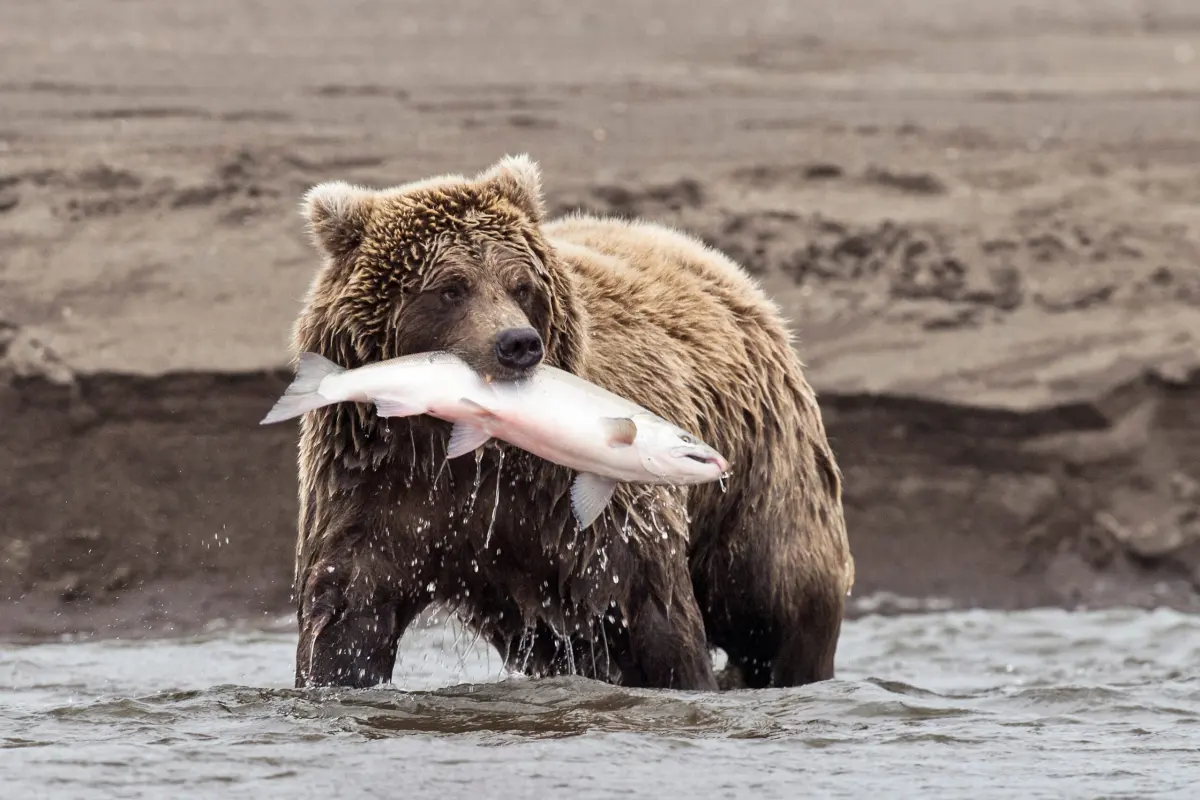
Survival rates vary significantly based on the quality of the environment. Bears living in resource-rich areas, such as coastal regions with access to salmon runs, often maintain better health than those living in interior mountain ranges. The primary causes of mortality for wild grizzlies include:
- Human-bear conflicts, often resulting from attractants like garbage.
- Natural causes such as starvation during harsh winters.
- Intraspecific aggression, particularly from adult males toward cubs or subadults.
- Vehicle collisions on mountain highways and roads.
How does captivity affect grizzly bear longevity?
Grizzly bears kept in zoos, sanctuaries, or research facilities often enjoy significantly longer lives than their wild counterparts. Without the constant pressure to hunt, defend territory, or endure seasonal starvation, these animals can dedicate more energy to maintaining their health. It is not uncommon for a well-cared-for captive grizzly to live into its mid-30s or even early 40s. The oldest recorded grizzly bears have been documented in controlled environments where they receive specialized nutrition and advanced medical monitoring.
The increased longevity in captivity is primarily attributed to the elimination of external threats. Captive bears do not face the risk of being shot by hunters, struck by vehicles, or injured in fights over mating rights. Furthermore, keepers monitor their weight and dental health closely, preventing the common wild-bear issue of tooth decay, which can lead to malnutrition. While captivity provides safety, it requires complex enrichment programs to ensure the bears remain mentally stimulated and physically active throughout their extended lives.
What factors determine a grizzly bear's lifespan?
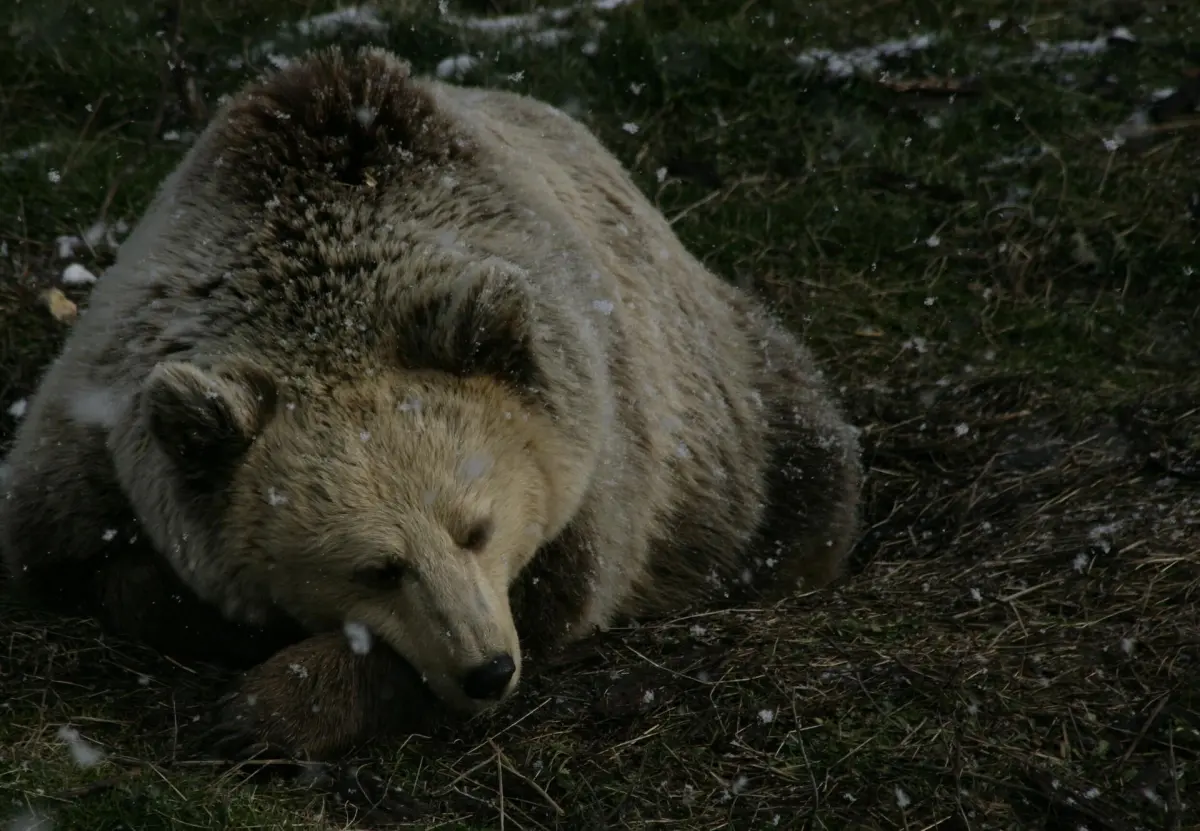
Several biological and environmental variables dictate how long an individual grizzly bear will survive. Genetics play a foundational role, as some bears are naturally more resilient to disease or better adapted to their specific climate. However, the most critical factor is the availability of high-calorie food sources. Grizzly bears must accumulate significant fat reserves to survive winter hibernation; if a bear fails to gain enough weight during the autumn months, its chances of surviving the winter are drastically reduced.
Environmental stability is another major influence on longevity. As climate change alters the timing of berry ripening and the availability of prey, bears must expend more energy to find food. This increased energy expenditure forces older bears to work harder, accelerating the aging process. The following factors are essential for a long life:
- Access to high-protein food sources like salmon, ungulates, and nutrient-dense berries.
- Low levels of human interaction to minimize stress and potential conflict.
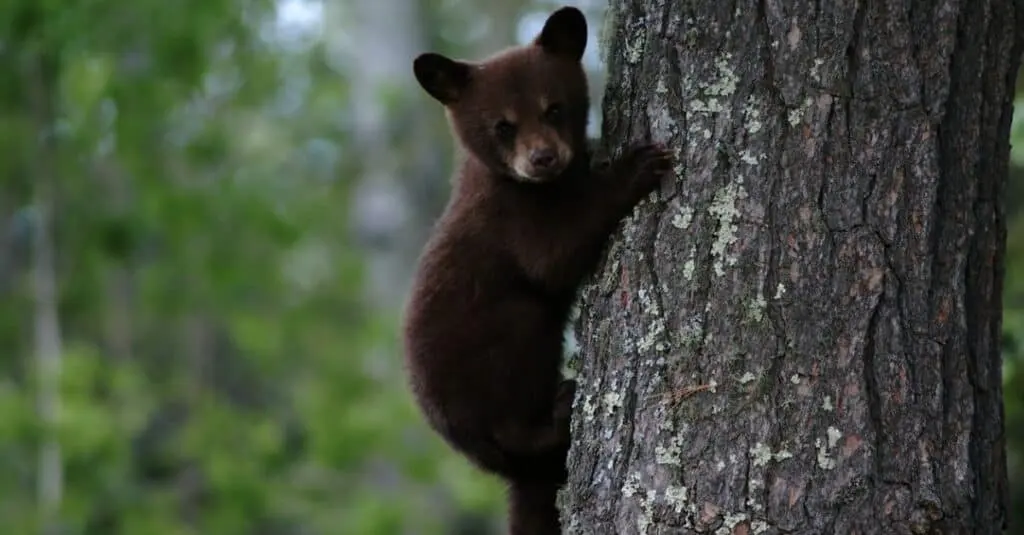
- Successful navigation of the subadult phase, where young bears are most vulnerable.
- Maintenance of healthy teeth, which are essential for processing tough vegetation.
Common mistakes when assessing bear health
Many observers make the mistake of assuming a bear’s age based solely on its size. While a large, muscular bear often appears to be in its prime, size can be misleading, as some older bears maintain significant mass despite having underlying health issues. Another common error is failing to recognize the signs of malnutrition or injury. A bear that is limping or appears lethargic may be suffering from an infected wound or broken tooth, which can be fatal in the wild because it prevents the animal from hunting or digging for roots.
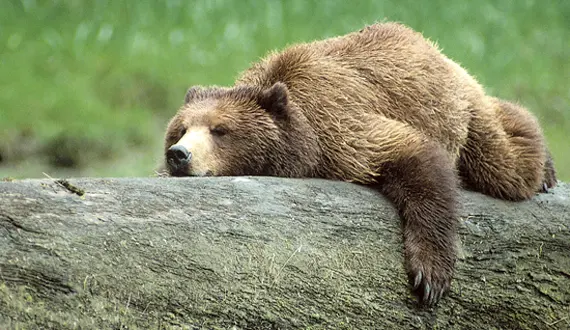
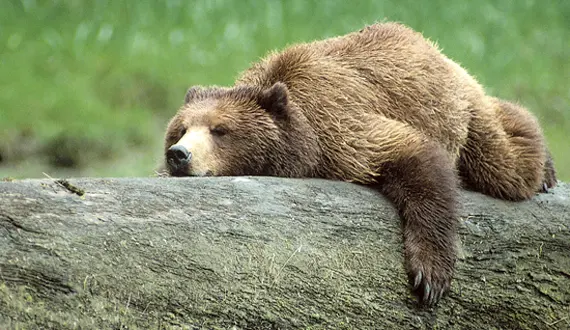
Another frequent misconception is that bears are "lazy" during the summer months. In reality, bears are highly active foragers during this period, and a lack of movement often indicates that a bear is struggling to find food or is avoiding human presence. When evaluating the health of a bear in the wild, it is important to look for:
- A thick, glossy coat, which indicates proper nutrition and parasite control.
- Clear, alert eyes that track movement effectively.
- A steady gait without signs of stiffness or joint pain.
- Sufficient fat deposits around the hips and shoulders before winter.
How to protect grizzly bears in their natural habitat
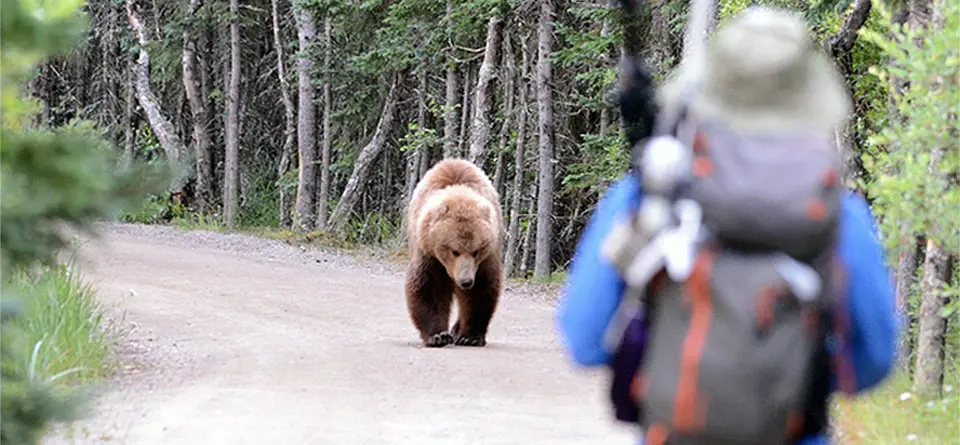
Ensuring that grizzly bears reach their natural life expectancy requires proactive human management. The most effective way to protect these animals is to minimize human-bear interactions. When bears become habituated to human food, such as trash, pet food, or birdseed, they often lose their natural fear of people. This behavior frequently leads to the bear being labeled a "nuisance," which often results in relocation or euthanasia, prematurely ending the animal's life.
To help extend the lives of local grizzly populations, residents and visitors in bear country should follow these safety guidelines:
- Always store food, trash, and scented items in bear-resistant containers.
- Carry bear spray and know how to use it when hiking in remote areas.
- Keep dogs on a leash to prevent them from provoking a defensive bear.
- Respect seasonal closures in areas where bears are known to forage heavily.
- Drive slowly through wildlife corridors to reduce the risk of vehicle strikes.
By reducing these preventable risks, humans can help ensure that grizzly bears live out their full, natural lifespans in the wild without unnecessary interference or harm.
Key facts
- Grizzly bears in the wild typically live between 20 and 25 years.
- Captive grizzly bears can live significantly longer, often reaching 30 to 40 years due to consistent food and veterinary care.
- A bear’s lifespan is largely determined by its ability to secure enough calories to survive harsh winters.
- Human-related causes, such as vehicle collisions and hunting, are the leading reasons for premature death in wild populations.
- Female grizzlies generally live longer than males because they do not engage in risky territorial fighting.
- Avoid leaving food or trash near camping areas, as habituating bears to human food sources often leads to their early destruction.
The bottom line
The lifespan of a grizzly bear is a delicate balance between environmental conditions and human interaction. While they are biologically capable of living into their fourth decade, most wild bears survive for roughly two decades. Protecting their natural habitat and minimizing human-bear conflicts remain the most effective ways to ensure these apex predators reach their full life expectancy in the wild, maintaining the health of their ecosystems.
People also ask
At what age do grizzly bears reach maturity
Grizzlies typically reach sexual maturity between the ages of 4 and 6. However, females often do not produce their first litter until they are slightly older.
Do grizzly bears have natural predators?
Adult grizzly bears have no natural predators other than humans. Cubs are occasionally vulnerable to mountain lions, wolves, or other adult male grizzly bears.
How much weight does a grizzly bear need to gain to survive winter?
To survive hibernation, a bear must gain enough fat to increase its body weight by up to 30 percent. This process, known as hyperphagia, is essential for winter survival.
How can you tell the age of a grizzly bear?
Scientists determine a bear's age by examining the growth rings in a cross-section of a tooth, similar to counting rings on a tree. This is the most accurate method for wild specimens.
Do grizzly bears live alone?
Yes, grizzly bears are solitary animals, except for females with cubs or during the mating season. Living alone reduces competition for food, which is critical for their survival.
What is the biggest threat to grizzly bear longevity?
Habitat fragmentation is the primary long-term threat. As human development encroaches on wilderness, bears face increased risks from roads, fences, and loss of foraging grounds.
This answer was created with the help of AI research tools and reference sources. Spotted an error? Let us know — we correct mistakes quickly. See our editorial policy.