How is glass made?
Short answer
Glass is made by melting a mixture of silica sand, soda ash, and limestone at extremely high temperatures, typically reaching 1,700 degrees Celsius. Once the molten mixture is homogenized and refined, it is cooled rapidly to prevent crystallization, resulting in a solid, non-crystalline structure known as an amorphous solid.
On this page
What are the raw materials used to make glass?
The fundamental ingredient in almost all commercial glass is silica, or silicon dioxide, which is typically sourced from high-purity sand. Because pure silica has an exceptionally high melting point of over 2,000 degrees Celsius, manufacturers add soda ash (sodium carbonate) to lower the melting temperature to a more manageable level. However, soda ash makes the glass water-soluble, so limestone (calcium carbonate) is added as a stabilizer to ensure the final product remains durable and resistant to water.
Beyond these primary components, glassmakers often introduce specific additives to achieve desired properties or colors. Cullet—recycled crushed glass—is frequently added to the batch because it melts at a lower temperature than raw materials, significantly reducing energy consumption. Other additives include:
- Iron oxide: Used to create green or brown tints.
- Cobalt oxide: Added to produce deep blue glass.
- Selenium: Utilized to create red or pink hues.
- Boron: Added to create borosilicate glass, which is highly resistant to thermal shock.
How does the glass manufacturing process work?
The industrial production of glass follows a precise sequence designed to transform raw powders into a clear, uniform material. First, the ingredients are measured and mixed into a "batch" to ensure the chemical composition is consistent. This mixture is then fed into a furnace, where it is heated until it becomes a viscous, molten liquid. Once the glass reaches the correct consistency, it undergoes a refining process to remove bubbles and impurities.
After refining, the molten glass is shaped using one of several industrial methods depending on the intended product. The most common techniques include:
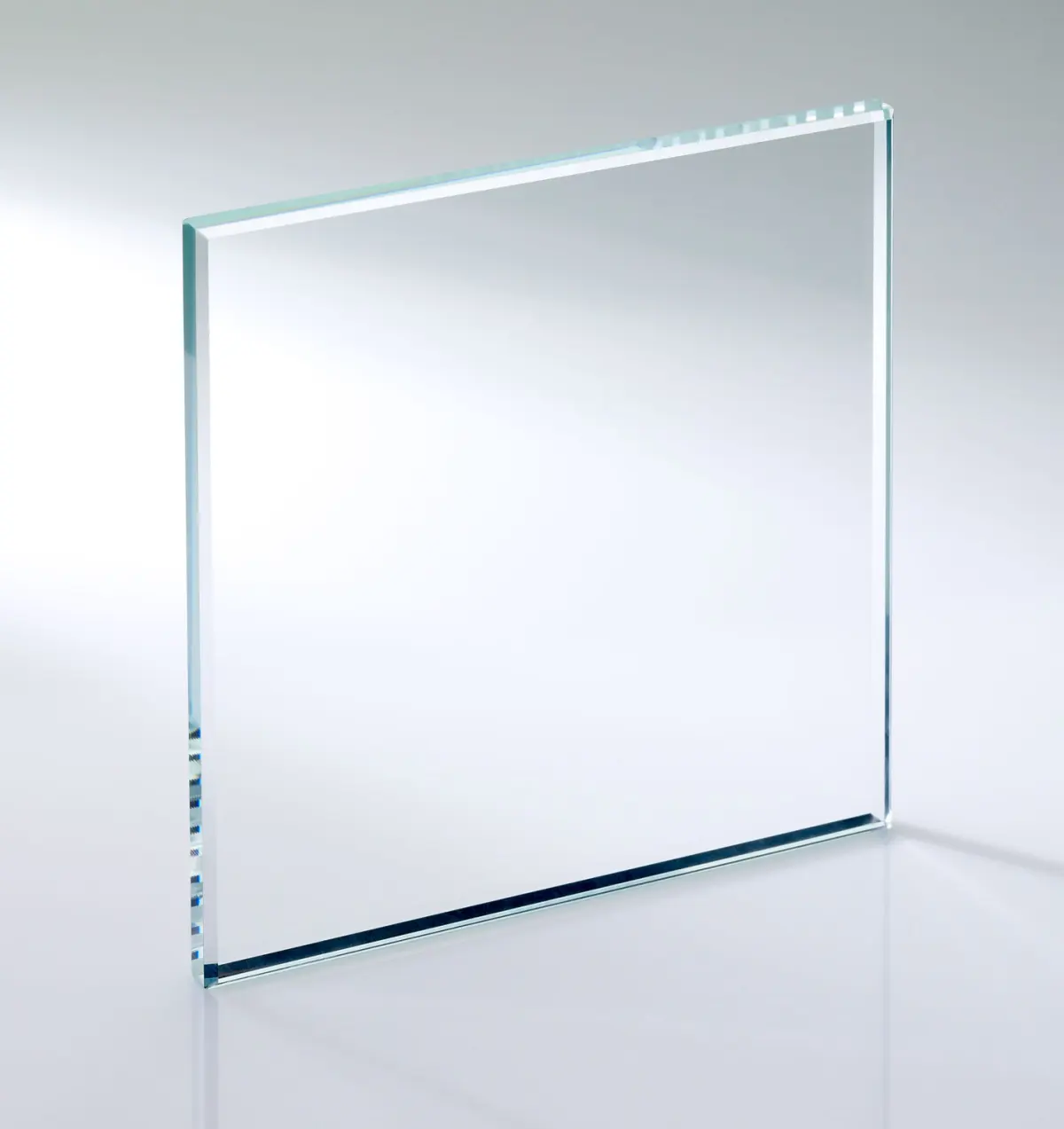
- Float glass process: Molten glass is poured onto a bed of molten tin, creating perfectly flat sheets for windows.
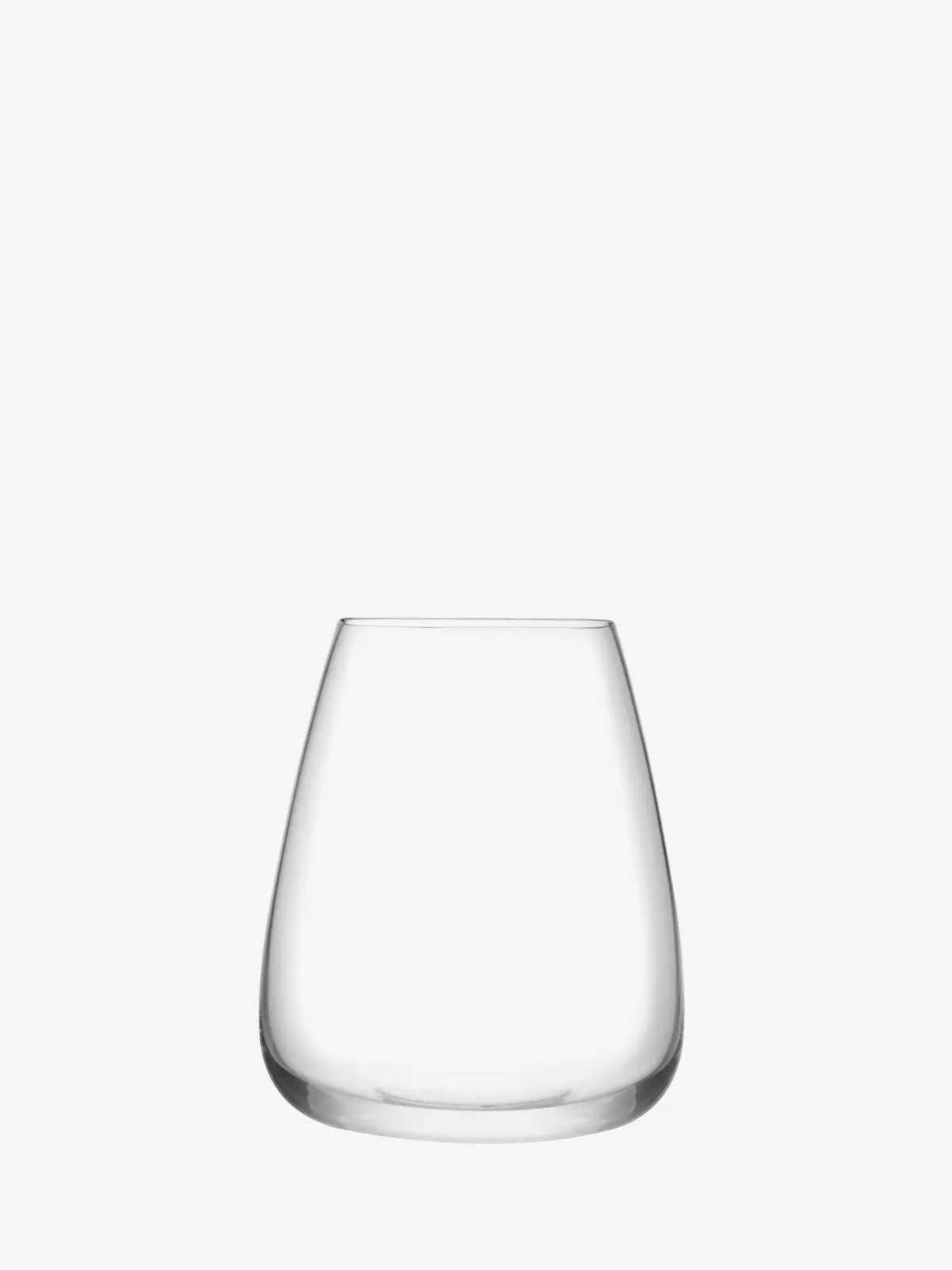
- Blowing: Air is injected into a gob of glass to create hollow containers like bottles or vases.
- Pressing: Molten glass is forced into a mold using a plunger to create thick, durable items like plates or lenses.
- Casting: Glass is poured into a mold and allowed to cool slowly into a specific shape.
Why does glass need to be annealed?
After glass is shaped, it must undergo a critical cooling process called annealing. If glass cools too quickly, the outer surfaces solidify before the interior, creating significant internal stress. This uneven cooling can lead to spontaneous shattering or structural weakness. An annealing lehr, which is a long, temperature-controlled oven, is used to cool the glass at a carefully managed rate to relieve these internal tensions.
The annealing process is essential for ensuring the longevity and safety of the final product. By maintaining a uniform temperature throughout the glass during the cooling phase, manufacturers ensure that the molecules settle into a stable, amorphous configuration. If the annealing process is skipped or performed incorrectly, the glass may look perfectly fine to the naked eye but will harbor microscopic fractures. These hidden stresses make the glass extremely fragile, causing it to explode or crack unexpectedly when subjected to minor temperature changes or physical impacts.
Common mistakes when making glass at home
For hobbyists interested in glass fusing or lampworking, the most frequent error is failing to account for the coefficient of expansion (COE) of different glass types. Glass from different manufacturers often has different chemical compositions, meaning they expand and contract at different rates when heated and cooled. If you attempt to fuse two pieces of glass with incompatible COE values, the resulting item will almost certainly crack during the cooling phase. Always verify that your glass materials are compatible before beginning a project.
Another common pitfall is improper temperature management during the firing cycle. Beginners often rush the cooling phase to see their finished project sooner, which leads to thermal shock. To avoid these issues, follow these best practices:
- Use a digital kiln controller to maintain precise temperature ramps.
- Ensure all glass pieces are thoroughly cleaned of oils and dust before firing.
- Always use a kiln shelf primer to prevent the glass from sticking to the kiln floor.
- Never open the kiln door until the internal temperature has dropped to safe levels.
How long does it take to manufacture glass?
The time required to produce glass varies drastically based on the method and the scale of production. In a large-scale industrial float glass plant, the process is continuous, with furnaces running 24 hours a day for years at a time. Once the raw materials enter the furnace, it takes approximately 24 to 48 hours for the glass to move through the melting, refining, and cooling stages. This continuous flow allows for the mass production of thousands of square meters of flat glass every single day.
Conversely, small-scale artistic glass projects can take anywhere from a few hours to several days. A simple fused glass pendant might require a four-hour firing cycle followed by a long, slow cool-down period. Larger blown glass pieces require the artist to work quickly while the glass is molten, but the subsequent annealing process can take 12 to 24 hours to ensure the piece is structurally sound. Regardless of the scale, the cooling phase remains the most time-consuming yet vital step in ensuring the final glass product is durable and safe for everyday use.
Key facts
- Glass is primarily composed of silica sand, which must be heated to approximately 1,700°C (3,092°F) to melt into a liquid state.
- Soda ash is added to the mixture to lower the melting point of silica, making the manufacturing process more energy-efficient.
- Limestone or calcium carbonate is introduced to prevent the final glass product from dissolving in water.
- Cullet, which is recycled crushed glass, is often added to the raw materials to speed up the melting process and reduce energy consumption.
- The annealing process involves slowly cooling the glass in a specialized oven called a lehr to relieve internal stresses and prevent shattering.
- Common mistakes include introducing impurities or moisture into the furnace, which can cause bubbles, cloudiness, or structural weakness in the finished glass.
The bottom line
Glass production is a precise chemical process that combines silica sand, soda ash, and limestone under extreme heat. By managing the cooling process through annealing, manufacturers transform molten liquid into a durable, transparent solid. Understanding the specific additives used for color and strength, alongside the importance of separating recyclable glass types, allows for the efficient and sustainable use of this versatile material in our daily lives.
People also ask
Why does glass appear transparent?
Glass is transparent because its atoms are arranged in a disordered, non-crystalline structure that allows visible light to pass through without being scattered. Unlike metals or opaque solids, glass lacks a rigid lattice that would otherwise absorb or reflect light waves.
What is the difference between glass and crystal?
While often used interchangeably, true crystal contains a minimum of 24 percent lead oxide, which increases its density and light-refractive index. This composition allows for the intricate cutting and polishing associated with fine glassware, whereas standard glass is primarily soda-lime.
Can all types of glass be recycled?
Most glass containers, such as bottles and jars, are infinitely recyclable without loss of quality. However, heat-resistant glass like Pyrex or window glass contains different chemical additives and will contaminate a recycling batch if mixed with standard container glass.
How is colored glass created?
Manufacturers add specific metallic oxides to the molten glass mixture to achieve different colors. For example, adding cobalt oxide creates a deep blue, while iron oxide produces a green tint.
What is tempered glass?
Tempered glass is produced through a thermal process that rapidly cools the surface of the glass while the interior remains hot. This creates high internal compression, making the glass four to five times stronger than standard annealed glass and causing it to shatter into small, blunt pieces rather than sharp shards.
How long has glass been manufactured?
Humans have been crafting glass objects since at least 3500 BCE in Mesopotamia and ancient Egypt. The invention of the glassblowing pipe in the 1st century BCE revolutionized the industry, allowing for the mass production of complex vessels.
This answer was created with the help of AI research tools and reference sources. Spotted an error? Let us know — we correct mistakes quickly. See our editorial policy.