What do platypuses eat?
Short answer
Platypuses are carnivorous bottom-feeders that consume a variety of freshwater invertebrates. They primarily eat insect larvae, annelid worms, freshwater shrimp, and crayfish. By using their sensitive bills to detect electrical signals from prey, they forage along riverbeds, consuming up to 20 to 30 percent of their body weight daily.
On this page
What do platypuses eat in the wild?
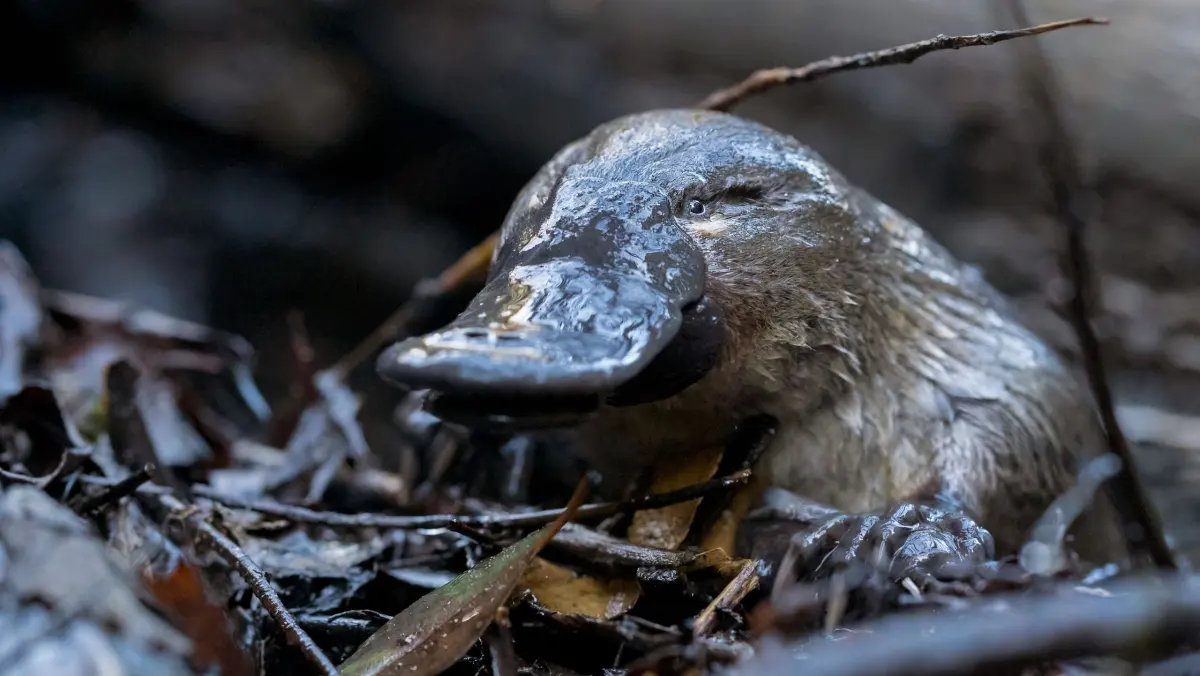
The platypus is a specialized predator that thrives in the freshwater ecosystems of eastern Australia and Tasmania. Its diet consists almost exclusively of benthic invertebrates found in the substrate of rivers, streams, and lakes. Because they lack teeth, they do not chew their food; instead, they store captured prey in cheek pouches while foraging underwater. Once they surface, they use gravel or small stones held in their pouches to help grind the food down before swallowing.
Their hunting strategy is highly efficient, relying on electroreception rather than sight or smell. As they sweep their sensitive, rubbery bills from side to side, they detect the minute electrical impulses generated by the muscular contractions of their prey. This allows them to locate hidden larvae even in murky or turbulent water. Their typical prey items include:
- Caddisfly larvae (Trichoptera)
- Mayfly nymphs (Ephemeroptera)
- Freshwater shrimp and yabbies (crayfish)
- Earthworms and other annelids
- Midge larvae (Chironomidae)
How much food does a platypus need?
Because platypuses are endothermic, they require a significant amount of energy to maintain a constant body temperature despite spending hours in cold water. An adult platypus must consume a massive volume of food daily, often equivalent to 20 to 30 percent of its total body weight. For a large male weighing 2 kilograms, this means hunting and consuming nearly 600 grams of invertebrates in a single night.
To meet these caloric demands, a platypus spends approximately 10 to 12 hours every night actively foraging. They dive repeatedly, staying submerged for 30 to 60 seconds at a time. During these sessions, they cover extensive distances along the riverbed, systematically clearing areas of available prey. This high-intensity feeding cycle is essential for their survival, especially during winter months when metabolic costs increase and prey availability may fluctuate due to seasonal changes in aquatic insect populations.
Where do platypuses find their food?
Platypuses are strictly aquatic foragers, spending the majority of their active hours submerged in freshwater environments. They prefer slow-moving or still waters where the riverbed is soft, sandy, or muddy, as this allows them to easily probe for burrowing larvae. They are rarely found in fast-flowing, rocky streams where prey might be difficult to extract from crevices or where the current makes foraging physically exhausting.
When searching for food, they navigate through complex underwater environments with ease. Their webbed feet act as paddles for propulsion, while their flat tails serve as rudders for steering. They generally avoid areas with heavy human pollution or excessive sediment runoff, as these factors can degrade the health of the invertebrate populations they depend on. Protecting these specific riparian habitats is crucial, as the presence of a healthy, diverse invertebrate community is the primary indicator of a suitable platypus foraging ground.
How to observe platypus feeding behavior?
If you are interested in spotting a platypus in the wild, you must understand their specific activity patterns. They are primarily crepuscular and nocturnal, meaning they are most active during the twilight hours of dawn and dusk. To increase your chances of seeing them forage, follow these steps:
- Locate a quiet, undisturbed section of a freshwater stream or river in eastern Australia.
- Arrive at the site at least 30 minutes before sunrise or sunset.
- Find a concealed position on the bank and remain perfectly still to avoid startling them.
- Use binoculars to scan the water surface for the characteristic V-shaped wake created as they swim.
- Listen for the soft splashing sounds they make when surfacing to breathe or process their food.
Common mistakes often include using bright flashlights or making sudden movements, which will immediately cause the shy platypus to dive and retreat to its burrow.
Why is platypus habitat conservation important?
The survival of the platypus is inextricably linked to the quality of the freshwater ecosystems they inhabit. Because they are at the top of the local invertebrate food chain, they serve as an indicator species for river health. When human activity decreases water quality through agricultural runoff, deforestation, or urban development, the invertebrate populations decline rapidly. Without an abundant supply of larvae and crustaceans, the platypus cannot meet its high metabolic requirements, leading to population crashes.
Conservation efforts often focus on maintaining riparian vegetation, which stabilizes riverbanks and prevents excessive siltation that could smother the habitats of their prey. By preserving the natural flow and cleanliness of these waterways, we ensure that the platypus has a consistent food source throughout the year. Protecting these habitats also benefits a wide range of other aquatic species, creating a balanced ecosystem that supports biodiversity. Ultimately, ensuring that these unique monotremes have enough to eat is a vital component of broader environmental stewardship in Australia.
Key facts
- Platypuses are carnivores that hunt primarily at night to avoid predators.
- They consume approximately 20% of their body weight in food every single day.
- Using electroreception, they detect the tiny electrical impulses generated by the muscles of their prey.
- They lack teeth and instead use gravel and sand in their gizzards to grind up hard-shelled prey.
- Their diet consists mainly of bottom-dwelling invertebrates like insect larvae, worms, and freshwater shrimp.
- They store food in cheek pouches while diving and chew it only after returning to the water's surface.
The bottom line
The platypus is a highly specialized nocturnal predator that relies on electroreception to locate prey in dark, murky riverbeds. By consuming a large volume of invertebrates daily, these unique mammals maintain their high metabolic needs. Because they lack teeth and a stomach, they process food efficiently using gravel in their gizzards. Observing them in the wild requires patience, silence, and a strict commitment to leaving them undisturbed.
People also ask
Do platypuses have a stomach?
No, the platypus is unique because it lacks a true stomach. Its esophagus connects directly to its intestine, meaning food passes through its system very quickly.
How do they find food in murky water?
They hunt with their eyes, ears, and nostrils closed. They rely entirely on their sensitive bill, which contains thousands of electroreceptors and mechanoreceptors to map their surroundings.
Do platypuses eat small fish?
While they primarily focus on invertebrates, they are opportunistic feeders. They may occasionally consume small fish or frog eggs if they are easily accessible in the riverbed.
How deep do they dive to find food?
Platypuses typically forage in shallow water, usually between 1 and 2 meters deep. They rarely dive deeper than 5 meters, though they are capable of staying submerged for up to two minutes.
Can platypuses be fed by humans?
No, you should never attempt to feed a wild platypus. They are shy, solitary animals, and human food is nutritionally inappropriate and can cause them serious digestive distress.
Do they drink water?
Platypuses obtain most of their necessary hydration directly from the aquatic prey they consume. They do not need to drink standing water separately from their hunting activities.
This answer was created with the help of AI research tools and reference sources. Spotted an error? Let us know — we correct mistakes quickly. See our editorial policy.