What is a baby owl called?
Short answer
A baby owl is called an owlet. Once the bird has grown its flight feathers and is ready to leave the nest, it is referred to as a fledgling. These terms are standard in ornithology, distinguishing the young bird from the adult, which is simply called an owl.
On this page
What is an owlet and how does it develop?
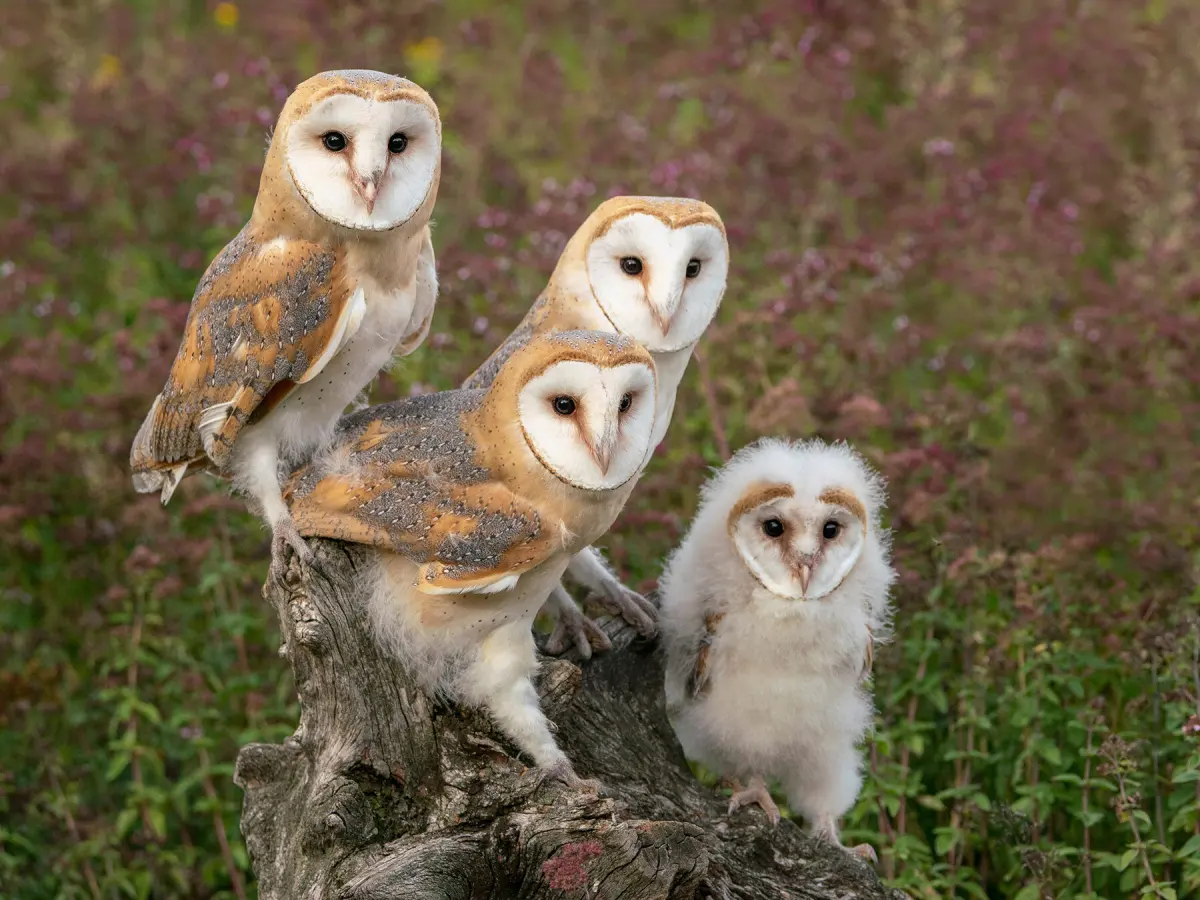
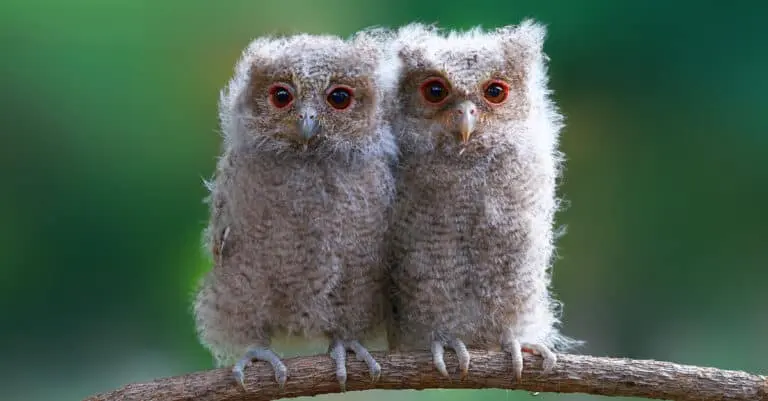
An owlet is the term used for a young owl from the moment it hatches until it develops the flight feathers necessary to leave the nest. During this initial phase, the owlet is covered in soft, white or gray down rather than the structured, camouflaging feathers seen on adults. These feathers provide essential insulation, as the owlet is unable to regulate its own body temperature effectively during the first few weeks of life. As the bird grows, the down is gradually replaced by juvenile plumage, which is often fluffier and more mottled than adult feathers.
The development process is rapid, driven by the need to reach independence before the onset of harsher seasons. Growth milestones typically include:
- Hatching: The owlet emerges from the egg, often blind and helpless.
- Downy stage: The bird grows rapidly, consuming large amounts of food provided by the parents.
- Branching: The owlet begins to explore the area immediately surrounding the nest.
- Fledging: The bird gains the ability to fly and begins to hunt for itself.
How long does it take for an owlet to grow?
The time it takes for an owlet to reach maturity varies significantly depending on the species. Smaller owls, such as the Elf Owl, may fledge in as little as 28 to 30 days. Conversely, larger species like the Great Horned Owl may remain in or near the nest for up to 10 weeks before they are fully capable of sustained flight. Regardless of the species, the period spent in the nest is a time of intense metabolic activity, as the owlet must grow to nearly its full adult size before it can successfully navigate the environment.
During this growth period, the owlet relies entirely on its parents to bring food to the nest. The parents often hunt at night, returning with small mammals, insects, or other birds to sustain the brood. Because owls are asynchronous hatchers—meaning eggs are laid and hatch at different times—there is often a size discrepancy among siblings. The oldest owlet is typically the largest and most dominant, which can be an advantage when food resources are scarce, as it is better positioned to receive the majority of the parental provisions.
Why do owlets leave the nest early?
Many people assume that an owlet found on the ground has fallen out of its nest and requires rescue. However, it is quite common for young owls to leave the nest before they are fully capable of flight. This stage is known as branching, where the owlet uses its sharp talons and beak to climb onto nearby branches. This behavior allows the young bird to expand its territory and practice the coordination required for future hunting, even while it remains dependent on its parents for food.
If you encounter a young owl on the ground, it is important to observe it from a distance before intervening. In most cases, the owlet is perfectly healthy and is simply in a transitional phase of its development. Parents continue to monitor and feed their offspring even when the owlets are on the ground or in low-hanging branches. Unless the bird is clearly injured, bleeding, or being harassed by predators, it is best to leave it alone. Removing a healthy fledgling from its environment can do more harm than good, as it separates the bird from the parental care it still requires.
Common mistakes when helping a baby owl
One of the most frequent errors people make is attempting to feed or raise an owlet themselves. Owls have highly specialized dietary requirements and require specific environmental conditions to develop proper flight muscles and hunting instincts. Attempting to provide human food or improper prey items can lead to severe nutritional deficiencies or metabolic bone disease. Furthermore, owls are wild animals that can become dangerously habituated to humans if handled too frequently, which significantly reduces their chances of surviving in the wild once they mature.
If you are certain that an owlet is in distress, follow these steps to ensure the best outcome:
- Observe the bird from a distance to confirm it is actually injured or orphaned.
- Contact a licensed wildlife rehabilitator or a local avian veterinarian for professional guidance.
- If advised to capture the bird, use a thick towel to gently secure it and place it in a ventilated cardboard box.
- Keep the bird in a quiet, dark, and warm area away from pets and children until you can reach a professional.
- Avoid giving the bird water or food, as improper handling can lead to aspiration or digestive issues.
Best ways to support local owl populations
If you want to help owls in your area, the most effective strategy is to improve their natural habitat. Owls require safe nesting sites and a healthy population of prey, such as mice and voles, to thrive. You can install owl boxes in your yard, which provide a secure environment for owls to raise their young. Ensure that these boxes are mounted at the correct height and orientation for the specific species native to your region. Additionally, avoid using rodenticides or other pesticides, as these chemicals can accumulate in the food chain and prove fatal to owls that consume poisoned prey.
By maintaining a natural landscape with native trees and shrubs, you provide the necessary cover for owlets as they learn to navigate the world. Minimizing artificial light pollution also helps, as owls rely on their keen vision to hunt and communicate. Creating an owl-friendly environment is a rewarding way to observe these fascinating birds throughout their life cycle, from the time they are small, downy owlets to the moment they take their first successful flight into the night sky. Consistent, non-intrusive support is the most ethical way to ensure these predators remain a vital part of our ecosystem.
Key facts
- A baby owl is officially called an owlet.
- Owlets are born with a coat of soft, white down feathers that are replaced by juvenile plumage as they grow.
- Most owls lay between two and four eggs, though some species may lay more depending on food availability.
- Owlets often leave the nest before they can fly, a stage known as "branching" where they hop onto nearby limbs.
- Parents continue to feed their young for several weeks or months after they have fledged.
- If you find a grounded owlet, observe from a distance before intervening, as the parents are likely nearby watching.
The bottom line
An owlet is the correct term for a young owl, which undergoes a fascinating development process from a downy hatchling to a skilled hunter. While it is common to see them branching out of the nest, they are rarely abandoned. By understanding their growth stages, you can better appreciate these birds while ensuring they remain wild and safe from unnecessary human interference during their critical early months.
People also ask
How long does it take for an owlet to learn how to fly?
Most owlets begin their first flight attempts between 4 and 8 weeks of age. The exact timing depends on the specific species and the size of the bird.
Do both parents help raise the owlets?
Yes, in most owl species, both parents participate in the rearing process. The male typically hunts and brings food to the nest, while the female guards and broods the owlets.
What do baby owls eat?
Parents bring a variety of prey to the nest, including small rodents, insects, and occasionally other birds. The adults tear the food into small, manageable pieces for the owlets to consume.
How can you tell if an owlet is in distress?
An owlet in actual distress may appear injured, lethargic, or infested with parasites. If the bird is alert, hopping, or making clicking sounds, it is likely a healthy fledgling that does not need human help.
Do owls reuse their nests?
Many owls do not build their own nests and instead occupy abandoned nests from other birds or squirrels. Some species, like the Burrowing Owl, prefer to live in underground burrows.
At what age do owlets become independent
Independence usually occurs when the young are about 3 to 4 months old. By this time, they have mastered hunting techniques and are capable of surviving without parental support.
This answer was created with the help of AI research tools and reference sources. Spotted an error? Let us know — we correct mistakes quickly. See our editorial policy.