What is a baby fox called?
Short answer
A baby fox is primarily called a kit. Other common terms used to describe them include cubs or pups. These young animals are born into litters, typically ranging from one to ten individuals, and remain dependent on their mother for nourishment and protection within the safety of an underground den during early development.
On this page
What is a baby fox called?
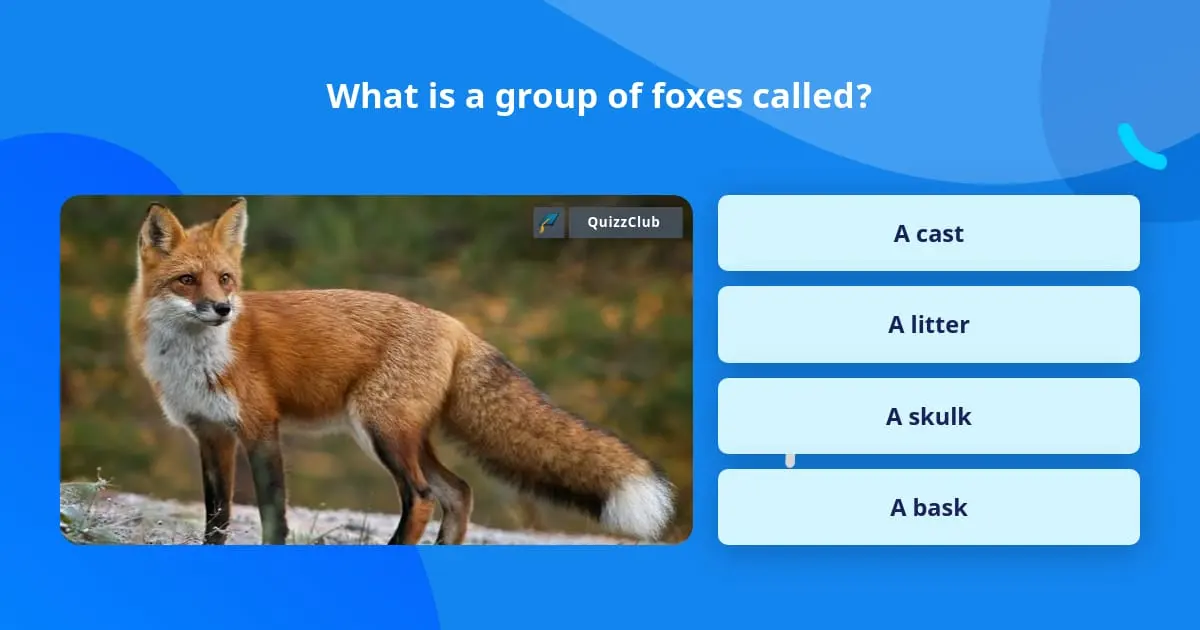
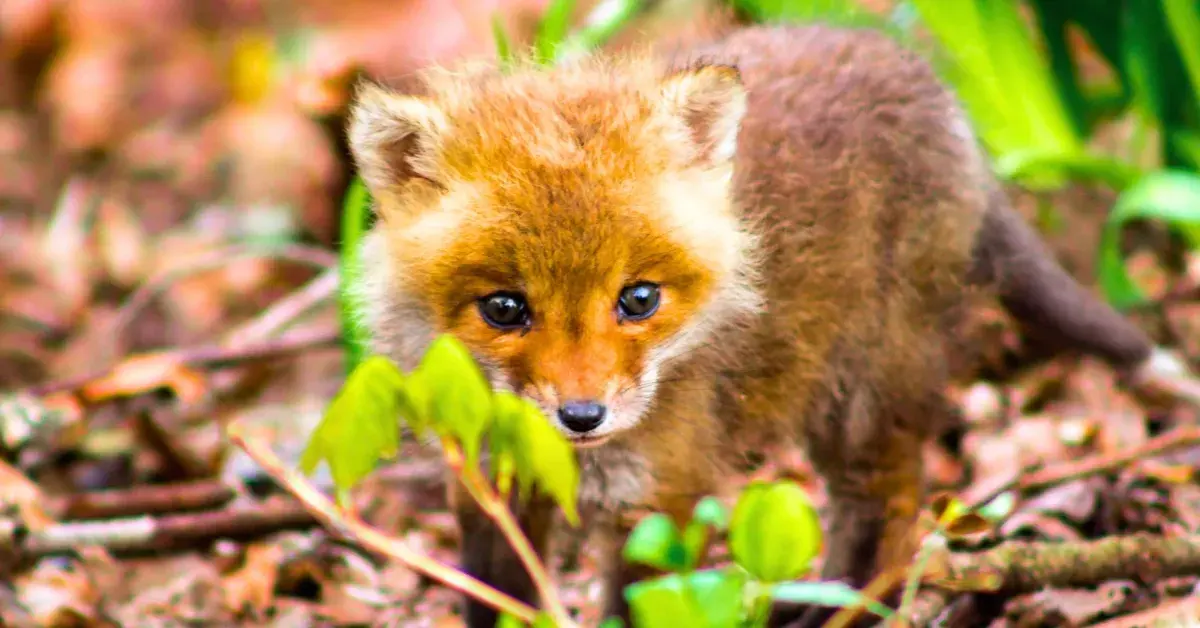
A baby fox is most commonly referred to as a kit. While the term "kit" is the standard nomenclature used by biologists and wildlife experts, you may also frequently hear them called cubs or pups. These terms are used interchangeably in casual conversation, though "kit" remains the most precise descriptor for the offspring of the Vulpes genus.
Regardless of the specific term used, these young animals share similar developmental milestones. They are born blind, deaf, and entirely helpless, relying on their mother for warmth and milk. As they grow, their terminology remains consistent until they reach sexual maturity, which typically occurs around ten months of age. Understanding these basic terms helps in identifying and discussing fox behavior accurately when observing them in the wild or reading biological reports.
How long do kits stay in the den?
Kits are born in underground burrows known as dens, which provide a secure environment away from predators. For the first few weeks of life, the mother fox, or vixen, stays inside the den to nurse and monitor the kits. They typically emerge from the den for the first time when they are about four to five weeks old.
The transition from the den to the outside world is a gradual process that involves several stages:
- Weeks 1–3: Kits remain entirely subterranean, nursing and sleeping.
- Week 4: Kits begin to explore the immediate entrance of the den.
- Weeks 5–8: Kits engage in play-fighting and practice hunting skills near the den.
- Weeks 9–12: Kits begin accompanying the parents on short foraging trips.
By the time they are three months old, kits are usually fully weaned and have transitioned to a diet of solid food. They will continue to live with their family unit until the autumn, at which point they typically disperse to establish their own territories.
What do baby foxes eat?
Kits begin their lives consuming only their mother's milk, which provides the essential nutrients and antibodies needed for early growth. As they approach the weaning stage, the vixen and the male fox, known as the dog, begin to introduce solid food to the litter. This process is critical for their survival as they prepare to hunt independently.
The diet of a growing kit is highly varied and opportunistic, reflecting the fox's status as an omnivore:
- Small mammals, such as field mice, voles, and rabbits.
- Insects, including beetles and grasshoppers.
- Fruits, berries, and occasionally scavenged human food scraps.
- Earthworms, which are a surprisingly common food source for young foxes.
Providing food for kits is a communal effort. While the vixen stays with the kits, the dog fox is responsible for bringing food back to the den entrance. This division of labor ensures that the kits are well-fed while the mother remains on guard.
Why do foxes play in the wild?
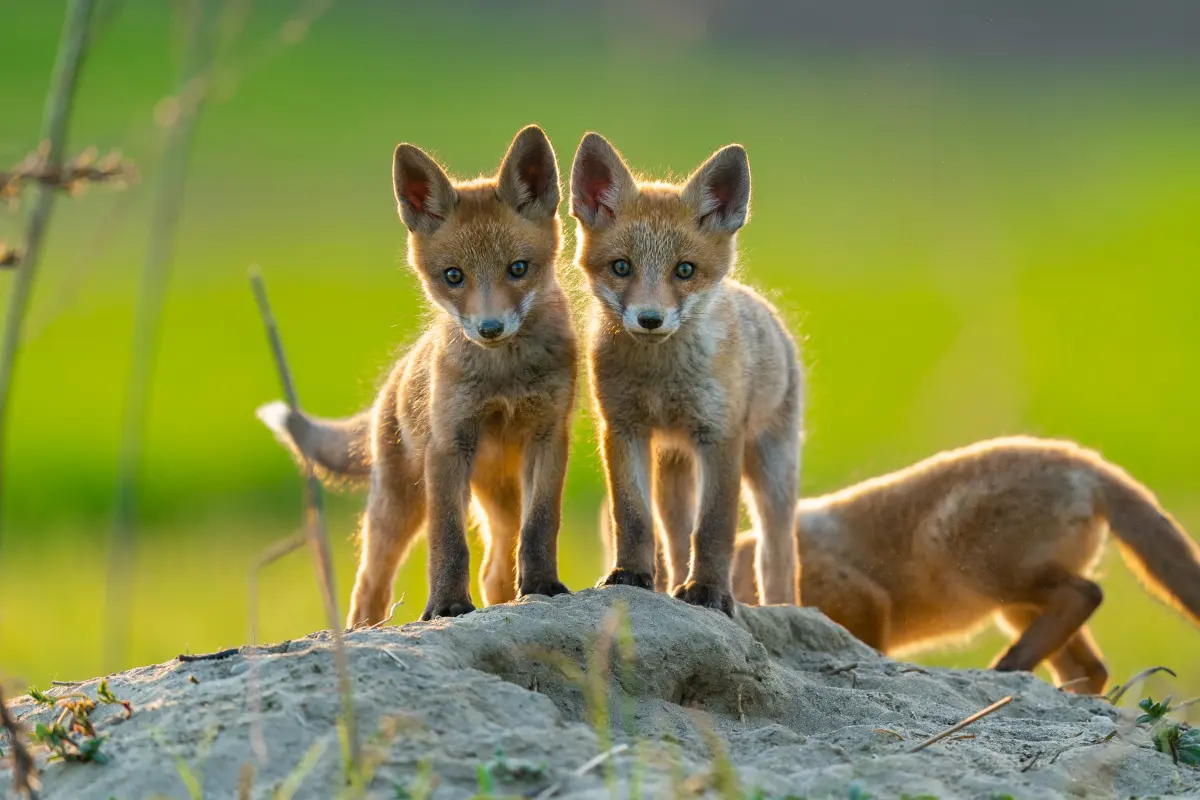
Play is an essential part of a kit's development, serving as a practice ground for adult behaviors. When you see kits wrestling, pouncing, or chasing one another, they are actually refining the motor skills and coordination required for successful hunting. These social interactions also help establish the hierarchy within the litter.
Common play behaviors observed in kits include:
- Pouncing on leaves or sticks to simulate catching prey.
- Mock-fighting to build muscle strength and defensive reflexes.
- Chasing siblings to improve speed and agility.
- Stalking behaviors that mimic the stealth required to approach unsuspecting prey.
These activities are not merely for entertainment; they are vital survival exercises. Kits that engage in frequent, vigorous play are often more successful at hunting and navigating their environment once they leave the safety of their parents. By the time they reach adulthood, these practiced movements become instinctive, allowing them to thrive in diverse habitats.
Common mistakes when observing kits
One of the most significant errors people make when encountering baby foxes is attempting to interact with them or remove them from their environment. Many observers mistakenly assume that a kit found alone is abandoned. In reality, the mother is often nearby, watching and waiting for the observer to leave before she returns to her offspring.
To ensure the safety of the kits and yourself, follow these guidelines:
- Never attempt to touch or feed a kit, as this can lead to habituation and disease transmission.
- Keep a significant distance to avoid causing stress or forcing the mother to abandon the den.
- Do not use flash photography or loud noises near a den site.
- If you believe a kit is truly injured or orphaned, contact a licensed wildlife rehabilitator instead of intervening yourself.
By maintaining a respectful distance, you allow the kits to develop naturally without human interference. Observing wildlife from afar is the most ethical way to enjoy the growth of these fascinating animals while ensuring they remain wild and capable of surviving in their natural habitat.
Key facts
- A baby fox is officially called a kit, though they are also frequently referred to as cubs or pups.
- Kits are born in a litter, which typically contains between four and six individuals.
- Newborn foxes are altricial, meaning they are born blind, deaf, and entirely dependent on their mother.
- They remain inside the underground den for the first four to five weeks of their lives.
- Both parents participate in raising the young, with the male bringing food to the den for the nursing female.
- Kits begin to emerge from the den to play and practice hunting skills when they are about one month old.
The bottom line
A baby fox, known as a kit, cub, or pup, is a highly dependent creature that relies on both parents for survival during its first few months. Born into litters within the safety of an underground den, kits undergo rapid development before venturing out to master hunting skills. Understanding their natural, solitary life cycle is essential for respecting these wild animals and avoiding the dangers of human interference.
People also ask
How long do kits stay with their mother?
Kits generally stay with their mother until they are about six to seven months old. By autumn, they are usually independent enough to leave the den and establish their own territories.
What do baby foxes eat?
Initially, kits rely solely on their mother's milk. Once they are a few weeks old, the parents begin providing regurgitated solid food, eventually transitioning them to small prey like insects, rodents, and birds.
Are baby foxes born with the iconic bushy tail?
No, newborn kits have short, thin fur and lack the characteristic bushy tail of an adult. Their fur thickens and their tails become fuller as they grow and prepare for their first winter.
Do foxes live in packs like wolves?
Foxes are generally solitary animals compared to wolves. While they form strong family units during the rearing of kits, they do not maintain the complex, lifelong social pack structures found in other canids.
Can you keep a baby fox as a pet?
It is strongly discouraged and often illegal to keep a fox as a pet. Foxes are wild animals with complex behavioral needs, strong odors, and a tendency to bite when stressed or confined.
How can you tell the difference between a fox kit and a puppy?
Fox kits have more pointed muzzles, larger ears relative to their heads, and often possess a white tip on their tails. Their movements are also more agile and cat-like compared to the clumsy gait of a domestic puppy.
This answer was created with the help of AI research tools and reference sources. Spotted an error? Let us know — we correct mistakes quickly. See our editorial policy.