What is a baby shark called?
Short answer
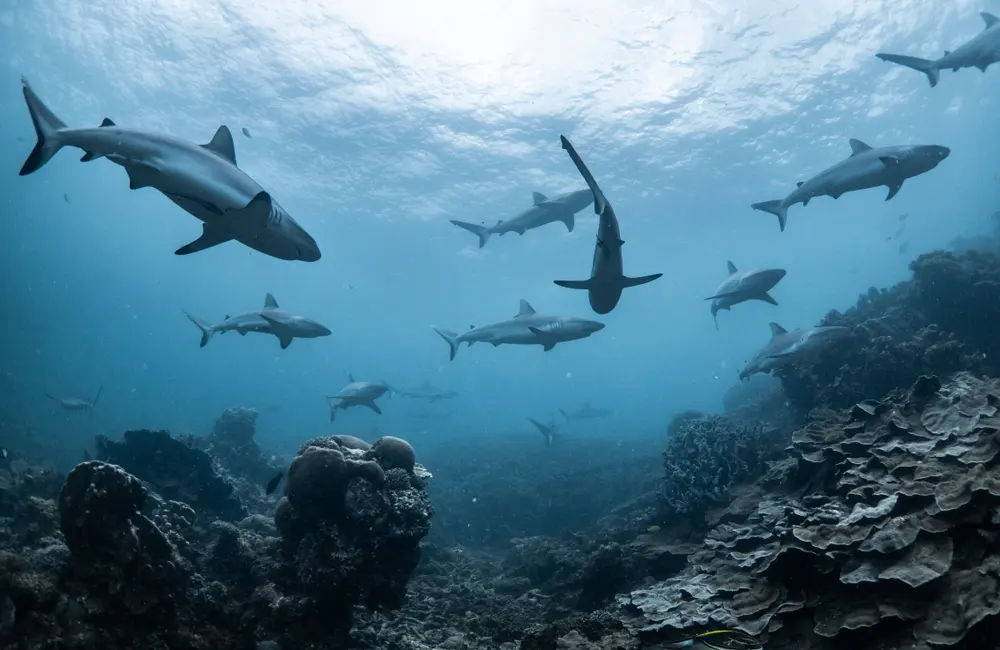
A baby shark is called a pup. This term applies to the young of all shark species, regardless of their size or habitat. Once born, these pups are typically fully developed and independent, possessing the instinctual skills necessary to hunt, navigate, and survive in the ocean without any parental guidance or protection.

On this page
What is a baby shark called?
The term "pup" is the standard biological designation for a juvenile shark. Unlike many other fish species that lay thousands of eggs in the water column, sharks produce relatively few offspring at a time. These pups are born as miniature versions of their adult counterparts, equipped with functional teeth and the ability to swim immediately.
Because sharks are cartilaginous fish, their reproductive strategies vary significantly between species. Some sharks are oviparous, meaning they lay eggs encased in protective leathery shells often referred to as "mermaid’s purses." Others are viviparous or ovoviviparous, giving birth to live young. Regardless of the birth method, once the pup emerges, it is considered a miniature adult. There is no larval stage in the shark life cycle, which distinguishes them from many bony fish that undergo complex metamorphoses before reaching maturity.
How are shark pups born?
Shark reproduction is categorized into three primary methods, each determining how the pup enters the world. Understanding these differences helps researchers track population health and conservation needs for various species.
- Oviparity: The mother deposits eggs in the environment, where the embryo develops inside a protective casing until it hatches.
- Viviparity: The embryo develops inside the mother’s uterus, receiving nourishment through a placental connection similar to mammals.
- Ovoviviparity: The eggs hatch inside the mother’s body, and the pups are born live after consuming unfertilized eggs or siblings for nutrition.
Common mistakes when identifying shark birth include assuming all sharks lay eggs or that all sharks provide parental care. In reality, most species abandon their pups immediately after birth. This lack of parental investment means that the survival rate of shark pups is often low, as they must avoid predators from their very first moments of life.
Where do shark pups live?
Many shark species utilize specific areas known as nursery grounds to give birth and raise their young. These habitats are chosen for their abundance of food and relative safety from larger predators, including adult sharks of their own or different species. Coastal estuaries, mangrove forests, and shallow seagrass beds are frequent choices for these nurseries.
These environments provide a high-energy buffer for the pups while they grow. By staying in shallow, nutrient-rich waters, the young sharks can feed on small crustaceans, mollusks, and smaller fish without needing to venture into the dangerous open ocean. As the pups grow larger and become more capable swimmers, they gradually migrate toward deeper waters to join the adult population. Protecting these nursery habitats is a critical component of global shark conservation efforts, as the loss of these areas can lead to significant declines in shark populations.
How do shark pups survive?
Survival for a pup is a game of constant evasion and efficient hunting. Because they are born independent, they must rely on innate behaviors to find food and avoid being eaten by larger marine animals. Their sensory systems—including electroreception, which allows them to detect the electrical fields of hidden prey—are fully functional at birth.
- Speed: Pups use quick bursts of movement to escape larger predators.
- Camouflage: Many species have countershading, with dark backs and light bellies, to blend into the ocean floor or surface.
- Stealth: Pups often hide in crevices or dense vegetation to avoid detection.
- Aggression: Even small pups will display defensive postures if cornered by potential threats.
These adaptations ensure that even the smallest shark is a formidable predator in its own right. Despite their small size, they are not helpless, and their ability to quickly integrate into the ecosystem is a testament to the evolutionary success of the shark lineage over hundreds of millions of years.
Common mistakes when observing shark pups
When researchers or enthusiasts encounter shark pups, there are several common errors in judgment that can jeopardize the animal's safety. One frequent mistake is attempting to handle or relocate a pup found in shallow water. Many people assume a pup found near the shore is stranded or abandoned, but it is often exactly where it needs to be.
- Do not touch or pick up the pup, as this can cause stress or injury to its delicate skin.
- Avoid blocking the pup's path to deeper water, as this prevents it from escaping potential threats.
- Keep a respectful distance to avoid causing the pup to expend unnecessary energy fleeing.
- Refrain from feeding the pup, as human food is not part of their natural diet and can cause health issues.
If you suspect a shark is truly injured or entangled in debris, the best course of action is to contact local marine wildlife authorities. They have the training and equipment to assess the situation safely. Always prioritize the animal's natural behavior over the desire for a close-up interaction, ensuring that these young predators have the best chance to reach adulthood and continue their species.
Key facts
- A baby shark is scientifically referred to as a pup.
- Many shark species are born fully developed and ready to hunt independently.
- Some sharks hatch from eggs, while others are born live from the mother.
- Female sharks do not provide care or protection to their pups after birth.
- Pups often seek shelter in shallow coastal "nursery" areas to avoid larger predators.
- A group of shark pups is sometimes referred to as a litter or a school.
The bottom line
The term for a baby shark is a pup. These young predators are born with the necessary instincts to survive without parental guidance, often utilizing shallow coastal nurseries for safety. Whether they emerge from egg cases or are born live, pups must quickly learn to hunt small prey to grow. Understanding these early life stages is vital for the conservation of various shark populations worldwide.
People also ask
How long do shark pups stay with their mothers?
Most shark species provide no parental care once the pups are born or hatched. The young are born with instinctual survival skills and must fend for themselves immediately to avoid being eaten by predators, including other sharks.
Do all shark pups hatch from eggs?
No, reproduction varies by species. Some sharks are oviparous, meaning they lay eggs in protective cases, while others are viviparous, giving birth to live young that develop inside the mother.
Are baby sharks dangerous to humans?
While they are smaller than adults, baby sharks still possess sharp teeth and hunting instincts. It is best to avoid handling them, as they can bite if they feel threatened or cornered.
Where do mother sharks usually give birth?
Many sharks return to specific, shallow coastal areas known as nurseries to give birth. These environments provide abundant food and offer protection from larger oceanic predators that cannot navigate the shallow water.
How fast do shark pups grow?
Growth rates vary significantly depending on the species and the availability of food. Some species grow quite slowly, taking many years to reach sexual maturity, while others mature more rapidly.
What do baby sharks eat?
Pups typically consume small fish, crustaceans, and other invertebrates found in their nursery habitats. As they grow larger, their diet expands to include larger prey items consistent with their specific species' needs.
This answer was created with the help of AI research tools and reference sources. Spotted an error? Let us know — we correct mistakes quickly. See our editorial policy.