How big do bears get?
Short answer
Bear sizes vary significantly by species and environment. The smallest, the sun bear, weighs around 60 to 150 pounds, while the largest, the polar bear, can exceed 1,500 pounds. Most adult brown bears weigh between 400 and 800 pounds, though coastal populations feeding on salmon consistently reach much higher weights than inland bears.
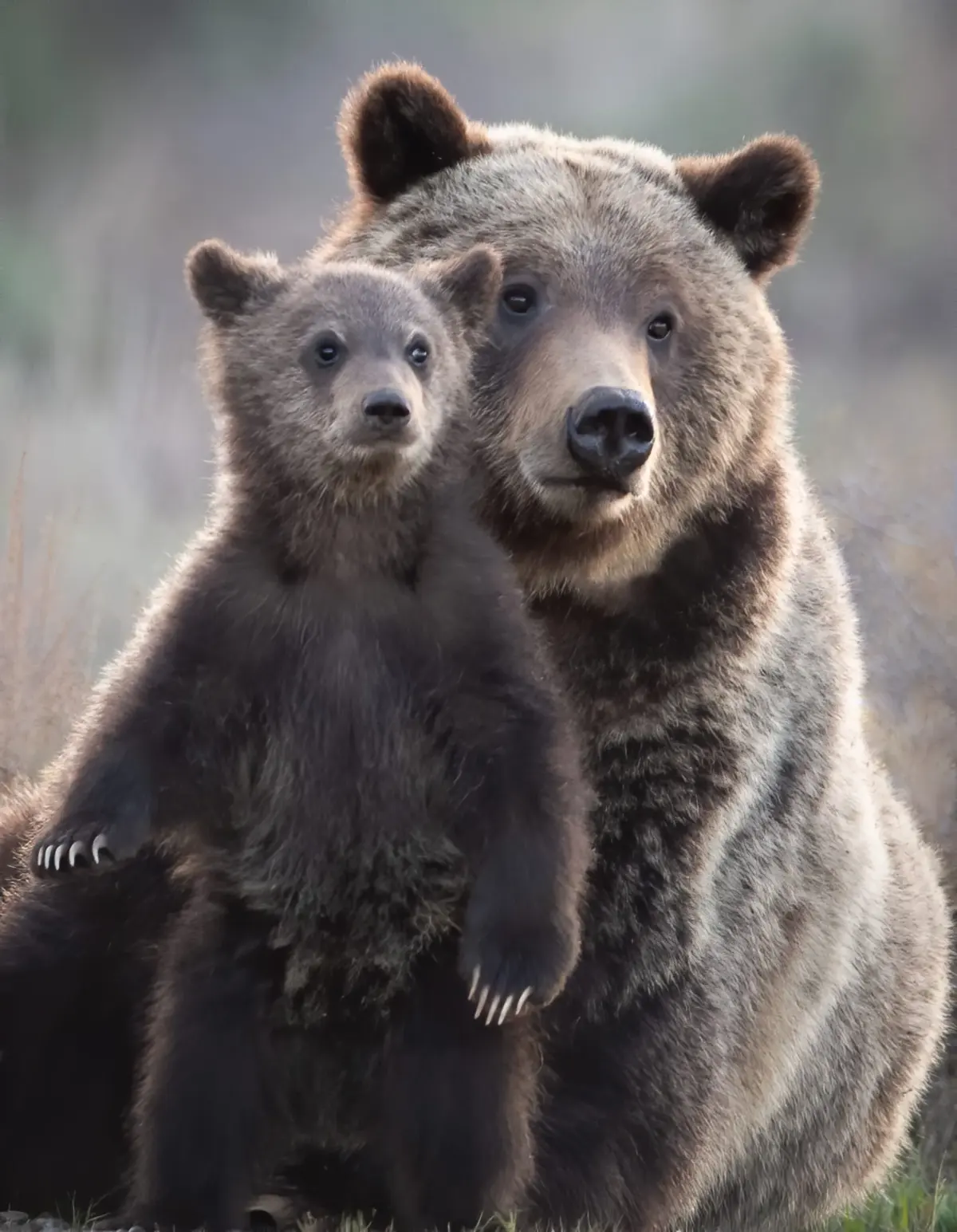
On this page
How much do different bear species weigh?
Bear size is primarily determined by genetics and the availability of high-quality food sources. The sun bear is the smallest member of the Ursidae family, typically standing less than five feet tall and weighing significantly less than a human. In contrast, the polar bear and the Kodiak subspecies of the brown bear represent the largest land-based carnivores on Earth. These giants have evolved to store massive amounts of fat to survive harsh winters or periods of food scarcity.
Weight ranges for common bear species include:
- Sun bear: 60–150 pounds
- Spectacled bear: 175–350 pounds
- American black bear: 150–600 pounds
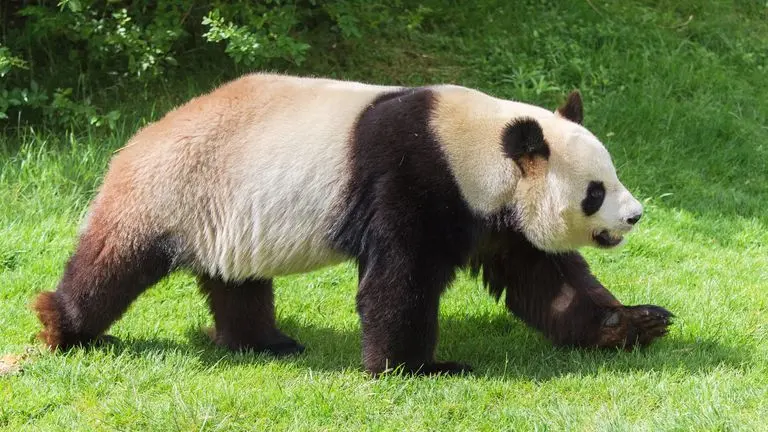
- Giant panda: 150–350 pounds
- Brown bear: 300–1,500 pounds
- Polar bear: 800–1,500+ pounds
It is important to note that these figures represent average adult weights. A bear’s weight fluctuates dramatically throughout the year based on its feeding patterns. During the autumn months, bears enter a period of hyperphagia, where they consume massive quantities of calories to prepare for hibernation. This can cause a bear to gain several hundred pounds in just a few months, meaning a single bear's weight can vary by 30 percent or more depending on the season.
Why do bears grow to such different sizes?
The primary driver of bear size is the environment. Bears living in ecosystems with abundant, calorie-dense food sources, such as salmon runs or berry patches, grow substantially larger than those in resource-poor areas. For example, brown bears living on the coast of Alaska have access to consistent marine protein, allowing them to reach weights nearly double those of brown bears living in the arid interior of the state.
Temperature also plays a role in body size, a phenomenon often explained by Bergmann’s Rule. This biological principle suggests that animals living in colder climates tend to be larger than their counterparts in warmer regions. A larger body mass provides a smaller surface-area-to-volume ratio, which helps the animal retain body heat more efficiently. This is why polar bears, which live in the extreme cold of the Arctic, are consistently larger than sun bears, which inhabit the tropical forests of Southeast Asia.
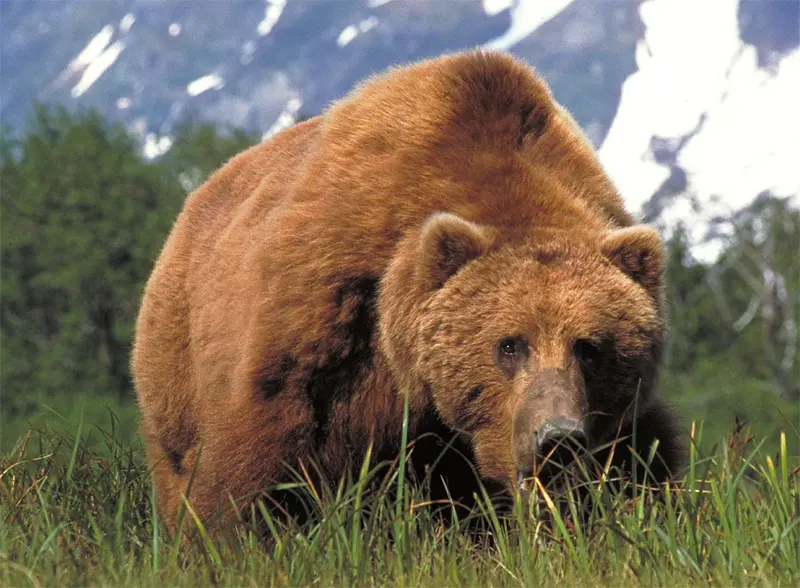
How to estimate the size of a bear in the wild
Estimating a bear's weight from a distance is notoriously difficult because their thick fur and rounded bodies can be visually deceptive. Many people overestimate the weight of a bear because they lack a clear reference point, such as a tree or a vehicle, to gauge the animal's true height and width. If you encounter a bear, focus on its behavior and distance rather than trying to calculate its exact tonnage.
If you are tracking bears for research or observation, follow these steps to improve your estimates:
- Observe the bear’s gait; larger, heavier bears often move with a more pronounced, lumbering sway.
- Compare the bear to known landscape features like boulders or specific tree trunks.
- Look at the width of the head and the thickness of the limbs, which are better indicators of mass than height.
- Use a spotting scope or camera with a telephoto lens to capture images that can be analyzed later against scale markers.
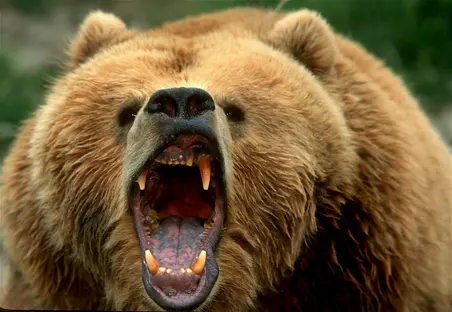
Common mistakes when assessing bear size
The most common mistake people make is assuming that all bears of the same species are the same size. There is significant sexual dimorphism in most bear species, meaning males are typically much larger than females. In many cases, a large female may weigh only half as much as a mature male of the same species. Failing to account for sex can lead to inaccurate assumptions about the age or health of the animal.
Another frequent error is misjudging the age of a bear. A young, growing bear may look deceptively large because it has a high, lean frame, while an older bear might appear smaller due to muscle loss or nutritional stress. Observers often mistake a large, healthy adolescent for a mature adult, leading to exaggerated reports of "monster" bears. Always consider that a bear’s silhouette can change based on its posture, whether it is standing on its hind legs or foraging on all fours.
How to stay safe around bears regardless of size
Regardless of how big a bear is, you should always treat it with the same high level of caution. A smaller bear can be just as dangerous as a larger one, especially if it is a mother protecting cubs or an animal that has become habituated to human food. Never approach a bear to get a better look, and never assume that a smaller bear is "safe" or less aggressive than a larger one.
To minimize risks when in bear country, keep these safety practices in mind:
- Carry EPA-approved bear spray in an accessible holster, not inside your pack.
- Make noise while hiking to avoid surprising a bear, especially near running water or dense brush.
- Store all food and scented items in bear-resistant containers or hang them properly.
- If you see a bear, back away slowly while keeping your eyes on the animal, but avoid direct, prolonged eye contact.
- If a bear approaches, stand your ground, speak in a calm, firm voice, and prepare to use your deterrent.
By maintaining a respectful distance and securing your gear, you can observe these magnificent animals safely without interfering with their natural growth and behavior patterns. Always prioritize your safety over getting a closer look at the animal, as even a small bear is a powerful wild creature capable of significant speed and force.
Key facts
- The Kodiak bear and the polar bear are the largest bear species, with males often weighing over 1,500 pounds.
- Adult male grizzly bears typically weigh between 400 and 800 pounds, depending heavily on their seasonal food access.
- Black bears are significantly smaller, usually ranging from 150 to 400 pounds, though some reach 600 pounds.
- Bears reach their maximum weight in late autumn, as they accumulate fat reserves to survive the winter hibernation period.
- Always store food in bear-resistant containers or hang it at least 10 feet high and 4 feet away from tree trunks.
- Never attempt to judge a bear's weight from a distance, as even smaller bears are capable of extreme speed and strength.
The bottom line
Bear size varies dramatically by species, age, and seasonal food availability. While the massive polar and Kodiak bears can exceed 1,500 pounds, most species are much smaller. Understanding that weight fluctuates seasonally is vital for anyone living or recreating in bear country. Always prioritize safety by securing food sources, as bears are opportunistic eaters that will readily approach human settlements to gain easy access to calories.
People also ask
Do bears grow throughout their entire lives?
Bears do not grow indefinitely; they reach physical maturity between the ages of 5 and 10 years. While they may fluctuate in weight annually due to seasonal feeding, their skeletal size remains stable once they reach adulthood.
Which bear species is the smallest in the world?
The sun bear is the world’s smallest bear species, typically weighing between 60 and 150 pounds. Native to Southeast Asian forests, they are significantly more compact than their North American or Arctic counterparts.
How much food does a large bear need to eat?
During the hyperphagia phase in autumn, a bear may consume up to 20,000 calories per day. This massive intake is necessary to build the fat layers required for survival during months of winter dormancy.
Can you tell a bear's weight by its height?
Height is a poor indicator of weight because bears have different body compositions and skeletal structures. A bear standing on its hind legs may look imposing, but this posture is often used for sensing the environment rather than indicating mass.
Does gender affect how big a bear gets?
Sexual dimorphism is common in bears, meaning males are almost always larger than females. In many species, a mature male can weigh 30 to 50 percent more than a female of the same age.
Are captive bears larger than wild bears?
Captive bears often grow larger than their wild counterparts due to a consistent, high-calorie diet and lack of physical exertion. Wild bears must expend significant energy foraging, which naturally limits their total body mass.
This answer was created with the help of AI research tools and reference sources. Spotted an error? Let us know — we correct mistakes quickly. See our editorial policy.