How deep can whales dive?
Short answer
Whales exhibit a wide range of diving capabilities depending on their species. While smaller whales and dolphins typically stay within the upper 200 meters of the ocean, deep-diving specialists like the Cuvier’s beaked whale can plunge to depths exceeding 2,900 meters. These remarkable mammals have evolved specialized physiological adaptations to survive extreme pressure.
On this page
How deep do different whale species dive?
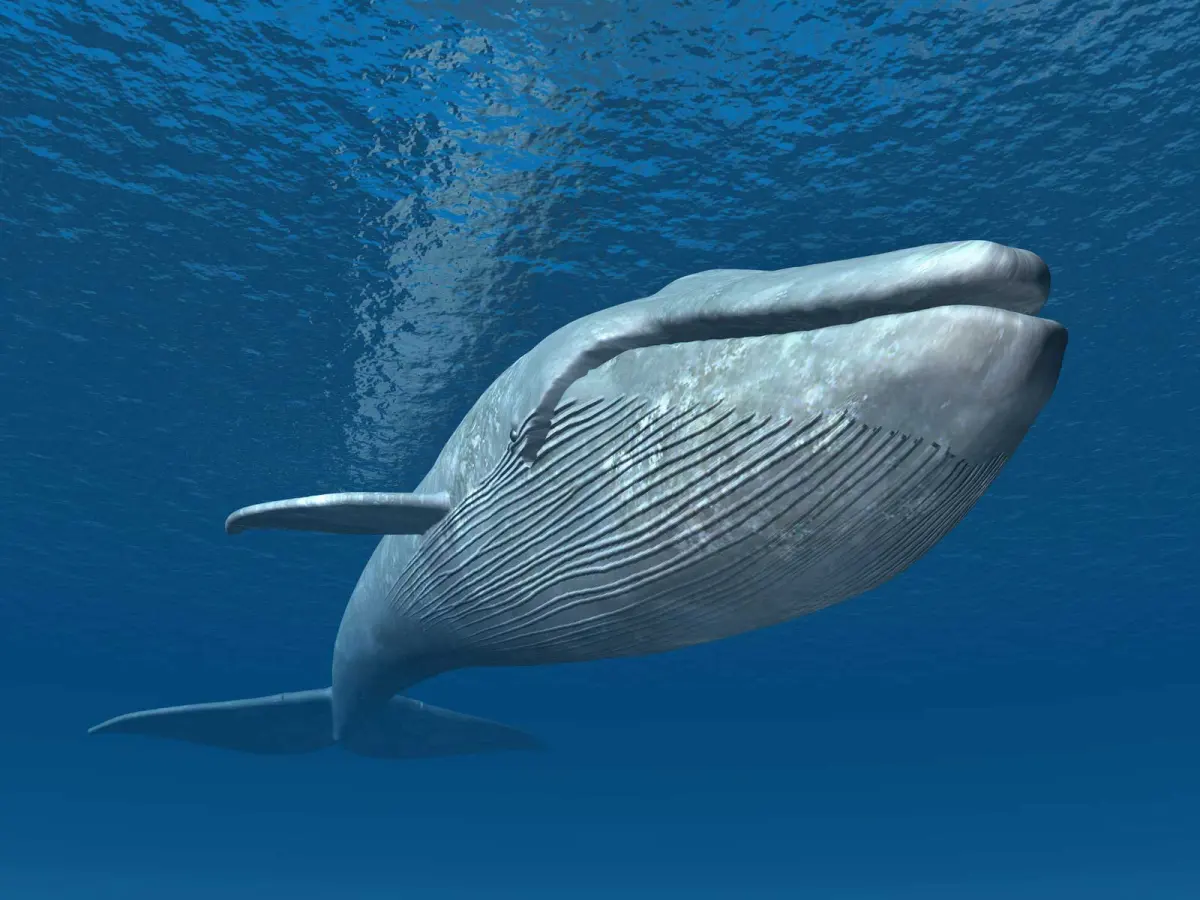
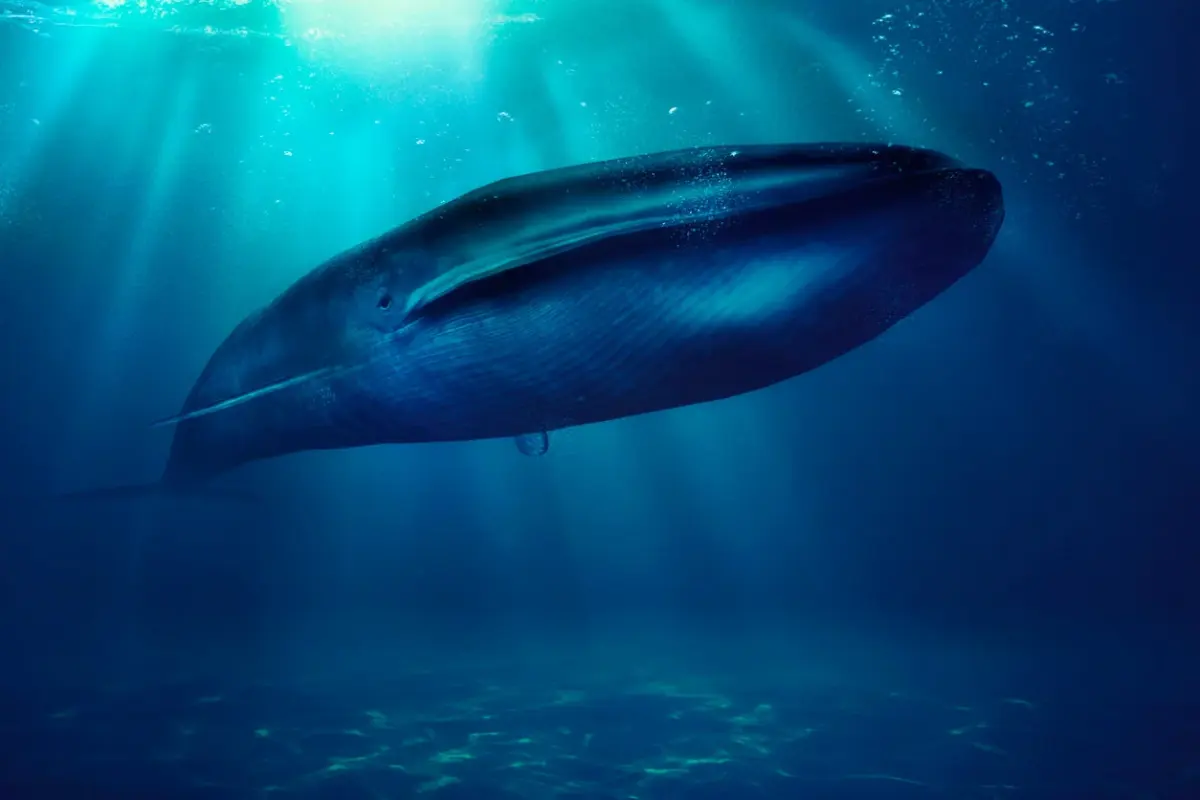
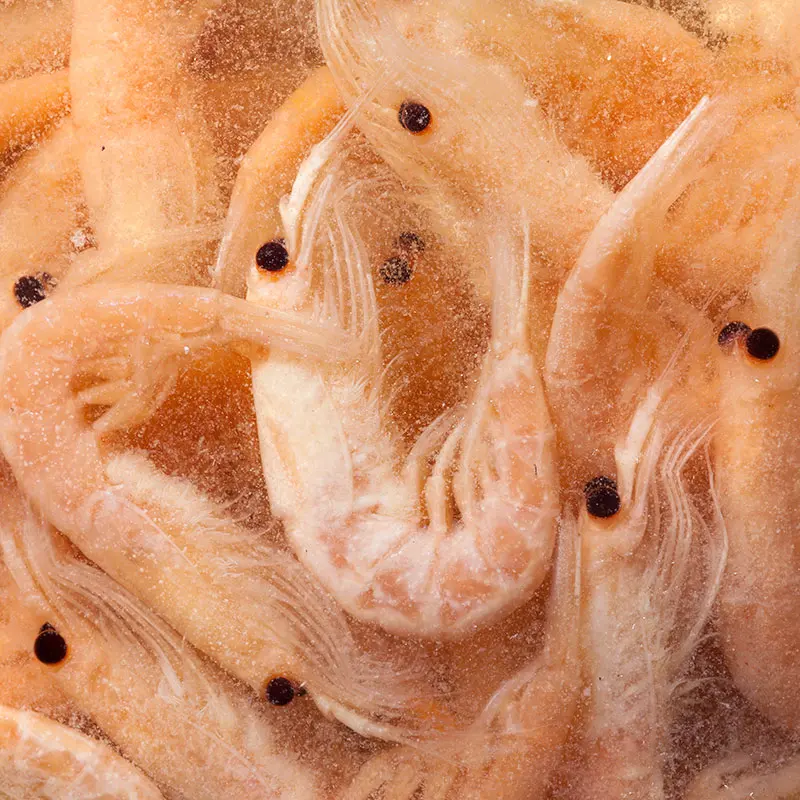
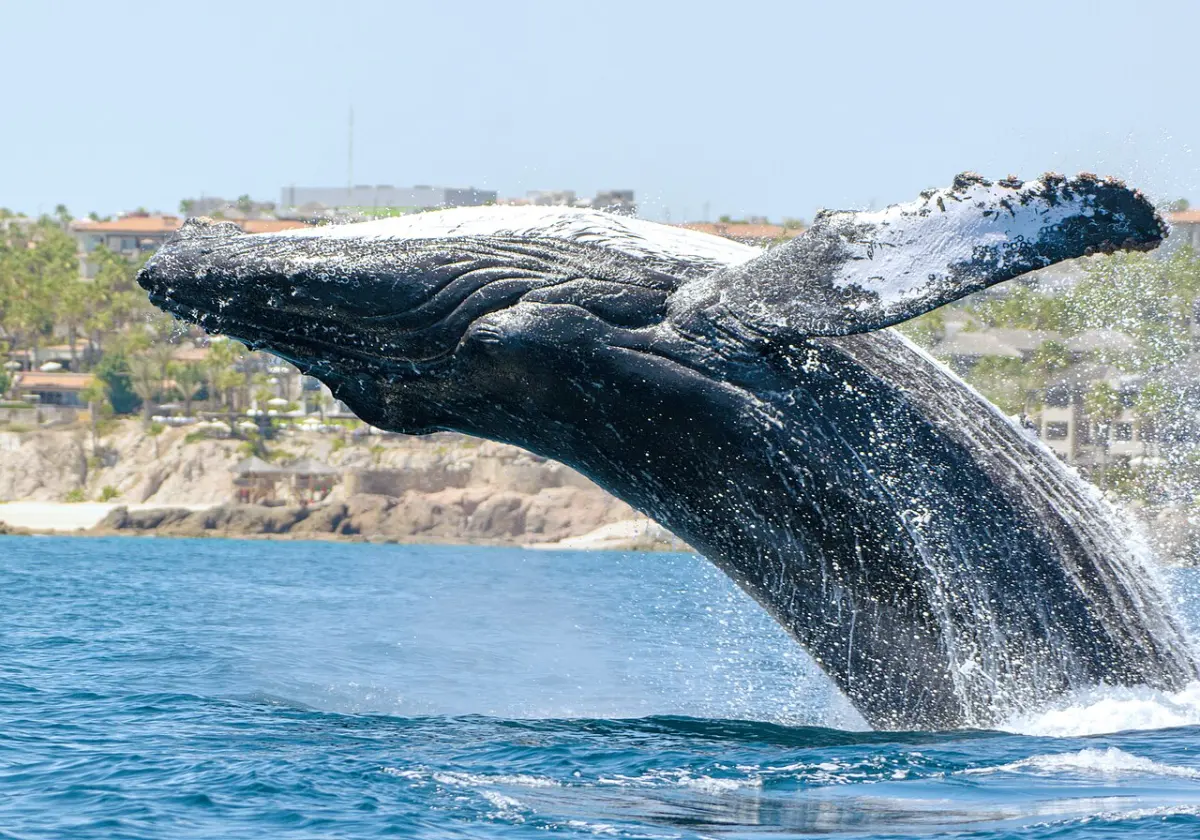
The diving depth of a whale is primarily determined by its hunting strategy and its physiological capacity to manage oxygen. Baleen whales, such as the blue whale or humpback, are generally considered shallow divers. They typically forage in the top 100 to 300 meters of the water column where krill and small schooling fish are most abundant. While they can occasionally reach depths of 500 meters, they rarely need to go deeper to find sufficient food.
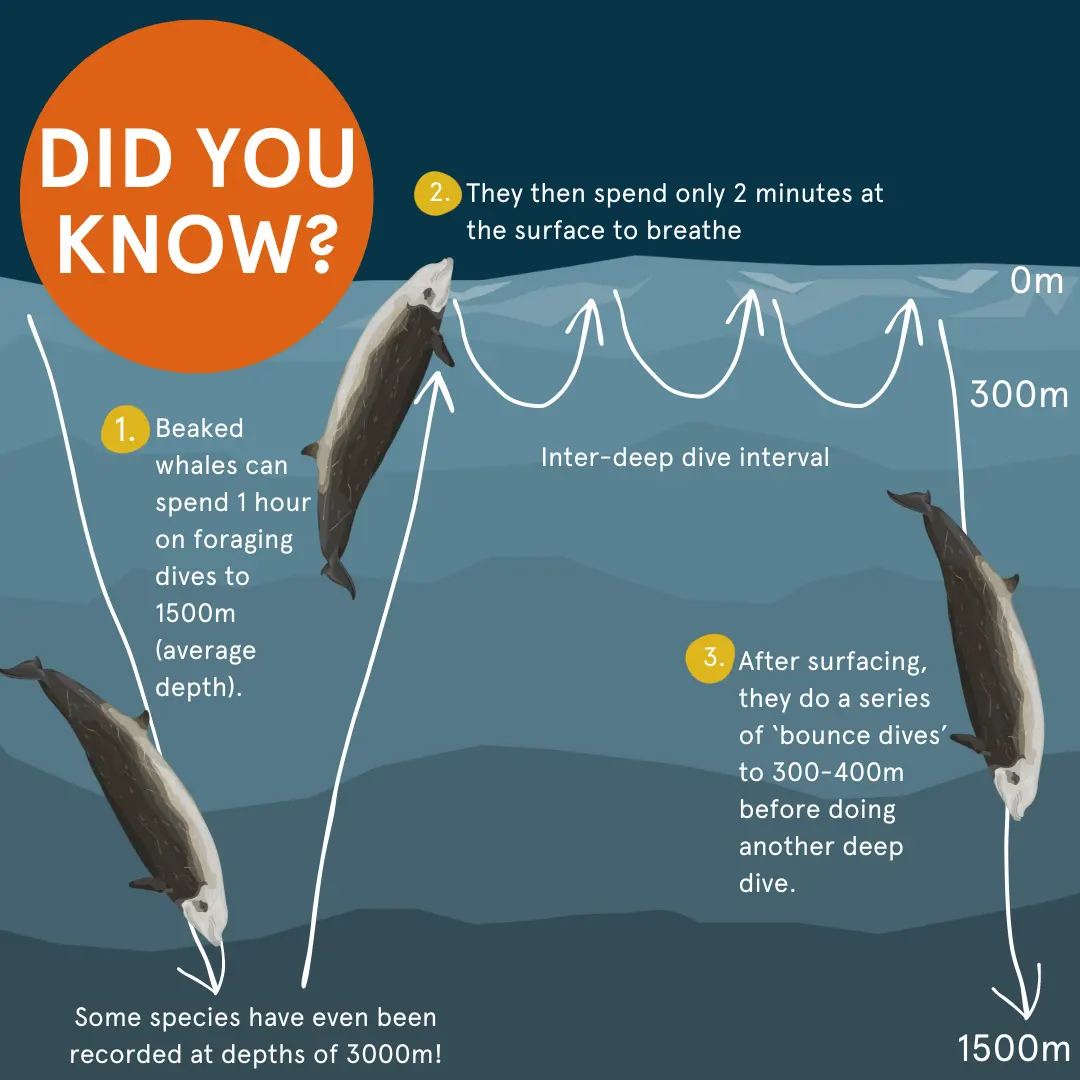
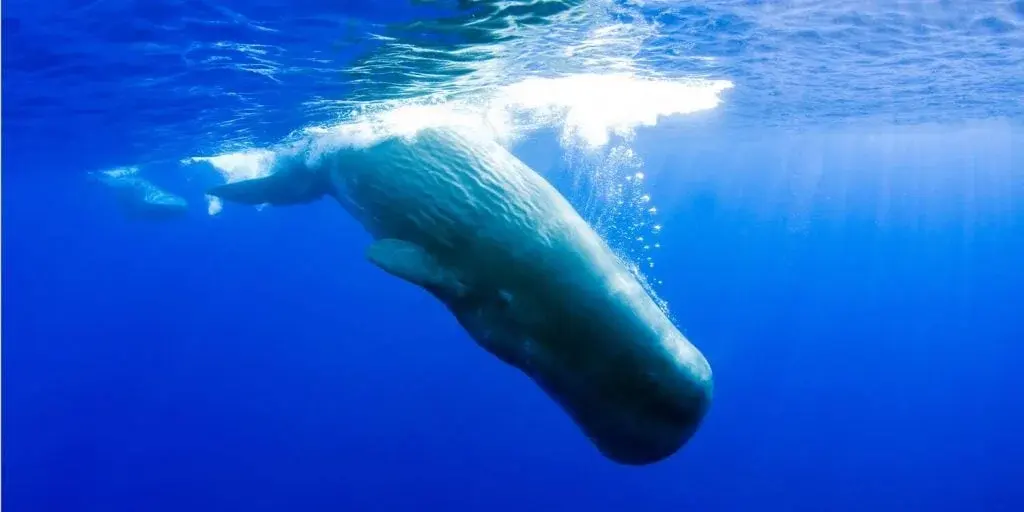
In contrast, toothed whales—specifically the beaked whales and sperm whales—are the true masters of the deep. These species hunt squid and deep-sea fish that reside in the mesopelagic and bathypelagic zones. The Cuvier’s beaked whale currently holds the record for the deepest dive, reaching 2,992 meters in 2014. Sperm whales are also highly capable, regularly descending to depths between 1,000 and 2,000 meters to hunt giant squid in the darkness of the midnight zone.
Why can whales dive so deep?
Whales have evolved unique biological mechanisms to withstand the crushing pressures of the deep ocean. At 2,000 meters, the pressure is roughly 200 times greater than at the surface, which would collapse the lungs of most terrestrial mammals. To counter this, whales have flexible rib cages that allow their lungs to collapse safely under pressure. This collapse prevents nitrogen from entering the bloodstream, which helps the animals avoid the dangerous condition known as "the bends" when they return to the surface.
Beyond structural adaptations, these animals possess high concentrations of myoglobin in their muscles. Myoglobin is a protein that binds oxygen, allowing whales to store vast amounts of it in their tissues rather than just in their lungs. They also exhibit a "dive reflex," which includes:
- A significant slowing of the heart rate, known as bradycardia.
- The redirection of blood flow away from non-essential organs toward the brain and heart.
- An increased tolerance to carbon dioxide and lactic acid buildup in the muscles.
How long can whales stay underwater?
The duration of a dive is just as impressive as the depth. While shallow divers like humpback whales typically surface every 10 to 15 minutes, deep divers can remain submerged for extraordinary periods. A sperm whale can stay underwater for over an hour, while beaked whales have been recorded holding their breath for nearly four hours. These long durations are necessary because the travel time to reach the deep-sea feeding grounds is significant.
The ability to remain submerged for these lengths depends on the whale's metabolic efficiency. By gliding during descent and ascent, whales conserve energy and minimize oxygen consumption. They also utilize a specialized circulatory system that allows them to operate effectively even when oxygen levels in their blood drop to levels that would cause a human to lose consciousness. This mastery of breath-holding is the result of millions of years of evolutionary refinement in the marine environment.
How do researchers track whale diving?
Scientists study these deep-sea maneuvers using advanced telemetry and tagging technology. Small, suction-cup-mounted devices are attached to the backs of whales, often using long poles from a boat. These tags contain sensors that record depth, temperature, and even acoustic data to track the animal's movements in three dimensions. This data is transmitted via satellite when the whale surfaces, providing a detailed map of their vertical migration patterns.
To successfully track these animals, researchers follow these standard protocols:
- Locate a pod of whales and identify individuals by their surfacing behavior.
- Approach the animal carefully to minimize stress and ensure the tag is placed on the dorsal surface.
- Monitor the data stream for several days or weeks before the tag detaches and floats to the surface for recovery.
- Analyze the pressure and time stamps to correlate diving behavior with known bathymetric features of the ocean floor.
Common mistakes when interpreting whale diving data
One common error is assuming that all whales within a single species dive to the same depths. Individual variation is significant; age, sex, and local environmental conditions can drastically change diving habits. For example, a lactating female may stay in shallower waters to stay closer to her calf, whereas a solitary male might venture much deeper to find larger prey. Researchers must account for these behavioral differences to avoid drawing broad, inaccurate conclusions about the species as a whole.
Another mistake is failing to account for the "surface interval" required between deep dives. After a record-breaking plunge, a whale requires a period of recovery to clear carbon dioxide and replenish oxygen stores. If observers only focus on the dive depth, they may overlook the critical importance of the time spent at the surface. Understanding the full dive cycle—including the descent, the foraging period at depth, the ascent, and the recovery phase—is essential for gaining a complete picture of how these magnificent creatures survive in the deep sea.
Key facts
- The Cuvier’s beaked whale holds the record for the deepest dive, reaching depths of nearly 3,000 meters (9,842 feet).
- Sperm whales regularly dive to depths of 1,000 to 2,000 meters to hunt for giant squid in the deep ocean.
- Most whale species, such as humpbacks and grey whales, typically stay within the top 200 meters of the water column.
- Whales avoid "the bends" by having flexible rib cages that collapse under extreme pressure, preventing nitrogen from entering the bloodstream.
- A common mistake is assuming all whales are deep divers; many baleen whales feed primarily near the surface.
- To estimate a whale's dive capacity, look at its lung volume and the concentration of myoglobin in its muscles, which stores oxygen.
The bottom line
Whales exhibit remarkable physiological adaptations that allow them to explore the ocean’s darkest depths. While deep-diving specialists like the Cuvier’s beaked whale can plunge nearly three kilometers, most species remain in shallower waters to feed. By collapsing their lungs and storing oxygen in their muscles, these marine giants safely navigate extreme pressure, demonstrating an evolutionary mastery of the underwater environment that remains a pinnacle of biological engineering.
People also ask
How long can whales hold their breath underwater?
Most deep-diving whales can hold their breath for 30 to 90 minutes. Cuvier’s beaked whales have been recorded staying submerged for over three hours during extreme dives.
Do whales get decompression sickness like human divers?
Whales have evolved biological adaptations to prevent decompression sickness. Their collapsible lungs and specialized blood chemistry allow them to manage nitrogen levels safely during rapid ascents.
Why do whales dive so deep into the ocean?
Whales dive primarily to hunt for food sources like squid, crustaceans, and deep-sea fish. These depths provide access to prey that is not available in the sunlit surface waters.
How do scientists track how deep a whale dives?
Researchers use satellite-linked time-depth recorders (TDRs) attached to the whale's skin via suction cups. These devices log pressure, temperature, and movement data throughout the animal's dive cycle.
Can all whales dive to the same depth?
No, diving depth varies significantly by species and hunting strategy. While beaked and sperm whales are specialized deep-sea hunters, baleen whales like the blue whale usually stay in shallower zones.
Does water pressure hurt whales at great depths?
Whales are structurally adapted to withstand immense pressure. Their bodies contain very little air in their sinuses and middle ears, which prevents the internal crushing that would affect land mammals.
This answer was created with the help of AI research tools and reference sources. Spotted an error? Let us know — we correct mistakes quickly. See our editorial policy.