Where do humpback whales live?
Short answer
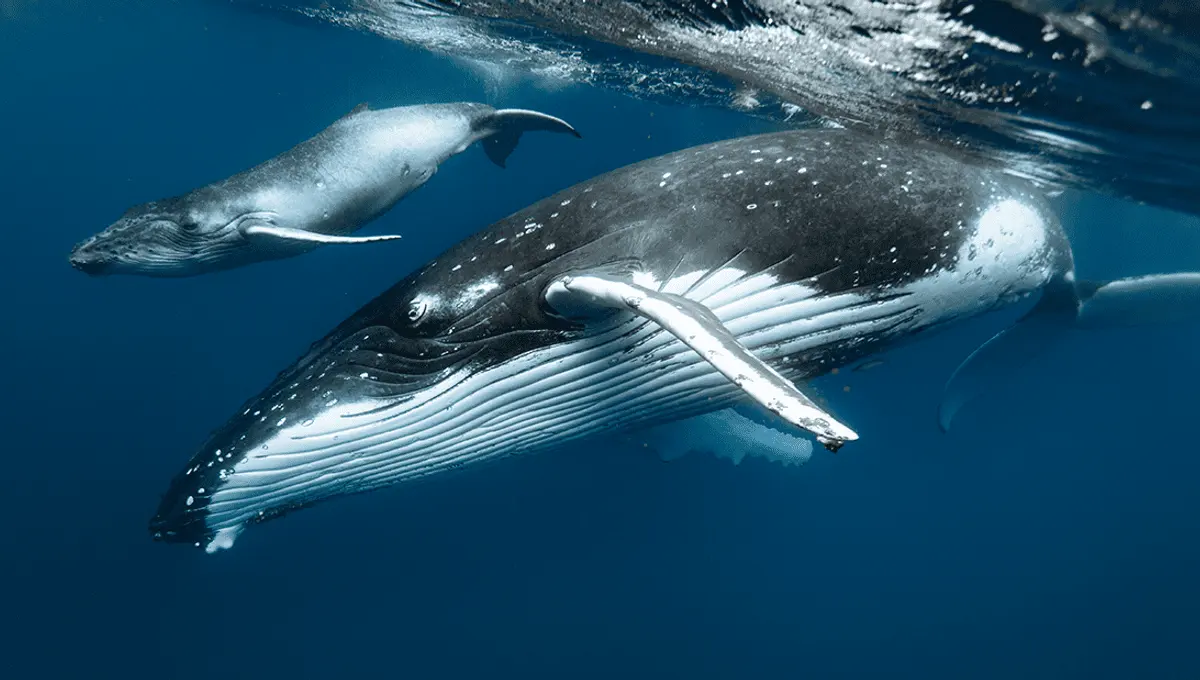
Humpback whales inhabit all major oceans across the globe, from tropical breeding grounds near the equator to nutrient-rich polar feeding zones. They are highly migratory mammals, traveling thousands of miles annually between these distinct habitats. While they favor coastal waters, they can be found in both open oceans and near shorelines.
On this page
Where do humpback whales live throughout the year?
Humpback whales follow a predictable seasonal migration pattern that dictates their location throughout the year. During the summer months, they reside in high-latitude polar waters, such as the Gulf of Alaska, Antarctica, and the North Atlantic. These cold, nutrient-rich environments provide an abundance of krill and small schooling fish, which are essential for building the fat reserves needed for their long journeys.
As winter approaches and temperatures drop, these whales migrate toward warmer, tropical, or subtropical waters near the equator. These regions, including Hawaii, the Caribbean, and parts of Australia, serve as critical breeding and calving grounds. The warmer water is safer for newborn calves, which lack the thick layer of blubber required to survive in freezing polar temperatures. This cycle of migration is one of the longest of any mammal on Earth, often covering up to 5,000 miles in a single direction.
How to spot humpback whales in the wild?
Observing humpback whales requires patience, the right equipment, and knowledge of local seasonal patterns. To successfully spot them, you should focus on coastal areas during the peak months of their migration. Many regions offer guided boat tours that provide the best chance of seeing these animals, as captains are trained to locate whale activity using sonar and visual cues.
If you are planning a whale-watching excursion, consider these steps to improve your experience:
- Research the specific migration season for your chosen destination to ensure whales are present.
- Bring high-quality binoculars to scan the horizon for "blows," which are the misty sprays of water whales exhale.
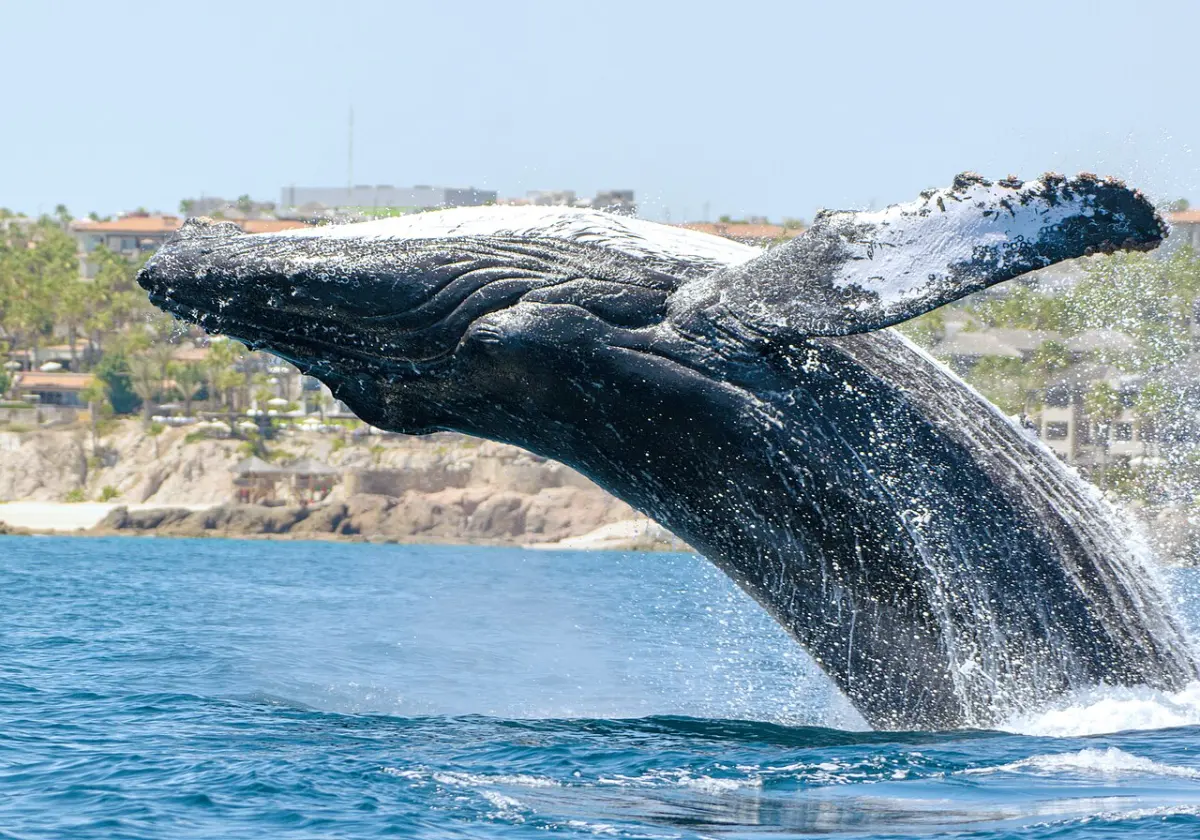
- Look for surface behaviors such as breaching, tail slapping, or pectoral fin waving, which indicate active whales.
- Choose a reputable tour operator that follows strict wildlife protection guidelines to minimize stress on the animals.
Why do humpback whales migrate between oceans?
The primary driver for humpback migration is the balance between feeding and reproduction. The cold polar waters are highly productive, meaning they contain massive amounts of plankton and krill that fuel the whales during the summer. However, these environments are too harsh for nursing calves, which need the stable, warm temperatures of tropical waters to develop properly.
Furthermore, the whales essentially fast during their time in the tropics. They rely almost entirely on the energy stores they accumulated while feeding in the north or south. By moving between these two distinct environments, humpbacks maximize their survival chances by utilizing the best available resources for each stage of their life cycle. This dual-habitat strategy has allowed the species to thrive across nearly every ocean basin on the planet, despite the immense physical toll that such long-distance travel requires of their bodies.
Common mistakes when tracking humpback whales
One of the most frequent errors people make is assuming that humpback whales are present in a specific location year-round. Because these whales are migratory, visiting a tropical destination in the summer or a polar region in the winter will likely result in disappointment. Always verify the local "whale season" before booking travel, as these windows can shift slightly based on ocean temperatures and food availability.
Another common mistake involves poor observation etiquette, which can disturb the whales and lead to legal issues. To ensure a safe and respectful interaction, follow these guidelines:
- Maintain a legal distance from the whales at all times to avoid interfering with their natural behavior.
- Avoid making loud noises or sudden movements if you are on a small vessel near a pod.
- Never attempt to feed or touch the whales, as this is dangerous for both humans and the animals.
- Respect the captain’s instructions regarding speed and positioning to prevent accidental collisions.
Where are the best places to see humpback whales?
Several locations around the world are world-renowned for their high concentrations of humpback whales. In the Northern Hemisphere, Hawaii is a premier destination, particularly the waters around Maui, where thousands of whales gather to mate and give birth from December to April. Similarly, the coasts of Alaska offer spectacular viewing opportunities during the summer months when the whales are actively feeding on massive schools of herring.
In the Southern Hemisphere, the waters off the coast of Queensland, Australia, provide a stunning backdrop for whale watching as the population migrates toward the Great Barrier Reef. Another notable location is the Silver Bank in the Dominican Republic, which serves as a protected sanctuary for humpback calving. Regardless of where you choose to go, the key to a successful sighting is aligning your visit with the peak of the migration season. By understanding these geographical preferences, you can better appreciate the vast, global nature of the humpback whale's habitat and the incredible distances these majestic creatures cover throughout their long and complex lives.
Key facts
- Humpback whales inhabit every major ocean in the world, migrating between polar feeding grounds and tropical breeding grounds.
- They are known for having one of the longest annual migrations of any mammal, traveling up to 5,000 miles each way.
- During summer months, they congregate in high-latitude, nutrient-rich waters like Alaska, Antarctica, and the Gulf of Maine.
- In winter, they migrate to warm, shallow tropical waters near Hawaii, the Caribbean, or Australia to mate and give birth.
- When whale watching, always maintain a distance of at least 100 yards to avoid disturbing their natural behaviors.
- Avoid chasing or encircling whales with boats, as this can cause them stress and disrupt their essential resting or nursing patterns.
The bottom line
Humpback whales are truly global citizens, spending their lives traveling vast distances between cold, food-rich polar regions and warm, sheltered tropical breeding grounds. By understanding their seasonal migration patterns, observers can better appreciate these majestic marine mammals in their natural habitats. Whether feeding in the north or calving in the south, these whales rely on specific oceanic environments to survive and thrive throughout the year.
People also ask
How do humpback whales navigate during their long migrations?
Scientists believe they use a combination of the Earth's magnetic field, the position of the sun, and underwater topography to navigate. They also likely rely on acoustic cues and memory to find the same feeding and breeding grounds year after year.
Do humpback whales stay in the same place all year?
No, they are highly migratory animals that shift their location based on the seasons. They spend the summer feeding in cold, productive waters and the winter in warm, protected tropical waters to reproduce.
Are there different populations of humpback whales?
Yes, there are several distinct populations globally, often referred to as stocks. These groups generally remain isolated from one another and follow specific, traditional migratory routes unique to their region.
Can you see humpback whales from the shore?
In many locations, such as Maui or the coast of South Africa, you can spot humpbacks from the beach. Using binoculars, look for "blows" (spouts of water) or breaches, where the whale leaps partially or fully out of the ocean.
Why do humpback whales choose tropical waters for calving?
Calves are born with very little blubber and cannot survive in freezing polar temperatures. The warm, shallow tropical waters provide a safe, energy-efficient environment for mothers to nurse their young until they grow strong enough for the journey north.
Do humpback whales ever cross the equator?
Yes, some populations cross the equator during their migration. However, they generally do not mix with populations from the opposite hemisphere, as their breeding cycles are timed to their respective winter seasons.
This answer was created with the help of AI research tools and reference sources. Spotted an error? Let us know — we correct mistakes quickly. See our editorial policy.