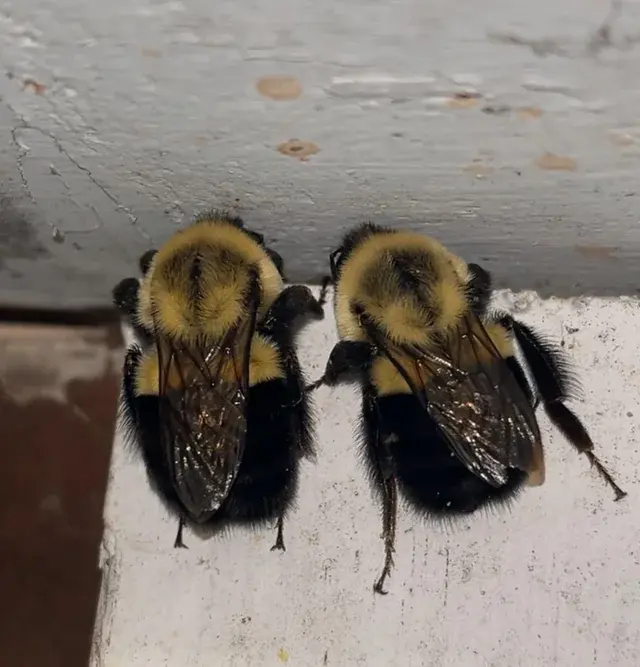
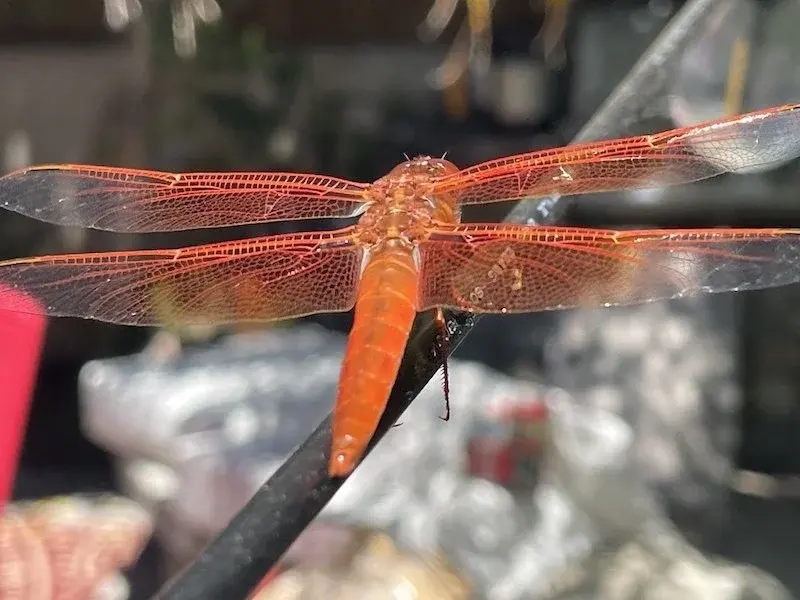
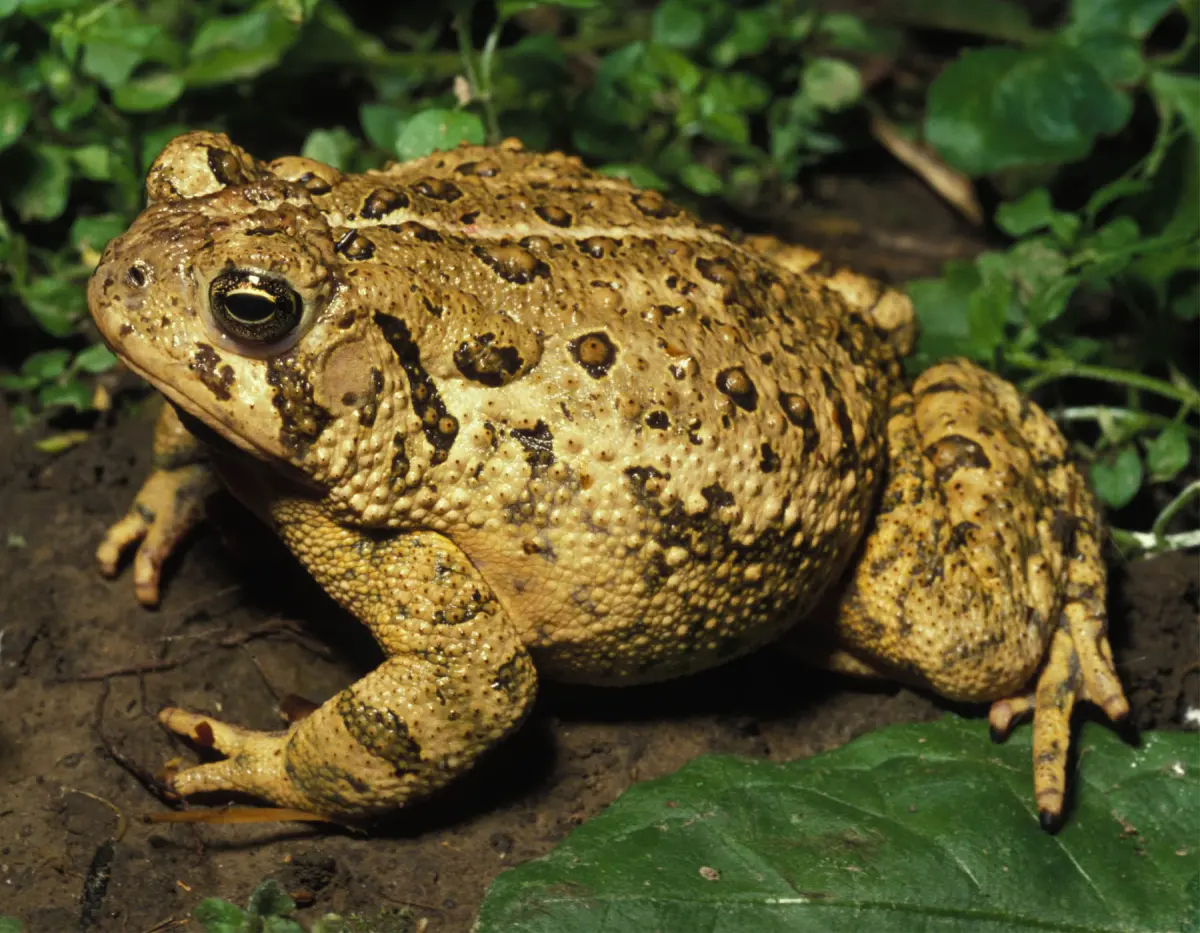
What is symbiosis?
Short answer
Symbiosis is a close, long-term biological interaction between two different species living in direct contact. These relationships can be beneficial, neutral, or harmful to the organisms involved. First described by Anton de Bary in 1879, symbiosis drives evolutionary adaptation and is essential for the survival and diversity of life on Earth.
On this page
What are the different types of symbiosis?
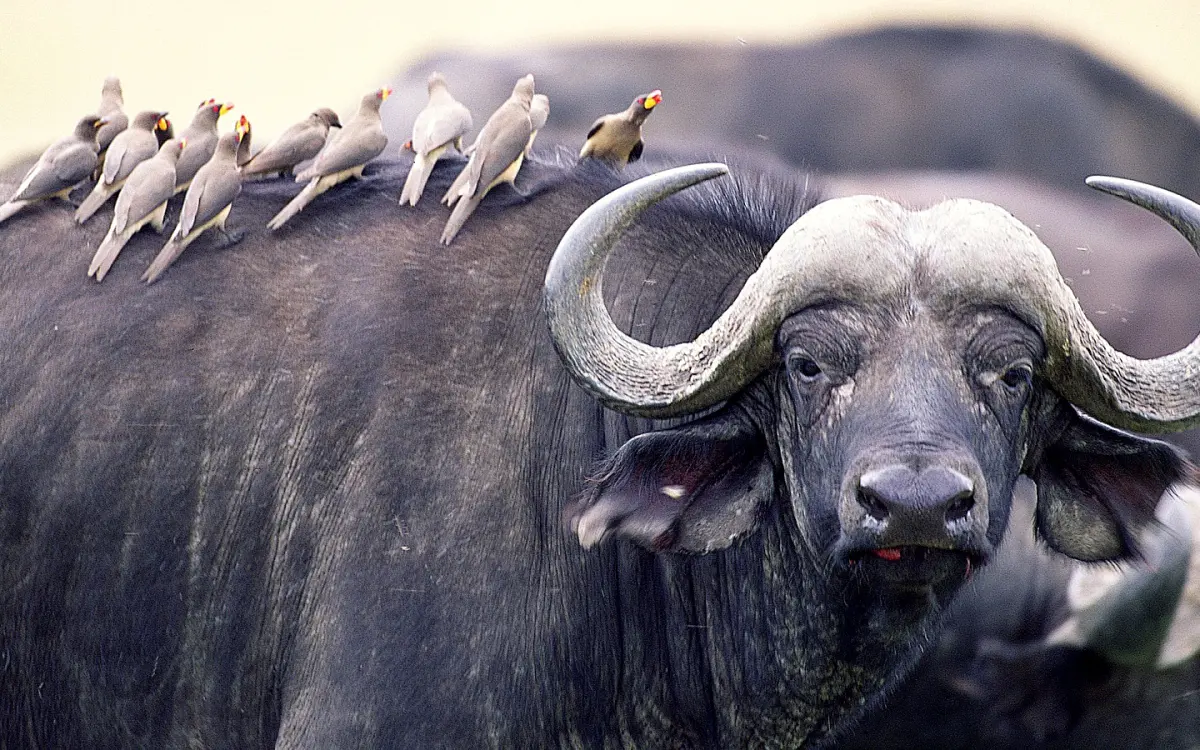
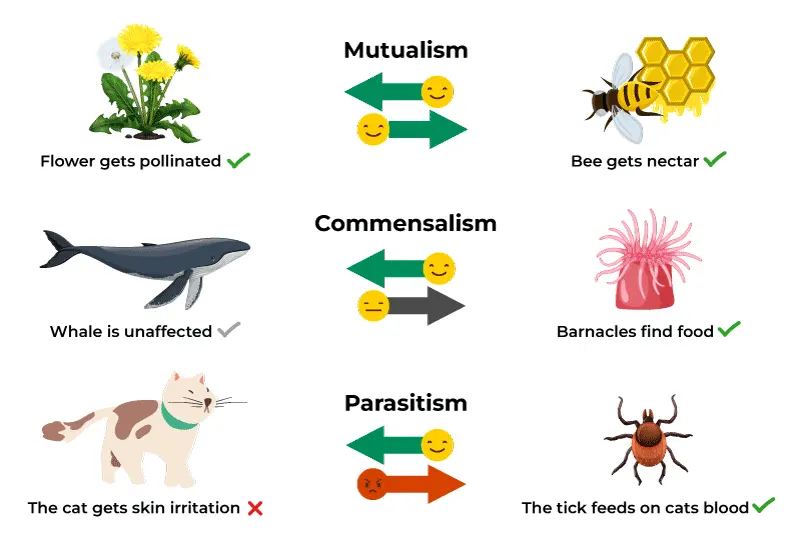
Biologists categorize symbiotic relationships based on how each participant is affected by the interaction. These classifications help scientists understand the complex dynamics of ecosystems and how species rely on one another for survival. The three primary types are defined by the net outcome for the organisms involved:
- Mutualism: Both species benefit from the interaction, such as bees pollinating flowers while gathering nectar.
- Commensalism: One species benefits while the other is neither helped nor harmed, like barnacles attaching to whales.
- Parasitism: One organism benefits at the expense of the host, often causing the host harm or death.
These categories are not always rigid, as some relationships may shift depending on environmental conditions. For example, a fungus that is typically beneficial to a plant might become parasitic if the plant's health declines significantly. Understanding these nuances is key to grasping how life forms coexist across various habitats, from deep-sea vents to the human gut microbiome.
Why does symbiosis happen in nature?
Symbiosis primarily evolves as a strategy for survival in competitive environments. By forming partnerships, organisms can access resources that would otherwise be unavailable to them, such as nutrients, protection, or specialized habitats. This evolutionary pressure often leads to extreme physiological specialization, where one species becomes entirely dependent on another for its basic life functions.
Natural selection favors these partnerships when the combined survival rate of the pair exceeds what either could achieve alone. Over millions of years, these interactions can lead to co-evolution, where the genetic traits of both species change in response to one another. This process is evident in the development of mitochondria within eukaryotic cells, which originated from an ancient symbiotic event where one bacterium engulfed another. These relationships are the foundation of global biodiversity, ensuring that even in harsh climates, life finds a way to persist through cooperation and resource sharing.
How to observe symbiosis in your garden
You do not need a laboratory to witness these biological wonders; your local environment is likely teeming with symbiotic activity. Observing these interactions requires patience and a basic understanding of what to look for in common plant and animal behaviors. Follow these steps to begin your own field observations:
- Identify local pollinators like bees or butterflies and track which specific flower species they visit most frequently.
- Examine the roots of leguminous plants, such as peas or beans, to look for small nodules containing nitrogen-fixing bacteria.
- Look for lichens on tree bark or rocks, which are a classic example of a partnership between fungi and algae.
- Keep a journal to record the frequency and duration of these interactions over several weeks.
Avoid disturbing the organisms during your observation, as human interference can disrupt delicate ecological balances. By documenting these patterns, you can gain a deeper appreciation for the interconnectedness of your local ecosystem and the vital roles different species play in maintaining environmental health.
Common mistakes when identifying symbiosis
A frequent error is misinterpreting simple predation or competition as a form of symbiosis. Symbiosis requires a prolonged, intimate physical association, whereas a predator-prey interaction is typically brief and ends in the death of one participant. Another common mistake is assuming that all symbiotic relationships are inherently "good" or "kind," ignoring the reality of parasitism.
People often overlook the microscopic world, assuming symbiosis only occurs between large animals or plants. In reality, the most significant symbiotic relationships often occur at the cellular level, such as the bacteria in your digestive tract that assist with nutrient absorption. When identifying these relationships, always consider the long-term impact on both species rather than just a single moment of interaction. Failing to account for the duration of the relationship or the specific biological costs and benefits often leads to incorrect classifications of these complex natural phenomena.
How does symbiosis affect human life?
Human existence is fundamentally tied to symbiotic relationships, many of which are invisible to the naked eye. Our own health is heavily dependent on the trillions of microorganisms living in our gut, which help digest food and synthesize essential vitamins. Without these tiny partners, humans would struggle to survive in many environments, highlighting the necessity of these biological bonds.
Beyond the body, humans rely on symbiosis for agriculture and environmental stability. Mycorrhizal fungi form symbiotic networks with crop roots, significantly increasing the plant's ability to absorb water and phosphorus from the soil. This natural process reduces the need for synthetic fertilizers and promotes healthier, more resilient harvests. As we continue to study these interactions, we find that protecting symbiotic species is essential for sustainable farming and climate resilience. Recognizing these connections allows us to better manage natural resources and appreciate the intricate, life-sustaining web that supports every human being on the planet today.
Key facts
- Symbiosis is a long-term biological interaction between two different species living in close physical proximity.
- Mutualism is a type of symbiosis where both organisms benefit, such as bees pollinating flowers while collecting nectar.
- Commensalism occurs when one organism benefits while the other is neither helped nor harmed, like barnacles attaching to whales.
- Parasitism involves one organism benefiting at the expense of another, such as ticks feeding on the blood of mammals.
- Obligate symbiosis occurs when one or both organisms rely entirely on the other for survival, as seen in lichens.
- Facultative symbiosis allows organisms to survive independently if the relationship is broken, providing flexibility in changing environments.
The bottom line
Symbiosis is a fundamental biological strategy defined by close, long-term interactions between distinct species. Whether through mutual benefit, neutral coexistence, or parasitic exploitation, these relationships shape the survival of countless organisms. By understanding these connections, we gain insight into how life thrives through interdependence. Recognizing these patterns helps us appreciate the complex, interconnected nature of ecosystems and the delicate balances that sustain our natural world.
People also ask
Is symbiosis always beneficial for both parties?
No, symbiosis refers to the closeness of the relationship rather than the outcome. While mutualism benefits both, parasitism results in harm to the host, and commensalism has a neutral effect on one party.
Can humans participate in symbiotic relationships?
Yes, humans host a vast microbiome in the gut consisting of trillions of bacteria. These microbes help digest food and synthesize vitamins while receiving a stable environment and nutrients from the human host.
How do scientists differentiate between symbiosis and predation?
Predation is a short-term interaction where one organism kills and consumes another for food. Symbiosis is defined by a prolonged, intimate association that often involves physiological integration rather than immediate consumption.
What is the difference between endosymbiosis and ectosymbiosis?
Endosymbiosis occurs when one organism lives inside the cells or tissues of another, such as nitrogen-fixing bacteria in plant roots. Ectosymbiosis involves an organism living on the exterior surface of another, like lice on a bird.
Can a symbiotic relationship change over time?
Yes, environmental pressures can shift relationships along the spectrum of symbiosis. For example, a commensal relationship may evolve into a parasitic one if the host's resources become scarce and the guest begins to exploit them.
Why is symbiosis important for ecosystems?
Symbiosis drives biodiversity and ecosystem stability by allowing species to occupy niches they could not survive in alone. It facilitates nutrient cycling, pollination, and protection, which are essential for the survival of complex biological communities.
This answer was created with the help of AI research tools and reference sources. Spotted an error? Let us know — we correct mistakes quickly. See our editorial policy.