What is a Japanese garden?
Short answer
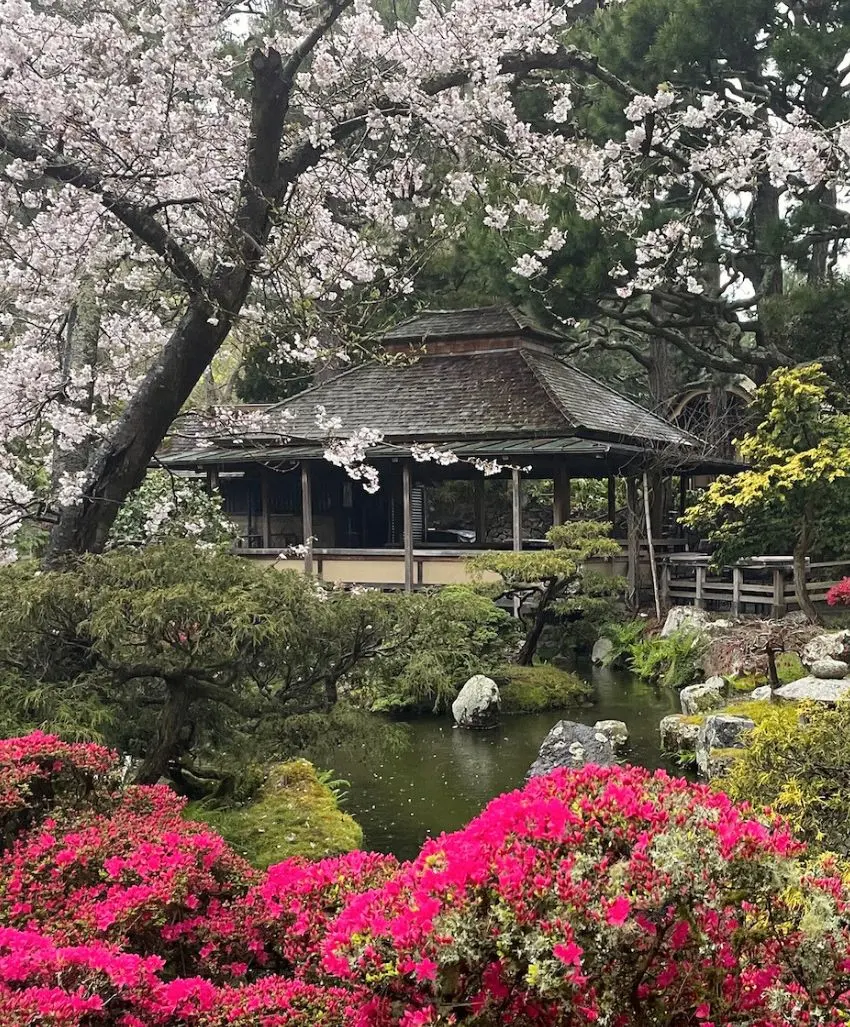
A Japanese garden is a traditional landscape design that seeks to represent nature in a miniaturized, idealized form. Rooted in Shinto, Buddhist, and Taoist philosophies, these spaces emphasize harmony, balance, and seasonal change. They utilize carefully placed stones, water features, moss, and pruned trees to evoke a sense of meditative tranquility.
On this page
What are the core elements of a Japanese garden?
The aesthetic of a Japanese garden relies on the intentional arrangement of natural materials to create a balanced composition. Designers typically prioritize asymmetry, as perfect symmetry is rarely found in the wild. The primary components include rocks, which represent mountains or islands, and water, which symbolizes the flow of time or the sea. Moss is frequently used as a ground cover to suggest age and softness, while carefully selected trees provide structure and seasonal interest.
Beyond these physical elements, the concept of shakkei, or "borrowed scenery," is essential. This technique incorporates distant views, such as mountains or forests, into the garden’s design to make a small space feel expansive. The goal is not to replicate a specific landscape exactly, but to capture its essence. By focusing on the interplay of light, shadow, and texture, the garden becomes a living painting that changes throughout the year.
How do you choose a style for your garden?
There are several distinct styles of Japanese gardens, each serving a different purpose and aesthetic goal. Choosing the right one depends on your available space, climate, and intended use for the area.
- Karesansui (Dry Landscape): Uses raked gravel or sand to represent water, ideal for small, low-maintenance spaces.
- Tsukiyama (Hill and Pond): Features artificial hills, ponds, and streams, best for larger properties.
- Chaniwa (Tea Garden): Designed specifically for the tea ceremony, focusing on a rustic, simple path leading to a tea house.
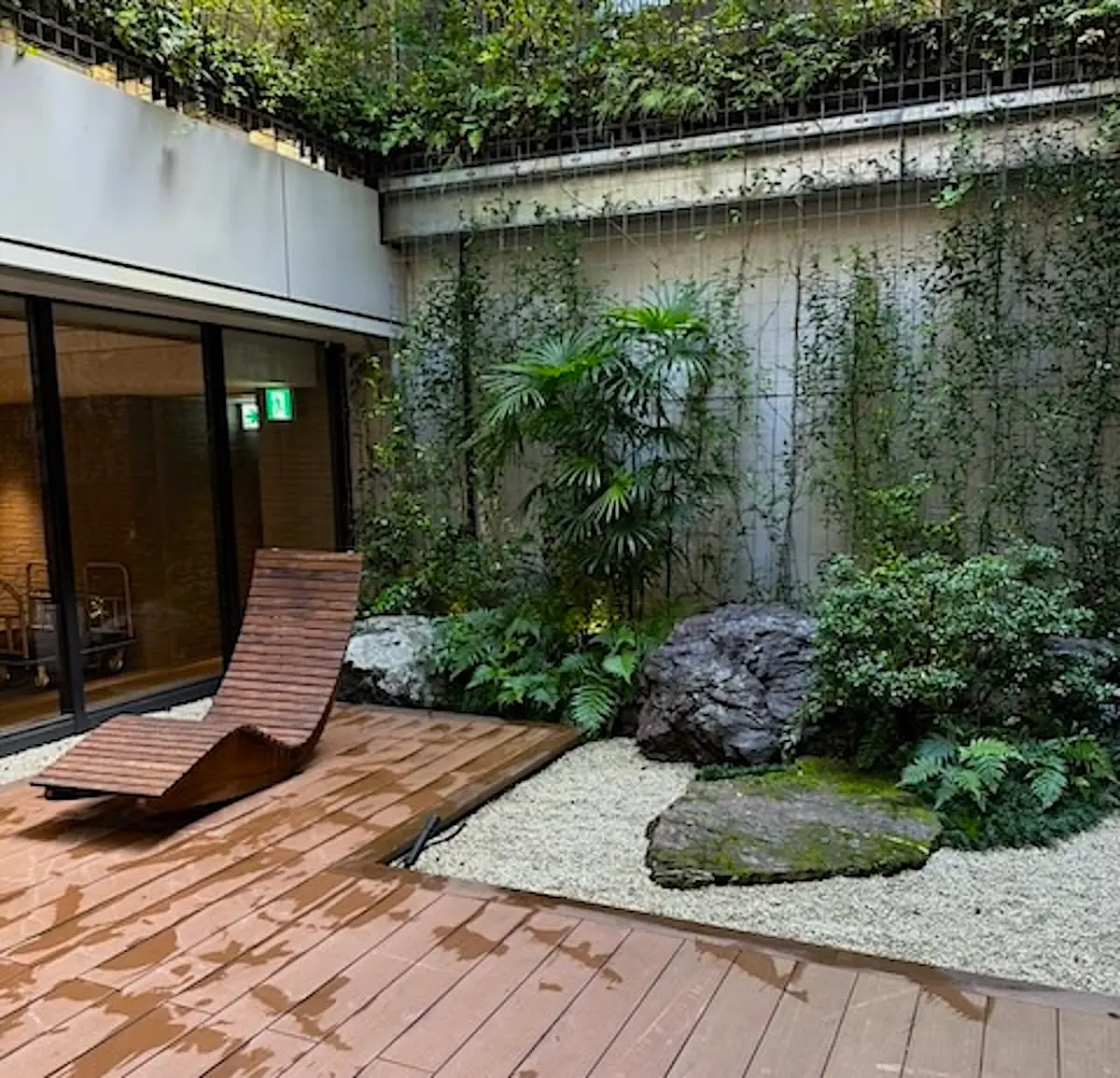
- Tsuboniwa (Courtyard Garden): Compact spaces designed to be viewed from inside a building, perfect for urban homes.
When selecting a style, consider the amount of sunlight and the natural topography of your site. A dry landscape garden is often the most practical choice for beginners, as it requires less water and avoids the complexities of managing aquatic ecosystems.
How to build a basic dry landscape garden
Creating a karesansui garden is a manageable project that focuses on the symbolic use of stone and gravel. Follow these steps to establish a foundation for your meditative space:
- Clear the area of weeds and install a high-quality landscape fabric to prevent future growth.
- Define the borders of your garden using stone edging or timber to contain the gravel.
- Place large, visually interesting rocks in groupings of three or five; these act as the "islands" or "mountains."
- Fill the remaining space with crushed granite or light-colored gravel, ensuring a depth of at least three inches.
- Use a wooden rake to create patterns in the gravel, such as ripples around stones to mimic flowing water.
Avoid placing rocks in perfectly straight lines or uniform grids. Instead, mimic natural geological formations by burying the base of each stone slightly so it appears to emerge from the earth.
What are the common mistakes when designing a garden?
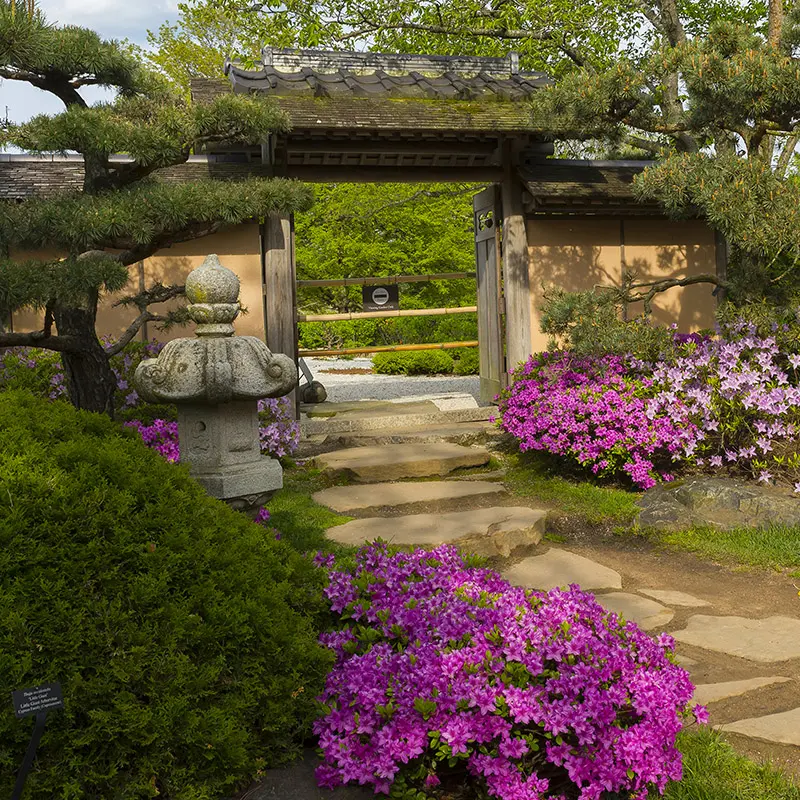
One of the most frequent errors is over-cluttering the space with too many decorative items. Japanese garden design is rooted in the principle of ma, or empty space, which allows the viewer's eye to rest. Adding too many lanterns, statues, or bridges disrupts the harmony and makes the garden feel chaotic rather than serene. Keep your focal points limited to ensure each element has enough room to be appreciated individually.
Another common mistake is failing to account for the long-term growth of plants. Beginners often plant trees and shrubs too close together, leading to overcrowding as they mature. This blocks sightlines and creates an unkempt appearance that contradicts the refined nature of the style. Always research the mature size of your plants before digging. Finally, avoid using bright, artificial colors that clash with the muted, natural palette of stone, wood, and deep green foliage.
Why is maintenance important for Japanese gardens?
Maintenance in a Japanese garden is not merely a chore; it is a form of active meditation. Regular pruning, known as niwaki, is essential to keep trees looking like mature, wind-swept specimens. By removing dead wood and thinning out dense foliage, you allow light to penetrate the center of the tree, which promotes long-term health. This practice requires patience and a gentle hand, as the goal is to enhance the tree's natural shape rather than force it into a rigid geometric form.
In addition to pruning, keeping the garden clean is vital to its psychological impact. Raking gravel, clearing fallen leaves from stone paths, and managing moss growth are daily or weekly rituals that keep the space feeling intentional. When the garden is well-maintained, it provides a sanctuary from the noise of modern life. By dedicating time to these tasks, you deepen your connection to the landscape and ensure the garden remains a place of quiet reflection for years to come.
Key facts
- Japanese gardens are designed to represent nature in a miniaturized, idealized form, often using the principle of shakkei, or "borrowed scenery," to incorporate distant mountains or buildings into the garden's view.
- The three primary elements used in almost every garden are stones, water, and plants, which are arranged to create a balanced, asymmetrical composition.
- Gravel or sand is frequently raked into patterns to represent water in karesansui (dry landscape) gardens, which are intended for meditation rather than walking.
- A common mistake is overcrowding; authentic gardens prioritize negative space (ma) to allow the viewer’s eye to rest and appreciate individual elements.
- Stone lanterns and water basins (tsukubai) are traditional functional ornaments, but they should be placed purposefully rather than used as random lawn decorations.
- Maintenance is essential; moss must be kept damp and free of debris, while trees are often pruned using niwaki techniques to reveal their structural beauty.
The bottom line
A Japanese garden is a thoughtful arrangement of natural elements designed to evoke a sense of serenity and connection to the landscape. By focusing on balance, asymmetry, and the deliberate use of negative space, these gardens transform outdoor areas into meditative retreats. Whether you choose a lush moss garden or a minimalist dry landscape, the core goal remains the same: creating a harmonious, timeless reflection of nature.
People also ask
What is the significance of the stone lantern?
Originally used in temple gardens to light paths at night, stone lanterns evolved into aesthetic centerpieces. They symbolize the light of knowledge and are typically placed near water basins or at the turn of a path.
Can I build a Japanese garden in a small space?
Yes, the principles of scale and perspective make these gardens ideal for small areas. By using a single focal point, such as a rock or a small maple tree, you can create a sense of depth and tranquility.
Why are Japanese gardens usually asymmetrical?
Asymmetry reflects the natural, irregular patterns found in the wild. By avoiding perfect symmetry, designers create a more dynamic and organic flow that feels peaceful rather than rigid or artificial.
What plants are most common in these gardens?
Maples, pines, moss, and bamboo are standard choices because they provide seasonal interest and structural longevity. These plants are often chosen for their ability to be shaped and their symbolic associations with resilience or longevity.
Do these gardens require a water feature?
While water is a traditional element representing life and flow, it is not strictly necessary. Dry gardens use raked gravel or sand to mimic the movement of water, offering a minimalist alternative for drier climates.
How do I choose the right stones?
Select stones based on their shape, color, and texture, treating them as the "bones" of the garden. Avoid using too many different types of rock, as a cohesive look requires stones that appear to have come from the same geological source.
This answer was created with the help of AI research tools and reference sources. Spotted an error? Let us know — we correct mistakes quickly. See our editorial policy.