What is Holi?
Short answer
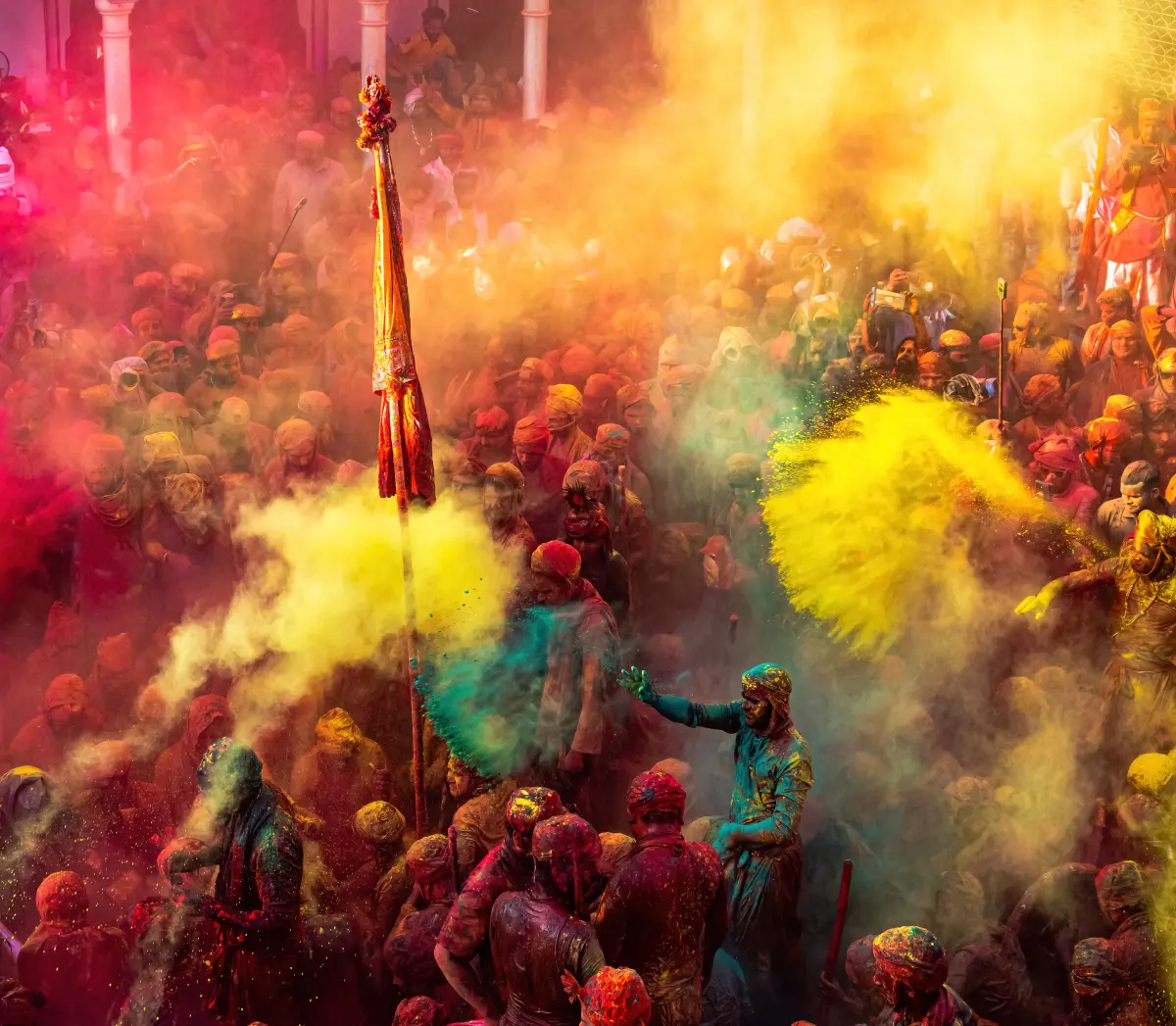
Holi is a vibrant Hindu spring festival, widely known as the Festival of Colors. Celebrated primarily in India and Nepal, it marks the arrival of spring and the triumph of good over evil. Participants joyfully throw colored powders and drench each other with water, fostering community, forgiveness, and renewed social bonds.
On this page
When is Holi celebrated each year?
Holi is determined by the Hindu lunisolar calendar, typically falling on the last full moon day of the Phalguna month. In the Gregorian calendar, this generally occurs between late February and mid-March. Because the date shifts annually based on lunar cycles, it is essential to check a local calendar each year to confirm the exact timing.
The festival spans two days. The first night, known as Holika Dahan, involves lighting large bonfires to symbolize the burning of the demoness Holika. The following day, Rangwali Holi, is the main event where people engage in the famous color play. The timing is significant as it coincides with the end of winter and the agricultural harvest, signaling a period of renewal and transition.
Why does Holi happen?
The festival is rooted in ancient Hindu mythology, most notably the legend of Prahlad and his father, King Hiranyakashipu. According to tradition, Prahlad was a devotee of Lord Vishnu, which angered his father. The king’s sister, Holika, who was immune to fire, attempted to kill Prahlad by sitting in a bonfire with him. Through divine intervention, Prahlad survived while Holika perished, establishing the festival as a celebration of righteousness.
Beyond the religious narrative, Holi serves as a social equalizer. During the festivities, traditional hierarchies of caste, age, and status are temporarily suspended. People of all backgrounds mingle in the streets, sharing sweets and applying colors to one another. This act of "coloring" serves as a gesture of affection and a way to resolve past grievances, fostering unity within the community.
How to participate in Holi safely
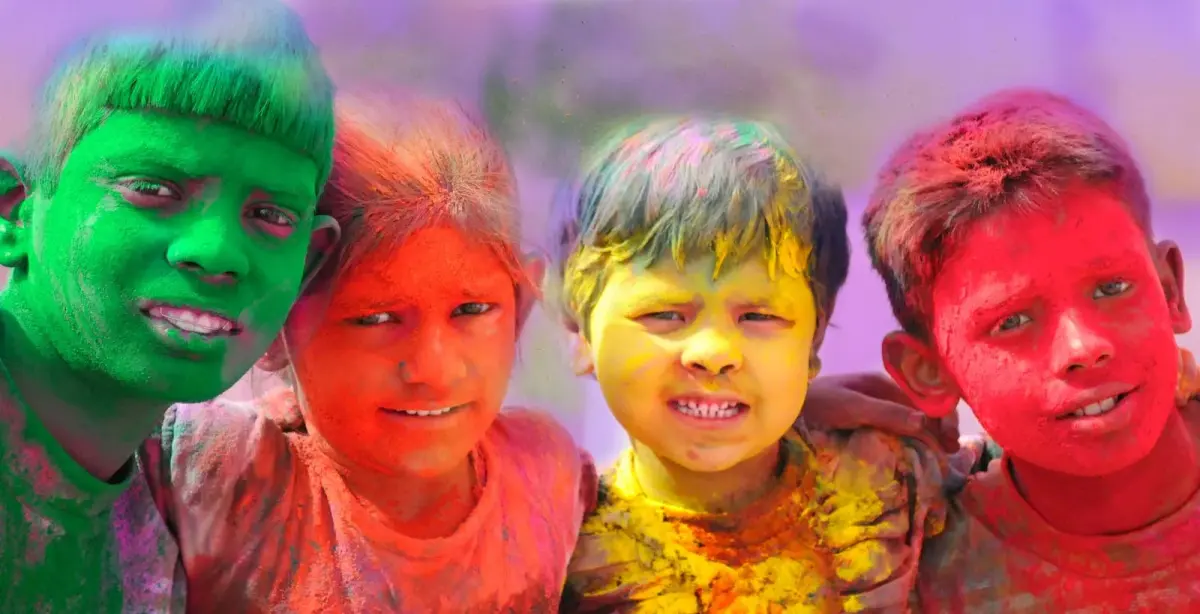
If you are attending a public Holi celebration, preparation is key to ensuring a comfortable experience. You should wear old, comfortable clothing that you do not mind staining, as the colored powders—known as gulal—can be difficult to wash out completely. Protecting your skin and hair is also highly recommended to avoid irritation from the dyes.
- Apply a thick layer of coconut or mustard oil to your skin and hair before heading out to create a protective barrier.
- Wear sunglasses or protective eyewear to prevent powder from getting into your eyes.
- Use only natural, organic, or herbal-based colors, as synthetic dyes can contain harsh chemicals that cause skin rashes or respiratory issues.
- Keep your mouth and nose covered with a light scarf if you have sensitive lungs or allergies to dust.
Common mistakes when celebrating Holi
One of the most frequent errors is using low-quality, industrial-grade synthetic colors. These dyes often contain heavy metals like lead or mercury, which can cause severe allergic reactions, skin inflammation, and eye damage. Always verify that the colors you purchase are labeled as non-toxic or herbal to ensure the safety of everyone involved.
Another common mistake is forcing color on those who do not wish to participate. While the festival is boisterous, respect for personal boundaries remains essential. It is also important to avoid using water balloons or high-pressure water guns in crowded areas, as these can cause physical injury. Being mindful of your surroundings and the comfort levels of others will ensure a positive experience for everyone.
Best tips for cleaning up after Holi
Cleaning up after the festivities can be a daunting task, but following a systematic approach makes it much easier. Do not attempt to wash the color off with hot water immediately, as this can actually set the pigments into your skin. Instead, follow these steps to remove the stains effectively:
- Use lukewarm water and a gentle, oil-based cleanser or soap to break down the pigments.
- Apply a paste made of gram flour (besan) and milk or yogurt to your skin; let it dry slightly before gently scrubbing it off to exfoliate the color.
- For stubborn stains on clothing, soak the fabric in a solution of vinegar and water before washing it with a strong detergent.
- If color remains in your hair, use a mild shampoo followed by a deep-conditioning treatment to restore moisture.
By taking these precautions and focusing on the spirit of joy and reconciliation, you can fully enjoy the vibrant traditions of this historic festival. Whether you are participating in a local neighborhood event or a larger public gathering, the essence of Holi remains the same: celebrating life, love, and the arrival of a new season.
Key facts
- Holi is an ancient Hindu spring festival, often called the "Festival of Colors" or the "Festival of Love."
- It falls on the last full moon day of the Hindu lunar month of Phalguna, typically occurring in late February or March.
- Participants celebrate by throwing gulal (colored powder) and spraying water at one another in public streets and parks.
- The festival commemorates the victory of good over evil, specifically referencing the legend of Prahlad and the demoness Holika.
- Celebrants often consume thandai, a traditional cold drink infused with spices, nuts, and sometimes bhang (a cannabis derivative).
- To protect your skin and hair, apply a generous layer of coconut or mustard oil before heading out to play with colors.
The bottom line
Holi is a vibrant, inclusive celebration that marks the arrival of spring and the triumph of good over evil. By participating in the playful exchange of colored powders, people bridge social divides and foster community bonds. Whether you are observing the traditional bonfires or joining the spirited street parties, the festival offers a unique, joyful glimpse into the rich cultural heritage and traditions of India.
People also ask
Why do people light bonfires the night before Holi?
The bonfire, known as Holika Dahan, symbolizes the burning of the demoness Holika to protect the devotee Prahlad. It represents the triumph of righteousness and faith over malevolence.
Is it safe to use any type of colored powder?
You should only use natural, organic, or herbal-based powders to avoid skin irritation or chemical burns. Avoid metallic or industrial dyes, as these often contain harmful substances like lead or mercury.
What should I wear during the festivities?
Wear old, comfortable clothing that covers most of your skin, preferably in white cotton to make the colors stand out. Expect these clothes to be permanently stained, so choose items you do not mind discarding afterward.
How do I remove the color after the celebration?
Use gentle, oil-based cleansers or a mixture of gram flour and yogurt to scrub the skin. Avoid harsh soaps or excessive scrubbing, which can damage the skin barrier and cause inflammation.
Are there specific religious rituals associated with Holi?
While it is a social celebration, many visit temples to offer prayers and apply gulal to the deity idols. The festival also serves as a time for families to mend broken relationships and exchange sweets.
Can tourists participate in Holi celebrations?
Yes, Holi is highly inclusive, and tourists are generally welcomed to join the festivities in public spaces. It is best to join a guided group or celebrate in areas known for safe, organized events to ensure a positive experience.
This answer was created with the help of AI research tools and reference sources. Spotted an error? Let us know — we correct mistakes quickly. See our editorial policy.