How do you start meal prepping?
Short answer
Meal prepping is the practice of preparing entire meals or components in advance to save time and ensure consistent nutrition throughout the week. Begin by selecting a simple menu, dedicating a specific time block for cooking, and investing in airtight storage containers to keep your pre-portioned food fresh and organized for days.
On this page
How to start meal prepping for beginners
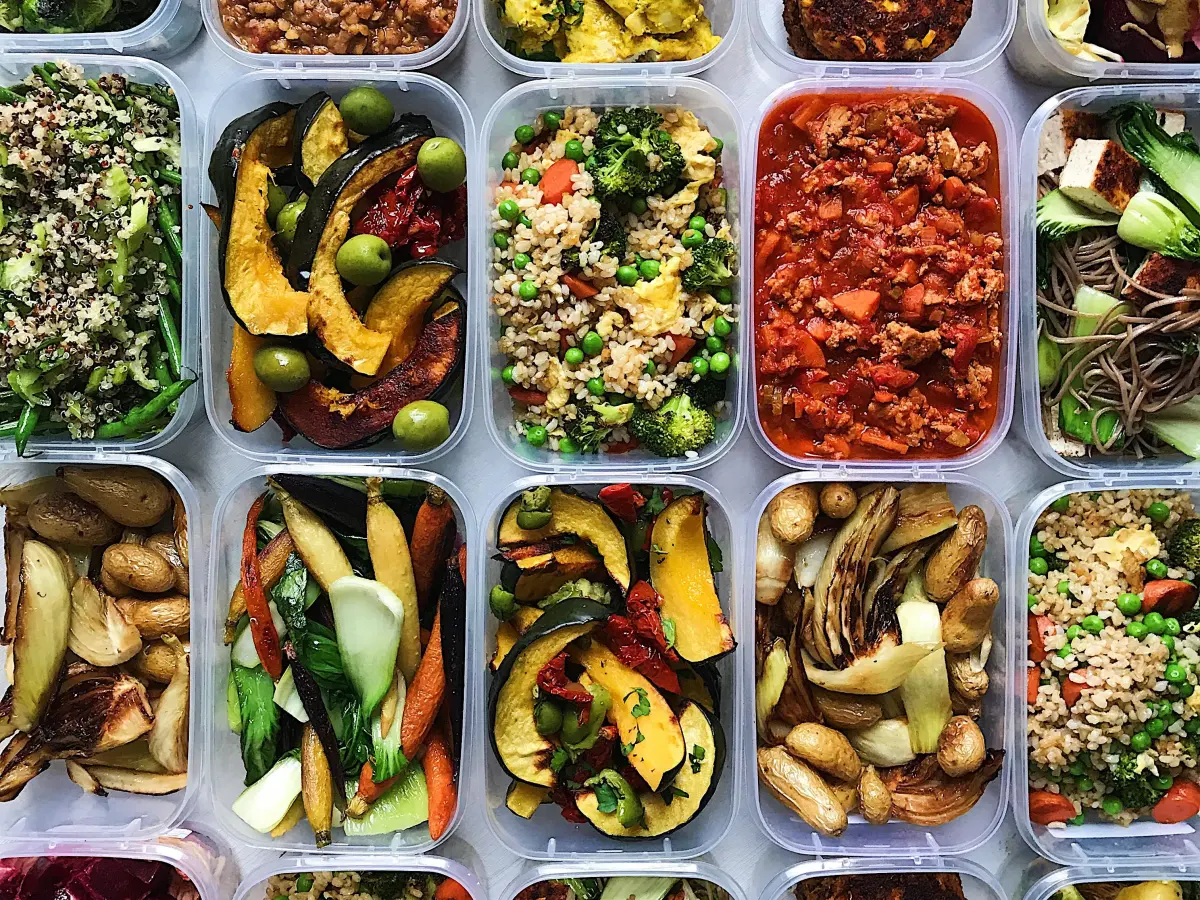
Begin by choosing one meal to prep, such as lunch or breakfast, rather than attempting to plan every single meal for the entire week. Select recipes that share common ingredients, which reduces your grocery bill and limits the amount of food waste at the end of the cycle. Focus on simple, batch-cookable items like roasted vegetables, grains, or proteins that hold up well in the refrigerator for three to four days.
Consistency is more important than complexity when you are first starting out. Dedicate two to three hours on a Sunday or your preferred day off to wash, chop, and cook your chosen ingredients. Use this time to multitask, such as roasting a tray of chicken while boiling a large pot of quinoa or brown rice. By keeping your initial efforts manageable, you avoid burnout and build a sustainable habit.
Best meal prep containers for beginners
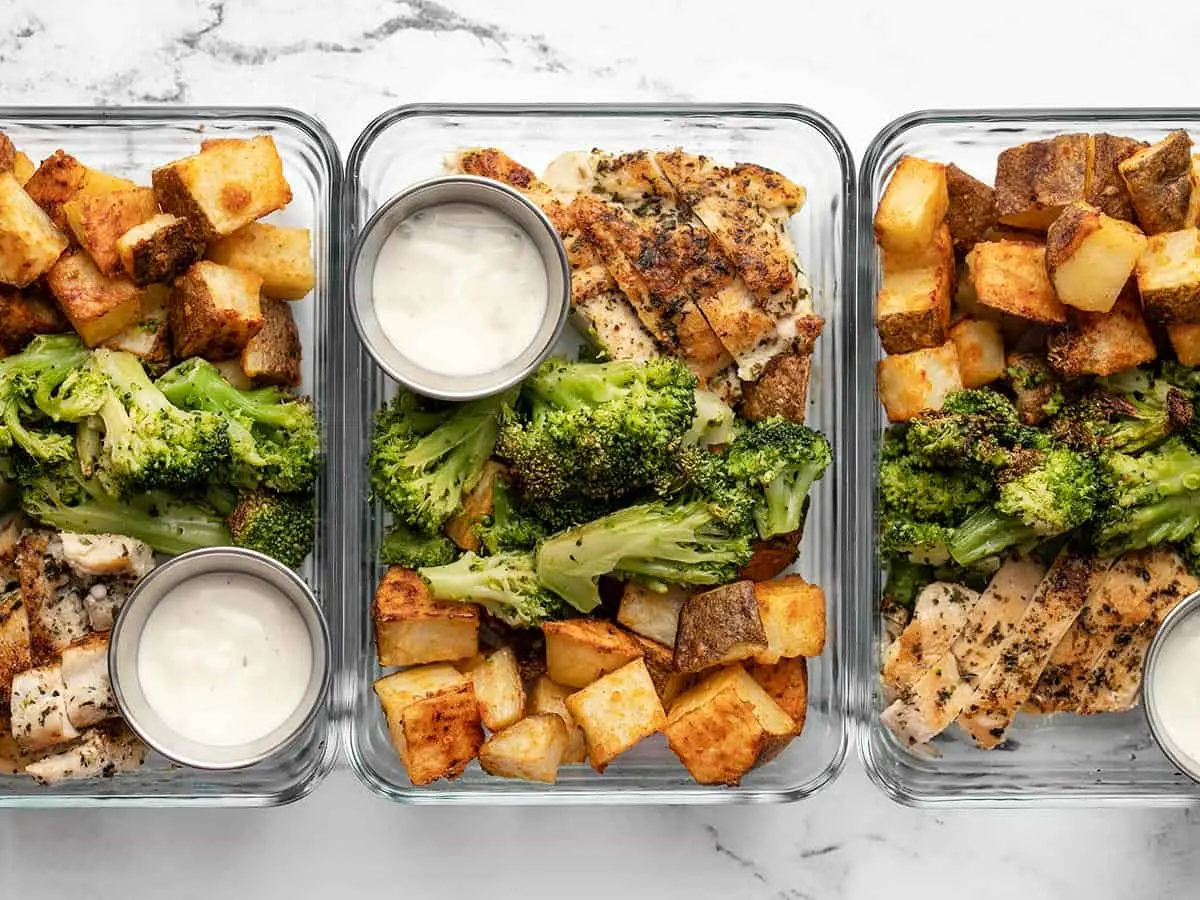
The quality of your storage containers directly impacts the freshness and appeal of your meals. Glass containers are generally superior to plastic because they do not stain, retain odors, or leach chemicals when reheated in a microwave. Look for sets that feature airtight, leak-proof lids to prevent spills and keep moisture out, which is essential for maintaining the texture of your cooked food.
When selecting your gear, prioritize containers that are uniform in size to make stacking in your refrigerator easier. Consider these essential features when shopping for your starter kit:
- Microwave, dishwasher, and freezer-safe materials.
- Compartmentalized designs to keep wet and dry ingredients separated.
- Stackable shapes that maximize vertical storage space in your fridge.
- Clear lids or labels so you can identify contents without opening them.
How long does it take to meal prep
Most beginners spend between two and four hours per week on food preparation, depending on the complexity of the recipes and the number of portions required. This time includes the initial grocery shopping, the actual cooking process, and the final portioning into individual containers. As you become more comfortable with your routine, you can streamline these tasks to reduce your total time commitment significantly.
To optimize your efficiency, follow these steps to organize your workflow:
- Review your calendar to determine how many meals you actually need for the week.
- Write a detailed grocery list based on your chosen recipes to avoid extra trips to the store.
- Clean and prep all produce before you start cooking to clear your workspace.
- Utilize your oven and stovetop simultaneously to cook multiple components at once.
- Let food cool completely before sealing containers to prevent condensation and sogginess.
Why meal prep food gets soggy
Soggy food is a common frustration caused by trapped moisture and improper cooling techniques. When hot food is sealed immediately in a container, the steam condenses into water droplets that fall back onto the meal, ruining the texture of grains and roasted vegetables. Always allow your cooked ingredients to reach room temperature before placing lids on your containers to ensure the best possible quality.
Another reason for texture loss is the storage of sauces or dressings alongside dry ingredients. To maintain the crunch of salads or the crispness of proteins, store liquid components in separate, small containers or add them just before serving. If you must mix ingredients, place the densest items like proteins at the bottom and lighter, more delicate items like leafy greens at the top to prevent them from becoming weighed down and wilted.
Common mistakes when meal prepping
One of the most frequent errors is over-prepping, which leads to food spoilage and wasted ingredients. Many beginners try to cook for seven days at once, only to realize that food quality degrades significantly after the third or fourth day. It is safer to prep for three or four days at a time, or keep some components in the freezer to be moved to the refrigerator mid-week.
Avoid these pitfalls to ensure your meal prep remains fresh and enjoyable:
- Ignoring food safety by leaving cooked items at room temperature for more than two hours.
- Choosing overly complicated recipes that require extensive cleanup or specialized equipment.
- Failing to label your containers with the date, which makes it difficult to track freshness.
- Overloading your refrigerator, which restricts airflow and prevents the unit from maintaining a safe, consistent cooling temperature.
- Forgetting to account for snacks or evening cravings, which often leads to unplanned, less healthy eating habits throughout the week.
Key facts
- Start by prepping only one meal type, such as lunches for the work week, rather than every meal.
- Use airtight, glass, or BPA-free plastic containers to keep food fresh for three to four days.
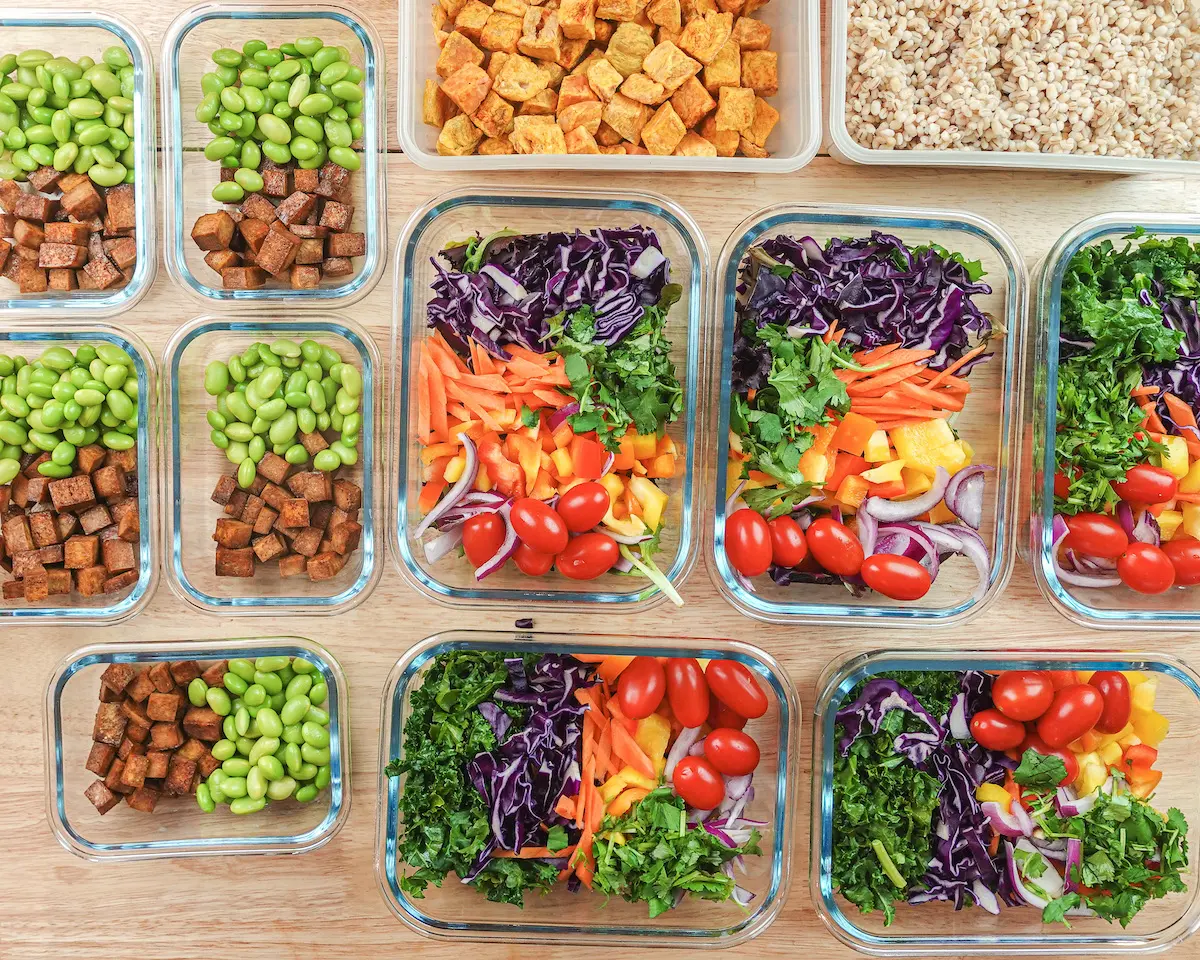
- Prioritize "mix-and-match" components like roasted vegetables, cooked grains, and grilled proteins over full recipes.
- Store dressings and sauces separately until serving to prevent salads and grains from becoming soggy.
- Dedicate a specific time, such as Sunday afternoon, to wash, chop, and cook your ingredients in bulk.
- Label containers with the date of preparation to ensure you consume meals within the safe window.
The bottom line
Meal prepping is an effective strategy for saving time and improving dietary consistency by planning and preparing portions in advance. By focusing on versatile, mix-and-match components rather than elaborate recipes, you can maintain food quality throughout the week. Start small, invest in proper storage, and prioritize food safety to transform your kitchen routine into an efficient, sustainable habit that supports your long-term health and wellness goals.
People also ask
How long can I safely store prepped meals in the refrigerator?
Most cooked meals remain safe and high-quality for three to four days when stored in an airtight container at 40°F (4°C) or below. Beyond this timeframe, the risk of bacterial growth increases and food texture significantly degrades.
Is it better to cook everything at once or prep ingredients individually?
Prepping individual components—often called "buffet-style" prepping—is more versatile than cooking complete meals. This method allows you to combine ingredients differently throughout the week, preventing flavor fatigue.
Can I freeze prepped meals to make them last longer?
Yes, many meals like soups, stews, and casseroles freeze exceptionally well for up to three months. Avoid freezing dishes with high water content, such as raw leafy greens or cucumber-based salads, as they will become mushy upon thawing.
How do I prevent my prepped food from tasting bland?
Use fresh herbs, citrus zest, or acidic splashes like vinegar at the time of serving rather than during the initial cook. Adding a crunchy element, such as toasted nuts or seeds, right before eating also improves the overall sensory experience.
What are the most common mistakes beginners make?
Beginners often try to prep too many complex recipes at once, leading to burnout and wasted food. Another frequent error is failing to cool food completely before sealing containers, which creates excess moisture and accelerates spoilage.
Which kitchen tools are essential for successful meal prepping?
A high-quality chef's knife, a large cutting board, and a set of uniform, stackable storage containers are the most important investments. A sheet pan for roasting bulk vegetables and a reliable digital scale for portioning can also streamline the process.
This answer was created with the help of AI research tools and reference sources. Spotted an error? Let us know — we correct mistakes quickly. See our editorial policy.