What do horses eat?
Short answer
Horses are non-ruminant herbivores that primarily consume forage, such as grass and hay, to maintain a healthy digestive system. They require consistent access to clean water and fiber-based nutrition. While they may receive supplemental grains or concentrates for energy, their diet must be carefully balanced to prevent metabolic issues like colic.
On this page
What should horses eat daily
The foundation of a healthy horse's diet is high-quality forage, which should make up at least 1.5% to 2% of their total body weight in dry matter every day. For a 1,000-pound horse, this equates to 15 to 20 pounds of forage. Pasture grass is the most natural food source, but when grazing is unavailable, hay—such as timothy, orchard, or coastal Bermuda—serves as the necessary substitute.
In addition to forage, horses require a constant supply of fresh, clean water. An average horse drinks between 5 and 15 gallons per day, depending on the weather, their workload, and the moisture content of their feed. Providing a salt block or loose salt is also essential to encourage water intake and replace electrolytes lost through sweat.
- Provide free-choice access to pasture or high-quality hay.
- Ensure water troughs are scrubbed and refilled daily.
- Monitor the horse's body condition score to adjust intake.
- Offer a salt block to maintain proper mineral balance.
How to choose the right horse feed
Not every horse requires grain or commercial concentrates. These supplemental feeds are designed for horses with high energy demands, such as those in heavy training, or for seniors who struggle to maintain weight on hay alone. When selecting a concentrate, look for products formulated specifically for the horse's life stage, such as growth formulas for foals or low-starch options for metabolic conditions.
If you decide to supplement, follow the manufacturer’s feeding guidelines precisely. Overfeeding concentrates can lead to obesity and digestive disturbances. Always introduce new feeds slowly over a period of 7 to 10 days to allow the horse's gut microbiome to adapt to the change in starch and sugar levels.
- Grass hay: Best for most adult horses at maintenance.
- Alfalfa hay: High in protein and calcium, ideal for growing horses or lactating mares.
- Beet pulp: A highly digestible fiber source useful for putting weight on thin horses.
- Rice bran: A fat-dense supplement used to improve coat condition and provide extra calories.
Why horses need small, frequent meals
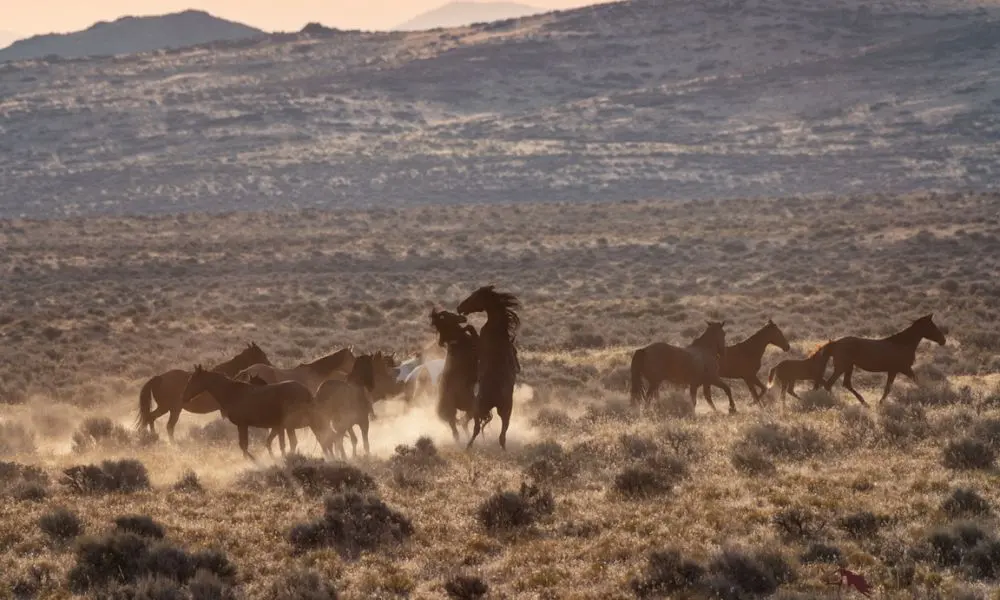
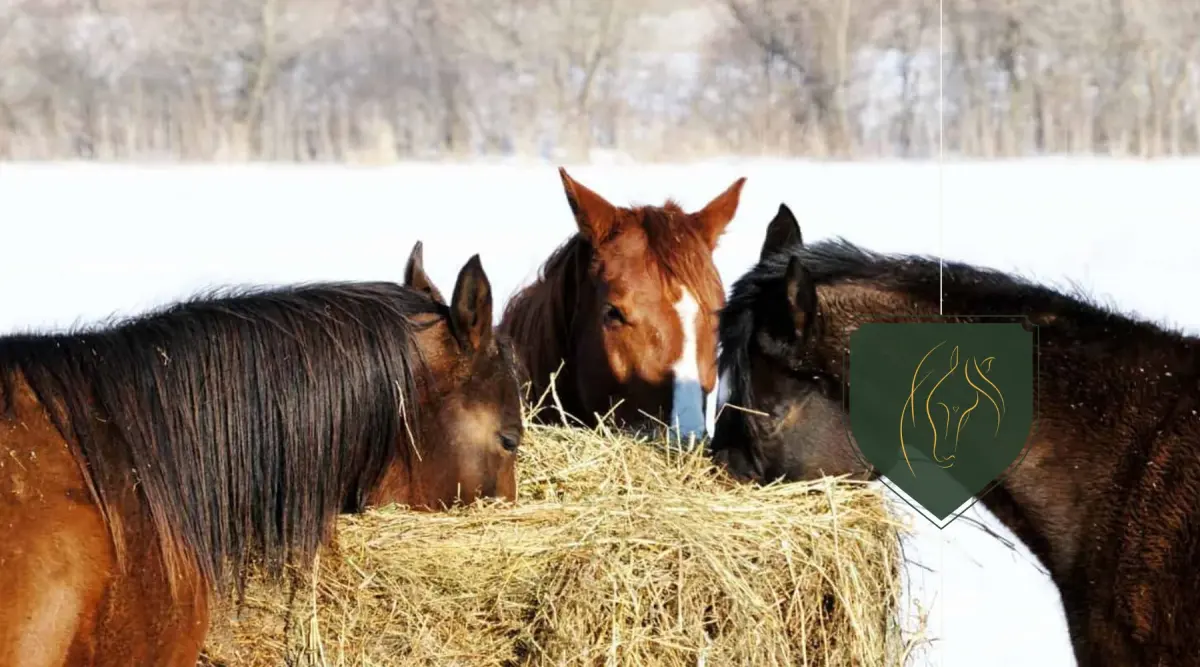
The equine digestive tract is designed for near-continuous grazing. Unlike humans, horses have a relatively small stomach and a large hindgut where fiber is fermented by bacteria. When a horse goes for long periods without food, stomach acid can build up, potentially leading to gastric ulcers. Feeding smaller portions multiple times a day mimics their natural grazing behavior.
If your horse is stalled for long periods, consider using a slow-feed hay net. These devices restrict the rate at which the horse consumes hay, effectively extending the time they spend chewing. This constant chewing produces saliva, which acts as a natural buffer for stomach acid, protecting the lining of the stomach from irritation and promoting overall gastrointestinal health.
Common mistakes when feeding horses
One of the most frequent errors is changing a horse's diet too abruptly. A sudden switch from one type of hay to another, or the rapid introduction of grain, can trigger colic or laminitis. Always mix old and new feed together, gradually increasing the ratio of the new feed until the transition is complete.
Another common mistake is feeding by volume rather than by weight. A scoop of grain can vary significantly in weight depending on the density of the product. Using a kitchen scale to determine the exact weight of your feed ensures that you are providing the correct caloric intake. Additionally, avoid feeding moldy or dusty hay, as this can lead to respiratory issues or severe colic.
Best treats for horses
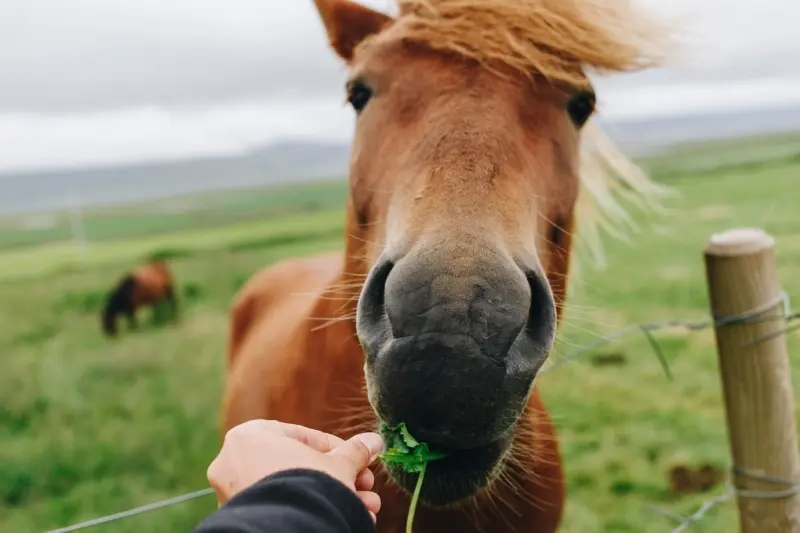
While treats are a common way to bond with a horse, they should be offered in moderation. The goal is to provide a reward without disrupting the horse's delicate nutritional balance. Safe, healthy treats include small amounts of carrots, apples, or even specialized commercial horse treats. Always remove the core and seeds from apples, as these can pose a choking hazard.
Never feed horses lawn clippings, as these can ferment rapidly and cause severe colic. Similarly, avoid feeding chocolate, onions, garlic, or any food containing caffeine, as these can be toxic. When giving treats, always ensure the horse is taking them from a flat palm to prevent accidental nipping. By keeping treats infrequent and healthy, you can reward your horse safely while maintaining their digestive health and overall well-being throughout the year.
Key facts
- Horses are non-ruminant herbivores with a specialized digestive system designed to process small amounts of forage continuously throughout the day.
- A healthy adult horse typically requires 1.5% to 2.5% of its body weight in dry forage, such as hay or pasture grass, daily.
- Fresh, clean water is critical; an average horse consumes between 5 and 10 gallons of water per day depending on workload and weather.
- Avoid feeding lawn clippings, which can ferment rapidly in the stomach and cause colic, a potentially fatal digestive condition.
- Concentrates like grains should be fed sparingly and only to supplement energy needs, as excessive starch can lead to metabolic issues.
- Salt blocks or loose salt should be provided free-choice to replace electrolytes lost through sweat and to encourage proper water intake.
The bottom line
To maintain equine health, prioritize high-quality forage as the foundation of the diet, supplemented by clean water and essential minerals. Mimic natural grazing patterns by providing frequent, small meals rather than large, infrequent portions. Avoid common hazards like lawn clippings and moldy hay, and always introduce dietary changes gradually. By focusing on fiber and consistent feeding habits, you support a healthy digestive system for your horse.
People also ask
Can horses eat apples and carrots?
Yes, these are popular treats that most horses enjoy. Always feed them in moderation and cut them into bite-sized pieces to prevent choking.
Why is it dangerous to feed a horse moldy hay?
Moldy hay contains spores and mycotoxins that can cause severe respiratory issues or systemic poisoning. Always inspect forage for dust, dampness, or off-odors before feeding.
How often should a horse be fed?
Horses should have access to forage for most of the day to mimic their natural grazing behavior. If feeding grain, split the daily ration into at least two or three smaller meals.
Is it okay to feed horses grass clippings from a lawnmower?
No, never feed lawn clippings to horses. The clippings can ferment quickly, leading to gas colic, and may contain toxic ornamental plants or chemical fertilizers.
Do horses need vitamin supplements?
Most horses receive necessary nutrients from high-quality forage and a balanced commercial feed. Consult a veterinarian before adding supplements to avoid dangerous nutrient imbalances.
What should I do if my horse stops eating?
A horse that stops eating is a medical emergency that could indicate colic, dental pain, or illness. Contact a veterinarian immediately if a horse shows a sudden loss of appetite.
This answer was created with the help of AI research tools and reference sources. Spotted an error? Let us know — we correct mistakes quickly. See our editorial policy.