What is a group of horses called?
Short answer
A group of horses is most commonly called a herd. While "herd" is the standard term for horses in a natural or domestic setting, other specific collective nouns exist for different contexts. These include a "string" for horses belonging to a single owner, or a "band" when referring specifically to wild horses.
On this page
What is the correct term for a group of horses?
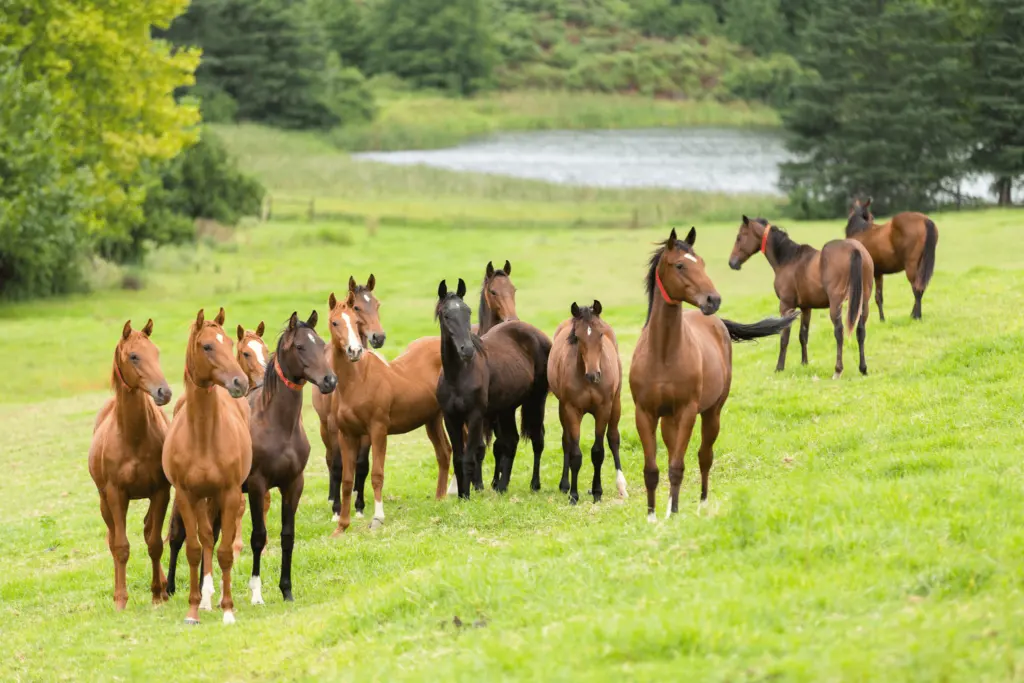
The most widely accepted term for a group of horses is a herd. This word applies to both domestic horses kept in pastures and wild equines roaming vast landscapes. In scientific and agricultural contexts, "herd" is the standard nomenclature because it accurately describes the social structure of these animals. Horses are highly social, gregarious creatures that rely on the safety of the group to survive, making the term herd both biologically and linguistically appropriate.
Beyond the general term, language enthusiasts sometimes use the collective noun "a harras" to describe a group of horses kept for breeding purposes. However, this term is archaic and rarely used in modern conversation. If you are describing horses in a casual setting, sticking with "herd" is the safest and most professional choice. Using overly obscure terminology can often lead to confusion rather than clarity in equestrian circles.
How to identify different types of horse groups
While "herd" is the umbrella term, horsemen often use more specific language depending on the horses' purpose or living situation. Understanding these distinctions helps in communicating effectively with trainers, stable managers, and fellow enthusiasts. These labels often reflect how humans interact with the animals or how the animals organize themselves in the wild.
- A "band" typically refers to a small group of wild horses, usually consisting of one stallion, several mares, and their offspring.
- A "string" is a term used to describe a group of horses owned by one person, often seen in the context of polo ponies or working ranch horses.
- A "team" refers to a group of horses harnessed together to pull a vehicle or piece of agricultural equipment.
- A "stud" or "stable" can sometimes refer to a collection of breeding horses, though these terms are more frequently applied to the facility itself.
Why horses live in groups
Horses are prey animals, and their instinctual drive to live in groups is a primary survival strategy. In the wild, living in a herd provides a significant advantage: more eyes, ears, and noses are available to detect predators like wolves or mountain lions. When one horse senses danger and alerts the group, the entire herd can react instantly, increasing the chances of survival for every individual member.
The social structure of a herd is surprisingly complex and is maintained through a hierarchy. This hierarchy is not based solely on physical strength but also on experience and temperament. Older mares, often referred to as the lead mares, frequently dictate the movement of the herd, deciding when to graze, drink, or move to new territory. This social cohesion is essential for the emotional well-being of the horse, as isolation often leads to extreme stress, anxiety, and behavioral problems in these highly intelligent animals.
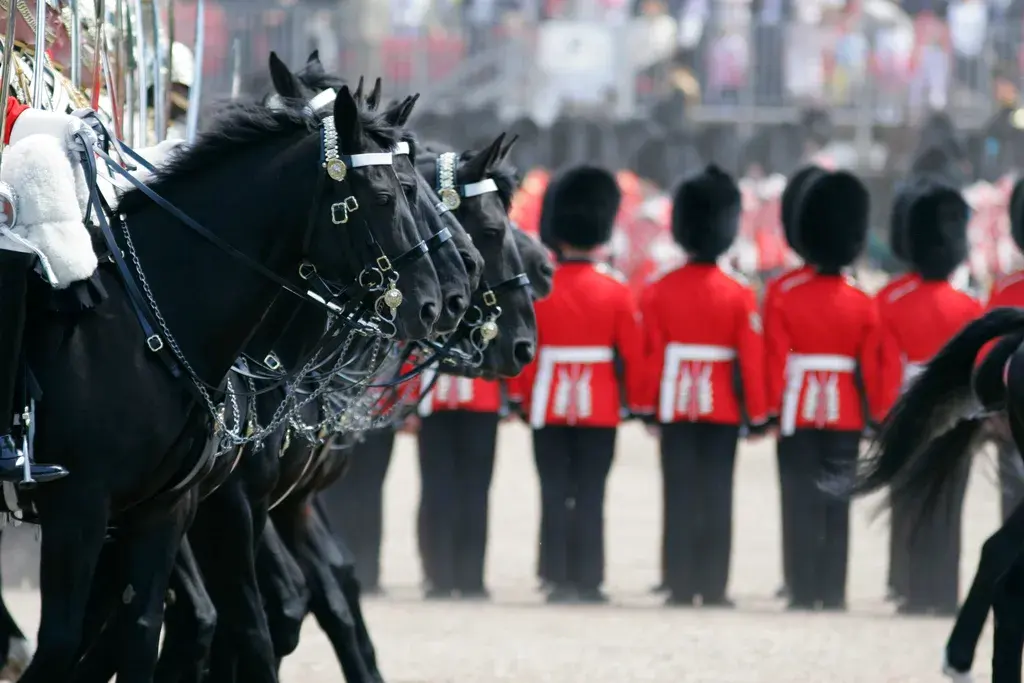
Common mistakes when referring to horse groups
One of the most common errors is using terms that are technically incorrect or outdated. For instance, people sometimes mistakenly refer to a group of horses as a "herd of ponies" when the animals are actually full-sized horses. While the social behavior is the same, the terminology should be precise to avoid misrepresenting the animals. Another frequent mistake is assuming that any group of horses is a "stable," which actually refers to the building where they are housed rather than the animals themselves.
- Avoid using poetic or archaic terms like "a pace" or "a rag" unless you are writing historical fiction, as these are not used in modern equestrian practice.
- Do not refer to a group of horses as a "pack," as this term is reserved for animals like wolves or dogs that hunt together.
- Always verify the context; if you are talking about racehorses, use the term "string," but if you are talking about horses in a field, use "herd."
Best practices for managing a horse herd
Managing a herd requires a deep understanding of equine behavior to ensure the safety of both the animals and the handlers. When introducing a new horse to an existing herd, it is vital to do so slowly to prevent aggressive behavior and injury. Most experts recommend using a "fence-line introduction," where the new horse can see and smell the established members without physical contact. This allows the herd to establish a new social order with minimal risk of fighting.
When managing a group, you must also provide enough space and resources to prevent competition. If food or water sources are limited, the natural hierarchy can become a source of conflict, leading to biting or kicking. Always ensure that there are multiple water troughs and enough grazing area so that lower-ranking horses are not pushed away by dominant individuals. By providing adequate space and resources, you can maintain a peaceful and healthy herd environment that supports the natural social instincts of the horses.
Key facts
- A group of horses is most commonly referred to as a herd.
- When horses are kept together in a stable or enclosure, they are often called a string or a stable.
- A group of wild horses roaming together is frequently described as a band or a harem.
- A band typically consists of one stallion, several mares, and their immature offspring.
- Bachelor groups are loose associations of young males that have not yet established their own harems.
- To avoid confusion, remember that "herd" is the standard term for any group of horses regardless of their living situation.
The bottom line
While the term "herd" is the most accurate and widely accepted word for a group of horses, specific social structures like bands or bachelor groups are often used by researchers to describe wild populations. Understanding these terms helps clarify how equines organize themselves for protection and social stability. Regardless of the setting, these animals thrive when they are part of a cohesive and structured group.
People also ask
What is a group of wild horses called?
Wild horses typically organize themselves into bands or harems. These groups are led by a dominant stallion who protects the mares and foals from predators and rival males.
How many horses make up a typical herd?
Herd size varies significantly based on environmental resources and population density. While a family band may only contain 5 to 10 horses, larger aggregations can number in the hundreds when grazing on open ranges.
Is there a specific name for a group of ponies?
There is no distinct terminology for ponies; they are still referred to as a herd. The term remains consistent regardless of the size or breed of the equine involved.
What is a group of colts called?
A group of young male horses that have left their natal band is called a bachelor group. These males often travel together for protection and social interaction until they are strong enough to challenge for their own mares.
Can horses belong to more than one group?
Horses are highly social animals that form strong bonds within their primary herd. While they may interact with other groups at water holes or fences, they generally remain loyal to their specific band members.
Why do horses stay in groups?
Horses are prey animals that rely on the safety of numbers to survive. Living in a herd allows them to use their collective senses to detect predators and share the responsibility of watching for danger.
This answer was created with the help of AI research tools and reference sources. Spotted an error? Let us know — we correct mistakes quickly. See our editorial policy.