What is a group of cows called?
Short answer
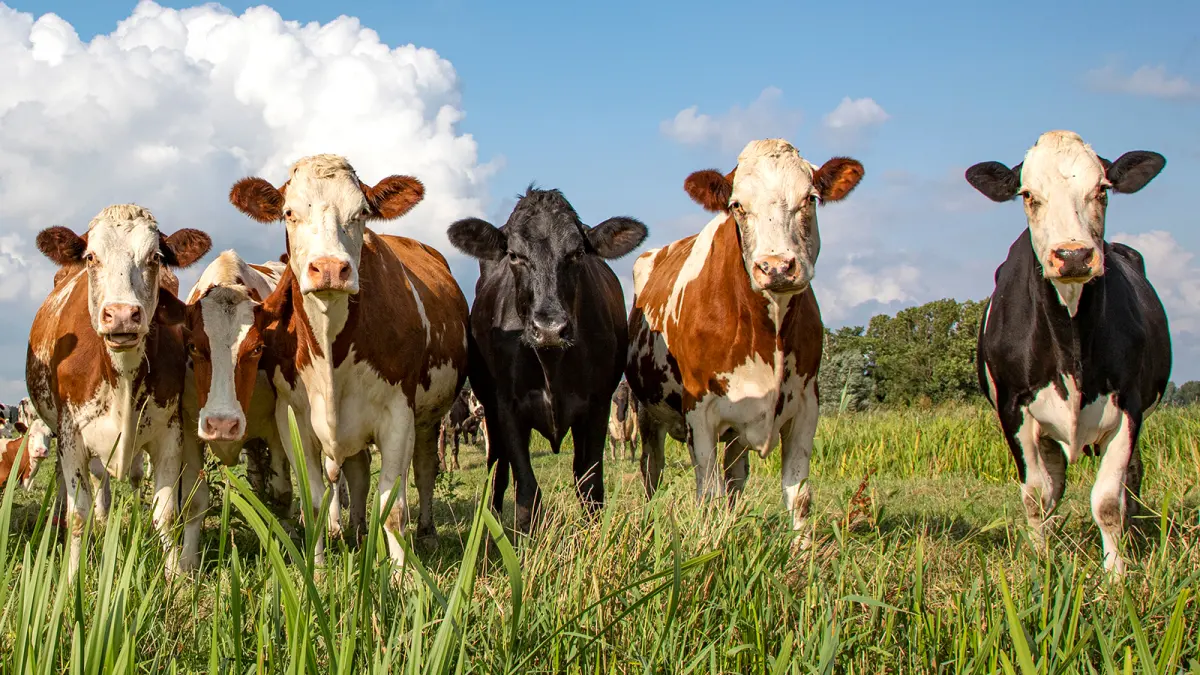
A group of cows is most commonly called a herd. While "herd" is the standard term for cattle, you may occasionally encounter less formal or poetic collective nouns like a "drove" or a "drift," especially when referring to cattle being moved over long distances or through specific terrain.
On this page
What is the correct term for a group of cows?
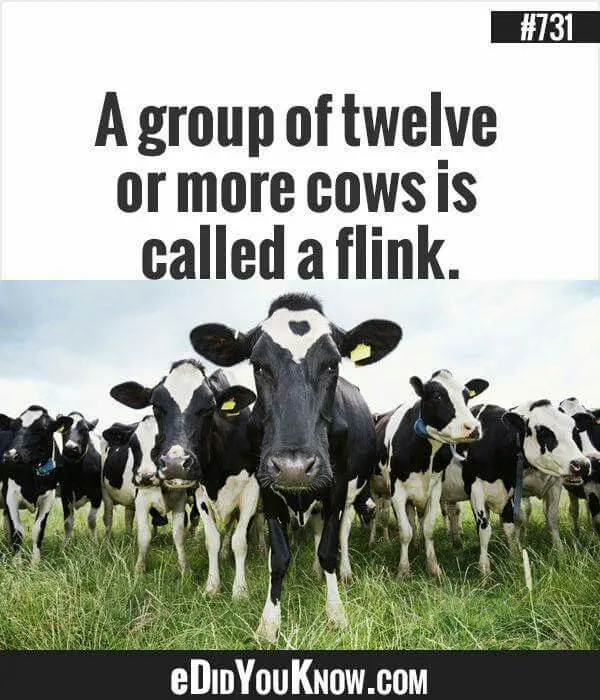
The word "herd" is the universally accepted collective noun for a group of cows, bulls, steers, or heifers. Whether you are observing a small family farm or a massive commercial ranch, this term remains the standard in both agricultural and casual contexts. It describes a social unit of cattle that naturally graze and move together for protection and companionship.
While "herd" is the primary term, you might hear older or more specialized terminology in literature or historical accounts. A "drove" specifically refers to a group of cattle being driven or moved from one location to another, such as during a cattle drive. A "drift" is a similarly archaic term used to describe a group of cattle moving across a range. Despite these variations, using "herd" is always correct and will ensure you are understood in any setting.
How do cattle behave in a herd?
Cattle are gregarious animals, meaning they have a strong instinct to remain with their peers. This behavior is a survival mechanism designed to protect individuals from predators. Within a herd, there is often a social hierarchy, sometimes called a "pecking order," where dominant cows influence the movement and grazing patterns of the group.
When cows are kept in a herd, they exhibit several collective behaviors that help them thrive:
- Grazing synchronization: Most members of the herd eat and rest at the same time.
- Mutual grooming: Cows lick each other to maintain hygiene and reinforce social bonds.
- Alarm signaling: If one cow senses danger, the rest of the herd often becomes alert immediately.
- Collective movement: The group usually follows a leader when moving between pastures or water sources.
Understanding these behaviors is essential for anyone who works with livestock, as it allows for safer handling and more efficient management of the animals.
How do farmers manage a herd?
Managing a herd requires careful attention to the needs of the animals and the health of the land. Farmers must ensure that the stocking density—the number of animals per acre—is appropriate to prevent overgrazing. Effective management involves rotating the herd between different paddocks to allow grass to recover, which improves soil health and forage quality.
To manage a herd effectively, follow these fundamental steps:
- Assess the available forage to determine how many cows the land can support.
- Provide consistent access to clean, fresh water, as an adult cow can drink up to 30 gallons a day.
- Implement a regular health monitoring schedule, including vaccinations and parasite control.
- Use low-stress handling techniques to move the herd, which keeps the animals calm and prevents injury.
- Maintain sturdy fencing to keep the herd contained and protected from predators or road hazards.
Common mistakes when observing or handling cattle
One of the most frequent mistakes people make is underestimating the size and speed of a cow, even when it appears docile. Because cows are herd animals, they can become agitated or unpredictable if they feel separated from their group. Never attempt to approach a lone calf, as a protective mother cow may perceive you as a threat and react aggressively to defend her offspring.
Another common error is ignoring the "flight zone" of the animal. The flight zone is the personal space around a cow; when you enter this zone, the animal will move away. If you move too quickly or enter the flight zone from a blind spot, the cow may panic and bolt. Always approach cattle from the side where they can see you, and avoid making loud, sudden noises that could startle the entire herd and cause a stampede.
Why do herd sizes vary so much?
The size of a herd depends heavily on the purpose of the operation and the environment. In intensive dairy farming, herds might be kept in smaller, controlled groups to make milking and health monitoring more manageable. Conversely, in extensive beef ranching, herds can number in the hundreds or thousands, as these cattle spend most of their time roaming vast tracts of open rangeland.
Economic factors also dictate herd size. Larger herds benefit from economies of scale, allowing for more efficient use of equipment and labor. However, larger herds also face higher risks regarding disease transmission, as pathogens can spread more rapidly in densely populated groups. Ultimately, the optimal herd size is a balance between the carrying capacity of the land, the available infrastructure, and the specific goals of the producer. Regardless of the size, the fundamental social nature of the cow remains a constant factor in how they interact with their environment and their human caretakers.
Key facts
- A group of cows is most commonly referred to as a herd.
- When cattle are being driven or moved together, the group is often called a drove.
- A group of cattle grazing together in a field is frequently described as a mob.
- The term "kine" is an archaic plural form of cow, though it is rarely used in modern agricultural contexts.
- Young cattle are typically referred to as calves, while a group of them may be called a string.
- Avoid using the term "flock" for cows, as that is reserved for sheep, birds, or goats.
The bottom line
The most accurate and widely accepted term for a group of cows is a herd. While specific regional or functional terms like "drove" or "mob" exist, "herd" remains the standard for both casual and professional agricultural usage. Understanding that cattle are inherently social creatures that thrive in groups is essential for anyone interested in their welfare, management, or general biological study in farming environments.
People also ask
What is the difference between a herd and a drove?
A herd refers to a group of cattle living or grazing together in a stationary environment. A drove specifically describes a group of cattle being moved or driven by humans over a distance.
Are there gender-specific names for groups of cattle?
Generally, no; the term herd applies regardless of sex. However, a group of bulls is sometimes colloquially referred to as a "battle" or a "belligerence" in older, poetic terminology.
How many cows constitute a herd?
There is no minimum number required to form a herd. Even a small group of two or three cows grazing together will exhibit the social behaviors and collective movement patterns characteristic of a herd.
Do cows recognize members of their own herd?
Yes, cows are highly social animals that form strong bonds with specific individuals within their herd. They can recognize and remember up to 50 to 70 other members of their social group.
Why do cows stay in herds?
Herding is a natural survival instinct that provides protection from predators. By staying close together, cows can better monitor their surroundings and benefit from the collective vigilance of the group.
Is it common to keep a single cow alone?
It is generally discouraged to keep a single cow in isolation because they are herd animals. Without the companionship of other cattle, they often experience significant stress, anxiety, and behavioral problems.
This answer was created with the help of AI research tools and reference sources. Spotted an error? Let us know — we correct mistakes quickly. See our editorial policy.