What is the largest organ of the body?
Short answer
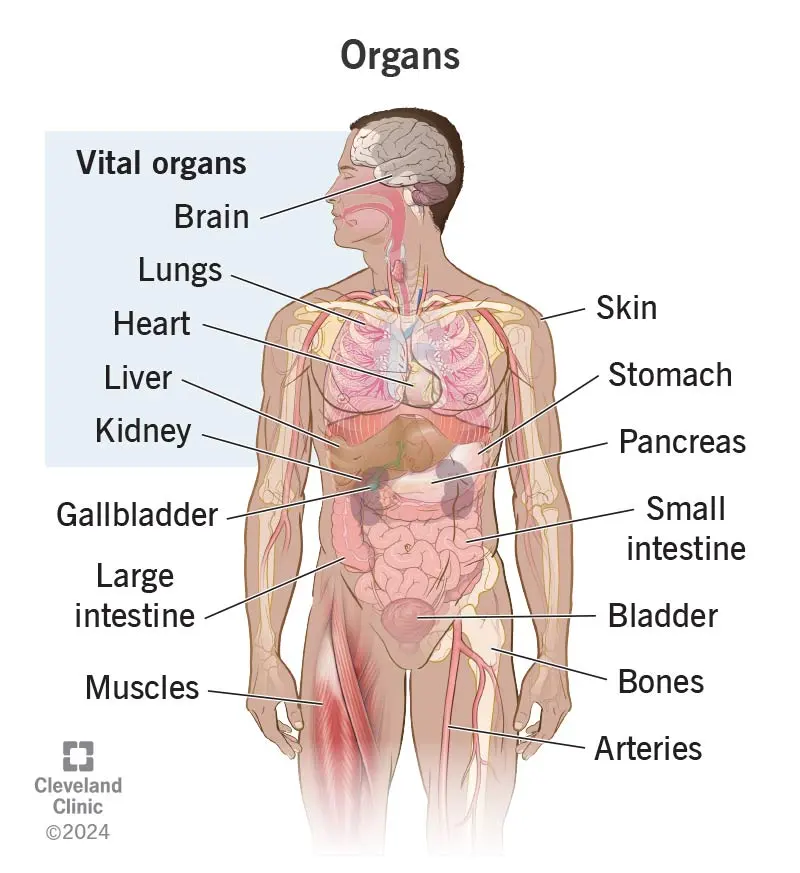
The skin is the largest organ of the human body. For an average adult, it covers approximately 20 square feet and accounts for about 15 percent of total body weight. This complex system serves as a vital protective barrier, regulating internal temperatures and shielding the body from external environmental threats and pathogens.
On this page
What are the functions of the skin?
The skin performs several critical roles that maintain homeostasis and ensure survival. Its primary function is protection, acting as a physical shield against mechanical injury, ultraviolet radiation, and harmful chemicals. Beyond this barrier, the skin plays a central role in sensory perception, housing a dense network of nerve endings that detect touch, pressure, vibration, heat, and pain.
Temperature regulation represents another essential task. When the body overheats, blood vessels in the skin dilate to release heat, and sweat glands produce moisture that cools the surface through evaporation. Conversely, when temperatures drop, these vessels constrict to conserve core heat. The skin also synthesizes vitamin D when exposed to sunlight, a nutrient necessary for bone health and immune function.
- Barrier protection against microbes.
- Regulation of body temperature.
- Sensory input for touch and pressure.
- Synthesis of vitamin D.
- Excretion of waste through sweat.
How is the skin structured?
The skin consists of three distinct layers, each with specialized cells and functions. The outermost layer, the epidermis, is thin and waterproof, providing the initial defense against the environment. It contains melanocytes, which produce melanin to protect against UV damage, and keratinocytes, which form the tough outer surface that constantly sheds and regenerates.
Beneath the epidermis lies the dermis, a thick, fibrous layer containing connective tissue, hair follicles, and sweat glands. This layer provides strength and elasticity due to the presence of collagen and elastin proteins. The deepest layer, the hypodermis, consists primarily of fat and connective tissue. This layer acts as an energy reserve and a shock absorber, cushioning internal organs and bones from external impacts.
- Epidermis: The waterproof, protective surface layer.
- Dermis: The structural layer containing glands and nerves.
- Hypodermis: The subcutaneous fat layer for insulation.
Why does skin health matter?
Maintaining skin integrity is vital because the skin is the body’s first line of defense against infection. When the skin is compromised by cuts, burns, or chronic conditions, the risk of systemic infection increases significantly. Healthy skin also reflects overall physiological status, as changes in skin color, texture, or moisture levels can often signal underlying health issues like hormonal imbalances or nutritional deficiencies.
Beyond medical necessity, skin health impacts psychological well-being. Because the skin is the most visible organ, dermatological conditions can lead to significant social anxiety and decreased quality of life. Consistent care helps preserve the skin’s barrier function, preventing premature aging and reducing the likelihood of developing serious conditions such as skin cancer. Prioritizing skin health is not merely cosmetic; it is a fundamental aspect of preventive medicine that supports long-term physical wellness.
Common mistakes when caring for skin
Many people inadvertently damage their skin by using overly harsh cleansers or scrubbing too aggressively. These actions strip away natural oils, disrupting the acid mantle and leading to dryness, irritation, or inflammation. Another frequent error is the inconsistent use of broad-spectrum sunscreen. UV radiation causes cumulative DNA damage, even on cloudy days, which is the leading cause of premature aging and skin malignancies.
Neglecting hydration is another common oversight. While topical moisturizers are helpful, internal hydration is equally important for maintaining skin elasticity. Furthermore, many individuals ignore changes in existing moles or skin spots. Failing to monitor for irregular borders, changing colors, or rapid growth can lead to delayed diagnosis of skin cancers. Always consult a dermatologist if you notice persistent changes in your skin’s appearance or texture.
How to maintain healthy skin
Developing a simple, consistent routine is the most effective way to support your skin’s natural functions. Start by using a gentle, pH-balanced cleanser to remove dirt without stripping essential lipids. Follow this with a moisturizer that suits your skin type to lock in hydration and reinforce the protective barrier. Consistency is far more important than using expensive or complex products.
Protecting your skin from the environment is the final pillar of a healthy regimen. Wear sun-protective clothing and apply a high-quality sunscreen every morning, regardless of the season. Additionally, maintain a balanced diet rich in antioxidants, vitamins, and healthy fats, which provide the building blocks for skin repair. Avoid smoking and excessive alcohol consumption, as both are known to accelerate collagen breakdown and impair the skin's ability to heal itself. By focusing on these fundamental habits, you ensure that your body's largest organ remains resilient and functional throughout your life.
Key facts
- The skin is the body's largest organ, covering an average surface area of about 20 square feet in adults.
- It accounts for approximately 15 percent of an average adult's total body weight.
- The skin functions as a protective barrier against pathogens, ultraviolet radiation, and physical injury.
- To maintain skin health, apply broad-spectrum sunscreen with an SPF of at least 30 daily to prevent premature aging and cancer.
- Avoid using harsh, heavily scented soaps, which can strip the skin of its natural protective oils and cause irritation.
- Stay hydrated and consume a balanced diet rich in vitamins A, C, and E to support skin cell regeneration.
The bottom line
The skin is far more than a simple outer covering; it is a vital, complex organ essential for survival. By acting as a dynamic shield against environmental threats, regulating internal temperature, and facilitating sensory input, it maintains homeostasis. Prioritizing skin health through consistent protection, proper hydration, and gentle care ensures that this expansive organ continues to perform its critical functions effectively throughout your entire life.
People also ask
What are the three main layers of the skin?
The skin consists of the epidermis, the outermost layer that provides a waterproof barrier; the dermis, which contains connective tissue, hair follicles, and sweat glands; and the hypodermis, a deeper layer of fat and connective tissue.
How much skin does a human shed in a lifetime?
Humans shed approximately 30,000 to 40,000 dead skin cells every minute. Over a lifetime, an individual will lose roughly 105 pounds of skin.
Does the skin's thickness vary across the body?
Yes, skin thickness varies significantly depending on the location. The skin on the eyelids is the thinnest, while the skin on the palms of the hands and the soles of the feet is the thickest.
How does the skin help regulate body temperature?
The skin manages temperature through the evaporation of sweat from sweat glands and by dilating or constricting blood vessels to release or conserve heat.
What is the role of melanin in the skin?
Melanin is a pigment produced by cells called melanocytes that determines skin color and provides protection against damage from ultraviolet radiation.
Can the skin repair itself after an injury?
The skin has a remarkable ability to regenerate through a complex process involving inflammation, cell proliferation, and remodeling to close wounds and restore the protective barrier.
This answer was created with the help of AI research tools and reference sources. Spotted an error? Let us know — we correct mistakes quickly. See our editorial policy.